









<h1>How to Get Your Beechcraft King Air 350 Appraised</h1>
<p>The Beechcraft King Air 350 stands as one of the most durable and versatile turboprop aircraft in private aviation, with current valuations ranging from <strong>$600,000 to $800,000</strong> depending on airframe condition, engine hours, and avionics configuration. Whether you're buying, selling, or managing insurance coverage for your aircraft, understanding what drives King Air 350 valuations and how professional appraisals work ensures you make informed decisions about this significant asset.</p>
<h2>Current Market Value and What Influences It</h2>
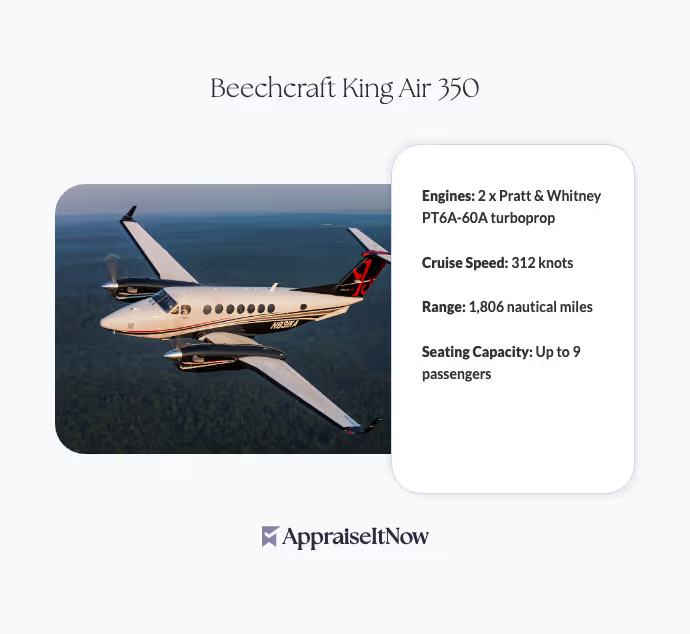
<p>Your King Air 350's value depends on several interconnected factors that go well beyond its purchase price. The aircraft's twin <strong>Pratt & Whitney PT6A-60A engines</strong> provide a foundation for value assessment, but what really matters is total airframe hours, engine condition, and maintenance history. An aircraft with 3,000 total hours kept in pristine condition may command $750,000, while the same model with 8,000 hours and deferred maintenance might appraise at $550,000.</p>
<p>Market timing also affects valuation. King Air 350 demand remains strong among corporate operators and air ambulance services, creating competitive interest that generally supports pricing. This demand stability contrasts favorably with some specialty aviation markets that fluctuate dramatically based on economic conditions.</p>
<div class="callout tip"><p><strong>Market Reality</strong></p>
<p>Recent sales data shows well-maintained King Air 350s with modern avionics commanding premiums of 15-20% over similar aircraft with dated equipment, even when total hours are comparable.</p></div>
<h2>Understanding the Technical Specifications That Matter</h2>
<p>The King Air 350's reputation for reliability directly impacts its resale value. First introduced in 1990, over 1,800 units have been produced, creating a robust market with good parts availability and maintenance support. When evaluating a specific aircraft, several technical specifications directly influence appraisals.</p>
<p>The spacious cabin accommodating up to nine passengers positions the King Air 350 as an ideal platform for corporate travel and medical missions. This versatility means your aircraft can generate revenue across multiple service categories, supporting higher valuations compared to single-mission platforms. Cruising speeds up to 312 knots and the ability to operate from shorter runways adds operational flexibility that operators and buyers specifically value.</p>
<p>Avionics systems matter significantly in today's market. Aircraft equipped with modern glass cockpits and advanced navigational systems—particularly those with certified autopilot systems and terrain awareness warning systems—typically appraise 10-15% higher than conventional-panel examples. Given new panel installations can cost $200,000-$400,000, the presence of current equipment substantially impacts your aircraft's worth.</p>
<div class="callout note"><p><strong>Technical Consideration</strong></p>
<p>Engine condition reports and detailed maintenance logs form the foundation of any professional King Air 350 appraisal, often accounting for 30-40% of the valuation determination.</p></div>
<h2>Condition Assessment and Maintenance History</h2>
<p>Professional appraisers evaluate King Air 350s using standardized condition criteria that extend far beyond visual inspection. They examine airframe structural integrity, corrosion patterns, interior condition, and compliance with all applicable airworthiness directives. Your maintenance records become critical documentation—aircraft with complete logs showing regular inspections and prompt compliance with service bulletins command premium valuations.</p>
<p>The question of whether you can operate a King Air 350 on minimal maintenance has a clear answer: no. These aircraft require rigorous adherence to manufacturer guidelines and regulatory requirements. An appraisal process accounts for this by examining whether all inspections remain current and whether any known defects have been properly documented and remedied.</p>
<p>Environmental factors significantly impact condition. Aircraft stored in hangars with climate control maintain better interior finishes and avoid corrosion issues common in coastal regions. An aircraft stored outdoors versus in protected facilities may show 10-20% valuation difference even with identical total hours, reflecting future maintenance costs appraisers project for the new owner.</p>
<h2>Why King Air 350 Values Hold Strong</h2>
<p>Unlike some aircraft that depreciate rapidly, the King Air 350 maintains its value through consistent market demand from commercial operators who recognize the platform's proven track record. Whether for corporate charter operations, air ambulance services, or specialized missions, buyers understand they're acquiring a reliable asset with predictable operating costs and strong parts support.</p>
<p>The aircraft's range capabilities merit consideration when valuing your specific model. Can a King Air 350 fly to Hawaii? Yes—with proper planning and fuel stops, the aircraft can make transatlantic crossings and reach remote destinations. This capability adds operational value that sophisticated appraisers factor into valuations, particularly when assessing aircraft marketed for mission-specific applications like medical transport or patrol operations.</p>
<p>Advanced avionics that enable modern navigation, weather capabilities, and terrain awareness significantly influence market price. Aircraft equipped to operate in challenging environments with reduced visibility support higher valuations than basic-equipped alternatives. This consideration particularly applies when your King Air 350 features systems enabling flight in icing conditions or remote area operations.</p>
<div class="callout tip"><p><strong>Value Driver</strong></p>
<p>King Air 350s configured for specific missions—medical transport, cargo operations, special surveillance—often appraise higher than general-purpose corporate versions due to their revenue-generating capability and demonstrated operator interest.</p></div>
<h2>Crew Requirements and Operational Factors</h2>
<p>Understanding regulatory requirements helps contextualize valuation factors. Does a King Air 350 require two pilots? Yes—FAA regulations mandate two-pilot crews for most commercial King Air operations, though some private operations under Part 91 permit single-pilot operation with appropriate training. This distinction affects the aircraft's commercial viability and therefore its appraisal value, as commercial operators specifically seek two-pilot-capable aircraft.</p>
<p>Pilot licensing requirements also influence operational costs that appraisers consider. Operating a King Air 350 requires a Commercial Pilot license with multi-engine and instrument ratings, plus aircraft-specific training. These regulatory requirements create a stable operator base and consistent demand that supports valuations. When comparing alternative <a href="/types/aircraft">aircraft</a> platforms, the King Air 350's established training infrastructure and standardized procedures enhance its market appeal and value retention.</p>
<h2>Insurance and Documentation Requirements</h2>
<p>Professional appraisals provide the documentation foundation necessary for insurance coverage. When you need to establish fair market value for insurance purposes, an appraiser's detailed report satisfies insurance company requirements and ensures you maintain proper coverage reflecting your aircraft's actual worth. This becomes particularly important when considering how your King Air 350 compares to other platforms—proper appraisal documentation prevents underinsurance issues that could leave you financially exposed.</p>
<p>Documentation extends beyond insurance considerations. For estate planning, business valuation, or partnership disputes, you may need professional appraisal services to establish independent market values acceptable to legal and financial professionals. A certified appraisal provides that documentation, ensuring your aircraft is properly valued regardless of the context.</p>
<h2>Comparable Sales and Market Analysis</h2>
<p>Professional appraisers conduct extensive market research examining recent comparable sales of King Air 350s with similar configurations, total hours, and equipment packages. This comparative analysis forms the foundation of your appraisal value. Unlike consumer automobiles where thousands of sales create obvious pricing patterns, the <a href="/types/private-jet">private aircraft</a> market requires specialized expertise to identify truly comparable transactions and adjust for significant differences.</p>
<p>Recent market activity shows King Air 350s with modern avionics and low-to-moderate airframe hours (3,000-5,000 total hours) commanding the strongest prices in the $700,000-$800,000 range. Aircraft approaching 10,000 hours generally appraise in the $550,000-$650,000 range, though exceptional examples with premium configurations can exceed these estimates. Understanding where your specific aircraft fits within this spectrum requires detailed technical analysis that professional appraisers provide.</p>
<h2>The Maintenance Cost Factor</h2>
<p>Potential buyers and appraisers carefully consider maintenance requirements when establishing valuations. Is it expensive to maintain a King Air 350? The aircraft's robust Pratt & Whitney engines demand regular inspection and component replacement following manufacturer guidelines, with planned maintenance reserves typically running $3,000-$5,000 per flight hour. An appraiser factors these predictable costs into overall value assessment, recognizing that operators understand and budget for King Air maintenance requirements.</p>
<p>Well-maintained aircraft with current inspection status and modern equipment actually command higher valuations despite potentially higher maintenance costs, because operators recognize they're acquiring a reliable platform with known cost structure. Aircraft with deferred maintenance, incomplete inspections, or aging components receive significant valuation reductions reflecting the new owner's remediation expenses.</p>
<h2>Professional Appraisal Services for Your King Air 350</h2>
<p>When seeking valuation services, look for appraisers with specific expertise in turboprop aircraft and comprehensive understanding of <a href="/types/commercial-aircraft">commercial aircraft</a> market dynamics. AppraiseItNow connects aircraft owners with certified appraisers holding appropriate aviation credentials who conduct detailed technical assessments, research comparable market transactions, and provide <strong>USPAP-compliant valuations</strong> suitable for lending, insurance, and transaction purposes.</p>
<p>The appraisal process typically involves physical inspection of the aircraft, detailed review of maintenance records and logbooks, examination of avionics systems and equipment configuration, and comprehensive market analysis. This thorough approach ensures your King Air 350 receives accurate valuation reflecting its specific condition and market position.</p>
<div class="callout note"><p><strong>Key Takeaway</strong></p>
<p>Your Beechcraft King Air 350 represents a significant aviation asset requiring professional appraisal expertise to establish accurate market value, whether for buying, selling, insurance, or financial planning purposes. Certified appraisals provide the documentation and analysis that give you confidence in the aircraft's true worth within the $600,000-$800,000 market range.</p></div>