Picture this: you're selling your restaurant after 15 years, and a potential buyer claims your commercial kitchen equipment is worth half of what you expected. Or maybe your insurance adjuster is offering a settlement that barely covers replacing your damaged pizza oven. Without a professional restaurant equipment appraisal, you're negotiating blind.
A restaurant equipment appraisal is a formal assessment conducted by a qualified appraiser who determines the fair market value of your commercial kitchen assets. These USPAP-compliant reports are accepted by the IRS, courts, lenders, and insurance companies for purposes ranging from business sales to insurance claims. The typical cost ranges from $1,500 to $5,000 depending on the size and complexity of your operation, but this investment protects you from potentially losing thousands in undervalued assets.
Quick Answer: Restaurant equipment appraisals typically take 7-14 days to complete and should be updated every 2-3 years or before major business changes like sales, refinancing, or insurance policy renewals.
Whether you're buying, selling, financing, or insuring your restaurant, understanding how equipment appraisals work helps you make informed decisions and protect your investment.
When do you need a restaurant equipment appraisal?
Most restaurant owners discover they need an appraisal when life throws them a curveball. The timing usually coincides with major business events or financial requirements that demand documented proof of value.
Buying or selling a restaurant represents the most common scenario. Sellers want to maximize their asking price, while buyers need to verify they're paying fair market value. An independent appraisal removes guesswork from negotiations and can prevent deals from falling apart over disputed equipment values. Understanding when to get a restaurant equipment appraisal helps you plan ahead for these critical business transitions.
Financing and SBA loans often require equipment appraisals as collateral documentation. Lenders want assurance that the equipment securing your loan maintains sufficient value to recover their investment if needed. This is especially critical for SBA loans, where equipment often serves as primary collateral.
Insurance coverage becomes crucial when you realize your policy limits haven't kept pace with equipment replacement costs. A professional appraisal ensures adequate coverage and streamlines claims processing if disaster strikes. Many insurers require updated appraisals every few years to maintain proper coverage levels.
Legal matters including divorce proceedings, partnership disputes, or bankruptcy cases demand objective, court-acceptable valuations. These situations require USPAP-compliant reports that can withstand legal scrutiny and provide defensible value conclusions.

What's included in a professional restaurant equipment appraisal?
A comprehensive restaurant equipment appraisal goes far beyond a simple equipment list with estimated values. Professional appraisers follow established methodologies to create defensible, detailed reports that meet industry standards.
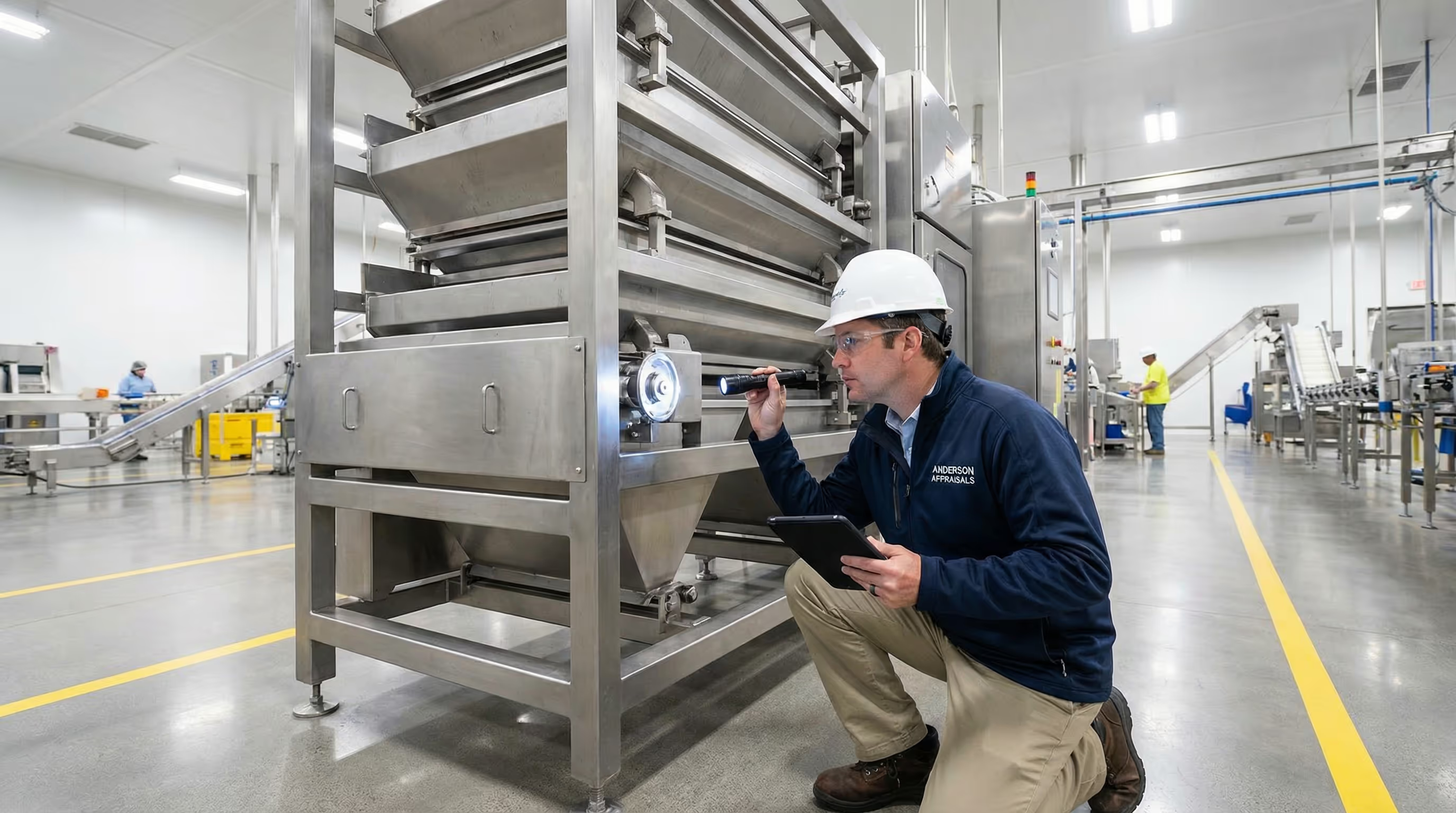
The process begins with an on-site inspection where the appraiser photographs and catalogs each piece of equipment, noting serial numbers, model information, age, and condition. They assess functionality, maintenance history, and compliance with current health and safety codes. Learning what to expect during your restaurant equipment appraisal can help you prepare properly for this crucial step.
Market research forms the backbone of accurate valuations. Appraisers analyze comparable sales data, manufacturer pricing, and secondary market trends to establish realistic value ranges. This research considers regional market conditions and equipment-specific factors like brand reputation and availability.
The final report includes detailed equipment descriptions, high-quality photographs, condition assessments, and value conclusions supported by market data. You'll also receive the appraiser's credentials, methodology explanation, and any limiting conditions that affect the valuation.
| Component | DIY Estimate | Professional Appraisal |
|---|---|---|
| Market Research | Limited online searches | Comprehensive database access |
| Condition Assessment | Visual inspection only | Technical evaluation |
| Legal Acceptance | Not recognized | IRS, court, lender approved |
| Documentation | Basic photos/notes | Detailed report with credentials |
Understanding the restaurant equipment appraisal process
The appraisal process typically unfolds over 7-14 business days, depending on your restaurant's size and complexity. Understanding each step helps you prepare effectively and ensures smooth completion.
Discovery and engagement starts when you contact the appraiser with your specific needs. They'll ask about the appraisal's purpose, timeline requirements, and basic information about your equipment inventory. This conversation determines the appropriate value standard and report format.
Information gathering happens before the site visit. You'll provide existing equipment lists, purchase invoices, maintenance records, and any previous appraisals. This preparation reduces on-site time and helps the appraiser focus on physical inspection rather than basic inventory creation.
On-site inspection involves the appraiser systematically examining and documenting each piece of equipment. They'll measure spaces, test functionality where appropriate, and photograph equipment from multiple angles. Plan for 2-4 hours depending on your restaurant's size.
Analysis and reporting occurs back at the appraiser's office, where they research comparable sales, analyze market data, and prepare the final report. This phase typically takes 5-10 business days and produces the comprehensive documentation you need for your intended purpose. For a detailed breakdown, review this guide to navigating restaurant equipment appraisals.
Pro Tip: Prepare a basic equipment list with serial numbers before the appraiser arrives. This simple step can reduce inspection time by 30-50% and lower your overall cost.
Factors that influence your restaurant equipment's value
Equipment values fluctuate based on multiple factors that professional appraisers carefully evaluate. Understanding these elements helps you maintain and position your assets for maximum value retention.
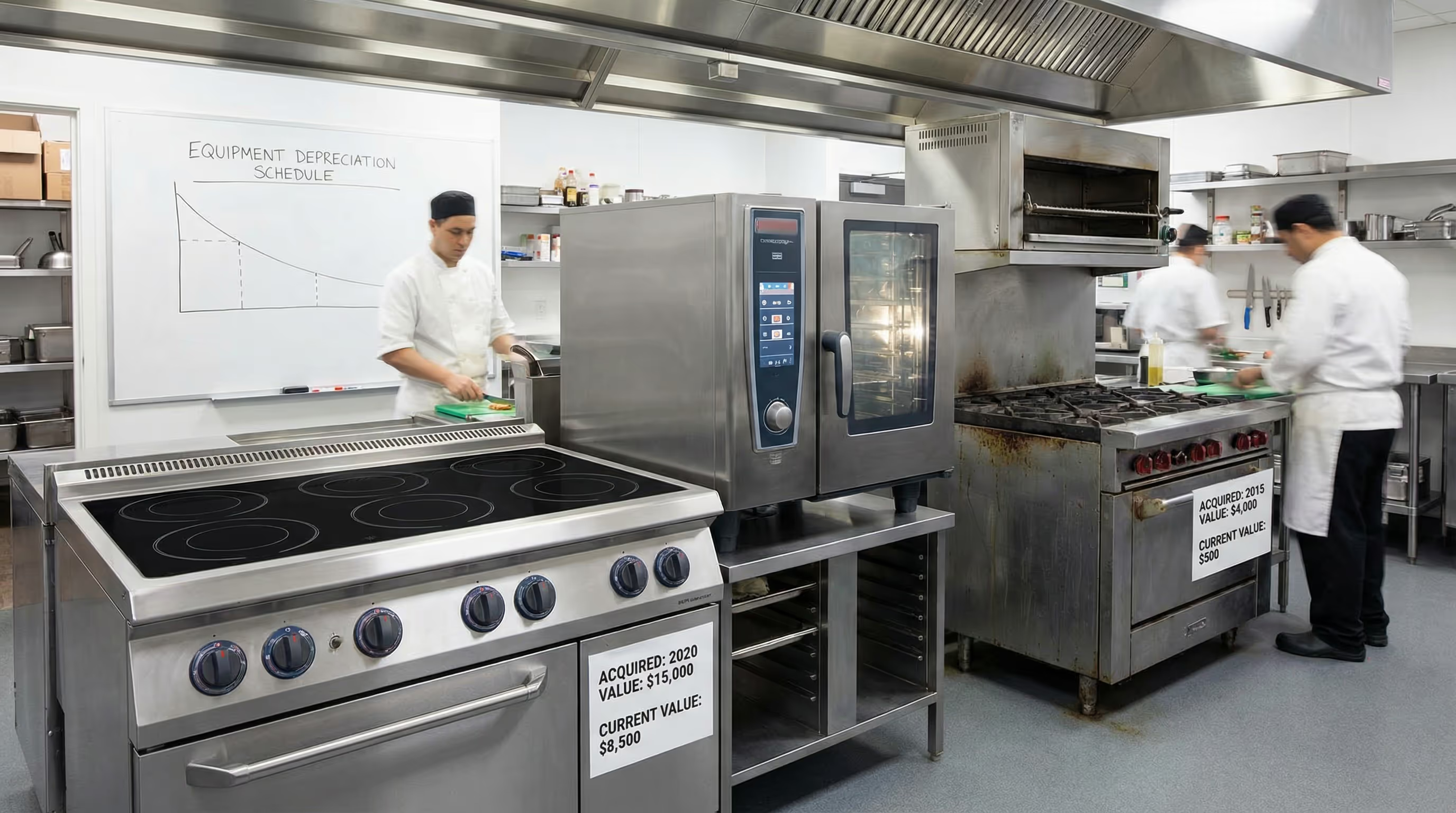
Age and remaining useful life matter more than simple chronological age. A well-maintained 5-year-old commercial range might retain 60-70% of its original value, while a neglected 3-year-old unit could be worth significantly less. Regular maintenance, proper cleaning, and documented service history all contribute to value retention.
Brand reputation and model desirability significantly impact resale values. Equipment from manufacturers like Hobart, Vulcan, or True typically holds value better than lesser-known brands. Energy-efficient models and units with advanced features command premium prices in the secondary market.
Market conditions affect equipment values just like any other asset class. High demand for specific equipment types, supply chain disruptions, or changes in health codes can dramatically influence values. For example, the shift toward energy-efficient equipment has reduced demand for older, less efficient models.
Installation and removal costs also factor into valuations, especially for built-in equipment or items requiring specialized installation. Heavy equipment like walk-in coolers or large ovens may have significant deinstallation costs that reduce their effective value to buyers. Similar considerations apply to other commercial equipment, as explained in this guide to food processing equipment appraisal.

Choosing the right restaurant equipment appraiser
Not all appraisers possess the specialized knowledge needed for accurate restaurant equipment valuations. Selecting the right professional ensures your appraisal meets its intended purpose and withstands scrutiny from lenders, insurers, or courts.
Credentials and certifications provide the foundation for professional competence. Look for appraisers holding designations from recognized organizations like the American Society of Appraisers (ASA), Association of Machinery and Equipment Appraisers (AMEA), or Certified Appraisers Guild of America (CAGA). These credentials require ongoing education and adherence to professional standards.
Industry experience matters tremendously in restaurant equipment appraisals. An appraiser familiar with commercial kitchen operations understands equipment functionality, typical wear patterns, and market dynamics that general personal property appraisers might miss. Ask about their specific experience with restaurant appraisals and request sample reports. Learn more about how to select the right restaurant equipment appraiser for your needs.
USPAP compliance ensures your appraisal meets professional standards required by federal agencies, courts, and financial institutions. The Uniform Standards of Professional Appraisal Practice provide the framework for defensible, credible valuations that serve their intended purpose effectively. Understanding the basics of equipment & machinery appraisal helps you evaluate appraiser qualifications.
When interviewing potential appraisers, ask about their turnaround time, fee structure, and whether their reports have been accepted by your intended audience. A qualified appraiser should readily provide references and examples of their work.
Important: Legitimate appraisers never base their fees on a percentage of the appraised value. This practice violates professional standards and creates obvious conflicts of interest.
Working with AppraiseItNow ensures you receive USPAP-compliant restaurant equipment appraisals from certified professionals with extensive commercial kitchen experience. Our nationwide network of qualified appraisers understands the unique challenges of restaurant valuations and delivers reports accepted by the IRS, courts, lenders, and insurance companies. Whether you're buying, selling, financing, or protecting your restaurant investment, our comprehensive appraisals provide the documentation and peace of mind you need to move forward confidently. Discover the benefits of having professional restaurant equipment appraisals for your business.