When you're buying, selling, or insuring medical equipment, getting the value wrong can cost you thousands of dollars. Whether you're a practice owner preparing for a sale, a hospital CFO managing assets, or a healthcare administrator dealing with insurance claims, understanding how medical equipment valuation works protects your financial interests and ensures compliance with regulatory requirements.
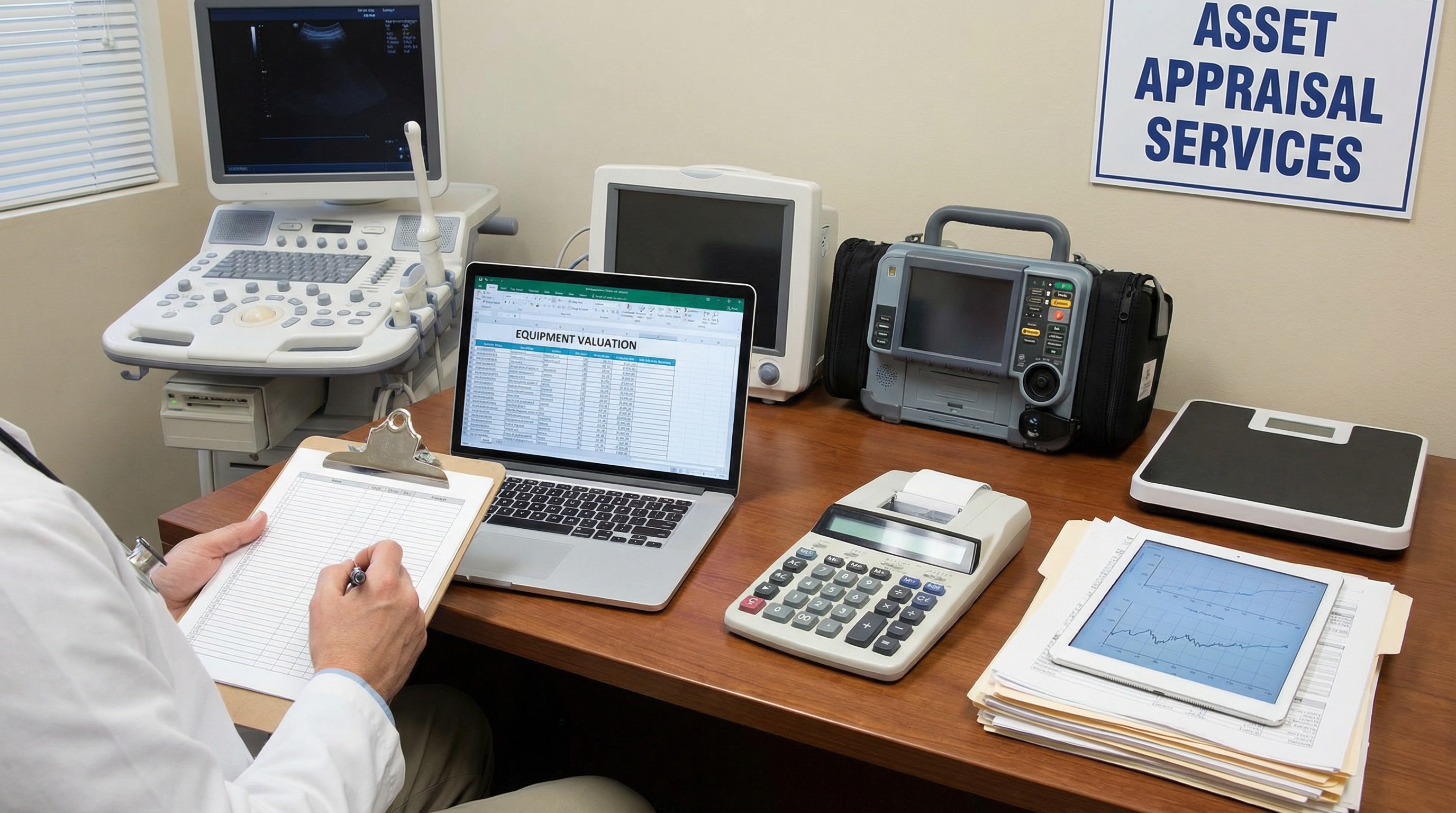
A medical equipment appraisal determines the fair market value of healthcare devices using standardized methodologies recognized by lenders, insurers, and regulatory bodies. Professional appraisers follow USPAP (Uniform Standards of Professional Appraisal Practice) guidelines to provide defensible valuations that hold up in audits, legal proceedings, and business transactions.
Key Insight: Medical equipment loses value faster than most assets due to rapid technological advances. Equipment that's 5-7 years old may have lost 60-80% of its original value, making accurate appraisals critical for financial planning.
This guide walks you through the complete valuation process, from understanding when you need an appraisal to choosing the right professional and preparing for the evaluation.
What is a medical equipment appraisal and when do you need one
A medical equipment appraisal is a formal assessment that determines the fair market value of healthcare devices at a specific point in time. Unlike a simple estimate or quote, an appraisal follows recognized standards and provides documentation that regulatory bodies, lenders, and courts accept as credible evidence of value.
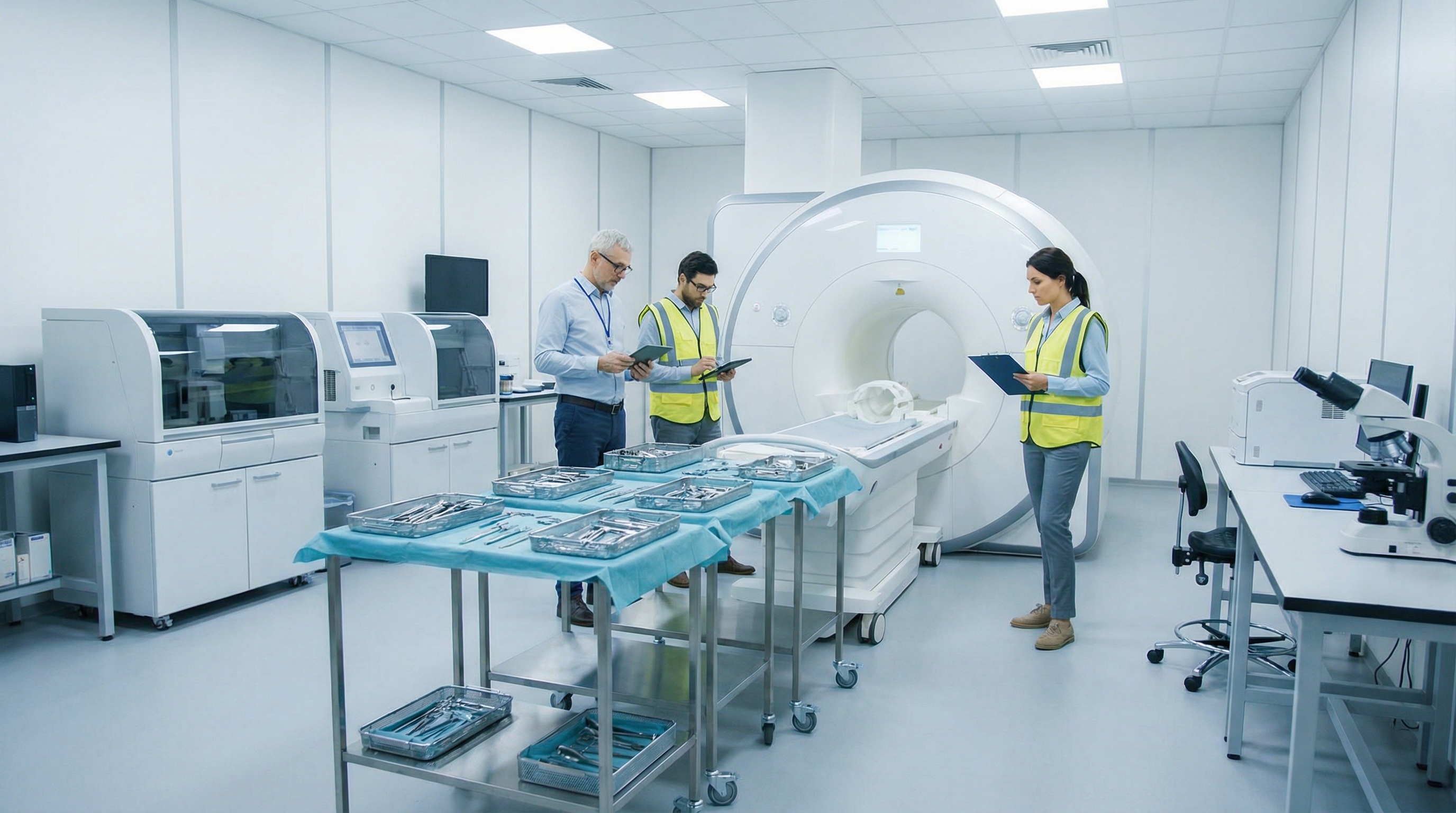
The appraisal covers various types of equipment including imaging systems (MRI, CT, X-ray), surgical instruments, laboratory analyzers, patient monitoring devices, and even medical furniture. The appraiser considers factors like age, condition, technological obsolescence, and market demand to reach a supportable value conclusion.
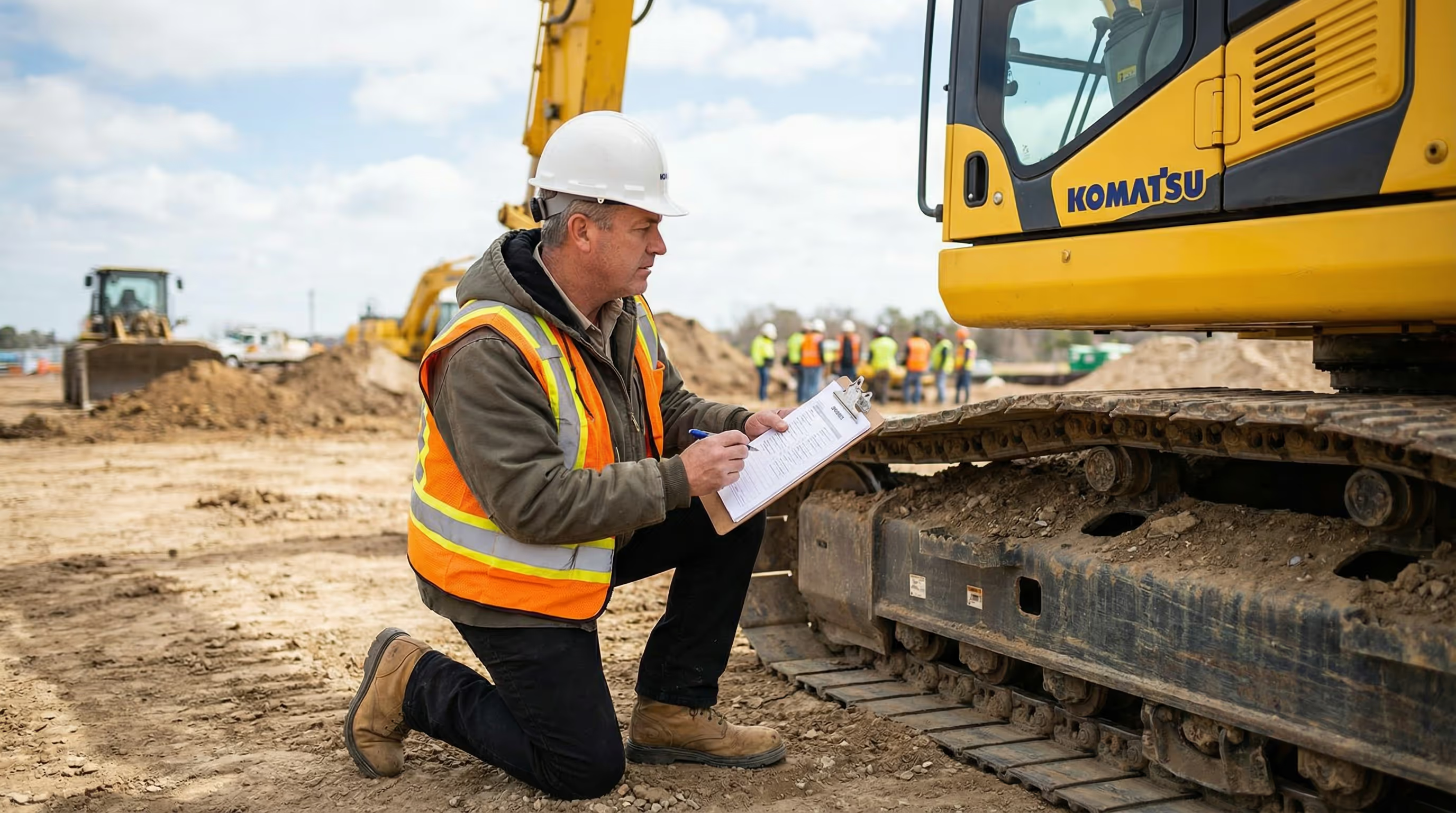
You typically need a formal appraisal when buying or selling a practice, securing financing, filing insurance claims, handling estate matters, or complying with tax regulations. Lenders require appraisals for equipment financing, while insurance companies need them to set coverage limits and process claims. The IRS also requires qualified appraisals for charitable donations exceeding $5,000 and certain business transactions. For more information about when to obtain a professional valuation, see our guide on how to know when you need a professional farm equipment appraisal.
The step-by-step medical equipment appraisal process
The appraisal process follows a systematic approach that ensures accuracy and defensibility. Understanding these steps helps you prepare effectively and know what to expect from your appraiser.
Step 1: Define scope and purpose
Your appraiser starts by clarifying the intended use of the appraisal, which determines the appropriate standard of value and methodology. A sale transaction might require fair market value, while insurance coverage could need replacement cost new.
Step 2: Collect documentation
You'll provide purchase invoices, maintenance records, service contracts, and asset lists. This documentation helps establish original cost, useful life, and current condition. Missing records don't prevent an appraisal but may affect accuracy.
Step 3: Conduct inspection
The appraiser examines each piece of equipment, noting condition, functionality, upgrades, and any modifications. For complex systems, they may request demonstration of key functions or review software versions and compliance certifications.
Pro Tip: Schedule inspections when equipment is operational and key staff are available. This allows the appraiser to verify functionality and gather detailed condition information, leading to more accurate valuations.
Step 4: Research market data
Professional appraisers access databases of comparable sales, auction results, and dealer pricing to understand current market conditions. They analyze how similar equipment has sold recently and adjust for differences in age, condition, and features.
Step 5: Apply valuation methods
Depending on the equipment type and intended use, appraisers may use cost approach (replacement cost less depreciation), market approach (comparable sales), or income approach (revenue generation potential). Most appraisals combine multiple methods for reliability. To learn more about these methodologies, explore our article on the basics of equipment & machinery appraisal.
Key valuation methods and factors that determine equipment value
Medical equipment appraisers use three primary valuation approaches, often combining them to reach the most supportable conclusion.
The cost approach calculates what it would cost to replace the equipment today, then subtracts depreciation for age, wear, and obsolescence. This method works well for newer equipment or specialized devices with limited resale markets. The appraiser considers original purchase price, installation costs, software licenses, and training expenses.
The market approach compares your equipment to similar items that have sold recently. Appraisers adjust for differences in age, condition, accessories, and geographic location. This method provides strong support when sufficient comparable sales exist, though medical equipment sales data can be limited compared to other asset types.
The income approach estimates value based on the equipment's ability to generate revenue. This method applies mainly to revenue-producing equipment like imaging systems in independent practices, where the appraiser can quantify cash flows attributable to the specific device.
| Valuation Method | Best Used For | Key Data Needed | Limitations |
|---|---|---|---|
| Cost Approach | Newer equipment, specialized devices | Purchase records, depreciation schedules | May not reflect market reality |
| Market Approach | Common equipment with sales data | Comparable sales, condition details | Limited data availability |
| Income Approach | Revenue-generating equipment | Financial statements, utilization rates | Complex calculations required |
Several factors significantly influence equipment value beyond basic age and condition. Technological obsolescence often impacts value more than physical wear, especially for imaging and laboratory equipment. Manufacturer support availability affects long-term usability, while regulatory compliance and safety certifications influence marketability. For insights into similar valuation considerations, check out our guide on understanding the value of laboratory equipment.
Preparing for your medical equipment appraisal
Proper preparation streamlines the appraisal process and helps ensure accurate results. Start by organizing your documentation well before the appraiser arrives.
Gather purchase invoices, lease agreements, and financing documents that establish original cost and acquisition dates. Collect maintenance records, service contracts, and calibration certificates that demonstrate proper care and compliance. Asset lists with serial numbers, model information, and current locations help the appraiser work efficiently.
Create an organized equipment inventory noting each item's department, room location, and asset tag numbers. Include information about recent upgrades, software updates, or major repairs that might affect value. If equipment has been relocated or modified since purchase, document these changes.
Important Note: Equipment that's properly maintained with complete documentation typically appraises for 10-15% higher values than similar items with poor records, as buyers pay premiums for well-documented assets.
Schedule the inspection when equipment is operational and key personnel are available. The appraiser may need to power up devices, review software interfaces, or discuss utilization patterns with clinical staff. Having your biomedical engineering team or service technicians available can help address technical questions. For a comprehensive preparation checklist, review our article on how to prepare for a lab equipment appraisal.
Consider timing carefully if you're planning major equipment changes. Appraisals reflect value as of a specific date, so significant purchases, disposals, or upgrades after that date won't be included in the current valuation.

Choosing the right medical equipment appraiser
Selecting a qualified appraiser ensures your valuation meets professional standards and serves its intended purpose effectively. Look for appraisers with specific healthcare equipment experience and recognized credentials.
Professional designations like ASA (American Society of Appraisers), AMEA (American Medical Equipment Appraisers), or CAGA (Certified Appraiser Guild of America) indicate formal training and ongoing education requirements. Verify that your appraiser follows USPAP standards, which provide the foundation for defensible appraisals accepted by courts, lenders, and regulatory agencies.
Experience with your specific equipment types matters significantly. An appraiser familiar with imaging equipment understands technology cycles, software dependencies, and regulatory requirements that affect value. Ask about their experience with similar facilities and equipment categories.
Independence is crucial, especially for financing, legal, or tax purposes. Your appraiser shouldn't have financial interests in the transaction outcome or relationships with potential buyers or sellers. Most lenders and regulatory bodies require independent appraisals to avoid conflicts of interest.
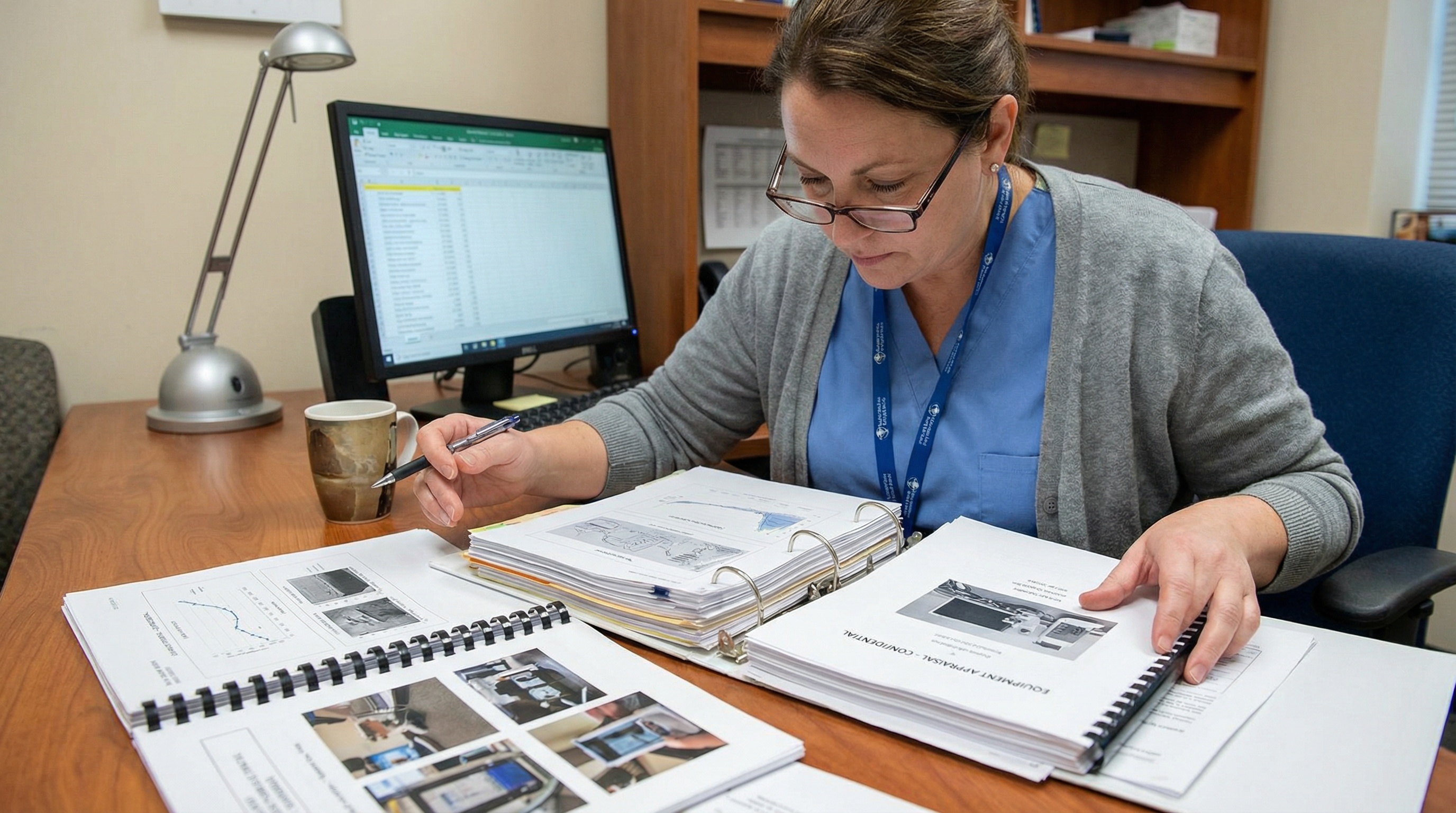
Request sample reports to understand the appraiser's methodology and documentation quality. A professional appraisal report includes detailed equipment descriptions, market research, methodology explanations, and clear value conclusions supported by evidence. For more guidance on selecting qualified professionals, see our article on how to choose the right appraiser for your equipment & machinery.
Working with a qualified medical equipment appraiser protects your interests whether you're buying, selling, financing, or managing healthcare assets. Professional appraisals provide the documentation and credibility you need for successful transactions, regulatory compliance, and risk management. When equipment values are properly established through recognized methodologies, you can negotiate confidently, secure appropriate financing, and maintain adequate insurance coverage for your valuable healthcare investments. To understand common pitfalls to avoid during the appraisal process, explore our guide on common mistakes to avoid when getting an equipment & machinery appraisal.