

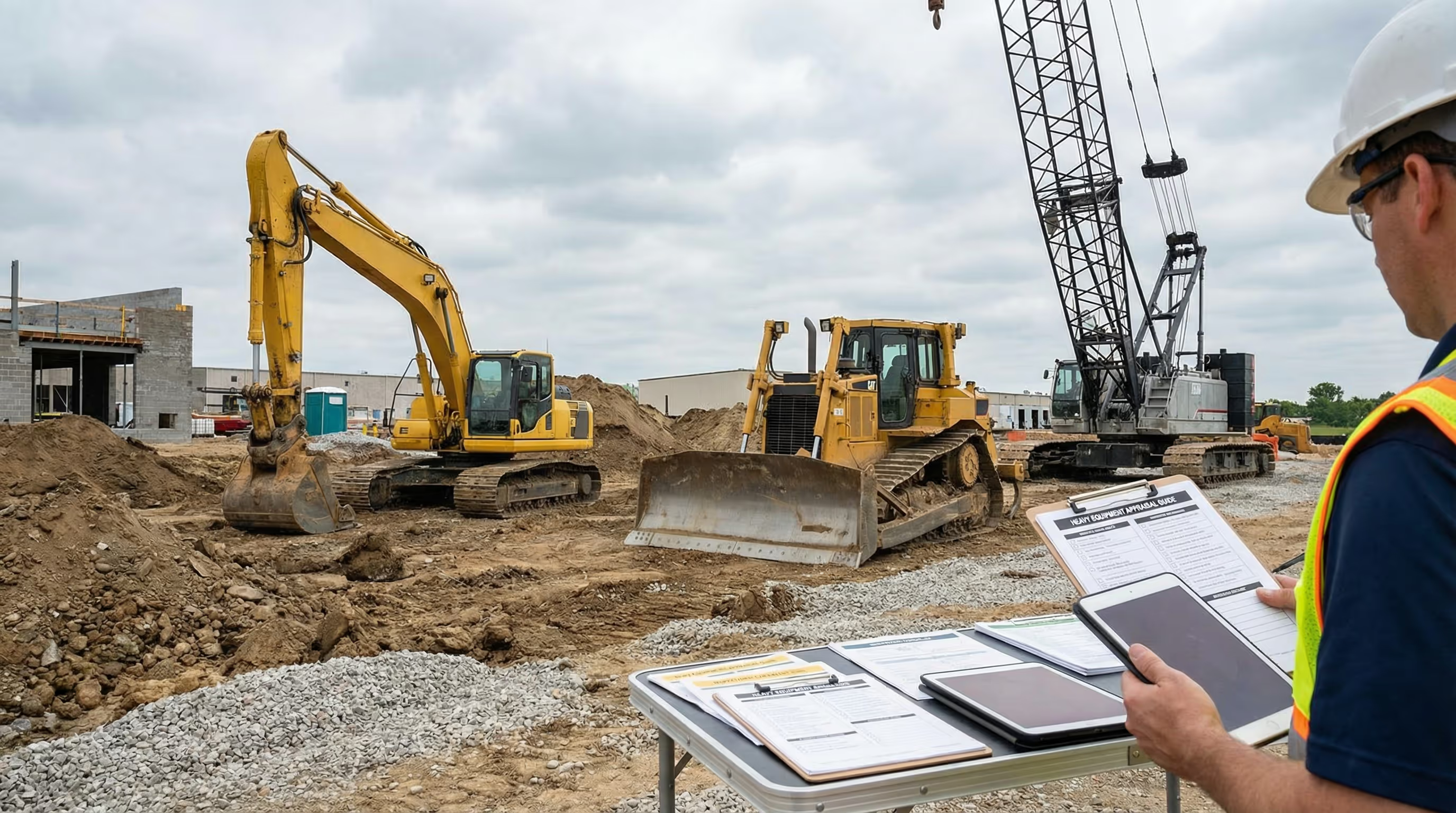






When you need financing for your construction business, insurance coverage for your fleet, or accurate valuations for tax purposes, a poorly prepared equipment appraisal can cost you thousands of dollars in missed opportunities or compliance issues. The difference between a rushed appraisal and a well-prepared one often determines whether you get the loan approval, insurance settlement, or tax benefits you need.
A construction equipment appraisal is a professional assessment that determines the fair market value of your machinery, from excavators and bulldozers to cranes and specialized attachments. The process involves detailed inspection, market research, and analysis following industry standards like USPAP (Uniform Standards of Professional Appraisal Practice).
Key insight: Proper preparation can reduce appraisal time by 30-40% and significantly improve accuracy, leading to better financing terms and fewer disputes with lenders or insurers.
This guide walks you through everything you need to know to prepare effectively, gather the right documentation, and ensure your appraisal meets professional standards for any business purpose.
Professional appraisers use three primary approaches to value construction equipment, and understanding these methods helps you prepare the right information and set realistic expectations.
The sales comparison approach looks at recent sales of similar equipment in the marketplace. Your appraiser will research comparable machines of the same make, model, age, and condition that have sold recently. This method works best for common equipment types with active secondary markets.
The cost approach calculates what it would cost to replace your equipment today, then subtracts depreciation based on age, usage, and condition. This approach is particularly useful for newer equipment or specialized machinery with limited comparable sales data.
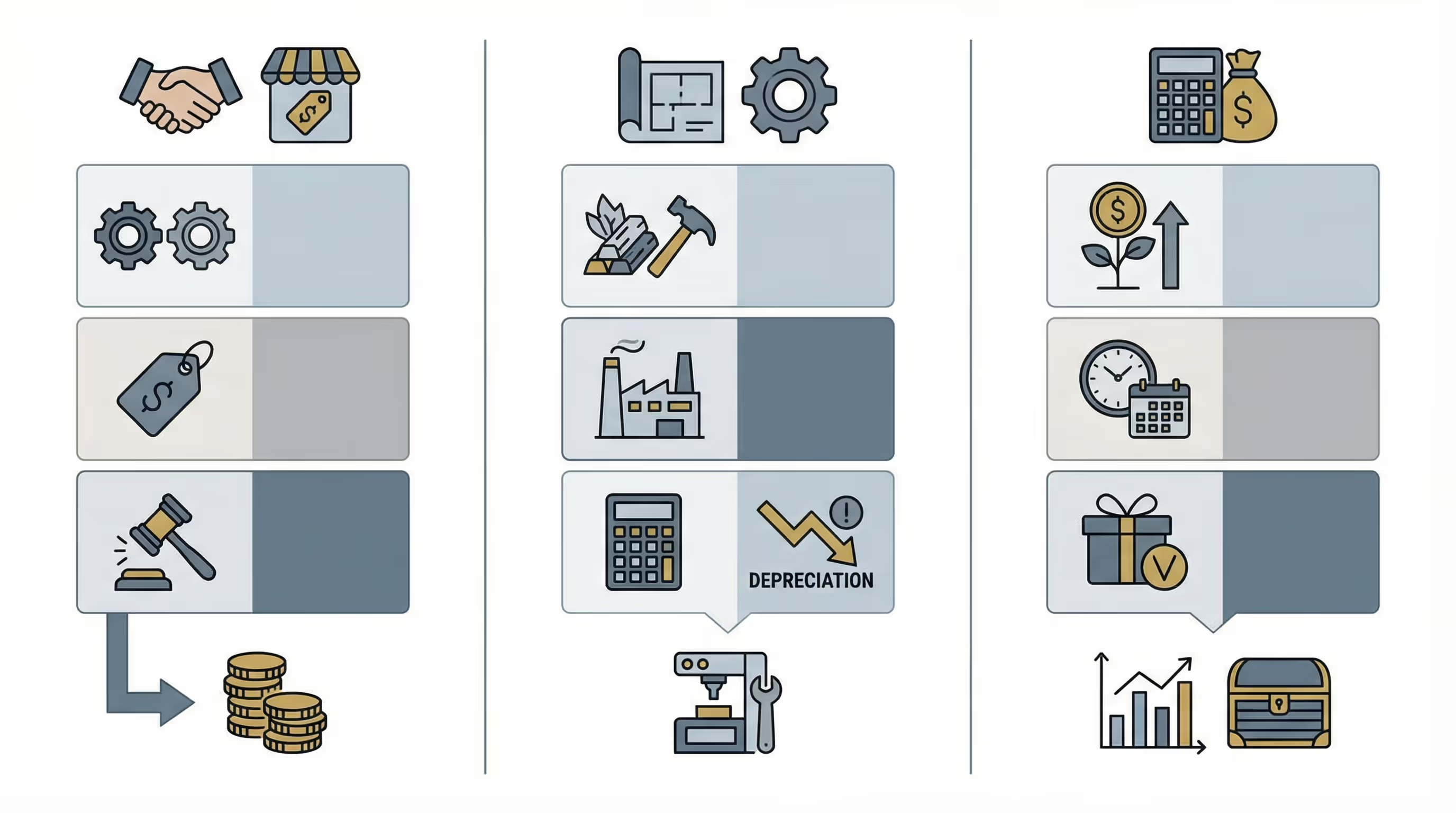
The income approach considers the revenue-generating potential of equipment, typically used for rental fleets or specialized machinery that produces measurable income streams. Most construction companies encounter this method when appraising equipment used in specific revenue-generating contracts.
Your appraiser will likely use a combination of these methods, with the final value reflecting the most appropriate approach for your specific equipment and intended use of the appraisal. Understanding the process of a construction equipment appraisal helps you better prepare for what's ahead.
Several critical factors influence your construction equipment's appraised value, and understanding these helps you present your assets in the best possible light.
Age and usage hours are primary considerations. A five-year-old excavator with 2,000 hours will typically appraise higher than the same model with 5,000 hours, even if both appear to be in similar condition. Keep detailed records of operating hours, as estimates can hurt your valuation.
Maintenance history and current condition significantly impact value. Well-maintained equipment with documented service records commands premium pricing. Before the appraisal, ensure your equipment is clean, operational, and any minor repairs are completed.
Market demand and availability for your specific make and model affects value. Popular brands like Caterpillar or John Deere often maintain stronger resale values, while discontinued models or less common brands may face valuation challenges.
Important note: Equipment modifications, attachments, and recent upgrades can add substantial value, but only if properly documented with receipts and installation records.
Economic conditions in your local construction market also play a role. During busy construction periods, equipment values typically increase due to higher demand, while economic downturns can depress values across all equipment categories.
Proper preparation begins weeks before your appraiser arrives on site. Following this systematic approach ensures you have everything ready and maximizes the accuracy of your appraisal.
Step 1: Define your appraisal purpose and scope. Different purposes require different approaches. Insurance appraisals focus on replacement cost, while loan collateral appraisals emphasize fair market value. Be clear about your intended use when engaging an appraiser.
Step 2: Create a comprehensive asset inventory. List every piece of equipment to be appraised, including make, model, serial number, year, and current location. Include attachments, modifications, and any equipment that might be easily overlooked, such as generators or smaller tools.
Step 3: Gather supporting documentation. Collect purchase invoices, financing documents, maintenance records, warranty information, and any recent repair receipts. The more complete your documentation, the more accurate your appraisal will be. Learn more about common mistakes to avoid when getting an equipment & machinery appraisal to ensure you don't miss critical steps.
Step 4: Prepare equipment for inspection. Clean all equipment thoroughly, ensure it's operational, and make it easily accessible. If equipment is stored in multiple locations, coordinate access and notify site managers about the upcoming inspection.
Step 5: Coordinate logistics with your appraiser. Confirm inspection dates, provide site access information, and ensure knowledgeable staff will be available to answer questions about equipment history and usage patterns.

Having the right paperwork ready streamlines the appraisal process and supports higher valuations. Create a file for each piece of equipment containing these essential documents.
Core equipment data should include original purchase invoices, financing agreements, and any lease documents. These establish acquisition cost and help appraisers understand the equipment's financial history.
Maintenance and repair records demonstrate how well you've cared for your equipment. Include scheduled maintenance logs, major repair invoices, and any warranty work performed. This documentation can significantly impact condition assessments.
Operational information such as hour meter readings, usage logs, and any specialized training records for operators helps appraisers understand actual wear and tear versus chronological age.
Document TypePurposeImpact on ValuePurchase recordsEstablish acquisition cost and historyHigh - provides baseline valueMaintenance logsDemonstrate care and conditionHigh - supports condition ratingsHour meter readingsShow actual usage vs. ageMedium - affects depreciation calculationsUpgrade receiptsDocument improvements and additionsMedium - can add significant value
Upgrade and modification documentation includes receipts for any improvements, attachments, or specialized equipment added after purchase. These additions often represent substantial value that could be missed without proper documentation.
Keep digital copies of all documents organized by equipment serial number or asset tag. This organization makes the appraiser's job easier and demonstrates the professionalism of your operation, which can positively influence their assessment. For those dealing with similar challenges in other industries, preparing for a heavy machinery appraisal follows comparable best practices.
Pro tip: Create a simple spreadsheet tracking key information for each piece of equipment. This becomes invaluable for insurance purposes and future appraisals, even beyond your immediate needs.
Preparing thoroughly for your construction equipment appraisal protects your business interests and ensures you receive accurate, defensible valuations. The time invested in gathering documentation, cleaning equipment, and organizing information pays dividends through more precise valuations and smoother business transactions. If you're wondering how to choose the right appraiser for construction equipment, consider their credentials, experience, and understanding of industry standards.
Remember that a well-prepared appraisal serves multiple purposes beyond your immediate needs. It becomes a valuable business tool for insurance planning, financial reporting, and strategic decision-making about equipment replacement or expansion. Working with qualified, USPAP-compliant appraisers ensures your valuations meet professional standards and stand up to scrutiny from lenders, insurers, and regulatory authorities. To learn more about what you need to know about construction equipment appraisals, explore additional resources that can help you maximize the value of your investment.
You'll need a complete asset list with make, model, serial numbers, and operating hours for each piece of equipment. Additionally, gather purchase invoices, titles and registrations, maintenance records, warranty information, and any previous appraisal reports. Having organized documentation helps ensure a more accurate valuation and can reduce appraisal time by 30-40%.
The timeline depends on your fleet size and complexity. On-site inspections typically take one day for smaller fleets, while larger operations may require multiple days. After the inspection, appraisers need several days to complete market research and prepare the USPAP-compliant report. Proper preparation can significantly reduce the overall timeframe.
Most construction businesses reappraise their equipment every 1-3 years, depending on market conditions and business needs. You should consider reappraising sooner when applying for new financing, renewing insurance, after major equipment upgrades, or during significant market changes that could affect equipment values.
USPAP (Uniform Standards of Professional Appraisal Practice) sets ethical and technical standards for credible appraisals. USPAP-compliant equipment appraisals are required or strongly preferred by lenders, the IRS, courts, and insurance companies because they ensure the valuation meets professional standards and can be legally defended if challenged.




