Whether you're securing financing for a new excavator, settling an insurance claim after equipment damage, or dividing assets in a business sale, knowing the true value of your construction equipment is critical. Without a certified appraisal, you risk overpaying for equipment, underinsuring valuable assets, or facing disputes over fair market value.
A construction equipment appraisal is a systematic evaluation that determines the fair market value of machinery like excavators, bulldozers, cranes, and loaders. This process follows established standards and provides defensible documentation for banks, insurance companies, courts, and tax authorities.
Key insight: Construction equipment appraisals typically take 3-7 days for single units and up to two weeks for large fleets, depending on complexity and location accessibility.
This guide walks you through the complete appraisal process, from initial consultation to final report delivery, helping you understand what to expect and how to prepare for the most accurate valuation possible.
Construction equipment appraisal is an independent, professional assessment that determines the monetary value of heavy machinery and construction equipment. Certified appraisers follow Uniform Standards of Professional Appraisal Practice (USPAP) guidelines to ensure accuracy and legal defensibility.
The appraisal covers various equipment types including excavators, bulldozers, cranes, loaders, dump trucks, compactors, and specialized attachments. Appraisers evaluate each piece based on its condition, age, market demand, and intended use to establish a credible value conclusion.
You'll need a construction equipment appraisal for several critical business situations. Lenders require appraisals when using equipment as collateral for financing or refinancing. Insurance companies need current valuations for coverage placement and claim settlements. During mergers, acquisitions, or business sales, appraisals ensure fair asset division and accurate financial reporting.
Legal proceedings also demand professional appraisals. Estate settlements, divorce proceedings, and litigation disputes require independent valuations that courts will accept. Similar to appraising industrial equipment, tax planning and financial audits often require certified appraisals to support depreciation schedules and asset valuations on balance sheets.

The appraisal process begins with an initial consultation where you discuss your specific needs and timeline. The appraiser will ask about the equipment types, locations, and intended use of the appraisal report. This conversation helps determine the appropriate scope and level of service required.
Next comes the formal engagement phase. You'll receive an engagement letter outlining the assignment scope, applicable standards, intended use, and fee structure. This document establishes the legal framework and ensures both parties understand expectations before work begins.
Asset identification and data collection follow the engagement. You'll provide detailed equipment lists including make, model, serial numbers, years, and locations. The appraiser may request purchase documents, maintenance records, and operating data to support their analysis.
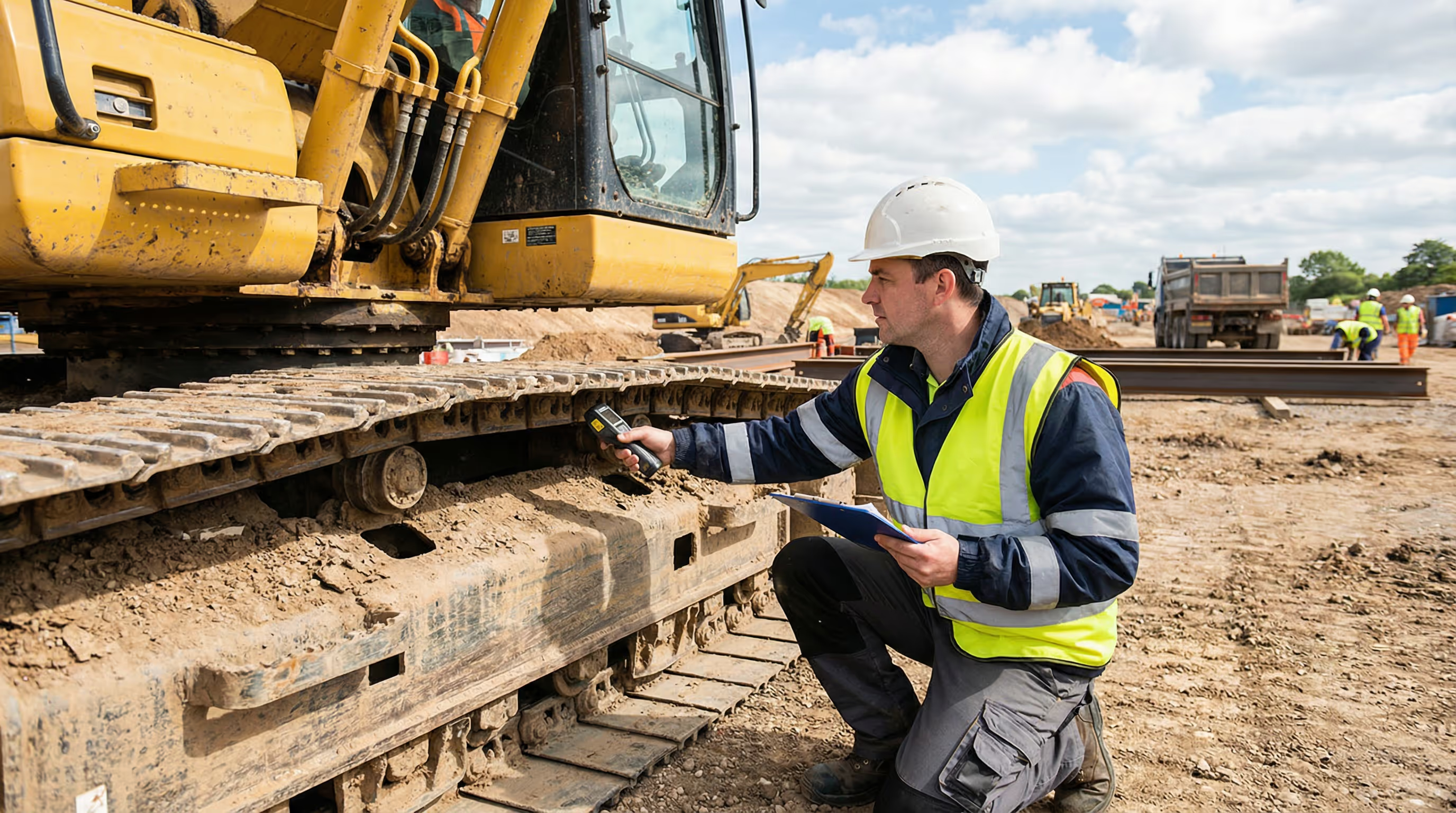
The inspection phase involves either on-site visits or virtual assessments depending on your needs and budget. During physical inspections, appraisers examine equipment condition, verify specifications, document modifications, and photograph each unit. Virtual appraisals rely on detailed photos and video calls but may have limitations for complex valuations.
Market research and valuation method selection come next. Appraisers analyze recent sales data, auction results, dealer pricing, and industry trends to support their value conclusions. They select the most appropriate valuation approach based on equipment type, market conditions, and intended use.
Important note: The most reliable appraisals combine multiple valuation approaches to cross-check results and ensure accuracy across different market scenarios.
Finally, the appraiser prepares and delivers the formal report. Draft reports allow for client review and clarification before final certification. The completed appraisal report includes detailed descriptions, photographs, market analysis, and certified value conclusions that meet professional standards.
Construction equipment appraisers use three primary valuation approaches, each suited to different circumstances and equipment types. Understanding these methods helps you appreciate how appraisers reach their conclusions and why values may vary between approaches.
The cost approach calculates what it would cost to replace the equipment with new units of similar utility, then subtracts depreciation for age, wear, and obsolescence. This method works well for newer equipment or specialized machinery with limited sales data. Appraisers consider physical deterioration, functional obsolescence, and economic obsolescence when calculating depreciation.
The market approach compares your equipment to recent sales of similar units, adjusting for differences in age, condition, hours, and features. This method provides the most reliable values when sufficient comparable sales exist. Appraisers analyze auction results, dealer transactions, and private sales to establish market trends and pricing patterns.
The income approach estimates value based on the equipment's ability to generate future income streams. This method applies primarily to rental equipment or machinery with identifiable revenue generation. Appraisers project future cash flows and discount them to present value using appropriate capitalization rates.
Most construction equipment appraisals rely heavily on the market approach when sufficient data exists, supplemented by cost approach analysis for verification. The income approach sees limited use except for specialized rental equipment or unique circumstances where income generation is the primary value driver. For more details on different types and applications of equipment machinery appraising, understanding these methodologies is essential.

Equipment age and operating hours significantly impact value, with newer machines commanding premium prices. However, well-maintained older equipment can retain substantial value if properly serviced and operated within normal parameters. Appraisers examine hour meters, maintenance logs, and operating conditions to assess the relationship between age and actual wear.
Overall condition and maintenance history play crucial roles in valuation. Equipment with complete service records, regular maintenance, and minimal wear typically appraises higher than neglected machinery. Appraisers look for signs of proper care including clean fluids, functioning systems, and documented repairs by qualified technicians.
Brand reputation and model popularity affect market demand and resale values. Established manufacturers like Caterpillar, John Deere, and Komatsu typically maintain stronger residual values than lesser-known brands. Popular models with proven reliability and parts availability command premium pricing in secondary markets.
Attachments, options, and technology features add significant value to base equipment. GPS systems, grade control technology, advanced hydraulics, and specialized attachments increase both productivity and market appeal. Appraisers carefully document all options and assess their contribution to overall equipment value.
Market reality: Construction equipment values can vary by 20-30% between different geographic regions due to local demand, economic conditions, and industry activity levels.
Regulatory compliance and emissions standards increasingly influence equipment values. Newer emissions standards, safety features, and regulatory compliance can make older equipment less desirable or even unmarketable in certain jurisdictions. Appraisers consider current and future regulatory requirements when assessing long-term value retention.
Proper preparation significantly improves appraisal accuracy and can reduce both time and costs. Start by gathering complete equipment identification information including manufacturer, model, serial number, year of manufacture, and engine details. This basic data helps appraisers research specifications and identify comparable sales.
Compile all relevant documentation including purchase invoices, lease agreements, loan documents, and titles. These papers verify ownership, purchase prices, and financing arrangements that may affect the appraisal. Original equipment manufacturer specifications and options lists help appraisers understand factory configurations and added features.
Organize maintenance and repair records showing service history, major repairs, rebuilds, and component replacements. Complete maintenance logs demonstrate proper care and help appraisers assess remaining useful life. Include warranty information and any recent inspection reports that document current condition.
Document operating data such as hour meters, mileage readings, and utilization patterns. This information helps appraisers understand wear patterns and remaining economic life. Note any periods of storage, seasonal use, or unusual operating conditions that might affect normal depreciation patterns.
Prepare detailed condition notes and high-quality photographs if requesting a desktop appraisal. Include overall views, close-ups of wear areas, operator stations, and any damage or modifications. Clear photos can significantly improve the accuracy of remote valuations while reducing costs compared to on-site inspections. For comprehensive guidance, review our tips for getting the most accurate construction equipment appraisal.
Ensure equipment accessibility for physical inspections by clearing work areas, providing safe access, and arranging for equipment to be clean and operational when possible. Coordinate site access, parking, and any safety requirements with the appraiser to avoid delays or additional charges.
The construction equipment appraisal process provides essential documentation for financing, insurance, legal, and business planning purposes. By understanding the methodology, preparing thoroughly, and working with qualified professionals, you can obtain reliable valuations that protect your interests and support informed decision-making.
Professional appraisals from certified experts give you confidence in negotiations, strengthen your position with lenders and insurers, and provide defensible documentation for any legal or financial requirements. When you need construction equipment appraised, choose the right appraiser for construction equipment who understands your industry and follows recognized professional standards. Understanding common questions about construction equipment appraisals will help you navigate the process with confidence.
Construction equipment appraisals typically take 3-7 days for single units and up to two weeks for large fleets, depending on complexity and location accessibility. The timeline depends on factors like the number of assets, completeness of documentation, and whether on-site inspections are required. Providing complete asset lists and maintenance records upfront can significantly speed up the process.
You should provide detailed equipment identification including make, model, serial numbers, year of manufacture, and operating hours. Additionally, gather purchase documents, maintenance records, repair history, and clear photographs of each unit. Having complete documentation helps ensure the most accurate valuation and reduces appraisal time and costs.
Fair market value represents the price equipment would sell for between willing buyers and sellers in an open market with adequate time for marketing. Liquidation value reflects what the equipment would bring in a forced or time-constrained sale, typically at auction, which is usually lower than fair market value. The appropriate value type depends on your specific needs and intended use of the appraisal.
Certified appraisers follow Uniform Standards of Professional Appraisal Practice (USPAP) guidelines, ensuring accuracy and legal defensibility. Banks, insurance companies, courts, and tax authorities typically require appraisals from qualified, independent professionals. Using a certified appraiser reduces the risk of disputes and ensures your appraisal will be accepted for financing, insurance, legal proceedings, and tax purposes.