When you need to value your construction equipment for a loan, insurance claim, or business transaction, choosing the wrong appraiser can cost you thousands. An unqualified appraiser might undervalue your assets, leading to insufficient insurance coverage or loan rejection. Worse yet, their report might not meet IRS or USPAP standards, creating legal complications down the road.
The key to avoiding these costly mistakes lies in understanding what makes a construction equipment appraiser truly qualified. You need someone with specific industry experience, proper credentials, and a track record of producing defensible reports that banks, insurers, and courts will accept.
Quick Answer: Look for appraisers with ASA, CMEA, or MRICS credentials who specialize in construction equipment and follow USPAP standards. Always verify their experience with your specific equipment type and request sample reports before hiring.
This guide walks you through the essential factors to evaluate when selecting a construction equipment appraiser, from professional qualifications to report quality expectations. By the end, you'll have a clear checklist to ensure you choose an appraiser who delivers accurate, defensible valuations.
A construction equipment appraiser provides an unbiased, professional opinion of your equipment's market value. Unlike a consultant who offers strategic advice, an appraiser delivers a certified report that meets specific legal and regulatory standards.
Banks require these reports for equipment loans because they need accurate collateral values. Insurance companies use them to determine coverage limits and settle claims. The IRS accepts certified appraisals for tax purposes, including charitable donations and estate planning. Courts rely on them during litigation and divorce proceedings.

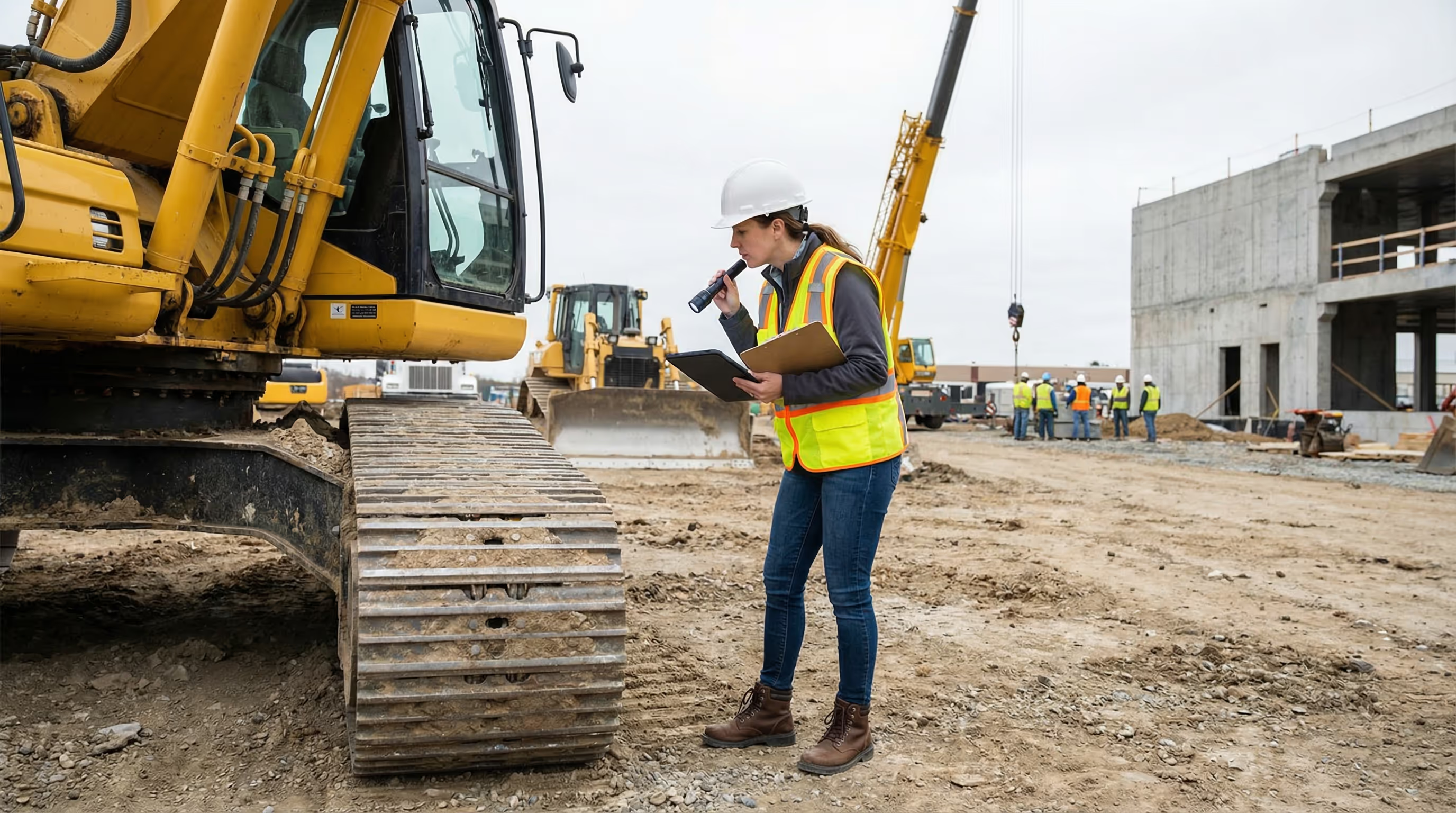
The appraiser's job involves more than just estimating value. They must inspect equipment condition, research comparable sales, analyze market trends, and document everything according to Uniform Standards of Professional Appraisal Practice (USPAP). This creates a defensible report that withstands scrutiny from lenders, insurers, and legal professionals.
Not every appraiser can handle construction equipment properly. Heavy machinery requires specialized knowledge of depreciation patterns, market conditions, and technical specifications that general appraisers often lack. To better understand the basics of construction equipment appraisals, it's essential to recognize the unique challenges these assets present.
The most important qualification to look for is accreditation from a recognized professional organization. The American Society of Appraisers (ASA) offers the gold standard for machinery and equipment appraisals. Their Accredited Member (AM) and Accredited Senior Appraiser (ASA) designations require extensive training, testing, and peer review.
The Certified Machinery and Equipment Appraiser (CMEA) credential from the National Equipment Appraisers focuses specifically on machinery valuation. Members of the Royal Institution of Chartered Surveyors (MRICS) also provide high-quality equipment appraisals, particularly for international transactions.
These credentials matter because they ensure the appraiser understands USPAP requirements and follows consistent methodology. Accredited appraisers must complete continuing education to maintain their designations, keeping them current on market trends and regulatory changes. Understanding why certification matters for appraisers of equipment and machinery can help you make an informed decision.
Important Note: IRS regulations require qualified appraisers for donations over $5,000 and estate valuations. Only appraisers with recognized credentials can provide reports that meet these federal requirements.
Always ask to see proof of current accreditation. Legitimate appraisers will gladly share their credentials and explain their qualifications. Be wary of anyone who can't provide clear documentation of their professional standing.
Experience with construction equipment specifically sets qualified appraisers apart from generalists. You want someone who regularly appraises excavators, bulldozers, cranes, and other heavy machinery. They should understand how construction equipment depreciates, what affects resale values, and where to find reliable market data.
Ask potential appraisers about their recent construction equipment assignments. How many excavators have they appraised this year? Do they understand the difference between a track hoe and a wheel loader? Can they explain how hour meters affect equipment values?
Industry knowledge extends beyond just equipment types. A qualified appraiser understands construction market cycles, regional value differences, and how equipment condition impacts worth. They know which brands hold value better and how attachments affect overall equipment worth. For more guidance on what to consider when choosing an appraisal company for equipment and machinery valuation, review the key evaluation criteria.
Professional reputation provides another crucial evaluation criterion. Request references from recent clients, particularly those in similar situations to yours. A bank financing construction equipment or an insurance company handling claims can tell you whether the appraiser's reports met their standards.
Communication skills matter more than you might expect. Your appraiser should explain their process clearly, provide realistic timelines, and answer questions promptly. They should also be transparent about fees and what's included in their service.
A professional construction equipment appraisal report contains several essential elements that distinguish it from a simple estimate. The report must clearly state its purpose, whether for loan collateral, insurance coverage, or tax purposes. Different purposes may require different value definitions, such as fair market value versus replacement cost.

Equipment descriptions should include make, model, serial numbers, year of manufacture, and current condition. Quality reports include photographs showing overall condition and any significant wear or damage. Hour meter readings, maintenance records, and recent repairs all factor into the final valuation.
The methodology section explains how the appraiser reached their conclusion. This typically involves comparing your equipment to recent sales of similar items, considering replacement costs, and analyzing market conditions. The appraiser should cite their data sources and explain any adjustments made for differences in condition, location, or timing.
Report ComponentWhat It Should IncludeEquipment DetailsMake, model, serial number, year, hours, conditionValuation MethodMarket approach, cost approach, or income approachSupporting DataComparable sales, market research, condition photosCertificationAppraiser credentials and USPAP compliance statement
Every legitimate report includes a certification statement where the appraiser confirms they have no bias toward the equipment's value and followed professional standards. This certification makes the report legally defensible and acceptable to third parties. Learn more about understanding the process of a construction equipment appraisal to know what to expect.
Before committing to any appraiser, ask these critical questions to ensure they meet your needs. First, confirm their credentials by asking which professional organizations they belong to and when their certifications expire. Request to see their current membership certificates.
Inquire about their specific experience with your type of construction equipment. How many similar appraisals have they completed in the past year? Can they provide examples of recent reports for equipment similar to yours?
Discuss the appraisal process in detail. Will they inspect the equipment in person or rely on photos and documentation? What information do they need from you to complete the appraisal? How long will the process take from start to finish? For a comprehensive list, review these essential questions to ask before getting an equipment & machinery appraisal.
Get clear information about costs upfront. What does their fee include? Are there additional charges for travel, multiple locations, or rush service? When is payment due, and what happens if you need to cancel or reschedule?
Pro Tip: Ask for a sample report from a previous appraisal (with client information redacted). This shows you exactly what you'll receive and helps you evaluate the appraiser's work quality before hiring them.
Finally, verify their insurance coverage. Professional appraisers should carry errors and omissions insurance to protect against mistakes in their valuations. This coverage protects both you and the appraiser if problems arise with the appraisal later.
The right construction equipment appraiser combines professional credentials, industry expertise, and clear communication to deliver reports you can trust. Take time to evaluate potential appraisers thoroughly, ask the right questions, and verify their qualifications. This upfront effort ensures you receive accurate valuations that serve your business needs and meet all regulatory requirements. To avoid pitfalls, be aware of common mistakes to avoid when getting an equipment & machinery appraisal. When you find an appraiser who checks all these boxes, you've found a valuable partner for your equipment valuation needs.
A qualified construction equipment appraiser should hold accreditation from recognized organizations like the American Society of Appraisers (ASA), Certified Machinery and Equipment Appraiser (CMEA), or Royal Institution of Chartered Surveyors (MRICS). They must follow USPAP standards, have specific experience appraising construction equipment, and maintain professional liability insurance. These credentials ensure their reports will be accepted by banks, insurers, and the IRS.
Construction equipment appraisal costs typically range from a few hundred dollars for a single machine to several thousand dollars for larger fleets or multi-site projects. Factors affecting price include the number of assets, geographic locations, whether on-site inspection is required, report complexity, and turnaround time. Always request a written estimate that includes all fees before proceeding.
Most construction equipment appraisals take 1-3 weeks to complete, depending on project complexity. Simple single-machine appraisals may be finished in a few days, while large fleets or multi-location projects can take several weeks. Factors that affect timing include equipment accessibility, availability of maintenance records, number of comparable sales to research, and report detail requirements.
A professional construction equipment appraisal report should include detailed equipment descriptions (make, model, serial numbers, year, condition), photographs, valuation methodology explanation, comparable sales data, market analysis, and clear value conclusions. The report must also contain the appraiser's certification statement, assumptions and limiting conditions, and compliance with USPAP standards to ensure acceptance by lenders, insurers, and courts.