Not all appraisals are the same, and the type of value you need depends on your specific purpose. Understanding these differences helps you communicate clearly with your appraiser and ensures you get the right type of valuation.
Fair market value represents what your equipment would sell for between willing buyers and sellers in an open market. This is most common for financing, insurance, and general business purposes. Replacement cost shows what it would cost to replace your equipment with similar functionality, often used for insurance coverage decisions.
Liquidation values come in two forms: orderly liquidation assumes you have reasonable time to market and sell equipment, while forced liquidation reflects quick-sale scenarios like bankruptcy or urgent cash needs. These values are typically 20-40% lower than fair market value.
Your appraiser may also use cost, sales comparison, or income approaches depending on your equipment type and intended use of the appraisal. For more insights on what are the different types of heavy machinery appraisals, consult with a qualified professional.

Several factors significantly impact your equipment's appraised value, and understanding these helps you prepare more effectively. Age and operating hours are primary considerations, but they're not the whole story.
Condition and maintenance history often matter more than age alone. Well-maintained older equipment can be worth more than newer machines with poor maintenance records. Your maintenance logs, repair receipts, and service records provide crucial evidence of proper care.
Brand reputation and demand in your local market affect value substantially. Popular brands with strong dealer networks and parts availability typically hold value better. Technology and obsolescence also play roles, especially for specialized equipment where newer models offer significant improvements.
Attachments and accessories can add considerable value, particularly if they're specialized or expensive to replace separately. Location matters too, as transportation costs affect what buyers are willing to pay in different regions.
Pro Tip: Equipment with complete maintenance records typically appraises 10-15% higher than similar machines without documentation, because appraisers can verify proper care and predict remaining useful life more accurately.
Understanding the appraisal process helps you prepare appropriately and know what to expect at each stage. Most professional appraisals follow a structured five-step approach.
Initial consultation involves discussing your needs, timeline, and the scope of work. Your appraiser will explain which value type best serves your purpose and outline their approach. This is when you'll discuss logistics like site access and scheduling.
Asset list and documentation review happens next, where you provide detailed information about each piece of equipment. The appraiser reviews your maintenance records, purchase documents, and any previous appraisals to understand your equipment's history.
On-site inspection is typically the most time-intensive step. The appraiser examines each machine's condition, takes photographs, records serial numbers and hour readings, and may test basic functions. Having equipment clean and accessible speeds this process considerably.
Market research and analysis occurs after the inspection, where the appraiser researches comparable sales, dealer prices, and market conditions. This desktop work usually takes several days to complete thoroughly.
Report preparation and delivery concludes the process. Professional reports include detailed descriptions, photographs, market data, and clear value conclusions that meet industry standards for your intended use. Learn more about the process of heavy machinery appraisal to understand what happens at each stage.
Proper preparation makes the difference between a smooth, efficient appraisal and a frustrating, expensive experience. Start organizing at least two weeks before your scheduled appraisal date.
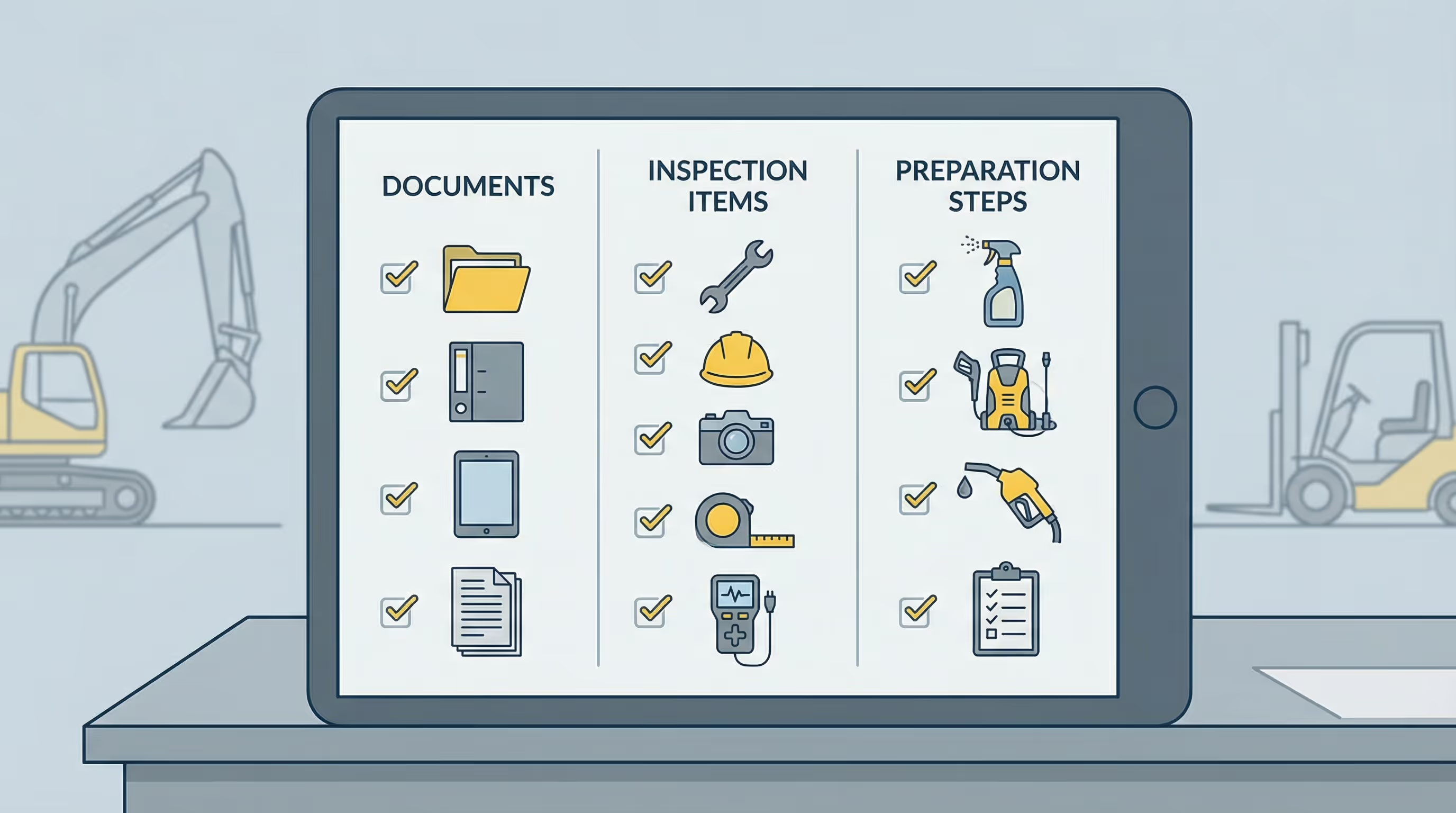
Gather all documentation first. You'll need purchase invoices, financing documents, titles or registration papers, maintenance logs, major repair receipts, warranty information, and any previous appraisals. Organize these by machine or in chronological order for easy reference.
Prepare your equipment by cleaning machines so appraisers can see condition clearly and access identification plates. Charge batteries, locate keys, and ensure basic functions work if possible. Move equipment to accessible locations where appraisers can walk around and photograph all sides safely.
Create a comprehensive asset list with make, model, year, serial number, and current hour or mileage readings for each machine. Include attachments, accessories, and any recent modifications. This list becomes the foundation for the entire appraisal process.
Coordinate site access and safety requirements by identifying who will escort the appraiser, what personal protective equipment is required, and whether any special permissions are needed. If equipment is at multiple locations, plan the most efficient inspection route.
Clarify your appraisal's purpose with your appraiser so they use appropriate valuation methods and include necessary language for your intended use, whether that's lending, insurance, taxation, or litigation support.

Heavy machinery appraisals typically take one to three weeks from start to finish, depending on several factors. Simple appraisals of a few machines at one location might be completed in a week, while complex multi-location fleet appraisals can take a month or more.
Inspection time varies based on equipment quantity and complexity. Plan on 30-60 minutes per machine for thorough inspection, plus travel time between locations. Report preparation usually takes 3-7 business days after inspection completion.
Costs typically range from $500 to $5,000 per appraisal, depending on equipment value, quantity, and complexity. Many appraisers charge flat fees for straightforward assignments or hourly rates for complex projects. Travel costs may apply for distant locations. For detailed information on the cost of heavy machinery appraisal, consider requesting quotes from multiple qualified appraisers.
Good preparation reduces both time and cost by eliminating delays, reducing follow-up questions, and allowing appraisers to work efficiently during site visits.
Money-Saving Insight: Appraisals of well-organized equipment with complete documentation typically cost 20-30% less than those requiring extensive research or multiple site visits to gather missing information.
Choosing the right appraiser ensures you get a credible, defensible valuation that serves your needs effectively. Look for professionals with relevant experience in your equipment types and appropriate credentials from recognized organizations.
Professional standards like USPAP (Uniform Standards of Professional Appraisal Practice) govern most commercial appraisals. Key credentials include designations from the American Society of Appraisers (ASA), National Equipment Appraisal Association, or similar organizations that require education, experience, and ongoing training.
Ask potential appraisers about their experience with your equipment types, recent comparable assignments, and whether their reports will be accepted by your intended users like banks, insurance companies, or courts. When you're ready to take the next step, learn how to find a qualified heavy machinery appraiser who meets your specific needs.
Getting your heavy machinery professionally appraised doesn't have to be complicated or stressful. With proper preparation and the right appraiser, you'll have the documented values you need to make confident business decisions, secure appropriate financing and insurance coverage, and protect your significant equipment investments.
Ready to move forward? Start by gathering your equipment documentation and creating that comprehensive asset list. Having these basics organized puts you well ahead of most equipment owners and sets the stage for a smooth, efficient appraisal process that delivers the reliable values your business needs.
You'll need ownership documents (purchase invoices, titles, financing papers), maintenance records (service logs, repair receipts, warranty work), technical documentation (manuals, spec sheets), and usage information (hour meters, operator logs). Having complete documentation can increase your equipment's appraised value by 10-15% because it demonstrates proper care and helps appraisers verify condition and remaining useful life.
Most heavy machinery appraisals take 1-3 weeks from start to finish, depending on equipment quantity and complexity. Simple appraisals of a few machines at one location might be completed in a week, while large fleet appraisals across multiple sites can take a month or more. Well-prepared appraisals with organized documentation and accessible equipment typically take 30-50% less time to complete.
Yes, desktop appraisals using high-quality photos and videos are possible for certain purposes. You'll need to provide clear images from multiple angles, close-ups of serial plates and hour meters, and documentation of any damage or modifications. However, on-site inspections are typically required for financing, insurance claims, or legal matters where the highest level of accuracy and defensibility is needed.
Heavy machinery appraisal costs typically range from $500 to $5,000 per assignment, depending on equipment value, quantity, and complexity. Factors affecting cost include the number of machines, multiple locations requiring travel, equipment complexity, and how well-organized your documentation is. Proper preparation can reduce costs by 20-30% by eliminating delays and reducing the time needed for research and follow-up visits.