







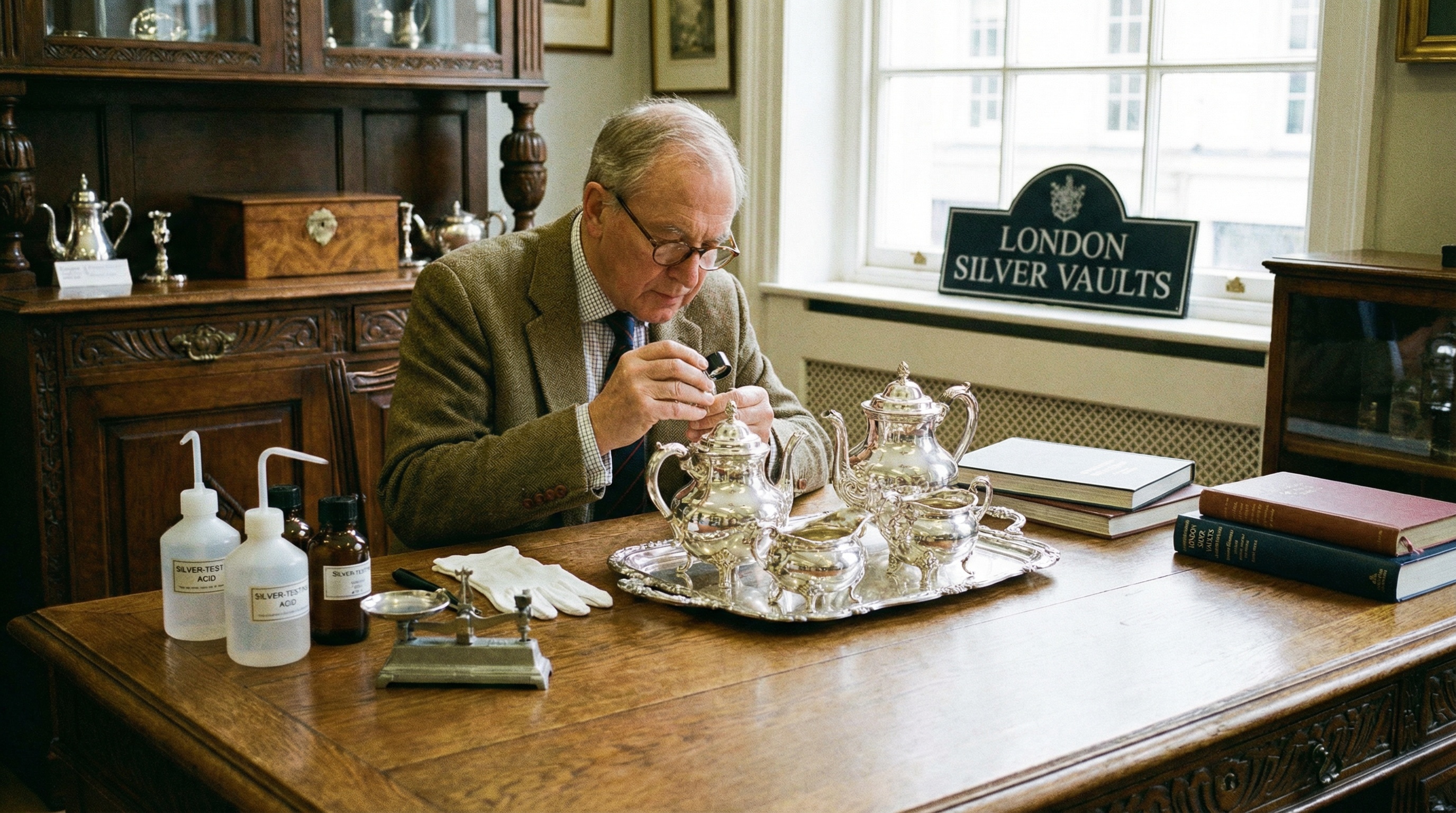
Whether you've inherited a sterling silver tea set, need insurance coverage for your collection, or are settling an estate, finding the right antique silver appraiser can make the difference between accurate valuation and costly mistakes. The wrong choice could leave you underinsured by thousands of dollars or facing IRS challenges during tax season.
A qualified antique silver appraiser should be USPAP-compliant, hold credentials from recognized organizations like ASA or AAA, and specialize in decorative arts or silver specifically. They typically charge hourly rates between $300-500 or flat fees per item, and provide detailed written reports with photographs and market analysis.
Quick Fact: USPAP (Uniform Standards of Professional Appraisal Practice) compliance ensures your appraiser follows strict ethical guidelines and provides unbiased valuations that courts, insurance companies, and the IRS will accept.
By the end of this guide, you'll know exactly how to vet appraisers, understand their fees, and read your final report with confidence.
An antique silver appraisal goes far beyond simply weighing your pieces. Professional appraisers examine multiple factors that determine value, including the maker's marks, age, silver content, craftsmanship quality, and current market demand.
During the evaluation, your appraiser will inspect hallmarks and maker's stamps using magnification tools, test silver purity when necessary, and document any damage or repairs. They'll photograph each piece and research comparable sales from auction houses, dealers, and estate sales.
The most common silver items requiring formal appraisals include sterling flatware sets, tea and coffee services, serving pieces, antique coins, jewelry, and religious or presentation items. Each category has specific value drivers that experienced appraisers understand.
You might need an appraisal for insurance coverage, estate planning, charitable donations, divorce proceedings, or before selling valuable pieces. The intended use affects which type of value your appraiser will determine. Understanding the basics of antique silver appraisals can help you prepare for the process.
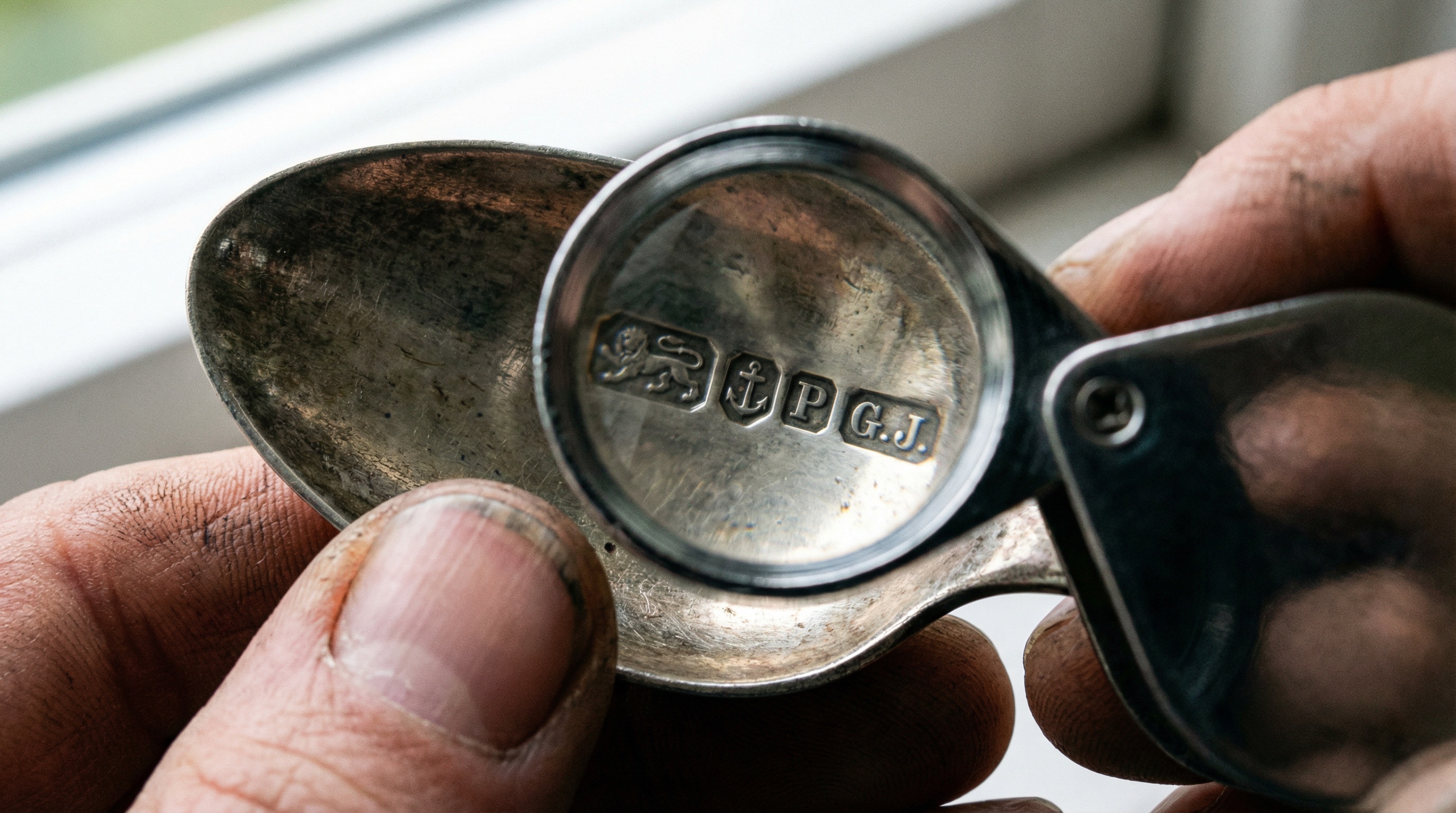
Several key factors drive antique silver values, and understanding these helps you communicate effectively with your appraiser. The maker's reputation carries significant weight, with pieces by Tiffany, Gorham, or Georg Jensen commanding premium prices compared to unknown manufacturers.
Silver content matters tremendously. Sterling silver contains 92.5% pure silver and holds higher value than silver-plated items or coin silver. Your appraiser will identify these differences through markings and testing when necessary.
Pattern rarity and completeness affect value substantially. A complete sterling flatware service for twelve people in a discontinued pattern will appraise higher than individual pieces. Condition plays a crucial role too, with dents, repairs, or missing parts reducing value significantly.
Market Insight: Antique silver values fluctuate based on precious metal prices, collector demand, and economic conditions. A piece appraised five years ago may have significantly different value today.
Your final report will specify the value type. Fair Market Value represents what a willing buyer would pay a willing seller in the open market. Replacement Value covers what you'd pay to replace the item with something similar. Insurance companies typically want replacement values, while estate and tax purposes require fair market values. Learn more about understanding the value of antique silver appraisals to make informed decisions.
Never hire an appraiser without proper credentials. USPAP compliance is non-negotiable because it ensures your appraiser follows strict professional standards and maintains independence from any buying or selling interests.
Look for membership in recognized professional organizations. The American Society of Appraisers (ASA), Appraisers Association of America (AAA), and International Society of Appraisers (ISA) all require education, testing, and ongoing professional development from their members.
Specialization matters more than you might think. An appraiser who focuses on decorative arts, silver, or personal property will have deeper knowledge than someone who appraises everything from real estate to machinery. Ask specifically about their experience with pieces similar to yours. When choosing the right appraiser for your antiques, credentials should be your top priority.
Experience should include several years of personal property appraisal work and familiarity with your intended use. An appraiser experienced in insurance claims might not be the best choice for IRS donation purposes, where different standards apply.
Red flags include appraisers who want to buy items they appraise, charge fees based on a percentage of value, refuse to provide written reports, or can't explain their USPAP compliance. These practices violate professional standards and could invalidate your appraisal.
CredentialOrganizationWhat It MeansASAAmerican Society of AppraisersRigorous education and testing requirementsAAAAppraisers Association of AmericaSpecializes in fine and decorative artsISAInternational Society of AppraisersBroad personal property expertiseUSPAPThe Appraisal FoundationEthical standards and methodology compliance
Professional antique silver appraisers typically charge hourly rates ranging from $300 to $500, depending on their experience and your location. Some offer flat per-item fees, which can be more predictable for large collections.
Several factors influence your final cost. Complex pieces requiring extensive research cost more than straightforward items. Rare or unusual pieces demand additional time for market analysis. Travel to your location, rush deadlines, and the number of items all affect pricing.
Always request a written estimate before beginning work. This should specify the scope of work, estimated hours or flat fees, any travel expenses, report format, and payment terms. Avoid appraisers who charge based on a percentage of the appraised value, as this creates conflicts of interest. For detailed information about the cost of an antique silver appraisal, review typical pricing structures.
The process typically begins with an initial consultation where you describe your items and intended use. Your appraiser will schedule an examination, either at your location or their office. After inspection, they'll conduct research and prepare your written report, usually within two to three weeks.
Cost-Saving Tip: Group multiple items into one appointment to reduce travel costs and take advantage of project pricing. Many appraisers offer slight discounts for larger assignments.
During your consultation, ask about their report format, turnaround time, and what happens if you have questions after receiving your appraisal. Professional appraisers should be willing to explain their findings and methodology. Before your appointment, review how to prepare for an antique silver appraisal to ensure a smooth process.
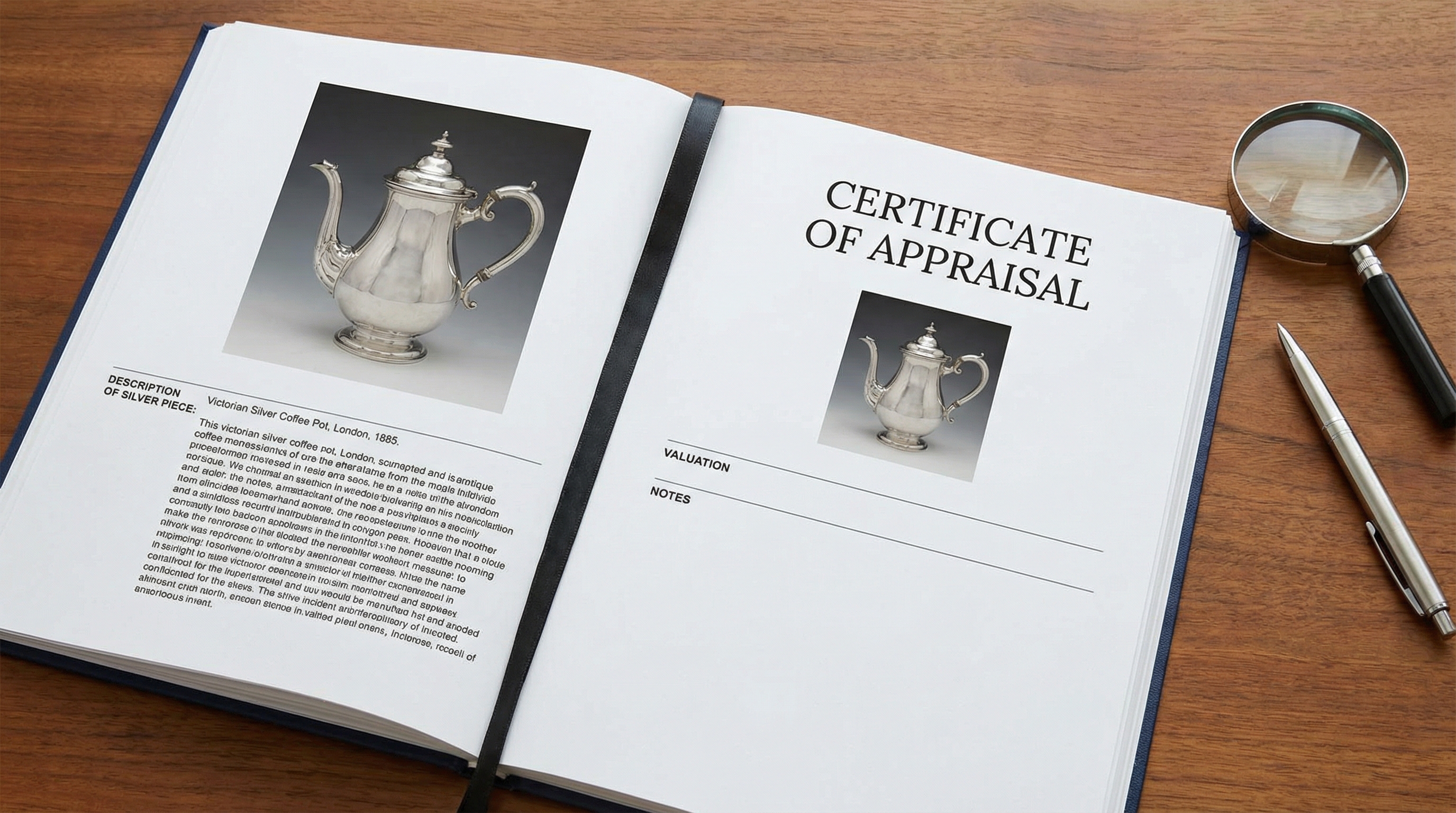
A professional antique silver appraisal report contains several standard sections you should understand. The introduction identifies you as the client, describes the assignment, and states the intended use and value type determined.
Item descriptions should be detailed enough that someone else could identify your pieces. This includes measurements, weight, maker's marks, pattern names, and condition notes. High-quality photographs from multiple angles should accompany each description.
The methodology section explains how your appraiser determined value, including research sources, comparable sales, and any special considerations. The value conclusion clearly states the final appraised amount and effective date.
Your report should include the appraiser's signed certification, stating they have no bias or interest in the items and followed USPAP standards. Limiting conditions explain assumptions made during the appraisal process.
Store your report safely with digital backups. Share copies with your insurance agent, attorney, or accountant as needed. Most appraisals remain valid for two to five years, depending on market conditions and your insurance company's requirements. To avoid pitfalls, familiarize yourself with common myths about antique silver appraisal.
Finding the right antique silver appraiser requires careful vetting, but the investment protects your valuable pieces and provides peace of mind. Focus on credentials, experience, and transparent communication to ensure you receive accurate, defensible valuations that serve your specific needs.
When you're ready to move forward, remember that AppraiseItNow connects you with USPAP-compliant appraisers nationwide who specialize in antique silver and provide reports accepted by insurance companies, courts, and the IRS.
Look for an antique silver appraiser who is USPAP-compliant and holds credentials from recognized organizations like ASA, ISA, or AAA. Check their specific experience with silver pieces, ask for sample reports, and verify they don't charge fees based on a percentage of your item's value, which creates conflicts of interest.
Professional antique silver appraisers typically charge hourly rates between $300-500 or flat fees per item, depending on complexity and research required. Costs vary based on the number of pieces, travel requirements, and the appraiser's expertise. Always request a written estimate before beginning work.
Fair market value represents what a willing buyer would pay a willing seller in the open market, typically used for estate and tax purposes. Replacement value covers the cost to replace the item with something similar in today's retail market, which insurance companies prefer for coverage purposes.
Most professionals recommend updating antique silver appraisals every three to five years, or sooner if precious metal prices or market conditions change significantly. Regular reappraisals ensure your insurance coverage remains adequate and estate planning documents reflect current values.




