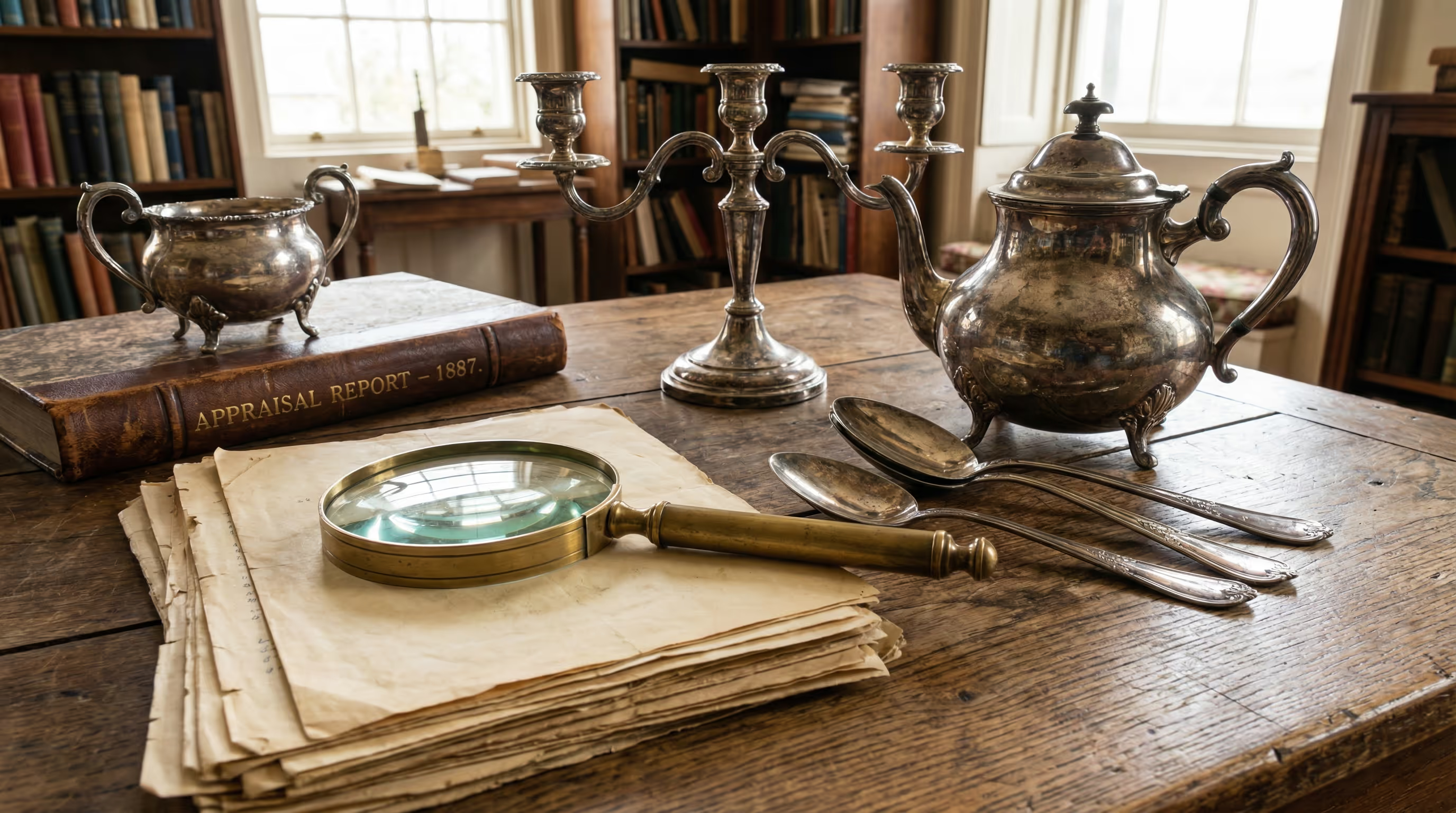
When you inherit grandmother's silver tea set or discover antique silver pieces at an estate sale, understanding their true value becomes crucial. Yet the world of antique silver appraisal is filled with misconceptions that can cost you thousands of dollars or lead to poor decisions.
Many people believe they can accurately assess silver value at home using simple tests, while others assume all old silver is automatically valuable. The reality is far more nuanced. Professional appraisers consider dozens of factors beyond age and weight, including maker marks, historical significance, craftsmanship quality, and current market demand.
Quick fact: Professional antique silver appraisals typically cost between $200-$500 but can save you thousands by revealing true market value before selling or for insurance purposes.
This guide separates fact from fiction in antique silver appraisal, helping you make informed decisions about your valuable pieces.
The biggest myth surrounding antique silver is that age alone determines value. While age matters, it's just one piece of a complex puzzle that professional appraisers must solve.
True antique silver value comes from a combination of factors working together. The maker's reputation plays a huge role - pieces by renowned silversmiths like Tiffany & Co. or Georg Jensen command premium prices regardless of their actual silver content. Similarly, historical significance can dramatically increase value. A simple spoon used aboard a famous ship might be worth more than an elaborate modern silver service.
Craftsmanship quality separates valuable pieces from mass-produced items. Hand-forged details, intricate engravings, and superior construction techniques all signal higher value. Professional appraisers examine these elements closely, looking for signs of skilled workmanship that machines cannot replicate.

Market demand also fluctuates significantly. Victorian silver patterns popular in the 1990s might have less appeal today, while mid-century modern designs are experiencing renewed interest. Understanding these trends requires expertise that goes far beyond what casual collectors can achieve through online research.
Many people attempt to value their silver using kitchen scales and current silver spot prices, but this approach misses the mark entirely. While knowing your silver's metal content provides a baseline scrap value, it tells you nothing about its actual worth as an antique or collectible piece.
The "magnet test" and "ice test" that circulate online can confirm if something is silver, but they cannot determine purity levels, age, or authenticity. Professional appraisers use specialized equipment like electronic gold testers and microscopic examination to assess these crucial details accurately.
Important note: Home testing methods can actually damage valuable pieces. Harsh chemicals used in some DIY tests can permanently alter surfaces and reduce value.
Another common mistake is relying solely on online auction results for valuation. Auction prices vary wildly based on factors like timing, marketing, and buyer competition. What sold for $500 last month might only bring $200 today, or vice versa. Professional appraisers consider multiple market indicators and recent sales data to provide more reliable valuations.
The emotional attachment factor also clouds home valuations. That silver service might hold tremendous sentimental value, but the market may not share your enthusiasm. Professional appraisers provide objective assessments based on measurable criteria rather than personal connections.
Professional appraisers follow systematic approaches that amateur enthusiasts simply cannot replicate. They begin by thoroughly documenting each piece, photographing maker marks, measuring dimensions, and noting condition details that affect value.
Hallmark identification requires extensive knowledge of marking systems used across different countries and time periods. British hallmarks differ significantly from American maker marks, and understanding these systems takes years of study. Appraisers maintain reference libraries and databases to accurately identify origins and dates.
Appraisal FactorImpact on ValueProfessional Assessment MethodMaker/DesignerHighHallmark research, provenance documentationConditionHighDetailed condition reporting, damage assessmentRarityMedium-HighMarket research, production recordsAgeMediumStyle analysis, marking identification
Condition assessment goes beyond obvious damage. Professional appraisers note restoration work, replacement parts, and subtle signs of wear that affect collectibility. They understand how different types of damage impact value differently - a small dent might be acceptable, while removed monograms could significantly reduce worth.

Market analysis forms another crucial component. Appraisers track sales across multiple venues including auction houses, estate sales, and dealer networks. They understand regional preferences and seasonal fluctuations that influence pricing. This comprehensive market knowledge ensures valuations reflect current reality rather than outdated assumptions.
Certain situations absolutely require professional appraisal services, and attempting to handle them yourself can prove costly. Insurance coverage represents the most critical need. Standard homeowner policies typically limit coverage for silver and precious metals, often capping claims at $1,000-$2,500 total.
If your silver collection exceeds these limits, you need professional appraisals for scheduled coverage. Insurance companies require detailed documentation including photographs, descriptions, and certified valuations. DIY assessments won't satisfy these requirements, potentially leaving you underinsured when losses occur.
Estate planning and tax situations also demand professional expertise. The IRS requires qualified appraisals for charitable donations exceeding $5,000 and for estate tax purposes. Using unqualified appraisers or self-assessments can trigger audits and penalties.
Tax tip: Professional appraisals for charitable donations must be completed within 60 days of the donation date and performed by qualified appraisers meeting IRS standards.
Before selling valuable pieces, professional appraisals help you understand true market value. This knowledge prevents underselling to dealers who might offer only a fraction of retail value. Even accounting for appraisal costs, you often come out ahead by understanding what you actually own.
Legal situations including divorce proceedings, insurance claims, and estate disputes require appraisals that meet court standards. Professional appraisers provide documentation and expert testimony that amateur assessments cannot match.
Understanding the truth about antique silver appraisal helps you make better decisions about your valuable pieces. While simple tests can confirm if something is silver, determining true value requires professional expertise that considers dozens of factors beyond weight and age. Whether you're planning insurance coverage, considering a sale, or handling estate matters, professional appraisals provide the accurate information you need to protect your interests and maximize value.
Value depends on metal purity (sterling vs. plated), hallmarks or maker's marks, age, condition, rarity, and current market demand. Look for clear hallmarks, unusual designs, and good condition as positive indicators. However, a professional appraisal is the only way to get a definitive assessment, as many factors beyond appearance affect value.
Most free online appraisal tools and AI photo analyzers provide only rough estimates, not defensible valuations. They cannot properly assess condition details, confirm metal purity, or provide the thorough research required for insurance, estate, or tax purposes. Professional remote appraisals using detailed photos and documentation are more reliable than quick online estimates.
Scrap value is based only on the weight and purity of the silver metal itself, calculated using current spot prices. Antique value includes additional factors like craftsmanship, maker reputation, historical significance, rarity, and collector demand. A piece might have $50 in scrap value but be worth $500 or more as an antique due to these other factors.
Professional antique silver appraisals typically cost between $200-$500, depending on the complexity and number of pieces. Reputable appraisers charge flat or hourly fees rather than a percentage of the item's value to avoid conflicts of interest. This cost is often justified by preventing underselling or ensuring proper insurance coverage.