







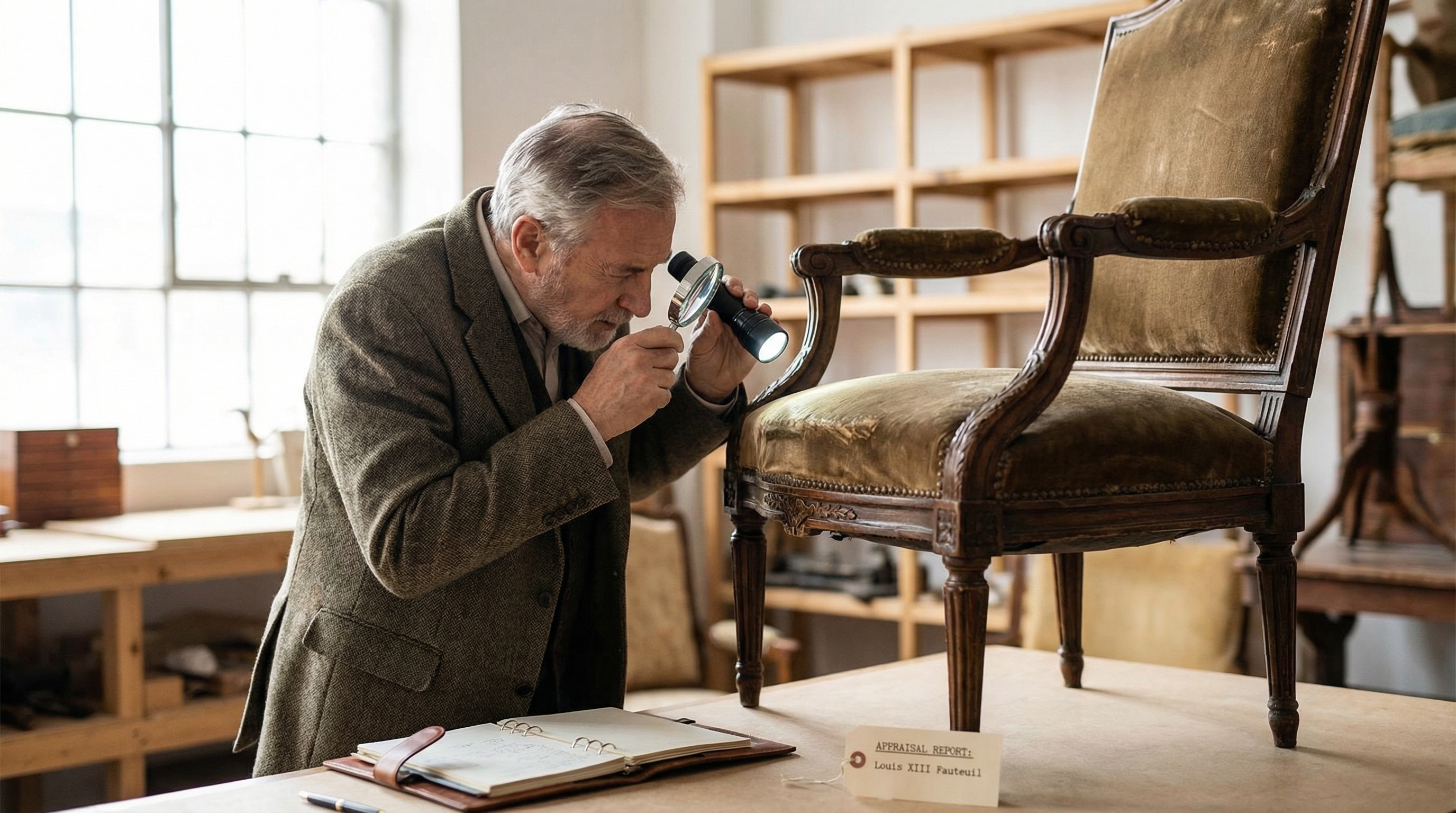
Whether you've inherited a beautiful Victorian armoire or discovered what might be a valuable piece at an estate sale, understanding the true worth of antique furniture can make the difference between a smart financial decision and a costly mistake. An antique furniture appraisal provides you with professional documentation of your piece's value, age, and authenticity.
Quick Answer: Antique furniture appraisals typically cost between $300-$600 per piece and provide essential documentation for insurance, estate planning, resale, and tax purposes. Professional appraisers examine factors like age, condition, maker, and current market demand to determine accurate valuations.
Getting your antique furniture professionally appraised offers protection for valuable pieces, helps you make informed buying or selling decisions, and ensures you have proper documentation for insurance claims or estate settlements.
An antique furniture appraisal goes far beyond simply estimating a price tag. Professional appraisers examine your piece's construction methods, materials, hardware, and finish to determine its age and authenticity. They research the maker's history, production techniques, and market reputation to establish provenance.
The appraisal process involves detailed photography, measurements, and condition assessment. Your appraiser will note any repairs, replacements, or modifications that might affect value. They'll also research recent sales of comparable pieces to determine current market value.
Most importantly, a certified appraisal provides legally defensible documentation. This becomes crucial when dealing with insurance companies, estate attorneys, or tax authorities who require professional verification of an item's worth. Understanding the basics of antique furniture appraisal can help you better prepare for the process.
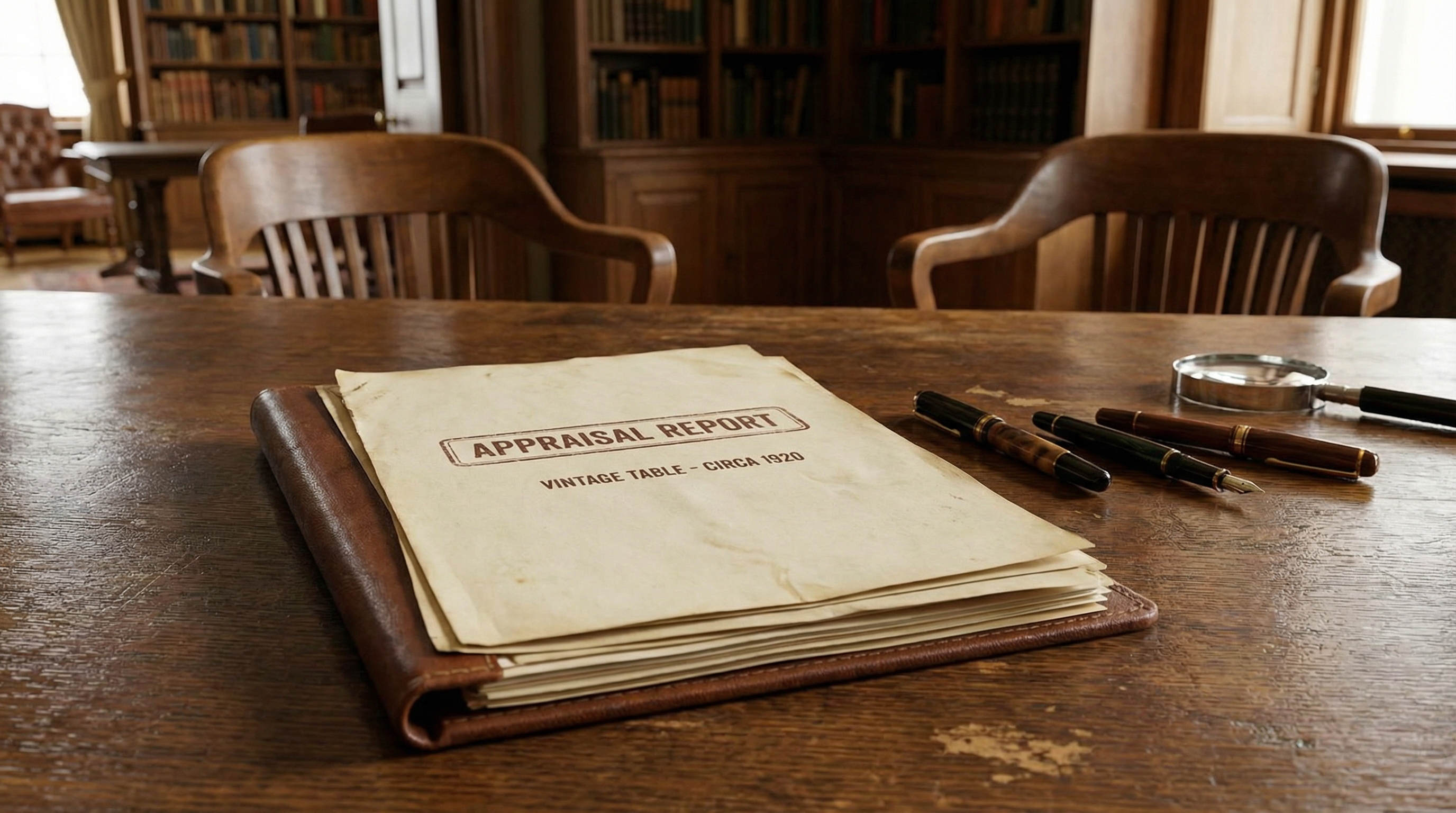
Insurance protection represents one of the most practical benefits of getting your antique furniture appraised. Standard homeowner's policies often limit coverage for antiques to a few thousand dollars. With a professional appraisal, you can add scheduled coverage that protects the full replacement value of your pieces.
Estate planning becomes much simpler when you have documented values for antique furniture. Whether you're dividing assets among heirs or working with estate attorneys, professional antiques appraisals eliminate guesswork and potential family disputes over valuable pieces.
Tax benefits also make appraisals valuable. If you're donating antique furniture to charity, the IRS requires professional appraisals for donations over $5,000. Having current documentation ensures you can claim the full deductible amount.
Pro Tip: Appraisals for insurance purposes should be updated every 3-5 years, as antique furniture values can fluctuate significantly based on market trends and collector demand.
For buying and selling decisions, appraisals provide confidence in negotiations. Sellers can price pieces appropriately, while buyers can verify they're getting fair value. This documentation becomes especially important for high-value transactions where authenticity questions might arise. Learn more about things to consider before selling antique furniture to maximize your returns.
Professional credentials matter when choosing an antique furniture appraiser. Look for appraisers certified by recognized organizations like the American Society of Appraisers (ASA) or the International Society of Appraisers (ISA). These certifications require extensive education, testing, and ongoing professional development.
Experience with your specific type of furniture makes a significant difference in appraisal accuracy. An appraiser who specializes in 18th-century American furniture will provide more detailed insights than a generalist when evaluating a Chippendale chair. Ask potential appraisers about their experience with pieces similar to yours. Consider reviewing what to look for when selecting an appraisal professional for antique furniture before making your choice.
Appraiser TypeBest ForTypical Cost RangeCertified GeneralistMixed collections, basic valuations$300-$450 per piecePeriod SpecialistHigh-value pieces, authentication needs$450-$600 per pieceAuction House ExpertRare pieces, market positioning$500-$800 per piece
Request references and examples of previous appraisal reports. A quality appraisal should include detailed descriptions, high-resolution photographs, market analysis, and clear methodology explanations. Avoid appraisers who provide only brief valuations without supporting documentation.
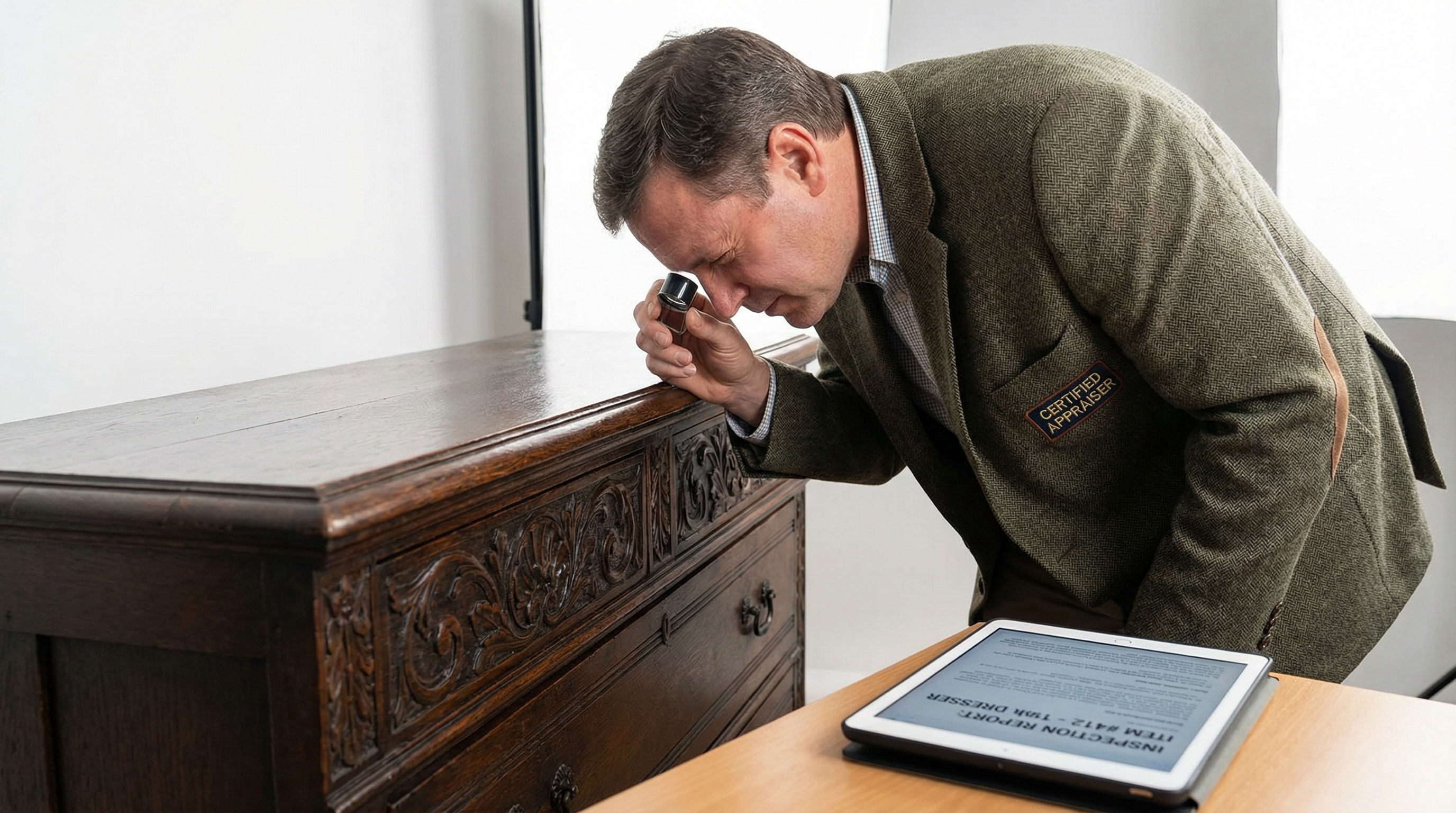
Proper preparation can significantly impact your appraisal results. Clean your furniture gently using appropriate methods for the specific materials and finishes. Remove any items stored inside drawers or cabinets, and ensure the appraiser can access all surfaces and construction details. For detailed guidance, review how to prepare for an antique furniture appraisal.
Gather any documentation you have about the piece's history. Original purchase receipts, family stories about its origin, previous appraisals, or repair records all provide valuable context. Even photographs showing the piece in different settings over time can help establish provenance.
Timing your appraisal strategically can affect results. Market demand for certain styles and periods fluctuates based on design trends, collector interest, and economic conditions. Research current market conditions or ask your appraiser about optimal timing for your specific pieces.
Market Insight: Mid-century modern furniture has seen 40-60% value increases over the past five years, while Victorian pieces have remained relatively stable, making timing crucial for certain styles.
Consider the appraisal's intended purpose when working with your appraiser. Insurance appraisals typically reflect replacement costs and may be higher than fair market value appraisals used for estate planning or resale purposes. Be clear about your needs to ensure you receive the appropriate type of valuation. Additionally, be aware of common mistakes to avoid during an antique furniture appraisal to ensure the most accurate results.
Professional antique furniture appraisals provide essential documentation that protects your investment and enables informed decision-making. Whether you're securing insurance coverage, planning your estate, or considering a sale, having accurate professional valuations gives you confidence and legal protection. The cost of a quality appraisal often pays for itself through proper insurance coverage, tax benefits, or improved negotiating position in transactions.
Antique furniture appraisals typically cost between $300-$600 per piece, depending on the complexity of the piece and the appraiser's expertise. Certified generalists charge $300-$450, while period specialists and auction house experts may charge $450-$800 for rare or high-value pieces requiring detailed authentication.
Antique furniture should be reappraised every 3-5 years for insurance purposes, as values can fluctuate significantly based on market trends and collector demand. You should also consider reappraisal after any restoration work, damage, or major changes in the antique furniture market.
Look for appraisers certified by recognized organizations like the American Society of Appraisers (ASA) or International Society of Appraisers (ISA). These certifications require extensive education, testing, and ongoing professional development. Also seek appraisers with specific experience in your type of furniture for the most accurate valuation.
Fair market value represents what a willing buyer would pay a willing seller in the current market, typically used for estate planning or resale purposes. Replacement value reflects the cost to replace the item with a similar piece of equal quality, usually higher than fair market value and used for insurance coverage.




