How to Choose the Best Antique Furniture Appraiser: Complete Guide to Credentials, Costs, and Process

Last Updated on Nov 01, 2025
Originally Published on Nov 01, 2025
Thank you! Your submission has been received!
Oops! Something went wrong while submitting the form.
Nationwide Service
Onsite or Online
USPAP-Compliant
IRS Qualified
DEFENSIBLE, USPAP-COMPLIANT APPRAISAL REPORTS — ACCEPTED BY 10,000+ ORGANIZATIONS
Professional appraiser examining vintage antique chair

Choosing the wrong appraiser for your antique furniture can cost you thousands in undervalued pieces or inflated insurance premiums. The right professional appraiser will have specific credentials like ASA or ISA certification, specialized experience with antique furniture, and transparent pricing that typically ranges from $300 to $800 per piece depending on complexity.

Quick Answer: Look for USPAP-compliant appraisers with ASA, ISA, or AAA credentials who specialize in antique furniture. Expect to pay $300-800 per piece, and always verify their experience with pieces similar to yours before hiring.

When you own valuable antique furniture, getting an accurate appraisal protects your investment and ensures proper insurance coverage. This guide walks you through exactly what to look for in a qualified appraiser, from essential credentials to red flags that signal you should look elsewhere.

Essential credentials every antique furniture appraiser must have

The foundation of any reliable antique furniture appraisal starts with proper certification. You want an appraiser who holds credentials from recognized professional organizations like the American Society of Appraisers (ASA), International Society of Appraisers (ISA), or Appraisers Association of America (AAA).

These organizations require rigorous training, testing, and continuing education. USPAP compliance is non-negotiable since it ensures the appraiser follows Uniform Standards of Professional Appraisal Practice. This matters because insurance companies, courts, and the IRS only accept appraisals that meet these standards.

Professional appraiser credentials and certificates including ASA and ISA badges

Beyond basic certification, look for appraisers who specialize specifically in furniture or decorative arts rather than generalists. An appraiser who primarily values real estate might miss crucial details about period construction techniques or maker's marks that significantly impact your piece's value. Understanding how to choose the right appraiser for your antiques is crucial to ensuring you get accurate valuations.

Always ask to see their credentials upfront and verify them directly with the issuing organization. Legitimate appraisers welcome this verification process and often display their certifications prominently.

Understanding appraisal costs and what drives pricing

Antique furniture appraisal costs vary significantly based on several factors. Simple pieces like a single chair might cost $300-400 to appraise, while complex items like elaborate Victorian bedroom sets can run $600-800 or more.

Appraisal TypePrice RangeTimelineSingle piece$300-5001-2 weeksMultiple pieces$400-800+2-3 weeksEstate collection$800-2000+3-4 weeksRush service+50% premium1 week

Distance affects pricing too. If the appraiser needs to travel to your location, expect additional travel fees. Some appraisers offer virtual consultations for initial assessments, which can reduce costs for straightforward pieces.

Cost Tip: Bundle multiple pieces with the same appraiser to negotiate better per-piece rates, especially if you have a collection from the same period or maker.

Be wary of appraisers who quote prices before seeing your furniture or understanding the appraisal's purpose. Insurance appraisals typically cost more than estate planning appraisals because they require more detailed documentation and higher liability coverage. For more information on the benefits of an antique furniture appraisal, consider how proper valuation protects your investment.

What professional appraisers examine during evaluation

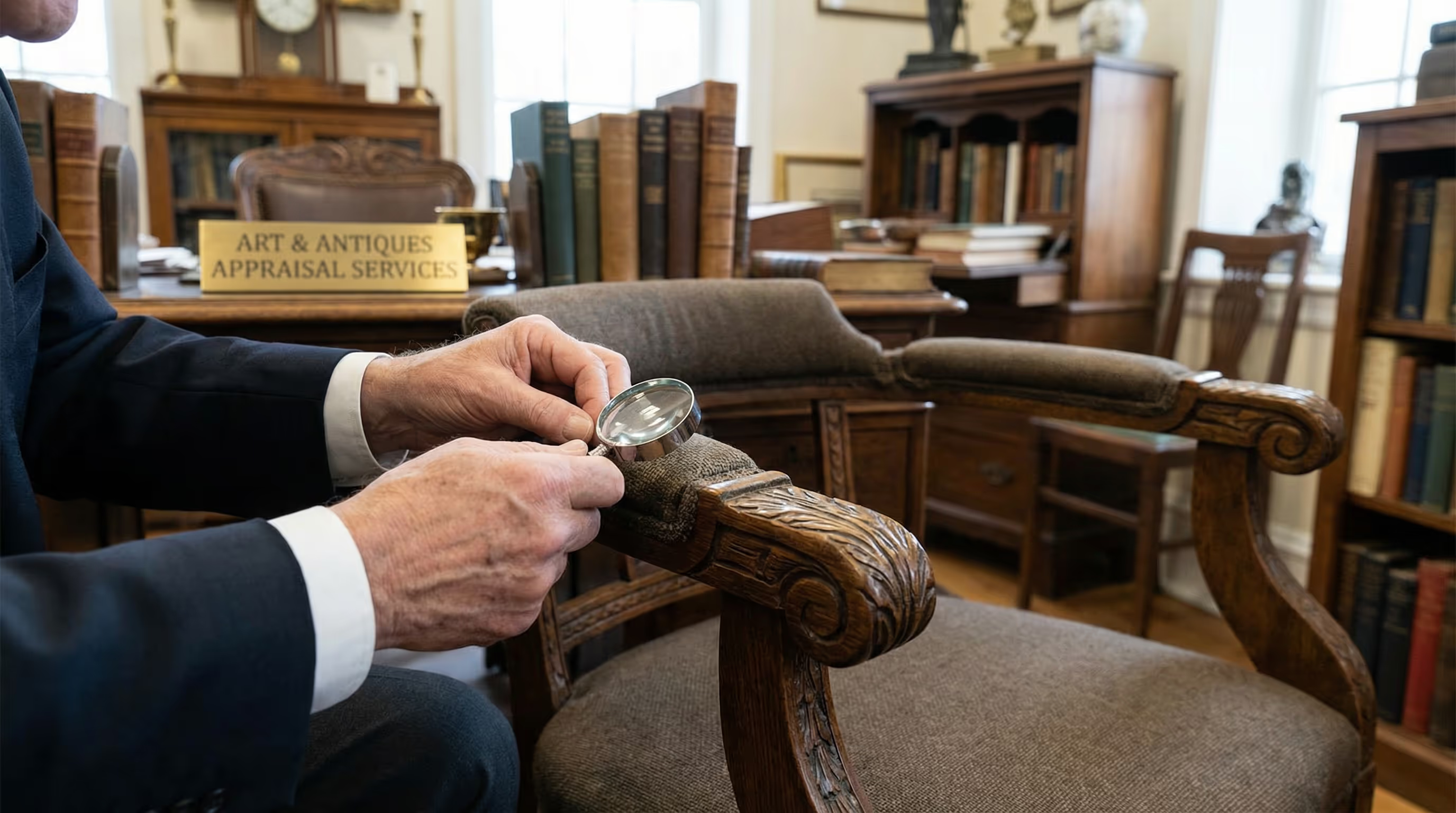
When a qualified appraiser examines your antique furniture, they follow a systematic process that goes far beyond a quick visual inspection. They start by documenting construction techniques, looking for hand-cut dovetails, mortise and tenon joints, and other period-appropriate craftsmanship indicators.

Material analysis comes next. The appraiser identifies wood types, hardware styles, and finishing techniques that help establish authenticity and age. They photograph maker's marks, labels, or stamps that might not be visible to untrained eyes.

Condition assessment involves documenting every scratch, repair, or modification. Original finish versus restoration work significantly impacts value, so appraisers note these details carefully. They also measure dimensions precisely since furniture proportions can indicate specific periods or regional styles.

Appraiser examining antique furniture details with magnifying glass and documentation

Market research follows the physical examination. Professional appraisers maintain databases of recent sales, auction results, and current market trends for similar pieces. This research component often takes longer than the actual inspection but ensures accurate valuation. Learning about the process of an antique furniture appraisal helps you understand what to expect during the evaluation.

The final step involves comparing your piece to documented examples in reference materials, auction records, and museum collections. This comparative analysis helps establish provenance and market position.

Questions to ask before hiring an appraiser

Before committing to any appraiser, ask specific questions that reveal their qualifications and approach. Start with their experience appraising furniture from your piece's specific period and style. An appraiser who specializes in American Colonial furniture might not be the best choice for Art Deco pieces.

Ask about their process timeline and what the final report includes. Professional appraisers provide detailed written reports with photographs, condition descriptions, and market analysis. The report should clearly state the appraisal's purpose and intended use.

Red Flag Alert: Avoid appraisers who guarantee specific values before examination, work on commission based on appraised value, or lack proper insurance coverage for their professional services.

Inquire about their continuing education and recent training. The antique market evolves constantly, and good appraisers stay current with trends, new research, and market shifts. They should also carry professional liability insurance to protect both parties. Before scheduling your appointment, make sure you know how to prepare for an antique furniture appraisal to ensure the process goes smoothly.

Finally, ask for references from recent clients with similar appraisal needs. Reputable appraisers maintain long-term relationships with insurance companies, estate attorneys, and collectors who can vouch for their work quality. You should also be aware of common mistakes to avoid during an antique furniture appraisal to protect your interests.

Finding the right antique furniture appraiser protects your investment and ensures you receive accurate valuations for whatever purpose you need. Focus on credentials, specialization, and transparent communication rather than just price. The extra time spent vetting appraisers upfront saves money and headaches later when you need reliable documentation for insurance claims, estate planning, or resale decisions.

FAQ

What certifications should an antique furniture appraiser have?

Look for appraisers with credentials from recognized organizations like the American Society of Appraisers (ASA), International Society of Appraisers (ISA), or Appraisers Association of America (AAA). They must be USPAP-compliant and have at least 5 years of experience specifically in antique furniture appraisal. Always verify their credentials directly with the issuing organization.

How much does an antique furniture appraisal typically cost?

Antique furniture appraisal costs range from $300-500 for single pieces to $600-800+ for complex items like elaborate Victorian sets. Estate collections can cost $800-2000+. Factors affecting price include piece complexity, travel distance, and appraisal purpose. Rush services typically add a 50% premium to standard rates.

What should I look for during the appraisal process?

A professional appraiser should examine construction techniques, identify materials and hardware, document maker's marks, assess condition thoroughly, and conduct market research. They should provide a detailed written report with photographs, condition descriptions, and market analysis that clearly states the appraisal's purpose and intended use.

What are red flags when choosing an antique furniture appraiser?

Avoid appraisers who guarantee specific values before examination, work on commission based on appraised value, lack proper insurance coverage, or quote prices without seeing your furniture. Also be wary of those who don't specialize in antique furniture or cannot provide verifiable credentials and references from recent clients.

Related Appraisals We Offer

Related Articles

BEST-IN-CLASS APPRAISERS, CREDENTIALED BY: