Antique Furniture Appraisal Mistakes That Cost You Money

Last Updated on Oct 20, 2025
Originally Published on Oct 20, 2025
Thank you! Your submission has been received!
Oops! Something went wrong while submitting the form.
Nationwide Service
Onsite or Online
USPAP-Compliant
IRS Qualified
DEFENSIBLE, USPAP-COMPLIANT APPRAISAL REPORTS — ACCEPTED BY 10,000+ ORGANIZATIONS
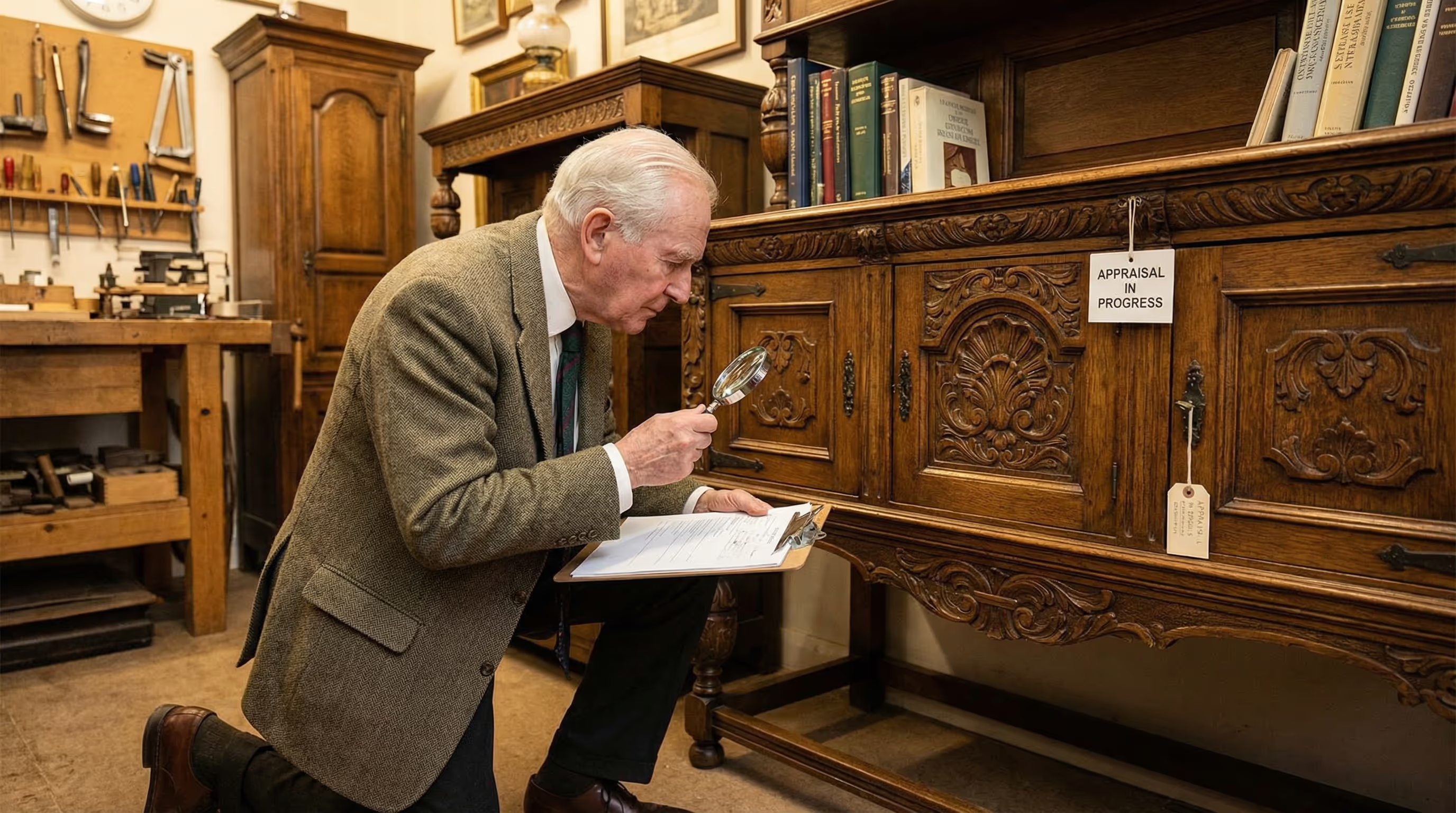
Professional appraiser examining vintage wooden furniture during an antique furniture appraisal process

A single mistake during an antique furniture appraisal can cost you thousands of dollars in lost value, insurance gaps, or tax complications. Whether you're settling an estate, updating insurance coverage, or preparing for a sale, getting your appraisal right matters more than you might think.

The good news is that most costly errors are completely preventable. With proper preparation and the right appraiser, you can ensure your family heirlooms receive accurate valuations that protect your financial interests. This guide walks you through the most expensive mistakes people make and shows you exactly how to avoid them.

Quick fact: Professional antique furniture appraisals typically range from $100 to $500 per item, but preparation mistakes can lead to undervaluations of 20-40% or more.

Understanding what drives antique furniture value

Before diving into common mistakes, you need to understand what professional appraisers actually evaluate. Antique furniture value depends on several key factors that work together to determine worth.

Age and authenticity form the foundation. Genuine period pieces from recognized eras like Victorian, Colonial, or Mid-Century Modern carry premium values compared to reproductions. However, age alone doesn't guarantee high value - a 200-year-old common chair might be worth less than a 50-year-old designer piece.

Condition plays a massive role in final valuations. Original finishes, intact hardware, and minimal wear significantly boost value. Conversely, refinishing, replacement parts, or structural repairs can reduce worth by 30-70% depending on the piece and quality of work.

Close-up view of antique furniture maker's mark and original hardware details

Maker identification and craftsmanship quality separate valuable pieces from ordinary furniture. Signed pieces from known craftsmen, established furniture companies, or recognized regional makers command higher prices. Construction methods, joinery techniques, and material quality all factor into professional assessments.

Market demand and rarity complete the valuation picture. Even exceptional pieces need willing buyers to achieve top values. Current collecting trends, available inventory, and regional preferences all influence what your furniture is actually worth in today's market.

The most expensive appraisal mistakes

Mistake 1: Arriving completely unprepared

Walking into an appraisal without documentation or background information is like asking someone to appraise a mystery. Appraisers need context to provide accurate valuations, and missing information forces them to make conservative estimates.

Gather everything you can find: purchase receipts, previous appraisals, family stories about the piece's origin, and any maker's marks or labels. Take detailed photos from multiple angles, including close-ups of construction details, hardware, and any damage or repairs. Understanding how to prepare for an antique furniture appraisal can make a significant difference in the accuracy of your valuation.

Mistake 2: Hiding repairs and restoration work

Many people think concealing past repairs will result in higher valuations. This backfires spectacularly. Professional appraisers can spot restoration work, and discovering undisclosed repairs destroys credibility and can invalidate the entire appraisal.

Be completely transparent about any work done to the piece. Document who performed repairs, when they occurred, and what materials were used. Quality restoration by skilled craftsmen can actually maintain or even increase value when properly disclosed and documented.

Mistake 3: Choosing an unqualified appraiser

Not all appraisers are created equal. Using someone without proper credentials, specialization in antique furniture, or independence can result in inaccurate valuations that won't hold up with insurance companies, courts, or the IRS.

Look for appraisers with credentials from recognized organizations like the American Society of Appraisers (ASA) or International Society of Appraisers (ISA). Ensure they specialize in antique furniture specifically, not just general antiques. Verify their independence - never use an appraiser who also buys or sells the items they evaluate. Learn more about choosing the right appraiser for your antiques to ensure you get reliable results.

Important: USPAP-compliant appraisals are required for most legal, tax, and insurance purposes. Non-compliant reports can be rejected when you need them most.

Mistake 4: Confusing different types of value

Fair market value, replacement value, and insurance value are not the same thing. Using the wrong type of appraisal for your specific purpose can lead to over-insurance (wasted premiums), under-insurance (inadequate coverage), or tax reporting errors.

Fair market value represents what a willing buyer would pay a willing seller in an open market. Insurance replacement value reflects the cost to replace the item with something of similar quality and function. Estate and tax appraisals typically use fair market value, while insurance coverage often requires replacement value assessments.

How to prepare for an accurate appraisal

Proper preparation dramatically improves appraisal accuracy and can reveal value that unprepared owners miss entirely. Start by creating a complete documentation package for each piece.

Photograph your furniture thoroughly. Take wide shots showing the entire piece, medium shots of distinctive features, and close-ups of maker's marks, hardware, joinery details, and any damage or repairs. Good lighting and multiple angles help appraisers assess condition and construction quality remotely if needed.

Research your piece's background as much as possible. Family stories about where and when it was purchased, previous owners, or historical significance all contribute to provenance - a key value factor for many antique pieces.

Clean your furniture lightly before the appraisal, but avoid heavy restoration or refinishing. Dust and polish are fine, but original finishes and patina often contribute significantly to value. Over-cleaning can actually reduce worth by removing desirable age characteristics. For more detailed guidance, check out these tips on collecting and caring for antique furniture.

Organized documentation and photos prepared for an antique furniture appraisal

Organize your space for easy access and good lighting. Appraisers need to examine pieces closely, measure dimensions, and photograph details. Clear pathways and adequate lighting make the process more efficient and thorough.

Selecting the right appraiser for your needs

The appraiser you choose directly impacts the accuracy and defensibility of your valuation. This decision deserves careful consideration, especially for high-value pieces or legal purposes.

CredentialOrganizationBest ForASAAmerican Society of AppraisersAll legal/tax purposesISAInternational Society of AppraisersInsurance and estate workAAAAppraisers Association of AmericaHigh-value collections

Start by verifying professional credentials and USPAP compliance. Ask about their specific experience with antique furniture - general antique knowledge isn't sufficient for specialized pieces. Request examples of their written reports to ensure they meet your intended use requirements.

Discuss fee structure upfront. Reputable appraisers charge fixed fees, hourly rates, or per-item pricing. Avoid anyone who charges a percentage of the appraised value or expresses interest in purchasing your items.

Red flag: Be wary of appraisers who guarantee specific values before examining your pieces or who seem more interested in buying than appraising your furniture.

Confirm turnaround time and report format. Professional appraisal reports should include detailed descriptions, condition assessments, methodology explanations, comparable sales data, and high-quality photographs. The appraiser's credentials and signature validate the document for legal and insurance purposes.

Working with your appraiser effectively

Once you've selected a qualified appraiser, your cooperation and transparency directly impact the final result. Treat the appraisal as a collaborative process where your knowledge combines with their expertise.

Be present during the inspection when possible. Answer questions honestly and share any stories or documentation about the piece's history. Your firsthand knowledge often provides crucial context that affects valuation.

Ask questions about their methodology and findings. Understanding how they arrived at their conclusions helps you evaluate the report's accuracy and gives you confidence in the results. Professional appraisers welcome informed questions and should explain their reasoning clearly. If you're interested in understanding the basics of antique furniture appraisal, this knowledge will help you engage more effectively with your appraiser.

If you disagree with the final valuation, discuss your concerns directly with the appraiser first. They may have overlooked information or made assumptions that additional documentation could correct. For high-value disputes, consider seeking a second opinion from another qualified appraiser.

Getting your antique furniture appraised correctly protects your financial interests and ensures you have defensible valuations when you need them most. By avoiding these common mistakes and working with qualified professionals, you can confidently navigate insurance claims, estate settlements, tax reporting, and sales decisions. The small investment in proper preparation and professional appraisal services pays dividends in accurate valuations and peace of mind. Explore more about the benefits of knowing the value of your antique furniture to maximize your investment.

Frequently Asked Questions

Should I clean my antique furniture before an appraisal?

Light dusting is acceptable, but avoid heavy cleaning, polishing, or refinishing before your appraisal. Original finishes, patina, and age characteristics often contribute significantly to value. Over-cleaning can remove these valuable features and actually reduce your furniture's worth by 30-70%. If deep cleaning is needed, consult with your appraiser or a professional conservator first.

How can I tell if an antique furniture appraiser is qualified?

Look for credentials from recognized organizations like ASA (American Society of Appraisers) or ISA (International Society of Appraisers), and ensure they're USPAP-compliant. Verify they specialize in antique furniture specifically, not just general antiques. Ask for sample reports, references, and their fee structure - avoid appraisers who charge a percentage of the item's value, as this creates a conflict of interest.

What's the difference between fair market value and replacement value?

Fair market value represents what a willing buyer would pay a willing seller in an open market, typically used for estate settlements and tax purposes. Replacement value reflects the cost to replace the item with something of similar quality and function, usually higher than fair market value and commonly used for insurance coverage. Using the wrong value type can lead to inadequate insurance coverage or overpaying premiums.

How often should I have my antique furniture reappraised?

Generally every 3-5 years for insurance purposes, or sooner if market conditions change significantly. You should also consider reappraisal after any restoration work, damage, or major changes in the antique furniture market. High-value pieces or those in volatile market segments may need more frequent updates to ensure accurate insurance coverage and current market valuations.

Related Appraisals We Offer

Related Articles

BEST-IN-CLASS APPRAISERS, CREDENTIALED BY: