How to Prepare for an Antique Furniture Appraisal (Complete Guide)

Last Updated on Nov 21, 2025
Originally Published on Nov 21, 2025
Thank you! Your submission has been received!
Oops! Something went wrong while submitting the form.
Nationwide Service
Onsite or Online
USPAP-Compliant
IRS Qualified
DEFENSIBLE, USPAP-COMPLIANT APPRAISAL REPORTS — ACCEPTED BY 10,000+ ORGANIZATIONS
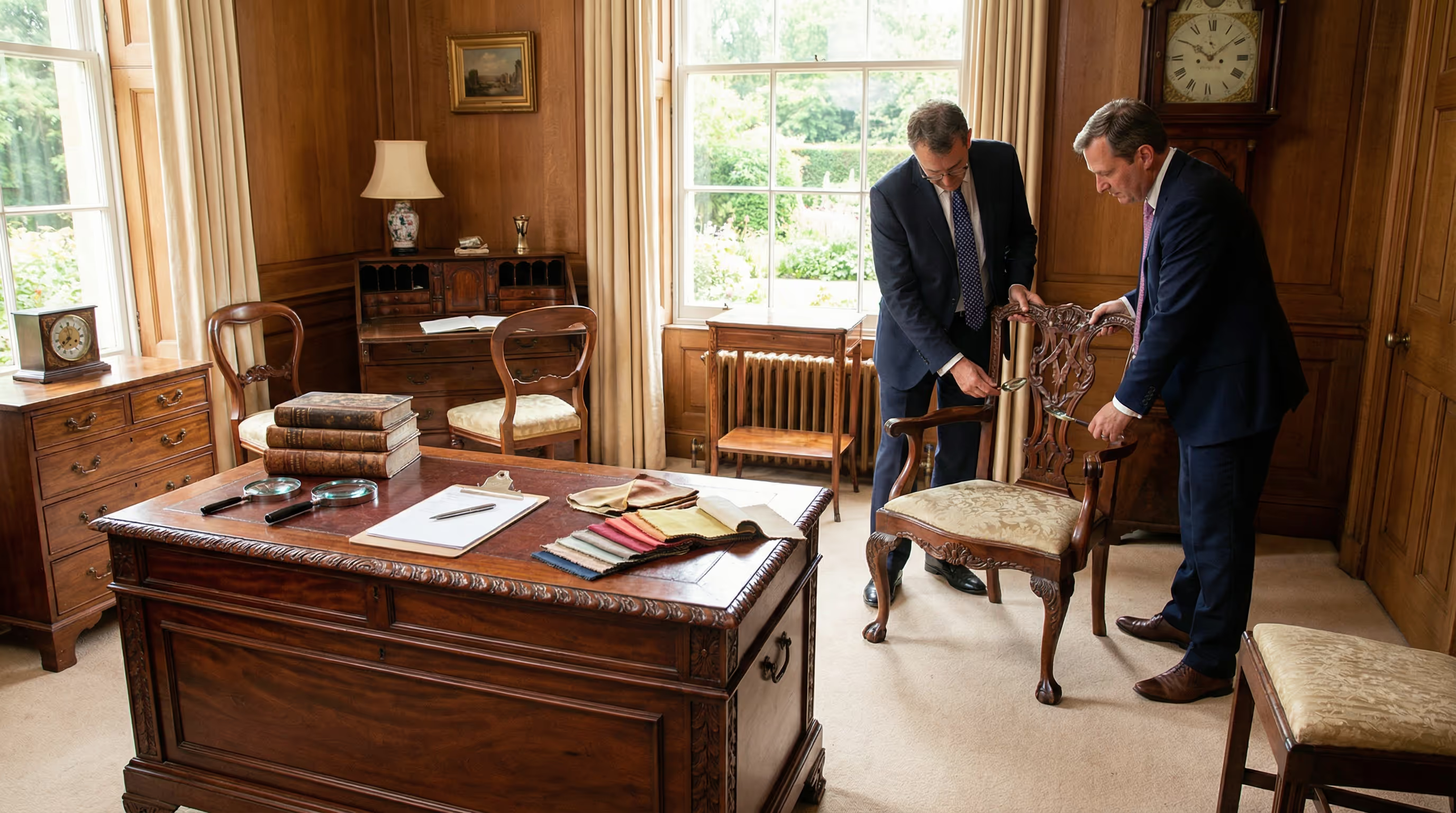
Antique furniture appraisal preparation scene

If you've scheduled an antique furniture appraisal and aren't sure what to do next, proper preparation can make the difference between a vague estimate and a defensible valuation. The good news is that preparation is straightforward, and taking the right steps beforehand significantly improves both the accuracy and usefulness of your appraisal.

At minimum, you should gather any documentation about the piece, take clear photographs from multiple angles, clean and make the furniture accessible, and be ready to explain its history and the purpose of your appraisal. This guide covers the complete preparation process, what appraisers look for, required documents, and realistic timelines.

Quick fact: Professional antique furniture appraisals typically take 2-4 hours for the on-site inspection, plus additional time for research and report preparation, with most reports delivered within 7-14 business days.

What is an antique furniture appraisal and when do you need one

An antique furniture appraisal is a professional assessment that determines the monetary value of furniture pieces based on age, condition, provenance, construction methods, and current market demand. Unlike auction estimates that reflect what someone might pay at a specific sale, appraisals provide documented valuations for legal, insurance, or financial purposes.

You should consider getting your antique furniture appraised for insurance coverage updates, estate planning, charitable donation tax deductions, divorce proceedings, or before selling valuable pieces. Insurance companies often require updated appraisals every 3-5 years, while the IRS requires qualified appraisals for donated items valued over $5,000.

The appraisal establishes different types of value depending on your needs. Fair market value reflects what a willing buyer would pay a willing seller, replacement value covers the cost to acquire a similar item, and insurance value typically runs higher to account for search time and market fluctuations. Understanding the basics of antique furniture appraisal helps you determine which type of valuation best suits your situation.

Step-by-step preparation checklist

Documents and photos organized for appraisal

Step 1: Identify your appraisal purpose. Tell your appraiser whether you need the valuation for insurance, estate planning, charitable donation, divorce, or sale preparation. This determines which type of value they'll establish and affects their research approach.

Step 2: Gather all available documentation. Collect purchase receipts, previous appraisals, insurance records, auction catalogs, or any certificates of authenticity. Even incomplete paperwork helps establish provenance and ownership history.

Step 3: Document the piece photographically. Take clear, well-lit photos from multiple angles including front, back, sides, underneath, and close-ups of any maker's marks, hardware, joints, or damage. These photos become part of your permanent record.

Step 4: Clean carefully and ensure access. Dust the piece gently with a soft cloth, but avoid using cleaning products or attempting repairs. Make sure the appraiser can easily reach and examine all sides of the furniture, including moving it if necessary. Learning tips on collecting and caring for antique furniture can help you maintain your pieces properly.

Step 5: Prepare your questions. Write down anything you want to know about the piece's history, value factors, or market trends. Experienced appraisers can provide valuable insights beyond the formal valuation.

Important note: Never attempt restoration or repairs before an appraisal, as poorly executed work can significantly reduce value, and appraisers need to see the piece in its current authentic condition.

What appraisers examine during the evaluation

Professional appraisers examine construction methods and materials to determine age and authenticity. They look for hand-cut dovetails, mortise and tenon joints, wood species, and hardware styles that indicate specific time periods and manufacturing techniques.

Maker's marks, labels, stamps, or signatures provide crucial identification information. These might appear on drawer bottoms, inside cabinet doors, or on the back of pieces. Even partial marks can help identify manufacturers and establish provenance.

Evidence of restoration, repairs, or alterations significantly affects value. Appraisers document original finishes, replaced hardware, structural repairs, and any modifications that change the piece's historical integrity. They also assess overall condition, noting wear patterns, damage, and stability.

Style, period, and rarity influence market value considerably. A piece from a renowned furniture maker or representing a significant design movement commands higher values than mass-produced items, even if both are technically antiques. To better understand what expertise is necessary when appraising antique furniture, consider the specialized knowledge required to evaluate these complex factors.

Understanding the appraisal process and timeline

The appraisal process typically begins with a consultation where you discuss the piece's history and your valuation needs. The appraiser then conducts a thorough physical examination, taking measurements, photographs, and detailed notes about construction and condition.

Research follows the inspection and often takes longer than the on-site visit. Appraisers consult auction records, dealer catalogs, museum collections, and market databases to establish comparable sales and current market values. This research phase can take several days to weeks for rare or complex pieces. Understanding the process of an antique furniture appraisal helps set realistic expectations for timing and deliverables.

Process PhaseTypical TimelineWhat HappensOn-site inspection2-4 hoursPhysical examination, photos, measurementsResearch and analysis3-10 business daysMarket research, comparable sales analysisReport preparation2-5 business daysWriting, formatting, final review

The final appraisal report includes detailed descriptions, photographs, methodology explanations, and value conclusions. USPAP-compliant reports meet professional standards and are accepted by insurance companies, courts, and the IRS.

Professional appraiser examining antique furniture

Documents and information that strengthen your appraisal

Bring any purchase receipts, previous appraisals, or insurance documentation you have. These establish ownership history and provide baseline value information, even if outdated. Auction catalogs or dealer records also help document provenance.

Family history and stories about the piece add valuable context. Information about previous owners, how long it's been in your family, or where it was purchased helps establish provenance and can affect value significantly.

Restoration records and repair documentation should be included if available. Professional restoration can maintain or increase value when done properly, while amateur repairs often decrease it. Appraisers need to understand what work has been performed. Before making any decisions about your pieces, review common mistakes to avoid during an antique furniture appraisal to ensure you don't inadvertently harm your furniture's value.

Pro tip: Even incomplete documentation is valuable. A partial receipt, old photograph, or family story provides more information than the appraiser would have otherwise, and every detail helps build a complete picture of the piece's history.

At AppraiseItNow, our certified professionals provide USPAP-compliant appraisals accepted by insurance companies, courts, and the IRS nationwide. Whether you need valuations for insurance, estate planning, or charitable donations, our experienced team delivers accurate, defensible reports that protect your interests and meet all professional standards.

Getting your antique furniture properly appraised protects your investment and provides peace of mind. With proper preparation and choosing the right appraiser for your antiques, you'll have the documentation you need for whatever purpose brought you to seek an appraisal in the first place.

FAQ

How long does an antique furniture appraisal take?

The on-site inspection of antique furniture typically takes 2-4 hours, depending on the number and complexity of pieces. After the visit, the appraiser needs additional time for research and report preparation, with most reports delivered within 7-14 business days. Proper preparation can help reduce the inspection time and speed up the overall process.

What documents should I bring to an antique furniture appraisal?

Bring any purchase receipts, previous appraisals, restoration records, certificates of authenticity, insurance documentation, and family history or provenance information. Even incomplete paperwork helps establish ownership history and can significantly affect the appraised value. Old photographs showing the piece in use can also strengthen its documented history.

What's the difference between an auction estimate and a formal appraisal?

An auction estimate reflects what someone might pay at a specific sale under competitive bidding conditions, while a formal appraisal provides a documented valuation for legal, insurance, or financial purposes. Appraisals follow professional standards like USPAP and establish different types of value (fair market, replacement, insurance) depending on your specific needs.

Should I clean or repair my antique furniture before an appraisal?

You should dust the piece gently with a soft cloth but avoid using cleaning products or attempting repairs before an appraisal. Poorly executed restoration work can significantly reduce value, and appraisers need to see the piece in its current authentic condition to properly assess its historical integrity and market value.

Related Appraisals We Offer

Related Articles

BEST-IN-CLASS APPRAISERS, CREDENTIALED BY: