







Business Assets Appraisal for Probate

Thank you! Your submission has been received!
Oops! Something went wrong while submitting the form.
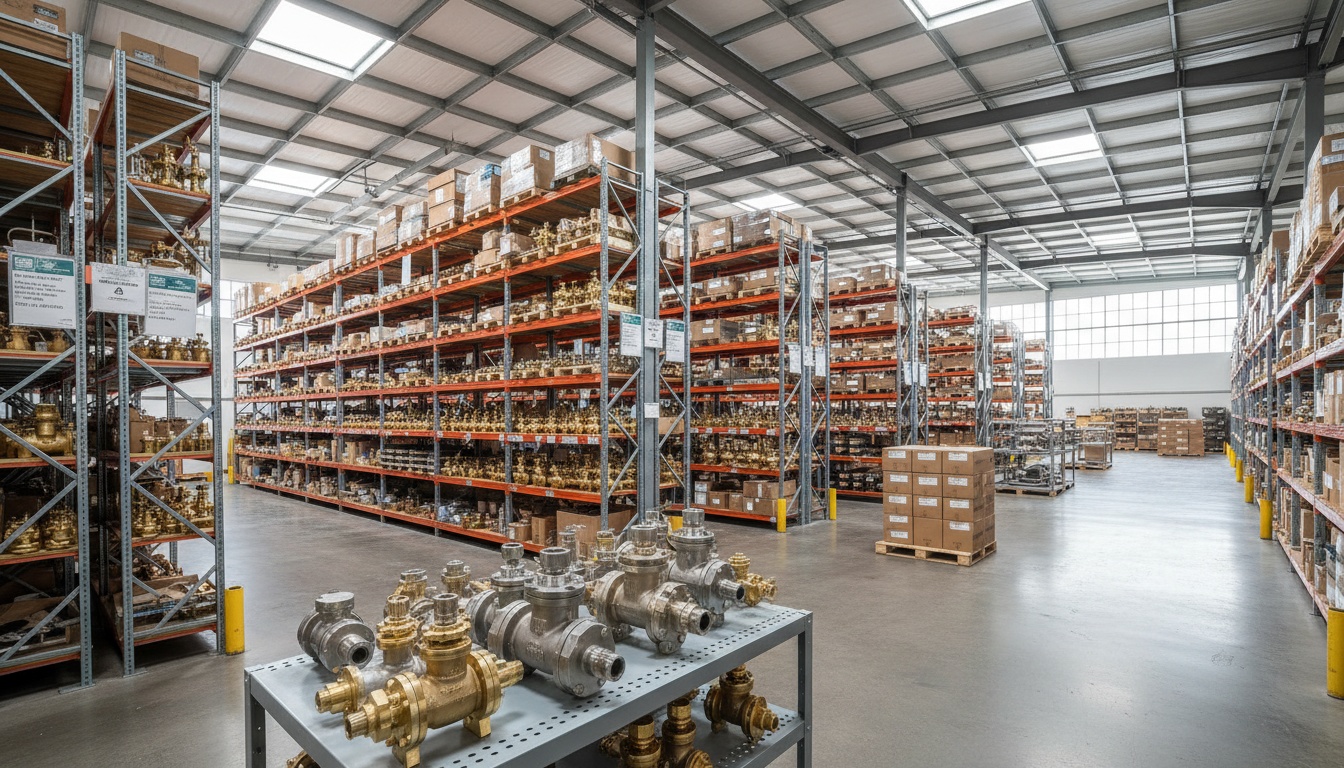
Business Assets Appraisal Cartoon Image from AppraiseItNow
Nationwide Service
Onsite or Online
USPAP-Compliant
IRS Qualified
DEFENSIBLE, USPAP-COMPLIANT APPRAISAL REPORTS — ACCEPTED BY 10,000+ ORGANIZATIONS

5-Star Service, Trusted & Loved by Hundreds

I was in dire need of an appraisal for my father's mobile home, which he needed for Medicaid approval. I couldn’t find anyone to do it for a long time, but then I found this company online and decided to give them a try. I’m so glad I did. They were wonderful to work with. I sent the pictures, and within just a few days I received the appraisal. They are absolutely worth the money.

The appraisal was done very well. Since he was a local artist here in Charleston, SC, they took the time to study and review Jim Booth’s art. His work has made him extremely famous, which can make an appraisal challenging, but they did a superb job and clearly explained how they arrived at the appraisal value. I highly recommend Appraise It Now and will use them again for all my artwork.

These guys were phenomenal. Joe was very responsive and gave clear instructions on how to submit my information for the appraisal, which he completed in a very quick timeframe. The appraisal itself was extremely detailed and included a thorough explanation of how they arrived at the value. It came with extensive documentation, and it’s clear they did a significant amount of research. They were also very responsive through text and email and always available to answer any questions. I had them appraise my fifth-wheel RV for resale, and I highly recommend their services. I will definitely use them again.

It is a pleasure to work with Joe and his team. They communicate every step along the way and made the process simple for us to have more than 35 firearms appraised. It was all done in a timely manner and the final report is easy to understand. I highly recommend their services.

I was very happy with the work put in on my totaled car appraisal. They did the appraisal quickly and VERY thoroughly. I felt like my insurance company gave a very low appraisal and Appraise It Now was very competitive, realistic and true to my expectations. The best part was they did a stellar job negotiating with my insurance company. I feel great about their work.

I was very pleased with the service from AppraiseItNow. They responded quickly, offered fair pricing and turnaround, and the appraisal was done by a highly qualified expert. I provided details, photos, and records, and the final report was exactly what I needed. Fantastic service. I’d definitely use them again.

Very thorough and professional — great communication and outstanding service. Highly impressed with their work!

AppraiseItNow Inc. is the best company I was lucky to find by accident. I was looking for someone to appraise cabinets for a donation to charity. I asked for multiple referrals, called multiple appraisal services, etc., and no one could help me. I found AppraiseItNow and from the moment I started working with them, they were wonderful! Joe guided me on what I needed to send him, what needed to be done and stayed in touch with me the entire time. Their customer service is OUTSTANDING and a welcome surprise in today’s world where good customer service is an anomaly! They returned an appraisal in a timely manner, it was clear, concise, cost-effective and exactly what I needed. They followed up with me multiple times to ensure that I received it and everything was OK. My CPA is also thrilled to have them as an accredited appraisal service he can use for other clients. I rarely leave reviews, but I could not pass giving them 5 stars and I’d give 10 if possible! THANK YOU JOE AND ALL AT APPRAISEITNOW!!👊🏼

We were amazed at their professionalism in working with us and the quality of the final appraisal report. And all for thousands less than other appraisers.

I asked AppraiseItNow to value a piece of sports memorabilia for purposes of a charitable donation. The item is rarely sold. Their research unearthed an important recent sale of a similar item, which I had not found previously, and which the first appraiser I used had not found either. AppraiseItNow was a good deal more expensive than the first service, but they crafted a detailed report in which I have much more confidence. They also helped me make sure the correct tax forms are used. Thank you!

Your Appraiser Search Ends Here

Your Appraiser Search Ends Here

A man and woman looking at a cell phone.

Nationwide Coverage – Appraisals Anywhere in the US

Our extensive network of professional appraisers ensures you receive accurate, trusted valuations wherever you are.

Get it done Onsite or Online

Choose between a seamless online process—preferred by most clients—or in-person service for complex assignments.

Any Asset, Covered

Nationwide appraisers for every asset— from buildings & businesses to vehicles & valuables.

Defensible for Any Purpose

For donations, estates, insurance, and more—our USPAP-compliant reports are built to meet the highest standards.

About Business Assets Appraisals for Probate

Frequently Asked
Questions

No Frequently Asked Questions Found.

What is Probate?

Probate is a legal mechanism designed to manage and distribute a deceased individual's assets systematically and transparently. This court-supervised process serves multiple critical functions that ensure an orderly transfer of property and financial resources after someone passes away.

At its core, probate validates the deceased's final will or determines asset distribution according to state law when no will exists. The process involves several essential steps, beginning with appointing an executor or personal representative responsible for managing the entire estate administration.

During probate, a comprehensive inventory of the deceased's assets is compiled, including real estate, financial accounts, investments, and personal property. Each asset is carefully documented and valued, which helps establish the total estate worth and determines potential tax liabilities.

Before beneficiaries receive their inheritance, the estate must resolve outstanding financial obligations. This includes paying remaining debts, settling tax responsibilities, and addressing any creditor claims. The court provides oversight to ensure all financial matters are handled equitably and legally.

The probate process offers significant legal protections for all parties involved. It establishes a transparent framework for asset distribution, helps prevent potential disputes among heirs, and ensures that the deceased's final wishes are respected and implemented according to legal standards.

While probate can seem complex, it ultimately provides a structured approach to managing an individual's final financial affairs, offering clarity and legal guidance during a challenging emotional period.

Why do I need an appraisal for Probate?

When navigating the probate process, obtaining an appraisal becomes a critical step that serves multiple essential purposes for executors and beneficiaries. The valuation provides a comprehensive snapshot of an estate's worth, ensuring transparency, legal compliance, and fair asset distribution during a complex and often emotional transition.

At its core, a probate appraisal establishes the precise fair market value of estate assets, reflecting their current worth under existing market conditions. This detailed assessment serves as a foundational document that prevents potential disputes among beneficiaries and provides a clear financial picture of the inherited property.

Tax considerations represent another crucial aspect of probate appraisals. Accurate valuations help executors determine potential estate tax liabilities, preventing potential financial penalties from under or over-reporting asset values. By capturing the exact market value at the time of death, the appraisal becomes an instrumental tool in managing the estate's tax obligations efficiently.

The probate appraisal also plays a pivotal role in equitable asset distribution. By providing objective, professional valuations, executors can ensure that beneficiaries receive fair shares consistent with the deceased's wishes. This approach minimizes potential conflicts and helps maintain family relationships during a challenging period of transition.

Legal requirements further underscore the importance of probate appraisals. Most courts mandate comprehensive documentation of an estate's value, and a professional appraisal satisfies this requirement. Without proper valuation, the probate process can experience significant delays or complications that prolong the settlement of the estate.

Moreover, the appraisal serves as a strategic tool for beneficiaries' future financial planning. Understanding the precise value of inherited assets enables informed decisions about retention, sale, insurance, and potential investment strategies. This information becomes a critical resource for long-term financial management.

Ultimately, a probate appraisal transcends mere documentation. It represents a comprehensive approach to estate management, providing clarity, legal compliance, and a foundation for future financial decisions during a complex and emotionally charged process.

What is a Business Assets appraisal?

A business assets appraisal represents a comprehensive professional evaluation determining the monetary value of both tangible and intangible assets within an organization. This systematic assessment provides critical insights into a company's total asset portfolio, enabling stakeholders to understand the true financial landscape of their business.

Tangible assets encompass physical properties like real estate, machinery, inventory, and equipment that can be directly observed and quantified. These concrete assets form the operational foundation of most businesses, representing significant capital investments that contribute to organizational productivity and value.

Intangible assets, while less visible, often represent substantial economic value. These include intellectual property, brand reputation, customer relationships, proprietary technologies, and strategic contracts. Though not physically present, these assets can substantially influence a company's market position and long-term financial potential.

Professionals conduct these appraisals using sophisticated methodologies that carefully analyze market conditions, asset characteristics, and potential future earnings. Typically, appraisers employ multiple approaches—cost, market, and income—to develop a comprehensive and nuanced valuation that reflects the complex nature of modern business assets.

The insights gained from a thorough assets appraisal extend far beyond simple monetary calculations. They provide strategic guidance for financial planning, support critical business decisions, and offer transparent documentation for various organizational needs, including financial reporting, insurance coverage, potential sales or mergers, and legal considerations.

By delivering an objective, detailed assessment of a company's asset portfolio, business assets appraisals empower leadership to make informed strategic choices, understand true organizational value, and effectively manage financial resources.

Can I get a Business Assets appraisal done online?

In the digital era, online business assets appraisals have become increasingly prevalent, offering professionals a convenient and efficient valuation method. Modern appraisal processes now leverage advanced technologies to conduct comprehensive assessments remotely, ensuring accuracy and maintaining professional standards.

Technological advancements enable appraisers to collect critical asset information through multiple digital channels. Clients can submit detailed photographs, documentation, and specifications electronically, allowing experts to perform thorough evaluations without physical presence. Advanced communication tools like video conferencing platforms further enhance this process, enabling real-time interactions and immediate clarification of asset details.

Online appraisals typically involve a structured approach where clients provide comprehensive asset documentation, including images, maintenance records, purchase histories, and current condition reports. Professional appraisers then analyze these materials using sophisticated valuation methodologies, generating precise and legally compliant assessment reports.

While digital appraisals offer significant convenience, they are most effective when clients provide transparent, accurate, and detailed information. Some complex assets might still require partial or full in-person evaluations to ensure complete accuracy. However, for many business assets, online appraisals represent a streamlined, cost-effective alternative to traditional assessment methods.

The key advantages of online business asset appraisals include increased accessibility, reduced logistical challenges, faster turnaround times, and the ability to obtain professional valuations regardless of geographical constraints. This approach empowers businesses to make informed decisions about their asset portfolios efficiently and effectively.

What are the different types of Business Assets appraisals?

Business asset appraisers are specialized professionals who provide critical valuations across various sectors and asset types. Each appraiser brings unique expertise to assess different components of a business's value, employing nuanced methodologies and industry-specific knowledge.

Real estate appraisers concentrate on property valuation, meticulously analyzing commercial and industrial properties by evaluating location, structural condition, zoning regulations, and current market dynamics. Their assessments provide comprehensive insights into real property worth.

Machinery and equipment appraisers focus on tangible operational assets, carefully examining manufacturing equipment, technological infrastructure, and office furnishings. They assess factors like age, functionality, maintenance history, and potential economic utility to determine precise monetary value.

Inventory appraisers specialize in quantifying stock and raw material values using sophisticated retail and wholesale valuation techniques. Their work is crucial during financial audits, strategic planning, and potential business transactions, ensuring accurate representation of a company's physical assets.

Intangible asset appraisers tackle the complex realm of non-physical assets, valuing intellectual property, brand reputation, customer relationships, trademarks, and patents. Their expertise is particularly vital during mergers, acquisitions, and financial restructuring efforts.

Business valuation appraisers provide holistic organizational assessments, integrating multiple valuation approaches to determine comprehensive business worth. They synthesize data from various asset categories, delivering nuanced insights that reflect the multifaceted nature of business value.

Specialized industry appraisers offer targeted expertise in specific sectors like healthcare, technology, or manufacturing. These professionals understand unique asset characteristics and industry-specific valuation complexities, providing tailored and precise assessments.

By understanding these diverse appraisal specializations, business leaders can make informed decisions, leveraging expert insights to optimize asset management and strategic planning.

Why should I get a Business Assets appraisal?

A business assets appraisal delivers a comprehensive evaluation critical for strategic decision-making and organizational success. This systematic process provides insights that extend far beyond simple monetary valuation, offering a nuanced understanding of an organization's tangible resources.

Financial reporting and regulatory compliance demand precise asset documentation. Accurate appraisals enable businesses to present transparent financial statements, satisfying stakeholder expectations and meeting complex regulatory requirements. These assessments provide a clear snapshot of an organization's economic landscape.

During merger and acquisition scenarios, asset appraisals become instrumental. They facilitate fair negotiations by establishing objective market values, reducing transactional risks, and ensuring equitable deal structures. Both parties gain confidence through professionally validated asset assessments.

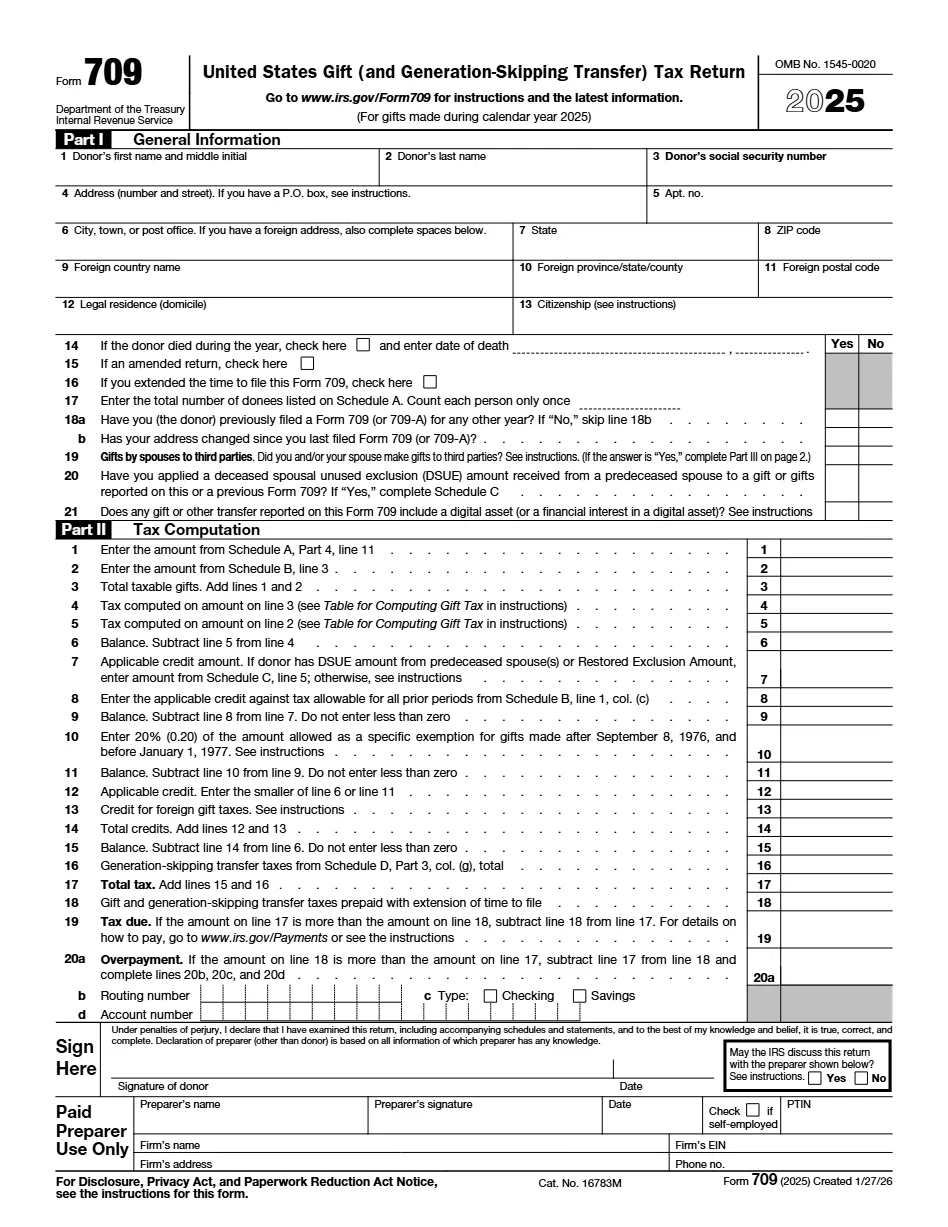
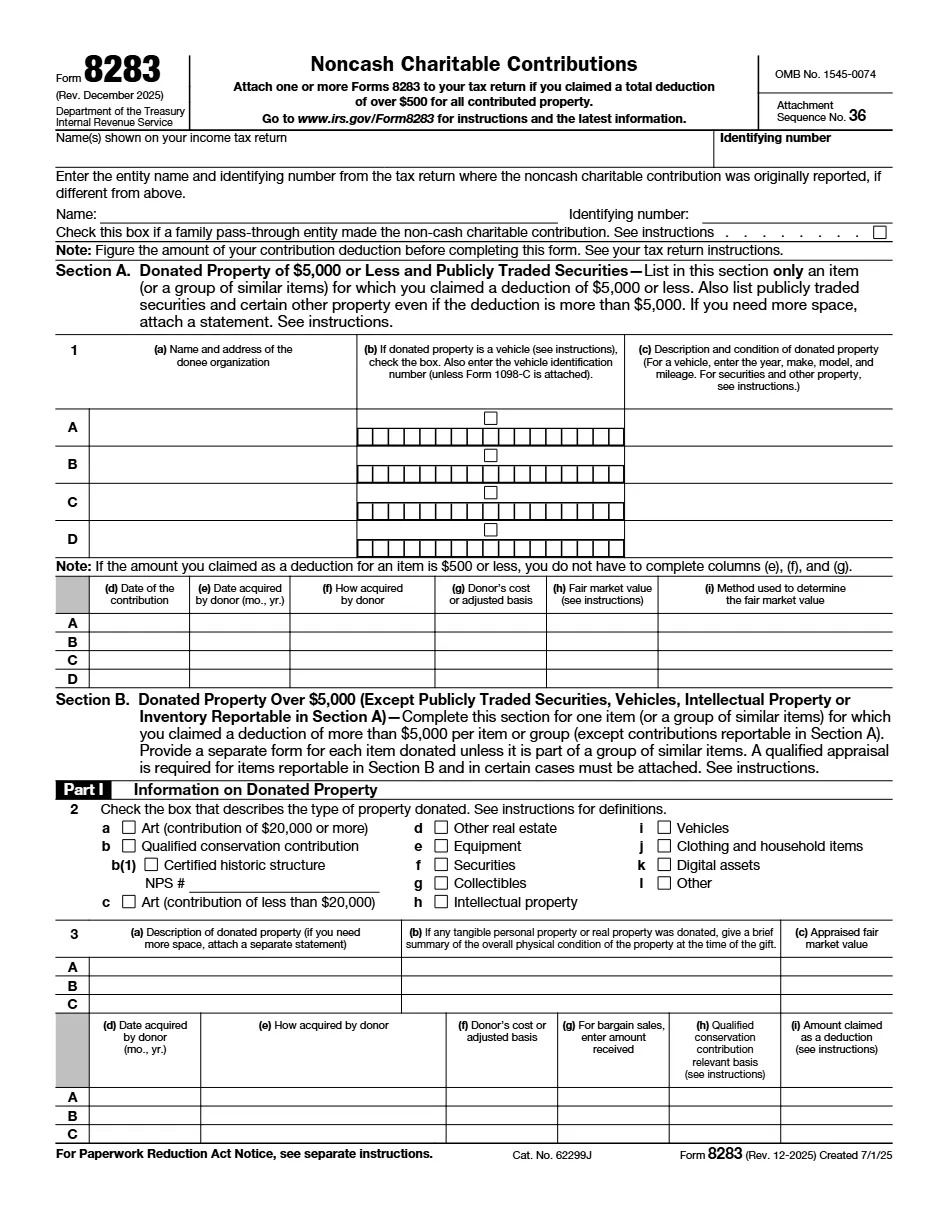
Tax considerations represent another critical dimension of business asset appraisals. Precise valuations influence potential tax deductions, support compliance with IRS guidelines, and provide defensible documentation for charitable donations or asset transfers. Businesses can strategically manage their tax responsibilities through comprehensive asset evaluations.

Insurance protection relies heavily on accurate asset valuation. By understanding the true replacement or market value of equipment, property, and resources, organizations can secure appropriate coverage levels. This approach mitigates potential financial vulnerabilities and ensures comprehensive risk management.

For financing and investment pursuits, credible asset appraisals strengthen an organization's positioning. Lenders and investors consistently seek transparent, professionally validated asset assessments that demonstrate fiscal responsibility and potential growth capacity.

Strategic asset management benefits substantially from regular, systematic appraisals. Organizations gain insights into depreciation, potential reinvestment opportunities, and resource optimization. These evaluations support long-term planning and help businesses make informed decisions about maintaining, replacing, or divesting assets.

Professional asset appraisals ultimately serve as a critical tool for organizational intelligence, providing a holistic view of an enterprise's economic foundation and potential. By delivering objective, detailed insights, these assessments empower businesses to navigate complex financial landscapes with confidence and precision.

How much does a Business Assets appraisal cost?

Introduction to Business Assets Appraisals for Probate

Business asset appraisals for probate are essential evaluations conducted to determine the fair market value of a company's assets at the time of an owner's death. These appraisals play a critical role in the probate process, ensuring that the distribution of assets among heirs is fair and equitable. A thorough appraisal provides a clear breakdown of business tangible and intangible assets, which may include equipment, inventory, real estate, and goodwill.

Understanding the complexities of business asset valuation can be challenging, particularly when considering factors like market conditions and the specific nature of the business itself. Appraisers use various approaches to determine value, including the income approach, market approach, and cost approach. Each method offers insights into the worth of the business and helps inform decisions made during probate proceedings.

Furthermore, accurate appraisals can help mitigate potential disputes among beneficiaries and streamline the probate process. When assets are properly valued, it not only ensures compliance with legal requirements but also creates transparency and trust among heirs. By recognizing the significance of business asset appraisals in probate, stakeholders can better navigate the complexities of asset distribution during a sensitive time.

Understanding the Importance of Business Asset Valuation in Probate

The valuation of business assets during probate is a crucial process that ensures fair distribution among heirs and beneficiaries. It involves determining the fair market value of a business and its tangible and intangible assets at the time of the owner's death. Accurate appraisals are essential not only for financial reporting but also for legal compliance, as they help the estate navigate potential tax obligations and mitigate disputes among heirs.

In probate situations, various types of business assets may need to be appraised, including inventory, equipment, real estate, and intellectual property. Each asset class has its unique valuation methods, which can range from comparable sales and income approaches to cost analysis techniques. Understanding these methods allows for a more precise and equitable asset evaluation, contributing to a smoother probate process and ensuring that each stakeholder's interests are taken into account.

Moreover, a well-conducted business asset appraisal can serve as a strategic tool for estate planning, helping business owners to make informed decisions while they are still alive. It provides the necessary insights to facilitate discussions on succession plans and liquidity needs, as well as potential tax implications. By recognizing the importance of business asset valuation in probate, individuals can take proactive steps to protect their legacy and provide clarity for their heirs during a challenging time.

What Constitutes Business Assets in a Probate Context?

In a probate context, business assets refer to the tangible and intangible items that contribute to a business's value at the time of a person's passing. Tangible assets include physical items such as machinery, inventory, and real property owned by the business. Intangible assets, on the other hand, encompass non-physical items like trademarks, patents, goodwill, and proprietary processes that can significantly influence the overall worth of the business. Understanding these distinctions is crucial for an accurate appraisal, as each component plays a vital role in determining the estate's total value.

The appraisal of business assets during probate often requires a thorough evaluation of the operational aspects of the business, including its revenue-generating capabilities, market position, and future earning potential. This assessment not only provides insights into the immediate value of the assets but also helps in addressing any debts or obligations the business may hold. Moreover, a well-rounded appraisal can facilitate a smoother transition for heirs or business partners, ensuring that the assets are appropriately valued and managed according to the deceased's wishes and applicable laws.

Common Types of Business Assets Subject to Appraisal

When assessing business assets for probate, several types of assets commonly come under evaluation. Tangible assets, such as machinery, equipment, and inventory, are typically prioritized due to their physical presence and clear market value. Intangible assets, including trademarks, patents, and customer lists, also play a significant role, as they can contribute immensely to a business's overall worth yet may require a more nuanced approach to appraisal.

Real estate holdings are another critical category of business assets subject to appraisal during probate. This can include land, buildings, and any improvements made on properties owned by the business. Determining the fair market value of real estate often involves analyzing comparable sales in the area, assessing the property’s condition, and considering its potential for future development or income generation.

Lastly, financial assets such as accounts receivable, investments, and equity interests in other businesses must be evaluated. These assets are crucial for establishing a business's overall financial health and can significantly influence the distribution of wealth during probate. A thorough appraisal process ensures that each asset is accurately valued, providing a clear picture of the business's worth and facilitating a fair resolution in the probate process.

The Probate Process: An Overview

The probate process is a legal procedure that occurs after an individual passes away, aimed at settling their estate. During probate, a court validates the deceased's will, identifies and inventories their assets, pays outstanding debts, and distributes the remaining assets to beneficiaries. This process can vary significantly by jurisdiction, and its complexity often depends on the size and nature of the estate, including whether any disputes arise among heirs or creditors.

One of the critical components of probate is the accurate valuation of business assets, as they may represent a substantial portion of the estate. This valuation is essential for ensuring that all beneficiaries receive their fair share, and it helps to determine the estate's overall tax obligations. Professional appraisals of business assets not only facilitate a smoother probate process but also provide a clear record that can be essential in mitigating potential conflicts among heirs.

Key Considerations When Valuing Business Assets for Probate

Valuing business assets for probate involves multiple considerations that can significantly impact the estate's overall valuation. One of the primary factors is the type of business entity, whether it’s a sole proprietorship, partnership, or corporation, as each has different implications for valuation. Additionally, the nature of the assets—be it tangible, such as equipment and inventory, or intangible, like goodwill and intellectual property—requires distinct valuation methodologies to ensure accuracy and compliance with legal standards.

Market conditions also play a crucial role in the appraisal process. Fluctuations in demand for the industry in which the business operates can affect the value of its assets. This makes it essential for appraisers to consider recent sales data and economic trends relevant to the specific business sector, ensuring that the valuation reflects the current marketplace rather than historical performance alone.

Finally, it's important to factor in the business’s operational performance, including profitability and revenue generation capabilities. An in-depth analysis of financial statements, such as profit and loss statements and balance sheets, will provide insight into future earnings potential. This holistic approach not only aids in complying with probate requirements but also helps in making informed decisions regarding the division or sale of business assets during the probate process.

Methods of Valuation for Business Assets

When valuing business assets, there are several established methods that appraisers utilize, each tailored to the specific nature of the asset in question. The Income Approach considers the revenue-generating potential of business assets, analyzing cash flow, earnings, and expected future revenue. This method is particularly useful for income-producing assets like commercial real estate or operational entities, where the overall value can be directly correlated with profitability. Alternatively, the Market Approach benchmarks the asset against comparable assets that have been sold recently, helping to establish a fair market value based on real-world transactions and market conditions.

Another common method is the Cost Approach, which estimates the value based on the cost to replace or reproduce the asset minus any depreciation. This approach is especially effective for tangible assets, such as machinery or equipment, where the physical condition and replacement costs can provide valuable insights into value. Ultimately, the choice of valuation method will depend on the specific circumstances surrounding the asset, including its type, market conditions, and intended use, making it essential for appraisers to apply the most appropriate methodology for accurate business asset valuation.

Selecting a Qualified Appraiser for Business Assets

Selecting a qualified appraiser for business assets is a crucial step in managing probate effectively. An experienced appraiser should possess a deep understanding of the specific industry related to the business, as well as knowledge of the relevant legal and financial implications of asset valuation. They should also hold appropriate certifications and credentials, demonstrating their expertise and commitment to best practices in the field.

In addition to qualifications, it is essential to assess the appraiser's experience in handling probate cases. A skilled appraiser will know how to navigate the complexities of valuing business assets, from tangible items like equipment and inventory to intangible assets such as goodwill and intellectual property. Engaging someone with a proven track record in similar situations can provide peace of mind that the appraisal will meet legal standards and accurately reflect the value of the assets involved.

Furthermore, consider the appraiser's communication skills and ability to provide a comprehensive report. An effective appraiser should not only present data clearly but also explain the methods used to arrive at the valuation. This level of transparency is vital for stakeholders involved in the probate process, as it fosters trust and helps ensure that all parties are informed and can confidently proceed with decisions based on the appraisal results.

Common Challenges in Business Assets Appraisals for Probate

Business asset appraisals for probate can be intricate due to various challenges that appraisers may face. One common issue is determining the accurate value of intangible assets, such as intellectual property, brand reputation, or customer relationships. These assets can significantly impact the overall valuation of the business, but their worth is often subjective and difficult to quantify, leading to potential disputes among stakeholders during the probate process.

Another challenge arises from the need for comprehensive financial documentation. Appraisers require access to detailed records, including financial statements, tax returns, and operational data to establish reliable valuations. In cases where record-keeping is poor or incomplete, appraisers may struggle to provide an accurate assessment, potentially complicating probate proceedings and prolonging the timeline for asset distribution.

Lastly, appraisers must navigate the emotional landscape often present during probate situations. Family dynamics and differing opinions regarding asset value can create tension, making it crucial for appraisers to remain objective and professional throughout the process. Effective communication and transparency in the appraisal process can help mitigate misunderstandings and ensure that all parties involved have a clear understanding of how business assets have been valued.

The Role of Business Appraisals in Settling Estates

Business appraisals play a crucial role in the probate process by providing an accurate assessment of a company's worth at the time of the owner's passing. This valuation is essential for settling the estate fairly among heirs and determining any tax obligations that may arise. Additionally, understanding the financial standing of the business can guide decisions regarding its future, whether that involves liquidating assets, transferring ownership, or restructuring operations.

An effective business appraisal typically considers various factors, including the company's revenue, profits, market conditions, and the value of tangible and intangible assets. Engaging a qualified appraiser ensures that the evaluation adheres to legal standards and reflects the true value, thereby minimizing disputes among beneficiaries and facilitating a smoother probate process. By clarifying the financial landscape of the business, appraisals help all parties involved make informed decisions while honoring the legacy of the deceased.

How to Prepare for a Business Asset Appraisal

Preparing for a business asset appraisal involves gathering comprehensive documentation and understanding the value of your assets. Start by compiling all necessary financial statements, tax returns, and records of any outstanding debts to offer a clear view of the business's financial health. Additionally, it is important to create a detailed list of all tangible and intangible assets, including equipment, inventory, intellectual property, and goodwill. This thorough preparation can streamline the appraisal process and ensure accurate evaluations.

Next, consider engaging with a qualified appraiser who specializes in business assets and probate cases. Communicating your objectives clearly can help the appraiser understand what aspects of the business are most relevant to your situation. During the appraisal, be prepared to answer questions about the operational aspects of the business, such as sales trends, market position, and management practices. This context can significantly enhance the appraisal's accuracy and relevance, ultimately aiding in the probate process.

Frequently Asked Questions About Business Assets Appraisals for Probate

Business asset appraisals for probate involve evaluating the fair market value of a business's tangible and intangible assets at the time of an individual's death. This process is crucial in determining the appropriate distribution of assets among heirs or beneficiaries. Understanding the components of these appraisals, such as equipment, inventory, and intellectual property, can enhance clarity during estate settlement. Accurate appraisals can also help in minimizing potential disputes among beneficiaries and in meeting legal requirements for probate proceedings.

When approaching a business asset appraisal for probate, several common questions often arise. Many individuals wonder about the qualifications and methodologies used by appraisers, as their expertise can significantly impact the valuation outcome. Others may seek clarity on how different types of business structures, such as partnerships or corporations, can affect the appraisal process. Addressing these concerns is vital, as it ensures that stakeholders have a comprehensive understanding of the appraisal process and the importance of obtaining a credible, unbiased valuation.

Business Assets Appraisals Anywhere in the US

Wisconsin
Wyoming
West Virginia
Washington
Vermont
Virginia
Utah
Tennessee
Texas
South Dakota
South Carolina
Rhode Island
Oregon
Pennsylvania
Oklahoma
Ohio
North Dakota
North Carolina
New Jersey
New York
New Mexico
New Hampshire
Nevada
Mississippi
Nebraska
Missouri
Montana
Minnesota
Michigan
Massachusetts
Kentucky
Maryland
Maine
Louisiana
Kansas
Indiana
Iowa
Idaho
Illinois
District of Columbia
Hawaii
Georgia
Florida
Delaware
Connecticut
Alabama
Colorado
Alaska
California
Arizona
Arkansas
View all Locations

BEST-IN-CLASS APPRAISERS, CREDENTIALED BY: