Equipment & Machinery Appraisal for Probate

⚡‍Get an instant response

Thank you! Your submission has been received!
Oops! Something went wrong while submitting the form.
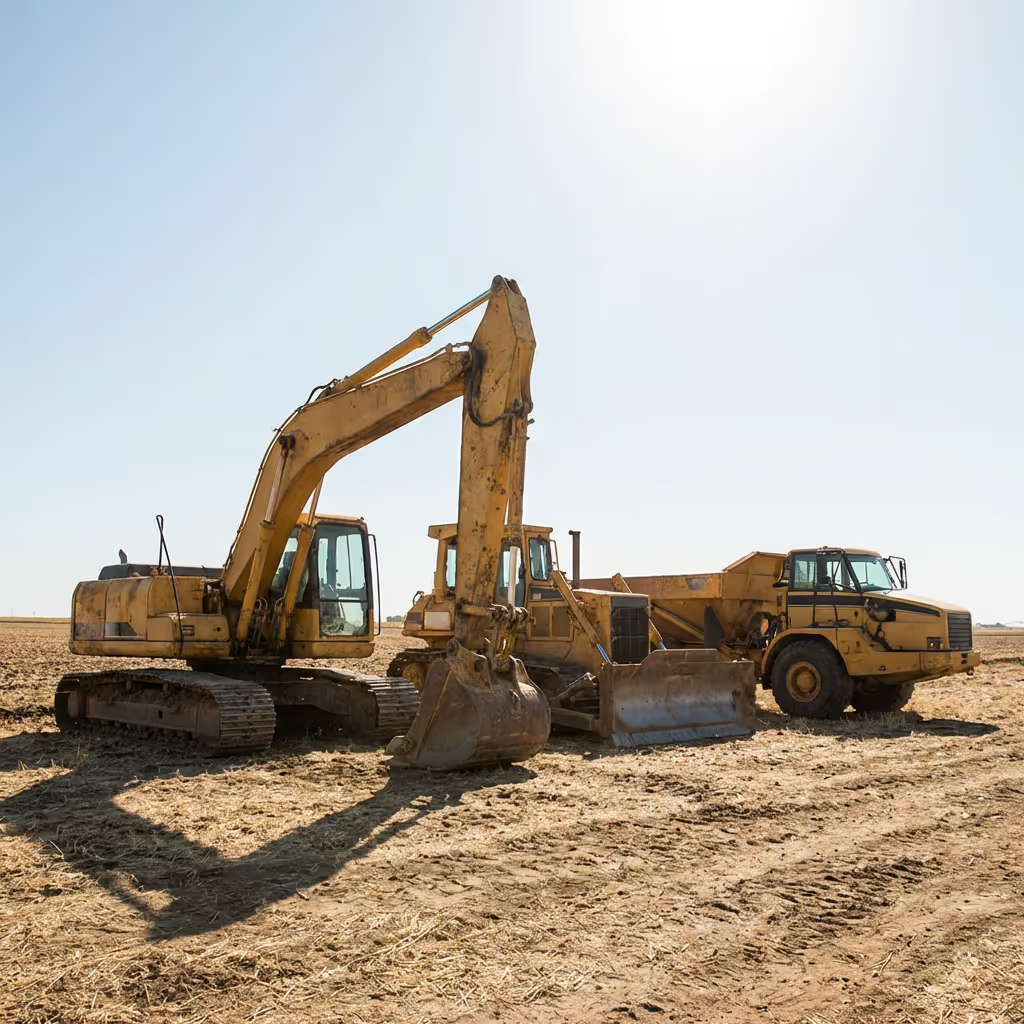
Equipment & Machinery Appraisal Cartoon Image from AppraiseItNow
Nationwide Service
Onsite or Online
USPAP-Compliant
IRS Qualified
DEFENSIBLE, USPAP-COMPLIANT APPRAISAL REPORTS — ACCEPTED BY 10,000+ ORGANIZATIONS

5-Star Valuation Services, Loved by Hundreds

Joe and his team were highly responsive and provided strong, well-supported comparisons to justify their appraisal values. The process of uploading photos was smooth and straightforward. We would definitely work with him again for future appraisal needs.

The AppraiseItNow team was great to work with. We hired them to appraise some precious metals for a charitable donation, and they were very helpful throughout the process. They provided clear instructions on how to submit photos and item descriptions, and delivered the appraisal and IRS forms within just a few days. Thank you so much, highly recommended!

My wife and I purchased a property that included a double-wide mobile home, which we decided to donate to a local charitable organization that provides housing for low-income families. This type of donation required a formal appraisal to qualify for an IRS tax deduction, so we reached out to Appraise It Now. From the start, they were able to clearly answer all of our questions about both the appraisal process and the tax deduction requirements. We provided photos and additional details, and within 10 days we received a thorough, well-prepared report that included all the necessary IRS forms. I’m giving Appraise It Now a five-star review because communication was excellent throughout the entire process. Everyone I spoke with was helpful, friendly, and professional, and emails were always answered quickly. We were completely satisfied with the experience. Thank you!

I was skeptical at first, but the company exceeded all of my expectations. The team responded quickly to every question, and the service was excellent. They’re now my go to source for my collection. I’ve used them twice already, and I plan to use them several more times.

AppraiseItNow did an excellent job appraising our unique art collection. Joe was always prompt and responsive, and he and his team delivered a thorough, well-supported appraisal in just a couple of weeks, even during the holiday season. I was genuinely impressed. Thank you for the great work!

10 Stars!! Joe was a pleasure to work with. Answered all my questions with incredible patience. Payment was swift and they got started immediately and the turn around time was much sooner than I expected. (I was on a time crunch and they got it done for me incredibly fast!) And the best part was the appraisal was even more than what I was expecting. And everything I need was sent to my email. Fantastic experience, would recommend to anyone needing an appraisal!

About Equipment & Machinery Appraisals for Probate

Equipment and Machinery appraisal for Probate requires precise, USPAP-compliant valuations so you can meet fiduciary duties, support estate and estate tax filings, and reduce the risk of beneficiary disputes. Executors typically prepare the inventory and arrange appraisals, and appraisal fees are usually paid from estate funds and recorded in probate accounting ([Justia](https://www.justia.com/probate/probate-administration/the-duties-of-an-executor-of-an-estate/valuing-assets-in-an-estate/) and our [probate overview](/purposes/appraisal-probate)). Appraisers commonly use market (sales-comparison), income, and cost (replacement minus depreciation) approaches, blending methods when comparable sales are limited; see our [equipment appraisal guidance](/types/equipment-and-machinery) for methodology details. Before you request an appraisal, gather manufacturer, model, and serial numbers, maintenance and repair logs, hours of operation, purchase invoices, title or lien documentation, and clear multi-angle photos to shorten turnaround and increase defensibility (see our checklist in [using an inventory for probate](/blog/using-an-inventory-and-appraisal-for-probate)). Expect typical turnaround from a few days for small, well-documented estates to several weeks for complex industrial collections. Cost ranges commonly reported are about $200 to $2,000 for simple items, $2,000 to $10,000 for medium to large or specialized machinery, and substantially higher for full business inventory engagements. For court acceptance or estate tax filings request a USPAP-compliant, IRS-ready report (learn more at [USPAP-compliant appraisals](/blog/uspap-compliant-appraisals) and see probate filing guidance at [LegalZoom](https://www.legalzoom.com/articles/what-assets-need-to-be-listed-for-probate)).

Frequently Asked
Questions

No Frequently Asked Questions Found.

What is Probate?

Probate is the legal process through which a deceased person’s assets are gathered, valued, and distributed under court supervision or according to applicable law. The process typically includes identifying property, resolving debts, addressing creditor claims, and transferring assets to beneficiaries or heirs. Courts and fiduciaries rely on accurate information to administer the estate properly and reduce disputes among interested parties.

Why do I need an appraisal for Probate?

A probate appraisal is an independent opinion of the fair market value of estate assets prepared to assist executors, administrators, and attorneys during estate administration. The valuation may be used for court filings, beneficiary reporting, settlement discussions, sales, or tax-related purposes.
Assignments can involve many asset categories, including personal property, artwork, jewelry, vehicles, machinery and equipment, inventory, cryptocurrency, and business interests. Reports are typically retrospective to the legally required date and are developed in accordance with recognized professional standards such as USPAP. The objective is to provide a credible, supportable value that fiduciaries and courts can rely upon.

What is an Equipment & Machinery appraisal?

An Equipment & Machinery appraisal represents a comprehensive professional assessment that determines the precise value of industrial assets. This meticulous evaluation provides critical insights into the monetary worth of machinery, tools, and equipment across diverse sectors such as manufacturing, construction, agriculture, and mining.

Professional certified appraisers utilize sophisticated methodologies to analyze machinery value, considering multiple critical factors. These include equipment age, current condition, operational performance, maintenance history, technological relevance, and prevailing market conditions. By incorporating detailed examinations of physical attributes and economic context, appraisers can generate an accurate and defensible valuation.

The appraisal process typically involves three primary valuation approaches: cost, market, and income. The cost approach evaluates replacement expenses while accounting for depreciation. The market approach compares similar equipment transactions to establish fair market value. The income approach estimates potential future economic benefits generated by the machinery.

Key considerations during an equipment appraisal extend beyond simple numerical calculations. Appraisers carefully assess unique characteristics like specialized modifications, technological capabilities, and potential obsolescence. They also examine maintenance records, operational efficiency, and broader industry trends that might influence asset value.

The resulting comprehensive report serves multiple strategic purposes. It provides crucial documentation for financial transactions, insurance coverage, tax planning, potential sales, mergers, and internal asset management. By offering an objective, professional evaluation, equipment appraisals enable businesses to make informed decisions about their capital assets.

Ultimately, an Equipment & Machinery appraisal delivers more than just a monetary figure. It provides a nuanced understanding of an organization's technological infrastructure, supporting strategic planning and financial transparency.

Can I get an Equipment & Machinery appraisal done online?

Online equipment and machinery appraisals have become increasingly feasible with advancements in digital communication technologies. The process typically begins by submitting comprehensive photographs and detailed information about the equipment, including its condition, usage history, and specific characteristics. These materials can be exchanged electronically, allowing appraisers to conduct preliminary assessments efficiently.

When photographic documentation requires supplementation, professional appraisers leverage video conferencing platforms to conduct live consultations. These virtual interactions enable real-time discussions about equipment specifics, allowing for a more nuanced evaluation of complex machinery or specialized assets. Such remote assessment methods can significantly reduce time and travel expenses associated with traditional in-person appraisals.

The effectiveness of online appraisals depends on several critical factors. High-resolution, well-lit photographs that capture multiple angles and key mechanical details are essential for accurate initial assessments. Clients should be prepared to provide comprehensive documentation, including maintenance records, operational history, and any unique modifications or features that might impact the equipment's value.

While online appraisals offer remarkable convenience, they are not universally applicable. Certain highly specialized or intricate equipment may still require in-person examination to ensure a comprehensive and precise valuation. Professional appraisers will typically indicate when a remote assessment is insufficient and an on-site inspection becomes necessary.

Clients should always verify an appraiser's professional credentials and ensure the evaluation meets industry standards, particularly the Uniform Standards of Professional Appraisal Practice (USPAP). This diligence guarantees the reliability and credibility of the appraisal for potential uses such as financial reporting, insurance claims, or resale considerations.

What are the different types of Equipment & Machinery appraisals?

Equipment and machinery appraisers are specialized professionals who provide critical valuation services across diverse industrial sectors. These experts possess deep technical knowledge and industry-specific expertise that enables precise assessment of equipment value. Their professional insights go far beyond basic price estimation, encompassing comprehensive evaluations that consider multiple complex factors.

Different types of equipment appraisers emerge from specific industrial domains, each bringing targeted expertise to the valuation process. Construction equipment appraisers evaluate heavy machinery like excavators and cranes, understanding regional development trends and equipment performance characteristics. Manufacturing equipment specialists focus on production machinery, analyzing technological complexity, usage history, and potential productivity impact.

Agricultural equipment appraisers examine farming machinery with nuanced understanding of seasonal productivity and technological advancements. Medical equipment professionals navigate intricate healthcare technology landscapes, assessing sophisticated diagnostic and surgical instruments. Transportation equipment experts evaluate vehicles and logistics equipment, considering depreciation rates and market demand dynamics.

Heavy equipment appraisers bring specialized knowledge to complex industrial machinery used in sectors like mining and energy. Technology equipment specialists track rapid technological evolution, providing critical insights into rapidly depreciating digital assets and communication systems.

Each appraiser type represents a unique intersection of technical knowledge, market understanding, and industry-specific insights. Their professional assessments provide crucial information for business decision-making, asset management, insurance purposes, and strategic planning across multiple economic sectors.

Why should I get an Equipment & Machinery appraisal?

Obtaining an equipment and machinery appraisal is a strategic necessity that provides comprehensive insights for businesses and individuals across multiple critical domains. Far beyond a simple valuation exercise, these assessments deliver actionable intelligence that supports informed decision-making and financial risk management.

Insurance coverage represents a primary driver for professional appraisals. An accurate valuation ensures precise protection against potential losses, preventing both underinsurance vulnerabilities and unnecessary premium expenditures. By establishing a credible baseline for asset worth, organizations can design insurance strategies that are both protective and cost-effective.

Tax compliance represents another compelling rationale for equipment appraisals. When donating high-value machinery or equipment, a professional assessment becomes essential for substantiating tax deduction claims. These documented valuations provide the necessary transparency to satisfy regulatory requirements while potentially maximizing financial benefits.

Financial reporting demands rigorous asset valuation. Appraisals offer a clear, defensible representation of equipment value on balance sheets, enabling more sophisticated financial analysis. This transparency becomes particularly crucial when attracting investors or securing lending, as financial institutions rely on precise asset assessments to evaluate collateral and organizational health.

Legal proceedings frequently necessitate objective equipment valuations. During complex scenarios like partnership dissolutions or divorce settlements, a professional appraisal provides an impartial benchmark for asset division. The documented valuation serves as a credible reference point for negotiations, potentially mitigating potential conflicts.

Transaction dynamics also benefit significantly from professional appraisals. Whether purchasing or selling machinery, an independent valuation establishes a fair market baseline. This approach fosters trust between parties, facilitates more transparent negotiations, and helps prevent potential disputes arising from subjective price perceptions.

Strategic asset management represents the most forward-looking benefit of equipment appraisals. Regular assessments provide insights into asset depreciation, replacement timing, and potential upgrade opportunities. By understanding the precise value and condition of existing equipment, organizations can make more intelligent decisions about resource allocation, technological investments, and long-term operational planning.

Ultimately, a professional equipment and machinery appraisal transcends mere number-crunching. It represents a sophisticated tool for financial governance, risk management, and strategic organizational development.

How much does an Equipment & Machinery appraisal cost?

Why Equipment & Machinery Valuation Matters in Probate

Equipment and machinery valuation during probate is a critical process that ensures fair asset distribution, accurate tax assessment, and strategic estate management. Understanding the nuanced importance of these valuations can help executors and beneficiaries navigate complex legal and financial considerations.

Key Reasons Equipment & Machinery Valuation Matters in Probate

1. Equitable Asset Distribution

  • Ensures beneficiaries receive fair and proportionate inheritance
  • Minimizes potential conflicts among heirs
  • Reduces risk of lengthy legal disputes
  • Maintains family harmony during emotionally challenging periods

2. Precise Tax Assessment

  • Provides accurate basis for estate and inheritance tax calculations
  • Helps prevent unexpected financial burdens
  • Creates clear documentation for tax authorities
  • Supports potential tax optimization strategies

3. Strategic Asset Management

  • Enables informed decision-making about asset retention or liquidation
  • Reflects current market conditions
  • Supports executors in fulfilling fiduciary responsibilities
  • Provides comprehensive understanding of estate asset value

4. Value Identification

  • Uncovers potential hidden or appreciated asset values
  • Identifies unique equipment characteristics that enhance worth
  • Maximizes potential estate returns
  • Prevents undervaluing specialized machinery

Professional equipment and machinery valuation during probate is more than a procedural step—it's a critical process that protects financial interests, facilitates fair distribution, and provides clarity during a complex legal transition.

Critical Factors Determining Equipment's Worth

Critical Factors Determining Equipment's Worth

When evaluating equipment and machinery for probate purposes, several critical factors collaboratively determine their market value. Understanding these elements provides clarity for estate executors, beneficiaries, and legal representatives during asset distribution.

Key Valuation Considerations

  1. Age and Condition
    • Newer machinery typically retains higher market value
    • Equipment maintenance directly impacts overall worth
    • Well-maintained items preserve value better than worn or damaged machinery
  2. Market Demand
    • Current industry trends significantly influence equipment valuation
    • Fully functional equipment meeting industry standards commands higher prices
    • Supply chain dynamics and economic indicators affect market value
  3. Original Cost and Depreciation
    • Initial purchase price establishes baseline valuation
    • Expected equipment lifespan helps determine residual value
    • Depreciation schedules provide insight into potential worth
  4. Equipment Specifications
    • Technical details like horsepower and capacity are crucial
    • Manufacturer reputation impacts overall equipment value
    • Specific models may have higher desirability in marketplace
  5. Compliance and Certifications
    • Equipment meeting safety regulations retains higher value
    • Documented certifications provide credibility to potential buyers
    • Verified compliance increases marketability

By comprehensively evaluating these interconnected factors, parties involved in probate can achieve a fair and accurate appraisal, facilitating equitable distribution of inherited machinery and equipment assets.

What Types of Assets Are Typically Appraised?

Types of Assets Typically Appraised in Equipment and Machinery Valuation

Equipment and machinery appraisals for probate purposes play a critical role in accurately assessing the total value of an estate. These comprehensive valuations help ensure fair distribution among heirs and provide a clear financial picture during estate settlement.

Key Asset Categories for Probate Appraisal

  • Industrial Machinery

    A comprehensive category that includes complex manufacturing equipment such as:

    • CNC machines
    • Precision lathes
    • Assembly line systems
    • Specialized production equipment
  • Construction Equipment

    Heavy machinery critical to construction and infrastructure development, including:

    • Bulldozers
    • Excavators
    • Cranes
    • Heavy-duty trucks and transporters
  • Agricultural Machinery

    Essential equipment for farming operations, such as:

    • Tractors
    • Harvesters
    • Plowing and cultivation equipment
    • Irrigation systems
  • Office and Professional Equipment

    Technology and furnishings that contribute to the estate's overall value:

    • Computer systems
    • Specialized office furniture
    • Networking infrastructure
    • Professional-grade electronics
  • Specialized Technical Equipment

    Unique assets requiring expert valuation:

    • Medical diagnostic devices
    • Scientific research instruments
    • Laboratory equipment
    • Industry-specific technological systems

Importance of Comprehensive Asset Appraisal

A thorough equipment and machinery appraisal during probate ensures accurate asset documentation, supports legal compliance, and facilitates equitable estate distribution. Professional appraisers consider multiple factors including current market conditions, equipment condition, age, and potential depreciation to provide a precise valuation.

By meticulously evaluating these diverse asset types, executors can confidently manage estate settlement, providing clarity and fairness during a potentially challenging transition period.

Navigating the Equipment Appraisal Workflow

Navigating the Equipment Appraisal Workflow

When it comes to equipment and machinery appraisals for probate purposes, understanding the workflow is critical for an accurate and efficient process. Here's a comprehensive guide to help you navigate this specialized appraisal journey.

Key Steps in the Equipment Appraisal Process

  1. Initial Assessment and Purpose Definition

    Begin by clearly defining the appraisal's purpose. In probate contexts, valuations may be necessary for:

    • Distributing estate assets
    • Determining overall estate value
    • Resolving potential conflicts among heirs

    Clear objectives will guide the entire appraisal process and set appropriate expectations.

  2. Selecting a Qualified Appraiser

    Choosing the right professional is crucial. Consider the following when selecting an appraiser:

    • Specialization in equipment and machinery appraisals
    • Deep understanding of current market trends
    • Expertise in specific valuation methods
    • Verified credentials and professional certifications
  3. Comprehensive Documentation Gathering

    Compile all relevant documentation before the appraisal, including:

    • Original purchase receipts
    • Detailed maintenance records
    • Previous appraisal documents
    • Equipment modification history

    These documents provide critical context for the valuation process.

  4. Thorough On-Site Inspection

    A comprehensive on-site evaluation is essential for accuracy. The appraiser will assess:

    • Current equipment condition
    • Operational functionality
    • Unique configurations
    • Age and wear factors
    • Any significant modifications
  5. Precise Valuation Methodology

    Appraisers utilize multiple valuation approaches, including:

    • Sales comparison approach
    • Cost approach
    • Income approach

    The selected method depends on equipment type, market conditions, and available comparative data.

  6. Detailed Report Compilation

    The final appraisal report should comprehensively document:

    • Detailed inspection findings
    • Valuation methodologies
    • Supported market value determination
    • Relevant supporting documentation
  7. Careful Review and Finalization

    Thoroughly review the appraisal report to ensure:

    • Complete accuracy
    • Clear and precise language
    • Compliance with legal standards
    • Readiness for probate proceedings

By following this structured workflow, you can ensure the equipment appraisal process is methodical, comprehensive, and aligned with professional standards.

How to Select a Qualified Machinery Appraiser

Selecting a qualified machinery appraiser is crucial to ensure accurate valuations, especially for probate purposes. An effective appraisal not only facilitates a smooth probate process but also provides stakeholders with peace of mind regarding asset distribution.

Key Criteria for Selecting a Qualified Machinery Appraiser

1. Verify Credentials and Professional Qualifications

  • Confirm certifications from recognized professional associations
  • Look for specialized training in machinery and equipment appraisal
  • Prioritize appraisers with in-depth industry-specific experience
  • Validate knowledge of:
    • Current market trends
    • Asset depreciation methods
    • Specialized valuation methodologies

2. Understand the Comprehensive Appraisal Process

  • Seek appraisers with a transparent methodology that includes:
    • Detailed physical equipment inspection
    • Thorough market analysis
    • Comprehensive review of sales history
  • Ensure the appraiser can clearly articulate how the final valuation was determined
  • Prioritize approaches that foster trust and clarity

3. Evaluate Communication Capabilities

  • Assess the appraiser's ability to:
    • Explain technical findings in accessible language
    • Prepare clear, comprehensive reports
    • Answer questions with precision
  • Effective communication helps minimize confusion during probate proceedings

4. Gather Professional Recommendations

  • Seek referrals from:
    • Legal professionals
    • Accountants
    • Industry peers
  • Personal recommendations can reveal proven, reliable appraisers

5. Conduct Thorough Background Research

  • Request and review:
    • Sample appraisal reports
    • Professional references
    • Documented track record of previous work
  • Look for consistent evidence of:
    • Professional reliability
    • Client satisfaction
    • Technical expertise

By meticulously following these guidelines, you can help ensure that your machinery appraisal will be conducted with the professionalism and accuracy necessary for probate proceedings. This careful selection process will ultimately contribute to a successful and transparent resolution of estate matters.

Overcoming Valuation Challenges in Probate Scenarios

Navigating the complexities of equipment and machinery appraisal during probate processes requires a strategic and comprehensive approach. Accurate valuations are essential not only for fair asset distribution but also for tax implications and legal compliance.

Key Challenges in Equipment Valuation

  • Market Value Dynamics

    Equipment values are influenced by multiple factors, including:

    • Current market demand
    • Asset age
    • Overall condition
    • Technological advancements

  • Comprehensive Condition Assessment

    A meticulous inspection is critical for accurate valuation, involving:

    • Identifying wear and tear
    • Documenting necessary repairs
    • Evaluating potential upgrades
    • Calculating precise depreciation

Strategic Approaches to Probate Equipment Appraisal

  1. Legal Compliance

    Understanding jurisdiction-specific regulations is paramount to prevent potential legal disputes and ensure proper valuation procedures.

  2. Expert Engagement

    Collaborating with certified appraisers who specialize in machinery provides critical advantages:

    • Enhanced valuation credibility
    • Comprehensive market trend analysis
    • Detailed condition reporting
    • Objective assessment methodology

  3. Transparent Communication

    Maintaining open dialogue with beneficiaries throughout the appraisal process helps:

    • Build trust
    • Minimize potential conflicts
    • Provide clear valuation explanations

Recommended Valuation Methodology

A comprehensive approach should include:

  • Detailed market research
  • Thorough physical inspection
  • Comparative sales analysis
  • Professional documentation

By addressing these challenges strategically and leveraging specialized expertise, stakeholders can achieve a fair, accurate, and legally compliant equipment and machinery appraisal that meets both legal requirements and beneficiary expectations.

Essential Documentation for Precise Appraisals

Essential Documentation for Precise Equipment and Machinery Appraisals

Comprehensive documentation is the cornerstone of accurate equipment and machinery appraisals, particularly during probate proceedings. Thorough documentation supports the valuation process and establishes the credibility of the appraisal.

Key Documentation Requirements

  1. Ownership and Purchase Documentation
    • Compile comprehensive ownership evidence
    • Include purchase agreements, invoices, and bills of sale
    • Establish a clear historical record of ownership and original cost
  2. Maintenance and Service History
    • Gather detailed service records
    • Document repairs, updates, and modifications
    • Demonstrate equipment maintenance and care over its lifecycle
  3. Visual and Technical Documentation
    • Provide high-quality photographs from multiple angles
    • Include detailed equipment specifications
    • Highlight model numbers, manufacture year, and unique features
    • Document any existing defects or damages
  4. Market Comparative Analysis
    • Supply data on comparable equipment sales
    • Provide recent market appraisals
    • Assist appraisers in understanding current market trends
  5. Operational Status Assessment
    • Document current equipment functionality
    • Record usage hours and performance metrics
    • Explain any changes in equipment utilization

Meticulously assembling these documents creates a comprehensive profile that enables appraisers to conduct an informed and equitable valuation during the probate process.

The Strategic Advantages of Professional Probate Appraisals

Probate appraisals for equipment and machinery represent a critical component in navigating the complex legal landscape of estate settlement. These professional assessments deliver much more than a simple price tag—they provide a comprehensive, legally defensible valuation that serves multiple strategic purposes.

Key Strategic Benefits of Professional Probate Appraisals

1. Precision and Accuracy in Valuation

  • Trained professionals utilize comprehensive methodologies to assess equipment and machinery
  • Evaluate multiple factors including current condition, market demand, and comparable sales
  • Deliver objective, defensible market value estimates that reflect true economic realities

2. Legal Compliance and Risk Mitigation

  • Ensure appraisal reports meet stringent legal and judicial standards
  • Minimize potential disputes among beneficiaries and executors
  • Provide documentation that withstands potential legal scrutiny

3. Fair and Transparent Asset Distribution

  • Create a neutral, fact-based foundation for estate division
  • Help maintain family relationships during emotionally challenging transitions
  • Provide clear, documented valuation to prevent potential conflicts

4. Strategic Tax Planning

  • Generate precise valuations critical for accurate tax reporting
  • Potentially identify strategies to minimize estate tax liabilities
  • Provide comprehensive documentation for tax authorities

5. Specialized Technical Expertise

  • Deep understanding of equipment value across diverse industries
  • Recognition of nuanced factors affecting machinery valuation
  • Ability to assess specialized or uncommon asset types

Professional probate appraisals transform a potentially complex and contentious process into a structured, transparent approach. By leveraging expert insights, estates can navigate asset valuation with confidence, ensuring legal compliance, fairness, and financial clarity.

Your Equipment Appraisal Questions Answered

Understanding Equipment Appraisals for Probate

Navigating equipment and machinery appraisals during probate can be complex. Here's a comprehensive guide to help you understand the crucial aspects of this process.

What is an Equipment Appraisal?

An equipment appraisal is a detailed assessment that determines the fair market value of machinery and equipment. Key characteristics include:

  • Provides an objective valuation of assets
  • Uses multiple valuation methodologies:
    • Cost approach
    • Income approach
    • Market comparison method
  • Critical for accurate asset distribution in probate proceedings

Importance in Probate Proceedings

Equipment appraisals serve several critical functions:

  1. Ensures equitable asset distribution among heirs
  2. Facilitates accurate tax reporting
  3. Helps prevent potential disputes over asset valuation
  4. Provides a legally defensible assessment of equipment value

Selecting the Right Appraiser

Choosing a qualified professional is essential. Consider the following criteria:

  • Certified and accredited appraisal credentials
  • Industry-specific expertise
  • Experience with probate-related valuations
  • Ability to provide objective, comprehensive assessments

Appraisal Process and Timeline

The duration of an equipment appraisal varies based on several factors:

  • Complexity of equipment
  • Quantity of items being appraised
  • Typical timeline: 3-6 weeks

Essential Documentation

To support a thorough appraisal, gather the following documents:

  • Original purchase invoices
  • Comprehensive maintenance records
  • Previous appraisal documents
  • Equipment specifications and performance history

By understanding these key aspects, stakeholders can navigate the equipment appraisal process more confidently, ensuring a smooth and transparent asset valuation during probate.

Achieving Equitable Valuation in Probate Proceedings

In probate proceedings, achieving an equitable valuation of equipment and machinery is fundamental to ensuring fair asset distribution among heirs and beneficiaries. A precise appraisal provides critical clarity and helps prevent potential disputes during the settlement process.

Complexity of Equipment Valuation

Equipment and machinery valuations are inherently complex due to multiple influencing factors:

  • Asset age and overall condition
  • Current market demand
  • Technological advancements
  • Specific industry depreciation rates

Key Considerations in Appraisal Processes

Different machinery categories require specialized valuation approaches. For example, heavy construction equipment depreciates differently from specialized medical instruments or agricultural machinery.

Why Professional Expertise Matters

Qualified appraisers bring critical advantages to the valuation process:

  1. Deep understanding of market dynamics
  2. Comprehensive assessment methodologies
  3. Objective determination of fair market value
  4. Recognition of unique asset characteristics

Benefits of Accurate Asset Valuation

Beyond financial considerations, precise equipment appraisals during probate proceedings offer significant advantages:

  • Promotes transparency among beneficiaries
  • Reduces potential family conflicts
  • Supports preservation of family legacies and business interests
  • Simplifies the overall settlement process

Ultimately, achieving an equitable valuation requires professional expertise, comprehensive market knowledge, and a nuanced understanding of asset-specific characteristics. By engaging specialized appraisers, families can navigate probate proceedings with greater confidence and clarity.

Equipment & Machinery Appraisals Anywhere in the US

Wisconsin
Wyoming
West Virginia
Washington
Vermont
Virginia
Utah
Tennessee
Texas
South Dakota
South Carolina
Rhode Island
Oregon
Pennsylvania
Oklahoma
Ohio
North Dakota
North Carolina
New Jersey
New York
New Mexico
New Hampshire
Nevada
Mississippi
Nebraska
Missouri
Montana
Minnesota
Michigan
Massachusetts
Kentucky
Maryland
Maine
Louisiana
Kansas
Indiana
Iowa
Idaho
Illinois
District of Columbia
Hawaii
Georgia
Florida
Delaware
Connecticut
Alabama
Colorado
Alaska
California
Arizona
Arkansas
View all Locations

APPRAISEITNOW APPRAISERS ARE BEST-IN-CLASS & CREDENTIALED BY LEADING APPRAISAL ORGANIZATIONS LIKE THE ISA, ASA, & MORE.