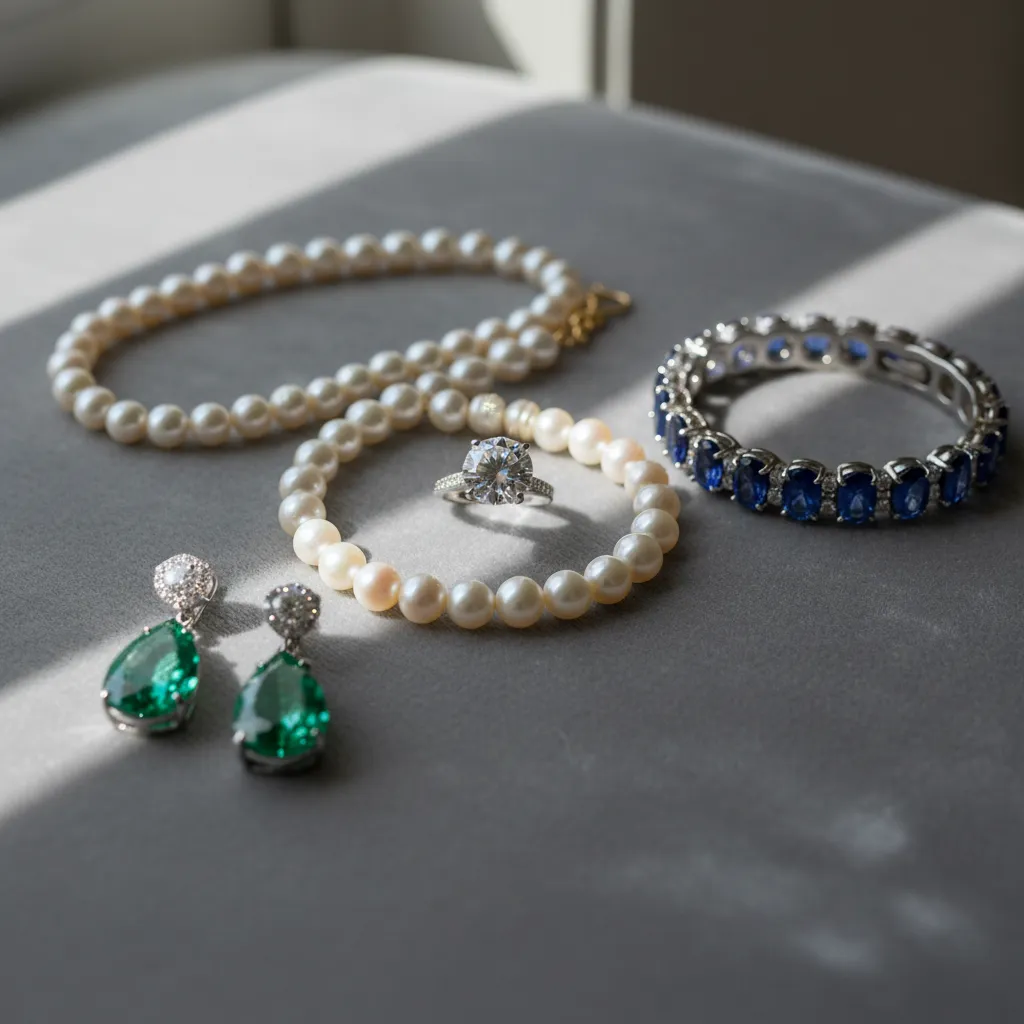





Jewelry Appraisal for Fair Market Value

⚡‍Get an instant response

Thank you! Your submission has been received!
Oops! Something went wrong while submitting the form.
Jewelry Appraisal Cartoon Image from AppraiseItNow
Nationwide Service
Onsite or Online
USPAP-Compliant
IRS Qualified
DEFENSIBLE, USPAP-COMPLIANT APPRAISAL REPORTS — ACCEPTED BY 10,000+ ORGANIZATIONS

5-Star Valuation Services, Loved by Hundreds

AppraiseItNow, Inc. was professional in every way. They were prompt, thorough, and provided impressive credentials that demonstrated their expertise. I highly recommend their services.

Affordable and reliable, with fast service and always responsive to my messages and questions. They delivered my appraisal on time without a glitch. 100% Recommended! I wouldn’t use anyone else for my business. Thank you, Joe — you’re great!

Joe and his team were highly responsive and provided strong, well-supported comparisons to justify their appraisal values. The process of uploading photos was smooth and straightforward. We would definitely work with him again for future appraisal needs.

The AppraiseItNow team was great to work with. We hired them to appraise some precious metals for a charitable donation, and they were very helpful throughout the process. They provided clear instructions on how to submit photos and item descriptions, and delivered the appraisal and IRS forms within just a few days. Thank you so much, highly recommended!

My wife and I purchased a property that included a double-wide mobile home, which we decided to donate to a local charitable organization that provides housing for low-income families. This type of donation required a formal appraisal to qualify for an IRS tax deduction, so we reached out to Appraise It Now. From the start, they were able to clearly answer all of our questions about both the appraisal process and the tax deduction requirements. We provided photos and additional details, and within 10 days we received a thorough, well-prepared report that included all the necessary IRS forms. I’m giving Appraise It Now a five-star review because communication was excellent throughout the entire process. Everyone I spoke with was helpful, friendly, and professional, and emails were always answered quickly. We were completely satisfied with the experience. Thank you!

I was skeptical at first, but the company exceeded all of my expectations. The team responded quickly to every question, and the service was excellent. They’re now my go to source for my collection. I’ve used them twice already, and I plan to use them several more times.

About Jewelry Appraisals for Fair Market Value

Frequently Asked
Questions

No Frequently Asked Questions Found.

What is Fair Market Value?

Fair Market Value (FMV) represents the most probable price a property would sell for in an open and competitive market. This valuation occurs under conditions where both buyer and seller are acting prudently, knowledgeably, and without undue external pressures. The concept is fundamental in real estate, finance, and taxation, providing a standardized method for determining a property's true economic worth.

The determination of FMV is a complex process influenced by multiple interconnected factors. Market conditions play a critical role, with economic climate, local trends, and buyer demand dynamically shaping property valuations. Professional appraisers employ sophisticated methodologies to assess value, including comparative market analysis, cost-based approaches, and income potential evaluations.

Key elements that impact Fair Market Value include property location, physical condition, architectural features, and broader economic indicators. A property's neighborhood, proximity to amenities, structural integrity, and current market dynamics all contribute to its perceived value. Importantly, FMV differs significantly from distressed sale prices, which can artificially deflate a property's true market potential.

Legal and financial contexts frequently rely on accurate FMV assessments. From estate planning and divorce settlements to tax calculations and insurance purposes, a precise valuation ensures equitable transactions and compliance with regulatory requirements. The underlying principle remains consistent: determining the most realistic price a property would command under normal market circumstances.

Understanding Fair Market Value empowers individuals and professionals to make informed decisions, ensuring transparency and fairness in property-related transactions. By comprehending the nuanced factors that influence valuation, stakeholders can navigate real estate markets with greater confidence and strategic insight.

Why do I need an appraisal for Fair Market Value?

An appraisal for Fair Market Value (FMV) represents a professional assessment that objectively determines the most probable price an asset would command in an open, competitive market. This valuation method provides a comprehensive and unbiased estimate of worth, taking into account current market conditions, asset characteristics, and economic dynamics.

The fundamental principle behind Fair Market Value is rooted in the interaction between hypothetical willing buyers and sellers, each possessing reasonable market knowledge and operating without undue pressure or constraints. This approach ensures an impartial evaluation that reflects true market potential rather than subjective or artificially manipulated pricing.

The complexity of determining Fair Market Value involves carefully analyzing multiple critical factors. These include the asset's physical condition, current market trends, geographical location, and comparable recent sales data. Appraisers meticulously examine these elements to construct a precise and defensible value estimate that represents the most likely transaction price under typical market circumstances.

Precise Fair Market Value appraisals play a crucial role across diverse contexts, spanning real estate transactions, estate planning, business valuations, and tax assessments. By providing a standardized method of determining asset worth, these evaluations facilitate transparent and equitable financial decision-making, helping stakeholders understand the true economic value of their assets with confidence and clarity.

What is a Jewelry appraisal?

A jewelry appraisal is a comprehensive professional assessment that determines the intrinsic and market value of a piece of jewelry by carefully examining its unique characteristics. This specialized evaluation goes beyond simple pricing, providing a detailed analysis of an item's materials, craftsmanship, historical significance, and current market worth.

Professional appraisers meticulously examine each piece, considering multiple critical factors such as gemstone quality, metal composition, design intricacy, brand heritage, and overall condition. The process involves precise technical evaluation and expert market knowledge to establish an accurate and defensible valuation.

Jewelry owners seek appraisals for several important reasons. These include securing appropriate insurance coverage, understanding potential resale value, facilitating estate planning, and gaining deeper insight into the piece's historical and artistic significance. Each appraisal serves as an authoritative document that captures the unique story and value of a specific jewelry item.

The examination typically involves comprehensive steps: visual inspection, specialized gemological testing, comparative market research, and detailed documentation. Appraisers use advanced tools and extensive expertise to analyze every aspect of the jewelry, ensuring a thorough and precise assessment that reflects the item's true worth in the current marketplace.

By providing a professional, objective evaluation, a jewelry appraisal offers owners peace of mind and a clear understanding of their treasured possessions' value and significance.

Can I get a Jewelry appraisal done online?

Online jewelry appraisals have emerged as a convenient and efficient method for assessing the value of precious pieces in today's digital landscape. Through advanced technology and professional communication tools, individuals can now obtain comprehensive jewelry evaluations without leaving their homes.

The process typically involves submitting high-resolution photographs that capture multiple angles of the jewelry item. Clients are asked to provide detailed information about the piece, including its metal composition, gemstone characteristics, provenance, and accompanying documentation. These materials help appraisers conduct a thorough initial assessment.

For more complex or nuanced evaluations, live video conferencing platforms offer an interactive alternative. Professional appraisers can examine the jewelry in real-time, asking questions and requesting specific views to ensure a comprehensive analysis. This approach allows for immediate clarification and detailed examination that closely mimics an in-person assessment.

Professional online appraisals adhere to the Uniform Standards of Professional Appraisal Practice (USPAP), maintaining rigorous standards of accuracy and integrity. This ensures that the evaluation meets professional criteria, making the documentation valuable for insurance, estate planning, or potential resale purposes.

The digital approach to jewelry appraisal represents a modern solution that combines technological convenience with professional expertise, providing accessible and reliable valuation services for a wide range of precious items.

What are the different types of Jewelry appraisals?

Jewelry appraisers are specialized professionals who bring unique expertise to evaluating precious items. Each type of appraiser offers distinct skills tailored to specific contexts and client needs.

Retail appraisers work closely with jewelry stores, focusing on current market values and resale potential. Their insights are particularly valuable for setting competitive pricing and understanding retail market dynamics.

Insurance appraisers concentrate on determining precise replacement values. They meticulously assess factors like quality, rarity, and current market conditions to ensure comprehensive coverage that protects clients' valuable investments.

Estate appraisers bring specialized knowledge to evaluating jewelry within broader inheritance contexts. Their expertise extends beyond monetary value, incorporating historical significance and provenance when assessing antique or heirloom pieces.

Subject matter experts represent the pinnacle of specialized knowledge, often focusing on specific jewelry types or gemstone categories. Their deep understanding allows for nuanced assessments that consider intricate details of craftsmanship, authenticity, and historical context.

Independent appraisers offer unbiased evaluations free from retail influences. Operating autonomously, they provide objective assessments for personal collections, potential sales, and estate planning purposes.

Gemologists, while not exclusively appraisers, play a critical role in the valuation process. Their technical expertise in identifying and grading gemstones and precious metals provides foundational insights for accurate jewelry assessment.

Selecting the appropriate appraiser requires careful consideration of individual needs, ensuring a comprehensive and accurate evaluation of valuable jewelry pieces.

Why should I get a Jewelry appraisal?

Jewelry holds profound significance beyond its aesthetic appeal, embodying both financial and emotional value. An expert appraisal provides critical insights into the true worth of your treasured pieces, offering far-reaching benefits across multiple aspects of personal and financial planning.

Insurance protection represents a fundamental reason for professional jewelry assessment. Accurate appraisals ensure comprehensive coverage, enabling smooth claims processes in cases of loss, theft, or damage. Precise documentation helps guarantee that the full value of your cherished items is recognized and appropriately compensated.

Tax considerations also merit careful attention. Donations of valuable jewelry require official documentation to claim appropriate tax deductions. An professional appraisal provides authoritative verification of an item's worth, supporting accurate reporting and potentially maximizing potential tax benefits while maintaining strict compliance with regulatory requirements.

Estate planning demands meticulous valuation of personal assets. Jewelry appraisals play a crucial role in fairly distributing inherited pieces, preventing potential family disputes and ensuring transparent, equitable allocation of valuable items among heirs and beneficiaries.

For those considering selling or liquidating jewelry, a professional appraisal becomes an invaluable tool. Detailed documentation provides potential buyers with confidence, facilitating more transparent and potentially more lucrative transactions across various sales platforms, from auction houses to private markets.

Market dynamics continuously influence jewelry values, making periodic reassessment essential. Regular appraisals help owners stay informed about current market trends, enabling more strategic decisions about collecting, preserving, or potentially selling valuable pieces.

A comprehensive jewelry appraisal transcends mere monetary assessment, offering peace of mind and strategic insights that protect both financial interests and personal treasures.

How much does a Jewelry appraisal cost?

Understanding Jewelry Appraisals

Jewelry appraisals play a crucial role in determining the fair market value of your precious pieces. Fair market value refers to the price that a willing buyer would pay a willing seller in an open and competitive market. To accurately assess this value, a qualified appraiser will take into consideration various factors including the type of jewelry, the materials used, the quality of craftsmanship, and any historical or artistic significance attached to the piece. This objective evaluation helps provide owners with a definitive understanding of their jewelry's worth, whether for insurance, resale, or estate planning purposes.

During the appraisal process, appraisers utilize specialized tools and techniques to evaluate each item comprehensively. They often employ gemological standards to assess gemstones' intrinsic qualities and characteristics, such as cut, color, clarity, and carat weight. In addition, the appraisal will also encompass similar considerations for precious metals, factoring in the current market trends and pricing. By establishing a detailed appraisal report, owners gain a trusted document that not only validates their jewelry’s market value but can also serve as an essential resource for insurance policies or potential future sales.

What is Fair Market Value?

Fair Market Value (FMV) refers to the price that a willing buyer would pay to a willing seller in an open and unrestricted market, both possessing reasonable knowledge of the relevant facts. In the context of jewelry appraisals, determining FMV requires a thorough understanding of various factors, including the piece's quality, material, provenance, and current market trends. Unlike other valuation methods, FMV is heavily influenced by how the market perceives the item, making it crucial for appraisers to stay updated on jewelry market fluctuations.

When it comes to jewelry, FMV is particularly important for individuals looking to insure their pieces, sell them, or settle estates. It gives a transparent and standardized way to value items, ensuring that all parties involved have a mutual understanding of worth. This helps prevent disputes and provides clarity during transactions, whether between private parties or in formal business settings. Understanding FMV can empower jewelry owners to make informed decisions regarding their cherished pieces.

Why Get a Jewelry Appraisal?

A jewelry appraisal is essential for establishing the fair market value of your precious items, which can vary significantly due to factors like design, craftsmanship, and market demand. Knowing the fair market value is crucial for various situations, including insurance purposes, estate planning, and when making significant financial decisions. It provides you with a documented value that can protect your investment in case of loss, theft, or damage, ensuring that you receive fair compensation when needed.

Additionally, a jewelry appraisal can enhance your understanding of your pieces' worth over time, especially as the market fluctuates. This knowledge can be particularly helpful when considering selling, trading, or passing down heirlooms to the next generation. By investing in a professional appraisal, you not only gain insights into your jewelry's value but also ensure that you are equipped with the necessary information to make informed decisions about your valuable assets.

Types of Jewelry Appraisals

Jewelry appraisals can be categorized into several types, each serving a distinct purpose. The most common type is the retail replacement value appraisal, which estimates the cost to replace a piece of jewelry in the current market. This appraisal is often used for insurance purposes, providing a benchmark amount that the policyholder would need to recover or replace the item in case of loss or damage. Another prevalent type is the fair market value appraisal, which determines what a piece of jewelry would reasonably sell for in the current market between a willing buyer and seller.

Additionally, there are specialized appraisals that cater to unique situations, such as estate appraisals, which assess the value of jewelry items to assist with inheritance and estate settlement. Furthermore, an investment appraisal focuses on the jewelry’s potential for appreciation over time, which can be beneficial for collectors or investors. Each type of appraisal requires a qualified appraiser who can accurately evaluate the jewelry while considering market conditions, trends, and the item’s individual characteristics, such as craftsmanship and condition.

The Appraisal Process Explained

The process of jewelry appraisal for fair market value involves a comprehensive assessment by a qualified appraiser with expertise in gems and precious metals. Typically, this begins with a thorough examination of the jewelry piece, including its materials, craftsmanship, and overall condition. Appraisers may use tools such as loupes and microscopes to closely inspect the gemstones for clarity, cut, carat weight, and color, as well as to assess the quality of any metals involved, such as gold or platinum. This detailed analysis allows the appraiser to understand both the intrinsic value and the appeal of the item in the current marketplace.

Following the examination, the appraiser will conduct thorough market research to determine comparable sales and current market trends influencing the item’s value. This research aids in establishing a fair market value that reflects what a buyer might reasonably pay in an open market transaction. The final appraisal report will include a description of the jewelry, the methodology used for valuation, and any relevant supporting data. This report serves not only as a financial document for insurance purposes but also plays a crucial role in resale, estate planning, or legal matters involving the jewelry.

Choosing the Right Appraiser

Choosing the right appraiser is a crucial step in obtaining an accurate jewelry appraisal for fair market value. It's essential to select a professional who is certified and has experience specifically in jewelry appraisals. The credentials of an appraiser can include affiliations with reputable organizations, such as the Gemological Institute of America (GIA) or the American Society of Appraisers (ASA), which can provide assurance of their knowledge and expertise in the field. Additionally, reviewing their previous work and client testimonials can help gauge their reliability and the quality of their appraisals.

Another important factor is the appraiser's understanding of the current market trends for jewelry, as values can fluctuate depending on various elements such as craftsmanship, material, and demand. Engaging an appraiser who is well-connected within the jewelry industry may lead to a more precise evaluation, reflecting true market conditions. It's advisable to discuss your specific needs and expectations with potential appraisers during initial consultations to ensure you choose one who aligns with your requirements and has a transparent understanding of the appraisal process.

Factors Affecting Jewelry Value

The value of jewelry is influenced by several key factors that appraisers consider when determining its Fair Market Value. One of the most significant factors is the quality of the materials used, including the type of metal, gemstones, and overall craftsmanship. For instance, gold and platinum typically hold higher value compared to silver, while high-quality diamonds and rare colored gemstones can substantially increase the appraisal value due to their rarity and demand.

Another important aspect is the design and brand of the jewelry piece. Designer items or antique jewelry pieces often command a premium because of their historical significance or the reputation of the designer. Unique designs and pieces that are part of a limited collection can also escalate value, making these factors essential during an appraisal process.

Additionally, market demand plays a crucial role in jewelry valuation. Economic trends and consumer preferences can significantly impact what buyers are willing to pay. Seasonal trends, market shifts, and the condition of the jewelry item itself—such as any signs of wear or repairs—are also assessed to arrive at an accurate Fair Market Value. Understanding these multifaceted factors can help jewelry owners make informed decisions regarding their valuable items.

Common Misconceptions About Jewelry Appraisals

One common misconception about jewelry appraisals is that they are only necessary for insurance purposes. While insurance coverage is certainly an important reason to obtain an appraisal, there are many other situations that warrant this service. For instance, appraisals are critical during estate planning, divorce settlements, and when determining the fair market value prior to selling or donating jewelry. Understanding the full scope of scenarios in which appraisals apply is crucial for jewelry owners.

Another frequent misunderstanding is that all jewelry appraisals are created equal. The truth is that the qualifications and experience of the appraiser play a significant role in determining the accuracy and reliability of the appraisal. An accredited gemologist or certified appraiser typically possesses a detailed understanding of various gemstones and settings, which can greatly influence the object's value. Choosing a qualified professional ensures that the appraisal reflects a thorough examination and informed valuation.

Many believe that the retail price of a piece of jewelry directly correlates with its appraised value, but this is not necessarily the case. Retail prices often include markups for overhead, branding, and retail environment, which can inflate the perceived value. On the other hand, fair market value takes into consideration factors such as condition, market demand, and comparable sales. Understanding this distinction helps individuals make more informed decisions when evaluating the worth of their jewelry.

How to Prepare for an Appraisal

Preparing for a jewelry appraisal is a crucial step in ensuring an accurate assessment of fair market value. Start by gathering all relevant documentation, including any original purchase receipts, certificates of authenticity, or previous appraisals. Having this information on hand not only helps the appraiser understand the background of the items but also serves to establish provenance, which can significantly impact the value.

Next, it’s important to clean your jewelry thoroughly before the appraisal. While the appraiser will typically handle this professionally, presenting well-maintained pieces can provide an initial impression of their condition and help highlight any features that contribute to their value. Be cautious with cleaning methods, opting for gentle techniques that won’t inadvertently damage the materials or settings.

Lastly, consider making notes about any specific aspects of the jewelry that are meaningful to you or may affect its market value. This can include unique historical significance, rare gemstones, or designer associations. Communicating these details to the appraiser can enhance their understanding and valuation of your jewelry, leading to a more precise appraisal reflective of its true worth in the market.

Documenting Your Jewelry's Value

Documenting your jewelry's value is essential for various reasons, including insurance coverage, estate planning, and fair market transactions. An accurate appraisal provides a detailed account of the piece, including its quality, materials, and historical significance. This documentation not only assures you of the jewelry's worth but also protects you in the event of loss, theft, or damage.

When undertaking a jewelry appraisal, the process typically involves a thorough examination by a qualified appraiser who utilizes specialized tools to assess the piece's condition and authenticity. Factors such as the gemstone's cut, color, clarity, and carat weight play a significant role in the valuation, alongside the metal's purity and craftsmanship. Understanding these elements can enhance your appreciation of the jewelry while equipping you with the knowledge to discuss its value intelligently.

Moreover, appraisals can differ depending on the purpose they serve. For instance, a retail replacement value appraisal focuses on the cost of replacing the item, whereas a fair market value appraisal determines what the item would sell for in a current market setting. Being aware of these varying appraisal types allows you to choose the right documentation tailored to your specific needs, ensuring you receive a comprehensive and accurate evaluation of your jewelry.

What to Expect After the Appraisal

After the jewelry appraisal for fair market value is completed, the appraiser will provide a detailed report outlining the findings. This report typically includes a description of the piece, including its materials, design, and craftsmanship, along with photographs and any relevant supporting documentation. The fairness of the appraised value is often influenced by current market conditions, which means the appraiser will also consider recent sales data of similar pieces to ensure an accurate evaluation.

Once you receive the appraisal report, it can be used for various purposes, such as insurance coverage, estate planning, or selling the item. If you are seeking insurance, the appraisal will help you establish an appropriate coverage amount to protect your investment. For those considering selling their jewelry, having a professional appraisal can provide potential buyers with assurance of the piece's value, making negotiations more transparent and trustworthy.

It's important to keep in mind that fair market value can fluctuate over time due to market demand, economic conditions, or changes in fashion trends. Therefore, it's advisable to have your jewelry reappraised periodically, particularly when it comes to significant items or changes in wealth status. By staying informed about your jewelry's value, you can make educated decisions regarding selling, insuring, or gifting your treasured pieces.

Frequently Asked Questions About Jewelry Appraisals

Jewelry appraisals for fair market value are often necessary for various purposes, such as insurance coverage, estate planning, or resale. Many individuals wonder how these appraisals are conducted and what factors an appraiser considers. Key elements include the quality of the gemstones, the craftsmanship, the brand or maker, and the overall condition of the piece. In addition, current market trends and comparable sales can also influence the appraisal value, making it essential for appraisers to stay informed about industry changes.

A common question is the difference between an appraisal and a retail price. While retail prices reflect what a consumer pays at a store, appraisals for fair market value tend to focus on what a buyer is willing to pay in an open market setting. This distinction is crucial for accuracy and transparency. Moreover, individuals seeking an appraisal should ensure that it is conducted by a qualified, accredited professional to guarantee a comprehensive evaluation and reliable outcomes.

Jewelry Appraisals Anywhere in the US

Wisconsin
Wyoming
West Virginia
Washington
Vermont
Virginia
Utah
Tennessee
Texas
South Dakota
South Carolina
Rhode Island
Oregon
Pennsylvania
Oklahoma
Ohio
North Dakota
North Carolina
New Jersey
New York
New Mexico
New Hampshire
Nevada
Mississippi
Nebraska
Missouri
Montana
Minnesota
Michigan
Massachusetts
Kentucky
Maryland
Maine
Louisiana
Kansas
Indiana
Iowa
Idaho
Illinois
District of Columbia
Hawaii
Georgia
Florida
Delaware
Connecticut
Alabama
Colorado
Alaska
California
Arizona
Arkansas
View all Locations

APPRAISEITNOW APPRAISERS ARE BEST-IN-CLASS & CREDENTIALED BY LEADING APPRAISAL ORGANIZATIONS LIKE THE ISA, ASA, & MORE.