Is a car owned before a Massachusetts marriage safe from division in a divorce?
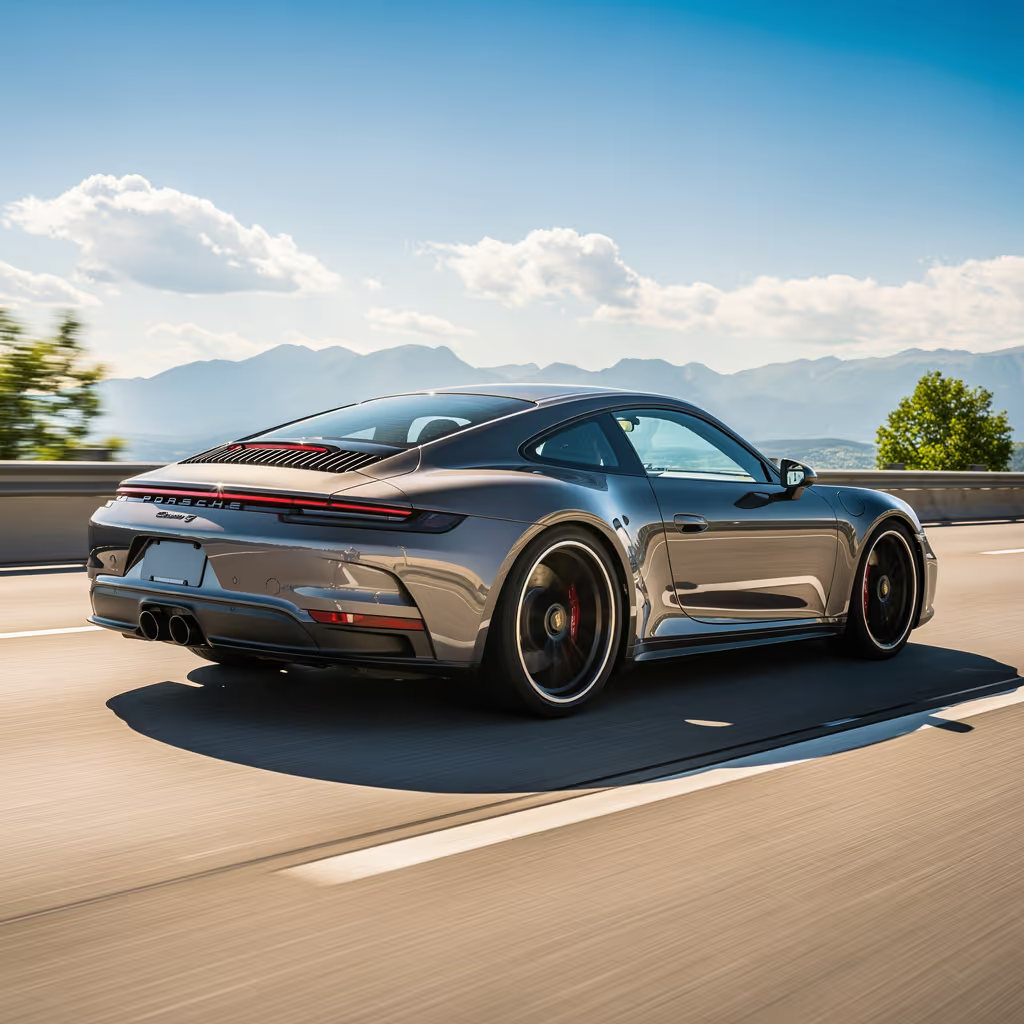
No. M.G.L. c. 208 § 34 lets the court assign all or any part of either spouse's estate, and Massachusetts does not keep the separate-versus-marital distinction that most equitable distribution states use. A vehicle owned before the marriage, inherited, or received as a gift is still part of the divisible estate. Massachusetts also fixes no statutory valuation date, and courts commonly value at or near the trial or division date rather than at separation.
Does a trailer follow the same Massachusetts sales tax rule as a car?
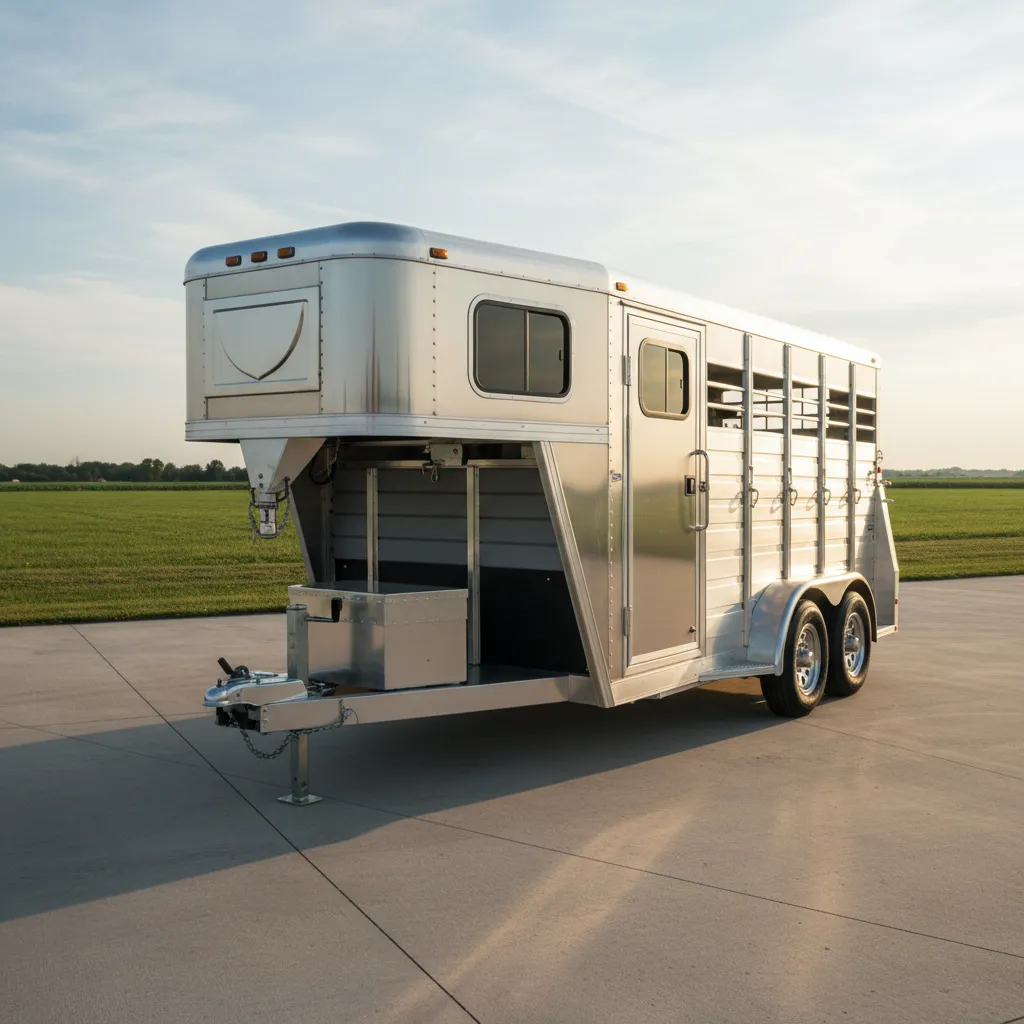
No. A casual sale of a motor vehicle is taxed on the greater of the actual price and the clean trade-in value, but a trailer is taxed on the actual sales price and the book value rule does not reach it. Anyone budgeting a private trailer purchase should not assume the car rule applies, and anyone budgeting a private car purchase should run both figures before closing.
When does Massachusetts tax a vehicle as personal property instead of excise?
When it is not registered. The Chapter 60A excise is charged on the privilege of registering a vehicle, so a vehicle sitting unregistered can be treated by local assessors as ordinary taxable personal property instead. That declaration is made on State Tax Form 2, the Form of List, which many communities require by March 1 each year, and the value it asks for is a market value rather than an excise schedule figure.
Does a Massachusetts estate have to list a vehicle even when no estate tax is due?
Usually, yes. The probate inventory is a separate filing from the estate tax return: assets are reported to the Probate and Family Court on Form L-16 at fair market value as of the date of death, while Form M-706 goes to the Department of Revenue only once the gross estate passes the filing threshold. A vehicle can appear on the inventory in an estate that never files a return at all.













.jpeg)