What appraisal thresholds apply to Massachusetts charitable donations?
The federal ones, unchanged by state law: a qualified appraisal when the claimed deduction for an item or group of similar items exceeds $5,000, the full signed appraisal attached for art over $20,000, and the appraisal attached for most property over $500,000. No Massachusetts court or agency separately receives the appraisal; it travels with your federal return.
Does Massachusetts offer a state credit for qualifying donations?
Yes, the Community Investment Tax Credit under G.L. c. 63 section 38AA equals 50% of the fair market value of a qualified donation to a community partner, capped at $75,000 per donation. Because the credit is keyed to fair market value, in-kind gifts claimed under it need the same careful valuation support as a federal deduction.
Can the receiving charity appraise my donation?
No. IRS rules expressly exclude the donee organization and its employees from serving as the qualified appraiser, and the appraiser must be independent of both donor and charity. We regularly value gifts to Massachusetts museums, universities, and nonprofits precisely because an arm's-length appraisal is mandatory.
Are similar items donated to different Massachusetts charities combined?
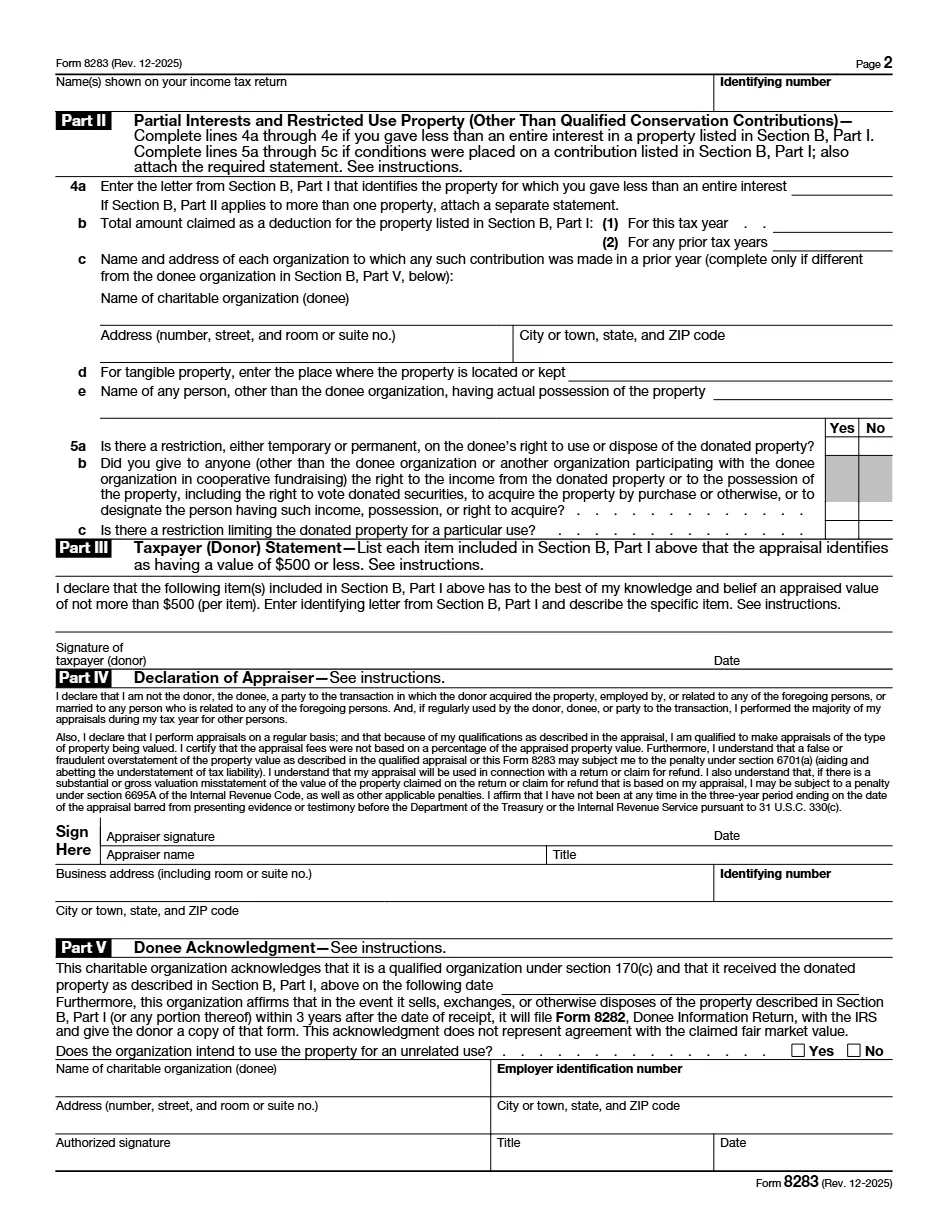
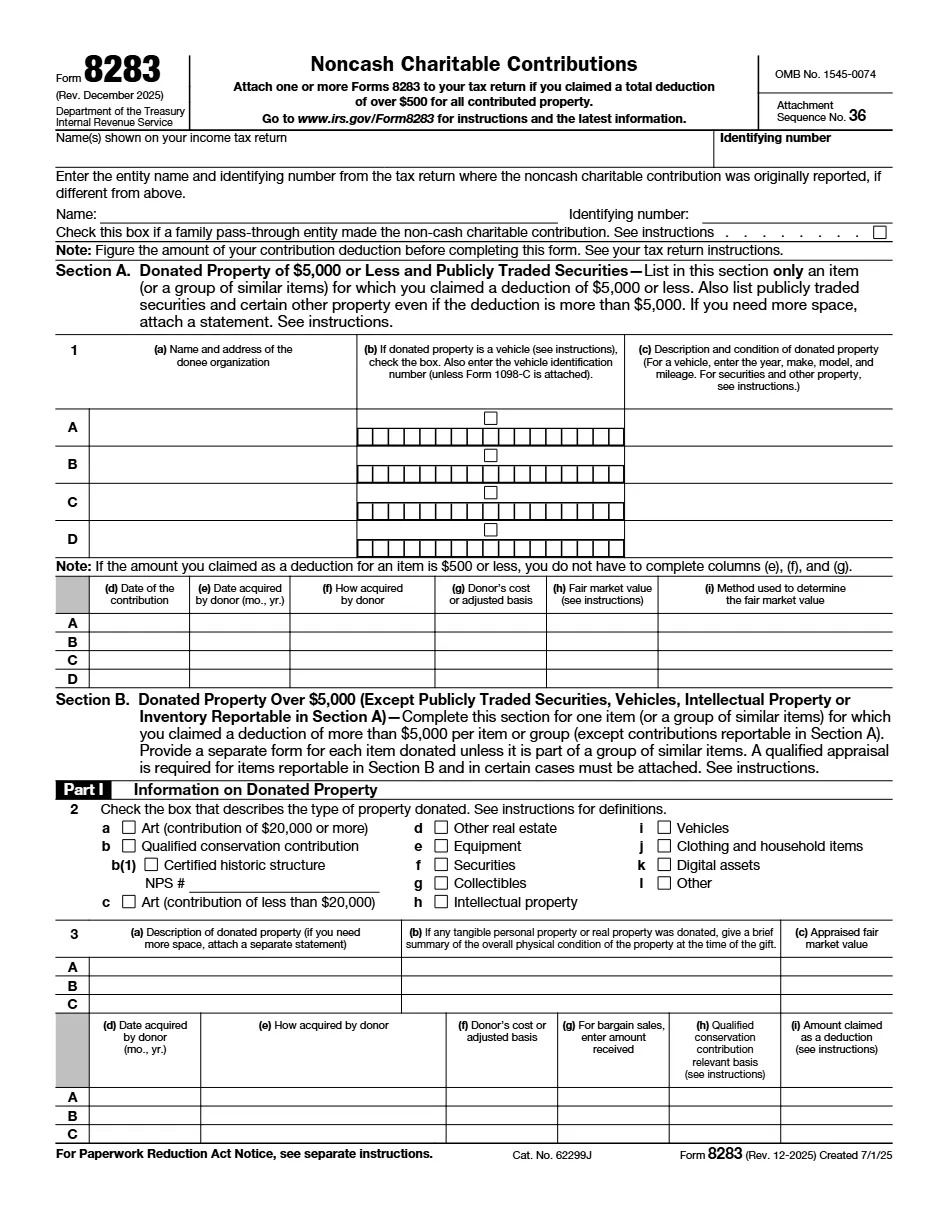
Yes. The $5,000 appraisal threshold aggregates similar items donated in the same year even across multiple charities, so splitting a collection among several donees does not avoid the qualified appraisal requirement. One appraisal covering the similar items, with Form 8283 signed, satisfies the rule.
Will I always deduct full market value for appreciated property?
Not always: if the charity's use of tangible personal property is unrelated to its exempt purpose, the deduction is limited to the lesser of fair market value or your cost basis under federal law. A painting displayed by a museum can qualify for full value while the same painting sold at a fundraising auction may not, so intended use belongs in the planning conversation.

.png)







.jpeg)