Does California set a percentage threshold for declaring a vehicle a total loss?
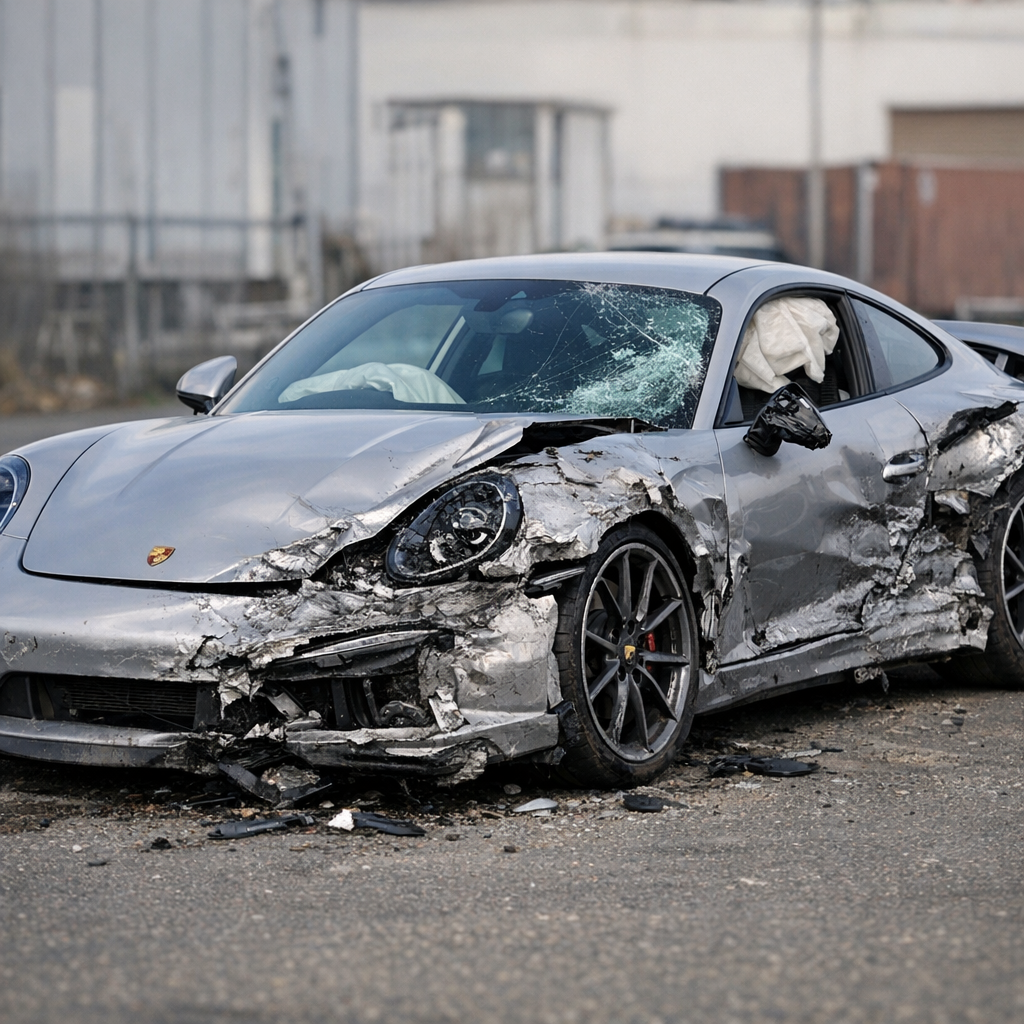
No. California applies the economic Total Loss Formula: a vehicle is totaled when repair cost plus salvage value equals or exceeds its pre-loss actual cash value. There is no statutory 75% or 80% cutoff, though insurers often use internal guidelines in that range, which makes the pre-loss actual cash value figure the number worth contesting.
What must a California insurer document when valuing a totaled vehicle?
Under 10 CCR § 2695.8(b)(2) of the Fair Claims Settlement Practices Regulations, every comparable vehicle used in the valuation must be identified by VIN, stock number, or license plate, with the seller's address or phone number, and must come from the claimant's geographic area. The regulation also bars deductions for the condition of a comparable, limiting unsupported downward adjustments.
How is a total loss paid on separately scheduled personal property in California?
At the scheduled amount. Insurance Code § 381.2 requires insurers to compute a total loss of a specifically listed item of personal property as the amount of insurance placed on that item, which is why the appraisal done at scheduling time, before any loss, effectively locks in the recovery.
Can a California insurer consider any evidence it wants when setting actual cash value?
No. California rejects the Broad Evidence Rule used in some states. Insurance Code § 2051, as amended in 2019, limits actual cash value to the cost to repair or replace minus physical depreciation, or the policy limit, so valuation disputes turn on documented replacement cost and depreciation rather than open-ended factors.










.jpeg)