When must a California estate file its Inventory and Appraisal?
Within four months after letters are first issued to the personal representative. California combines the inventory and the appraisal into a single document filed with the Superior Court clerk under Probate Code Division 7, Part 3, and if additional property is discovered later, a supplemental Inventory and Appraisal is due within four months of that discovery.
Who is allowed to value estate personal property in California?
Probate Code § 8900 authorizes three options: the personal representative, the court-appointed probate referee, or an independent expert. The probate referee is a distinctive California institution, a licensed appraiser serving as an officer of the Superior Court in each county who values inventoried assets including art, jewelry, collectibles, and equipment.
Can a beneficiary challenge the probate referee's valuation of an item?
Yes. Under Probate Code § 8908, the personal representative or any beneficiary may demand the appraisal report or backup data behind any item's value, and the referee must provide it without charge. The statute also allows the valuation to be formally contested, with court-set fees only when additional justification work is required.
Why do appraised values matter so much in a California estate?
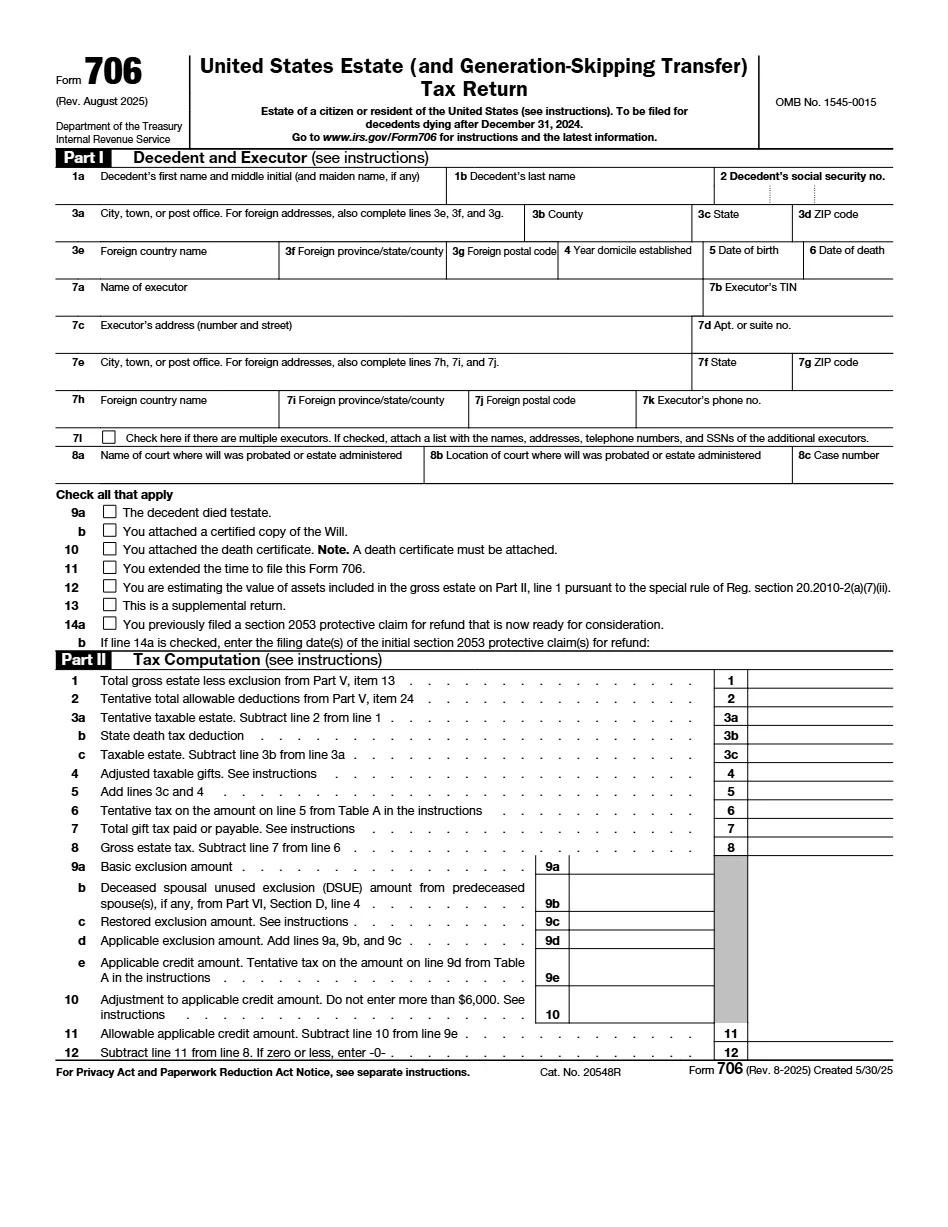
Because statutory compensation is calculated from them. Probate Code § 10810(b) defines the value of the estate for fee purposes as the total appraised value in the inventory, plus gains over appraisal value on sales, minus losses, with no reduction for encumbrances. Every dollar of appraised personal property value flows directly into the fee base and into the estate's federal Form 706 schedules.









.jpeg)