








Getting your jewelry appraised is just the beginning. The real value comes from knowing exactly what to do with that appraisal once it's in your hands. Whether you're protecting a family heirloom or securing insurance for a recent purchase, your next steps can make the difference between proper coverage and costly gaps.
Quick Answer: Store your appraisal safely, update your insurance immediately, and plan for reappraisals every 3-5 years to maintain accurate coverage and value tracking.
Your jewelry appraisal serves as your official proof of value for insurance claims, resale opportunities, and estate planning. Understanding how to leverage this document properly ensures you're getting maximum protection for your investment. Let's walk through exactly what you need to do after receiving your appraisal to safeguard your valuable pieces.
Your jewelry appraisal contains much more than just a dollar amount. This comprehensive document includes detailed descriptions of each piece, including metal types, gemstone specifications, craftsmanship quality, and current market conditions that influenced the valuation.
The appraiser evaluates factors like the quality of materials, age and provenance, design appeal, and any signs of wear or damage. They also consider current market rates, which means your appraisal reflects real-time value rather than outdated estimates. Understanding the intricate world of appraising jewelry helps you appreciate the comprehensive evaluation process behind your appraisal document.
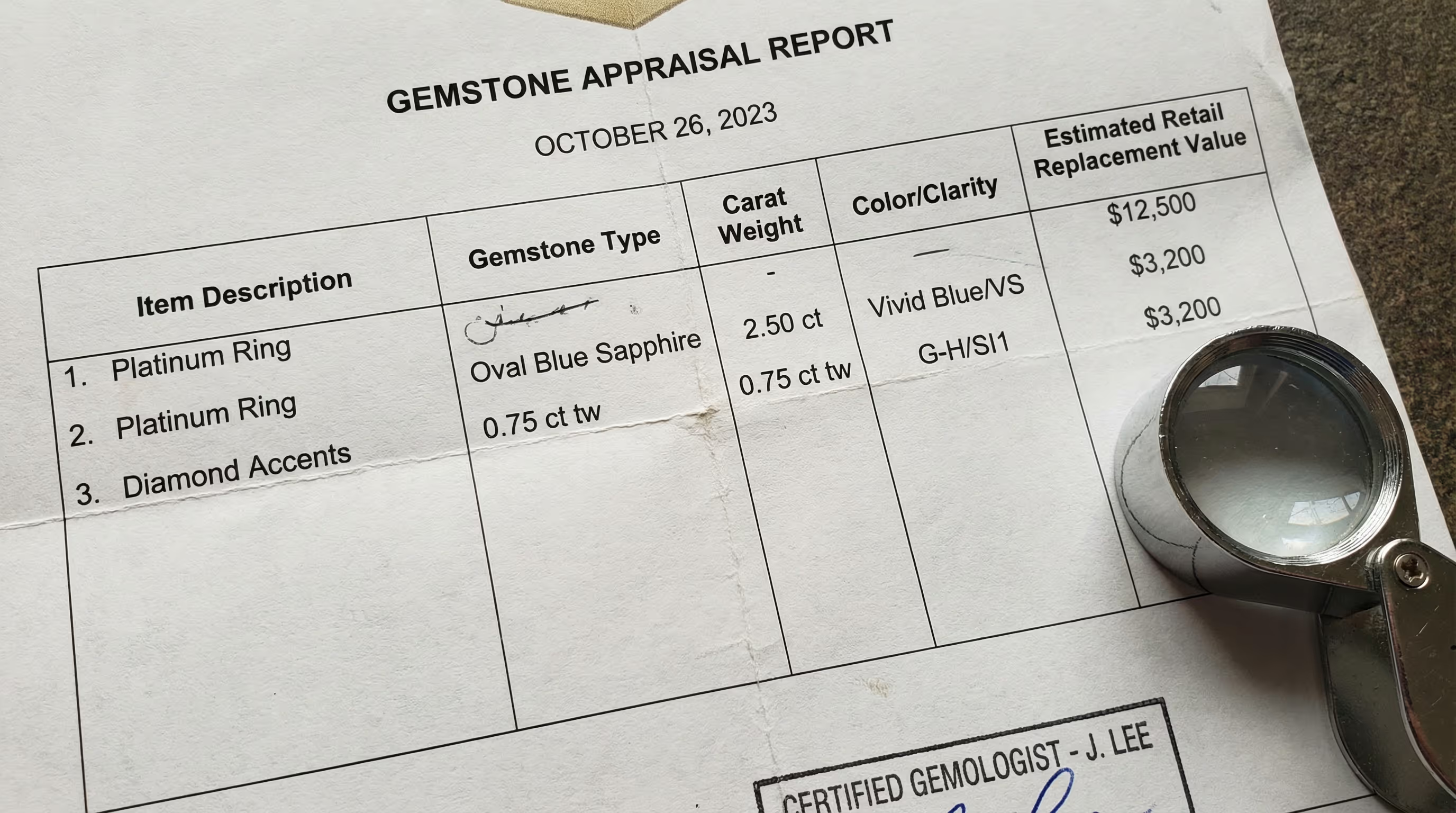
Most appraisals include both market value and replacement cost. Market value represents what you could reasonably expect to receive if selling the piece, while replacement cost indicates what you'd pay to purchase a similar item in today's market. This distinction becomes crucial when setting up insurance coverage.
Important Note: Your appraisal is not a guarantee of authenticity or quality, but rather a professional opinion based on examination and market research at the time of evaluation.
Proper storage of your appraisal documentation is your first priority. Keep the original appraisal certificate with your jewelry whenever possible, as this maintains the verified connection between the piece and its documented value.
Create multiple copies of your appraisal and store them in different secure locations. Consider keeping one copy in a fireproof safe at home, another in a safety deposit box, and a digital copy in secure cloud storage. This redundancy protects you if one copy is lost or damaged.
Take high-quality photographs of both your jewelry and the appraisal documents. These photos serve as additional verification and can speed up insurance claims if needed. Make sure the photos clearly show any distinguishing marks, engravings, or unique features mentioned in the appraisal.
Document the appraiser's credentials and contact information separately. If questions arise later about the appraisal, you'll need this information to verify the appraiser's qualifications or request clarification on specific details. If you're unsure about your appraiser's qualifications, learn how to find the right jewelry appraiser for future evaluations.
Contact your insurance provider immediately after receiving your appraisal. Many people discover their standard homeowner's or renter's insurance provides inadequate coverage for valuable jewelry, often capping coverage at just a few thousand dollars for all jewelry combined.
Your appraisal enables you to add a scheduled personal property floater to your existing policy. This specialized coverage protects individual pieces at their appraised value without the limitations of standard policy caps. The additional premium is typically modest compared to the protection it provides. Learn more about why you need a jewelry appraisal for your insurance policy to ensure you have adequate protection.

Review the coverage options carefully with your agent. Some policies cover only theft and loss, while others include damage from accidents or mysterious disappearance. Choose coverage that matches your lifestyle and risk factors.
Pro Tip: Ask about agreed value coverage, which means your insurer agrees to pay the appraised amount without depreciation if you experience a total loss.
Update your coverage immediately rather than waiting for your policy renewal. Valuable jewelry left unprotected even for a short period represents unnecessary risk that could cost you thousands if something happens.
Jewelry values fluctuate with market conditions, making regular reappraisals essential for maintaining accurate coverage. Plan to have your jewelry reappraised every three to five years, or more frequently for pieces with rapidly changing values. To stay informed about timing, review when to get a jewelry appraisal to ensure your coverage remains current.
Certain situations trigger the need for immediate reappraisal. If you've had significant repairs or modifications done to a piece, the value may have changed substantially. Similarly, major shifts in precious metal or gemstone markets can affect your jewelry's worth.
Keep track of market trends that might impact your pieces. For example, if gold prices surge significantly or certain gemstones become more sought after, your jewelry's value may have increased beyond your current appraisal. Understanding appraising gemstones and birthstones can help you recognize when market shifts warrant a new evaluation.
Consider the cost of reappraisal against the potential benefits. While basic appraisals typically cost between $100-300 per piece, this investment protects against being underinsured by thousands of dollars if values have risen since your last appraisal. For more details, explore understanding the cost of a jewelry appraisal.
Maintaining accurate appraisals becomes especially important if you're considering selling pieces or if they'll be part of estate planning. Outdated valuations can lead to poor selling decisions or inequitable estate distributions among heirs.
Having your jewelry properly appraised and knowing how to use that appraisal effectively gives you confidence in protecting your valuable pieces. Whether you're safeguarding family treasures or recent acquisitions, taking these steps ensures you're prepared for whatever the future brings.
At AppraiseItNow, our USPAP-compliant appraisers provide the detailed documentation you need to protect your jewelry investments. With nationwide service and both online and onsite options, we make professional appraisals accessible and convenient for jewelry owners everywhere.
Store your appraisal document securely with multiple copies in different locations (fireproof safe, safety deposit box, digital cloud storage). Contact your insurance provider immediately to update your coverage with a scheduled personal property floater, and take high-quality photos of both your jewelry and the appraisal documents for additional verification.
Plan to reappraise your jewelry every 3-5 years to maintain accurate insurance coverage and value tracking. You may need more frequent reappraisals for pieces with rapidly changing values or after significant market shifts in precious metals or gemstones. Immediate reappraisal is necessary after major repairs, modifications, or damage to any piece.
Market value represents what you could reasonably expect to receive if selling the piece in the current market, while replacement cost indicates what you'd pay to purchase a similar item today at retail prices. This distinction is crucial when setting up insurance coverage, as replacement cost is typically higher and provides better protection for insurance claims.
Your appraisal provides official proof of value and detailed descriptions needed for insurance claims, enabling you to add scheduled personal property coverage to your existing policy. This specialized coverage protects individual pieces at their appraised value without the limitations of standard homeowner's or renter's insurance caps, which often only cover a few thousand dollars for all jewelry combined.




