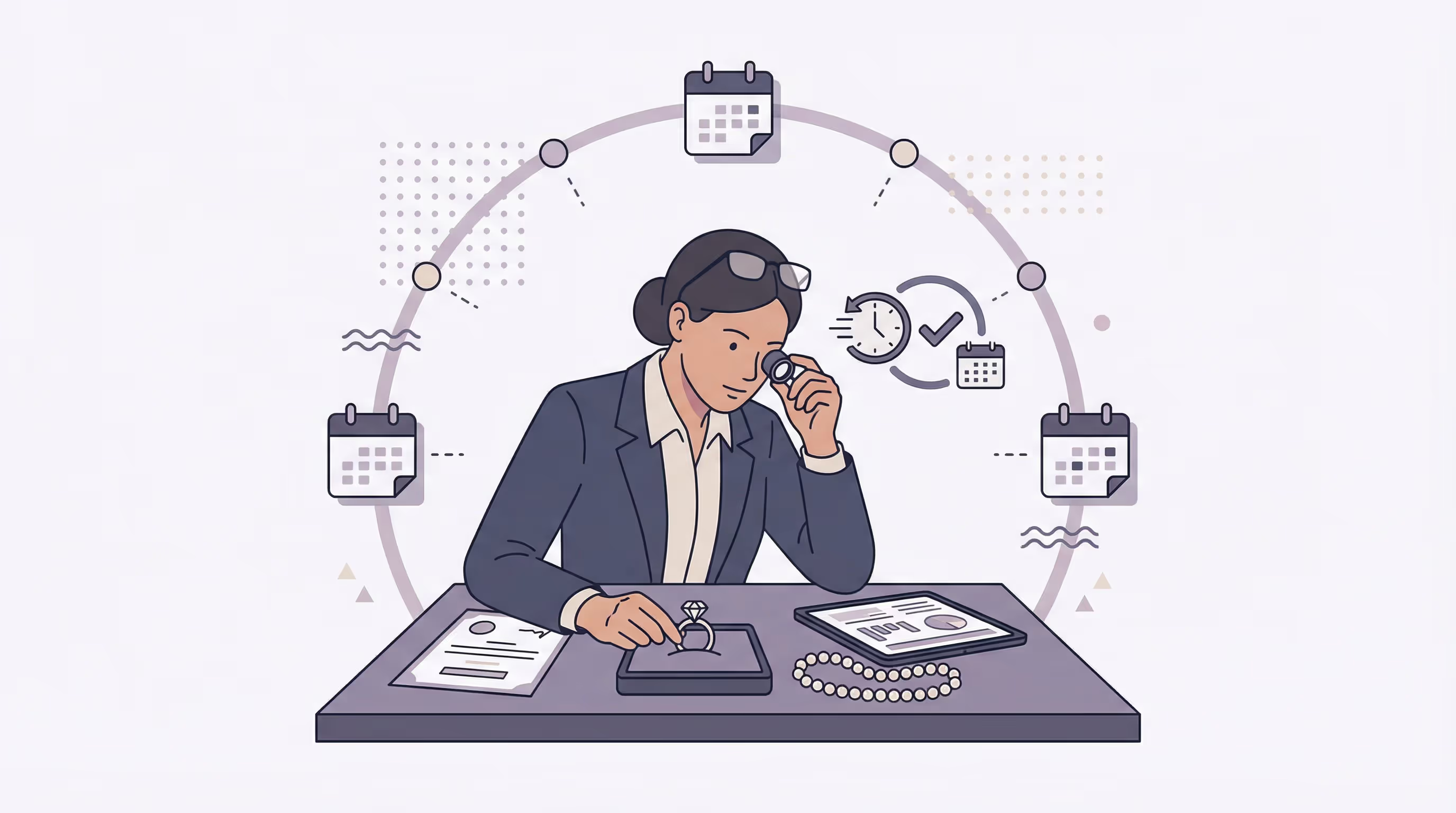
How Often Should You Get Jewelry Appraised

Last Updated on Jan 09, 2026
Originally Published on Jan 09, 2026
Thank you! Your submission has been received!
Oops! Something went wrong while submitting the form.
Nationwide Service
Onsite or Online
USPAP-Compliant
IRS Qualified
DEFENSIBLE, USPAP-COMPLIANT APPRAISAL REPORTS — QUALIFIED FOR THE IRS, INSURANCE AGENGIES, LENDERS, AND MORE.
Professional jewelry appraiser examining diamond ring with loupe and tools

Ever wondered if that engagement ring you bought five years ago is still worth what you paid for it? Or whether your grandmother's vintage necklace needs a fresh appraisal for insurance purposes? You're not alone in asking these questions.

Most jewelry should be appraised every 2-5 years to maintain accurate valuations for insurance and estate planning. However, the frequency depends on several factors including the type of jewelry, market conditions, and your specific needs. High-value pieces or those in volatile markets may require more frequent updates, while stable pieces can go longer between appraisals.

Understanding when to get your jewelry appraised protects you from being underinsured and ensures you're making informed decisions about your valuable pieces. Whether you're dealing with inherited jewelry, planning your estate, or simply want peace of mind about your collection's current worth, knowing the right timing can save you thousands of dollars and countless headaches.

Quick Fact: Insurance companies typically require updated appraisals every 2-3 years to maintain full coverage, and outdated valuations can leave you significantly underinsured if you need to file a claim.

Understanding jewelry appraisal basics

A jewelry appraisal is a professional assessment that determines the current market value of your pieces. Unlike a simple estimate or online calculator, a certified appraisal provides detailed documentation of your jewelry's materials, craftsmanship, condition, and worth based on current market conditions.

The process involves examining the piece's metal content, gemstone quality, design elements, and overall condition. Professional appraisers use specialized tools and extensive market knowledge to assign accurate values that reflect what it would cost to replace your jewelry today. To learn more about what to expect during a jewelry appraisal, it's helpful to understand the comprehensive evaluation process.

Different types of appraisals serve different purposes. Insurance appraisals focus on replacement cost, while estate appraisals determine fair market value for inheritance purposes. Understanding the different types of jewelry appraisals helps ensure you get the right documentation for your specific situation.

Close-up of jewelry appraisal report with detailed gemstone specifications and valuation

Key factors that determine appraisal frequency

Several factors influence how often you should update your jewelry appraisals. Market volatility plays a significant role, especially for pieces containing precious metals or gemstones whose values fluctuate with economic conditions.

The type and value of your jewelry matters considerably. High-end pieces worth over $5,000 typically need more frequent appraisals because even small percentage changes in value translate to significant dollar amounts. Antique or vintage pieces may require more frequent assessment as collector interest and market demand can shift rapidly.

Your insurance company's requirements also dictate timing. Most insurers require updated appraisals every two to three years to maintain coverage, though some may accept older appraisals for lower-value pieces. Understanding why you need a jewelry appraisal for your insurance policy can help you check your policy terms to avoid coverage gaps.

Life changes often trigger the need for fresh appraisals. Major events like marriage, divorce, inheritance, or significant changes in your financial situation may require updated valuations for legal or planning purposes.

Important Note: Jewelry values can fluctuate by 10-30% over just a few years due to market conditions, making regular updates essential for adequate protection.

Specific timing recommendations for different jewelry types

Diamond jewelry typically needs appraisal updates every 2-3 years because diamond prices can shift based on market demand and supply factors. Engagement rings and wedding bands, being high-value items, benefit from more frequent assessment to ensure adequate insurance coverage.

Colored gemstone jewelry requires more frequent attention, often every 1-2 years, because these markets can be more volatile than diamonds. Emeralds, rubies, and sapphires especially can see significant value changes based on new discoveries, treatments, or fashion trends. For detailed insights into appraising gemstones and birthstones, professional expertise is essential.

Antique and vintage pieces need careful monitoring, ideally every 2-3 years, as collector interest and historical significance can dramatically affect values. These pieces may appreciate faster than modern jewelry, making regular updates crucial for both insurance and estate planning.

Gold and platinum jewelry should be reassessed every 2-4 years, depending on the piece's complexity. While precious metal values fluctuate daily, the craftsmanship and design elements of fine jewelry provide more stability than raw metal prices alone. Understanding evaluating the value of jewelry for precious gems and metals helps you appreciate the nuances of these appraisals.

Collection of different jewelry types laid out for appraisal including vintage pieces and modern designs

Warning signs you need an immediate reappraisal

Certain situations demand immediate appraisal updates regardless of when your last assessment occurred. If you've made significant modifications to a piece, such as resetting stones or adding elements, you need a fresh appraisal to reflect these changes accurately.

Market events can trigger urgent reappraisal needs. Major economic shifts, significant changes in precious metal prices, or notable events affecting gemstone markets may substantially alter your jewelry's value. Staying aware of these factors helps you time updates appropriately.

Physical changes to your jewelry also warrant immediate attention. If you notice damage, wear, or deterioration that wasn't present during your last appraisal, getting an updated assessment protects your insurance coverage and helps you understand any value impact.

Insurance claim experiences often reveal outdated appraisals. If you've filed a claim and discovered your coverage was inadequate, don't wait for the next scheduled update. Get fresh appraisals for all significant pieces to prevent future shortfalls. Before scheduling your appointment, review how to prepare for a jewelry appraisal to ensure a smooth process.

Pro Tip: Keep a simple spreadsheet tracking your appraisal dates and values to easily identify which pieces need updates and when your insurance requirements come due.

Regular jewelry appraisals aren't just about paperwork or insurance requirements. They're about protecting your investment and ensuring you have accurate information for important financial decisions. Whether you're dealing with a treasured family heirloom or a recent significant purchase, staying current with appraisals gives you confidence and peace of mind.

The small cost of periodic appraisals pales in comparison to the potential financial loss from being underinsured or making uninformed decisions about valuable pieces. By following these timing guidelines and staying alert to changing circumstances, you'll keep your jewelry properly protected and accurately valued throughout your ownership. For comprehensive information about everything you need to know about jewelry appraisals, professional guidance is invaluable.

FAQ

How often should I get my engagement ring appraised?

Engagement rings should be appraised every 2-3 years due to their high value and the fluctuating nature of diamond prices. Since engagement rings are typically significant investments, even small percentage changes in market value can translate to substantial dollar amounts, making regular updates essential for adequate insurance coverage.

What happens if I don't update my jewelry appraisal regularly?

Outdated appraisals can leave you significantly underinsured if you need to file a claim. Insurance companies typically require updated appraisals every 2-3 years to maintain full coverage. Without current valuations, you may face coverage gaps and receive less compensation than needed to replace your jewelry at today's market prices.

Do antique and vintage jewelry pieces need more frequent appraisals?

Yes, antique and vintage pieces should be appraised every 2-3 years because collector interest and market demand can shift rapidly. These pieces may appreciate faster than modern jewelry due to their historical significance and rarity, making regular updates crucial for both insurance and estate planning purposes.

When should I get an immediate jewelry reappraisal outside the regular schedule?

You should get an immediate reappraisal if you've made significant modifications to a piece, noticed physical damage or wear, experienced major market events affecting precious metals or gemstones, or discovered inadequate coverage after filing an insurance claim. Life changes like marriage, divorce, or inheritance also warrant immediate appraisal updates.

Related Appraisals We Offer

Related Articles

APPRAISEITNOW APPRAISERS ARE BEST-IN-CLASS & CREDENTIALED BY LEADING APPRAISAL ORGANIZATIONS LIKE THE ISA, ASA, & MORE.