Wondering how much it costs to get your grandmother's vintage ring or antique brooch appraised? You're looking at anywhere from $100 to $500 for most pieces, with hourly rates ranging from $50 to $200 depending on the complexity and your location.
Getting an antique jewelry appraisal isn't just about satisfying curiosity. Whether you need insurance coverage, estate planning documentation, or want to sell at fair market value, understanding appraisal costs helps you make informed decisions about protecting your valuable pieces.
Quick Answer: Most antique jewelry appraisals cost between $100-$300 per piece for standard evaluations, with complex or highly valuable items potentially reaching $500 or more.
Understanding antique jewelry appraisal pricing
The cost structure for antique jewelry appraisals varies significantly based on how appraisers charge for their services. Most professionals use either hourly rates or flat fees, each with distinct advantages.
Hourly rates typically range from $50 to $200, with certified gemologists and highly experienced appraisers commanding premium prices. A simple vintage ring might take one to two hours, while an intricate Victorian necklace with multiple gemstones could require four to six hours of detailed examination and research.
Flat fee pricing offers more predictability, usually ranging from $100 to $500 per piece. This approach works well for standard jewelry items but may not cover exceptionally complex pieces requiring extensive historical research or specialized testing.
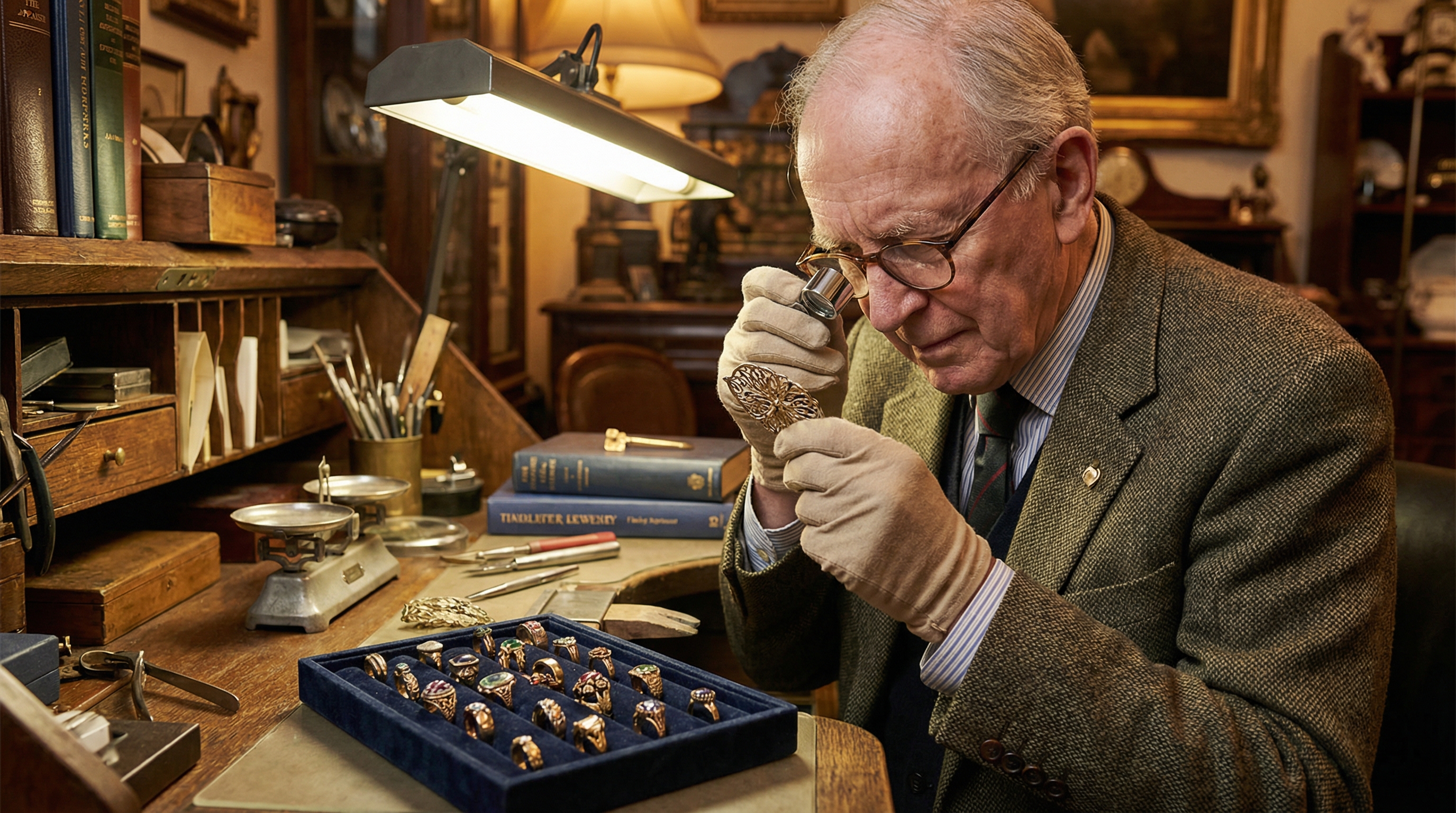
Geographic location plays a major role in pricing. Metropolitan areas like New York or Los Angeles typically see higher rates due to increased overhead costs, while smaller cities often offer more affordable options without compromising quality. If an appraiser travels to you, ask whether travel is billed on top of the appraisal fee.
What you are paying for also matters. An informal evaluation gives you a rough figure with little explanation, while a full appraisal includes a written description, condition notes, research, and a supported opinion of value. Some appraisers charge separately for the written report, so confirm it is included before you agree to a fee. If you have several pieces, ask about pricing for the group; appraising a collection in one engagement is usually more efficient than booking pieces one at a time.
Key factors that influence appraisal costs
Several elements determine how much you'll pay for your antique jewelry appraisal, and understanding these helps you budget appropriately.
The complexity of your piece significantly impacts cost. A simple gold band requires basic metal testing and measurement, while a multi-stone Art Deco bracelet needs gemstone identification, quality grading, and historical research to determine its period and maker.
Purpose matters tremendously in pricing. Insurance appraisals require detailed documentation and higher replacement values, often costing more than basic fair market value assessments. Estate appraisals fall somewhere in between, focusing on current market conditions for similar pieces.
| Appraisal Type | Average Cost | Detail Level | Typical Use |
|---|---|---|---|
| Insurance | $150-$400 | High | Coverage protection |
| Estate/Probate | $100-$300 | Medium | Legal proceedings |
| Fair Market | $75-$250 | Basic | Personal knowledge |
The appraiser's credentials also affect pricing. Certified gemologists or those with American Society of Appraisers credentials typically charge premium rates but provide more comprehensive evaluations that hold up when insurers or courts review them.
One thing that should not drive the fee is the value of the jewelry itself. The cost reflects the time needed to examine, test, and research the piece, so a plain but valuable ring can cost less to appraise than a modest piece with a complicated history. Avoid any appraiser who charges a percentage of the appraised value, because that fee structure rewards a higher number.
Pro Tip: Always verify your appraiser follows current USPAP (Uniform Standards of Professional Appraisal Practice), especially for insurance or legal purposes.
What determines your jewelry's appraisal value
Beyond the cost of the appraisal itself, understanding what factors influence your jewelry's actual value helps you appreciate why thorough evaluation takes time and expertise.
Age and historical significance play crucial roles in antique jewelry valuation. Pieces from specific periods like Georgian, Victorian, Edwardian, Art Nouveau, or Art Deco command different market premiums based on current collector demand and rarity. Each period has its own design vocabulary, materials, and construction methods, and those details help place a piece in time.
Materials and craftsmanship form the foundation of value assessment. Your appraiser examines metal purity, gemstone quality using the 4Cs (cut, color, clarity, carat), and construction techniques that indicate period work or modern reproduction. Distinguishing natural gemstones from synthetic ones is part of that examination, and hand-fabricated metalwork generally rates above mass-produced pieces.
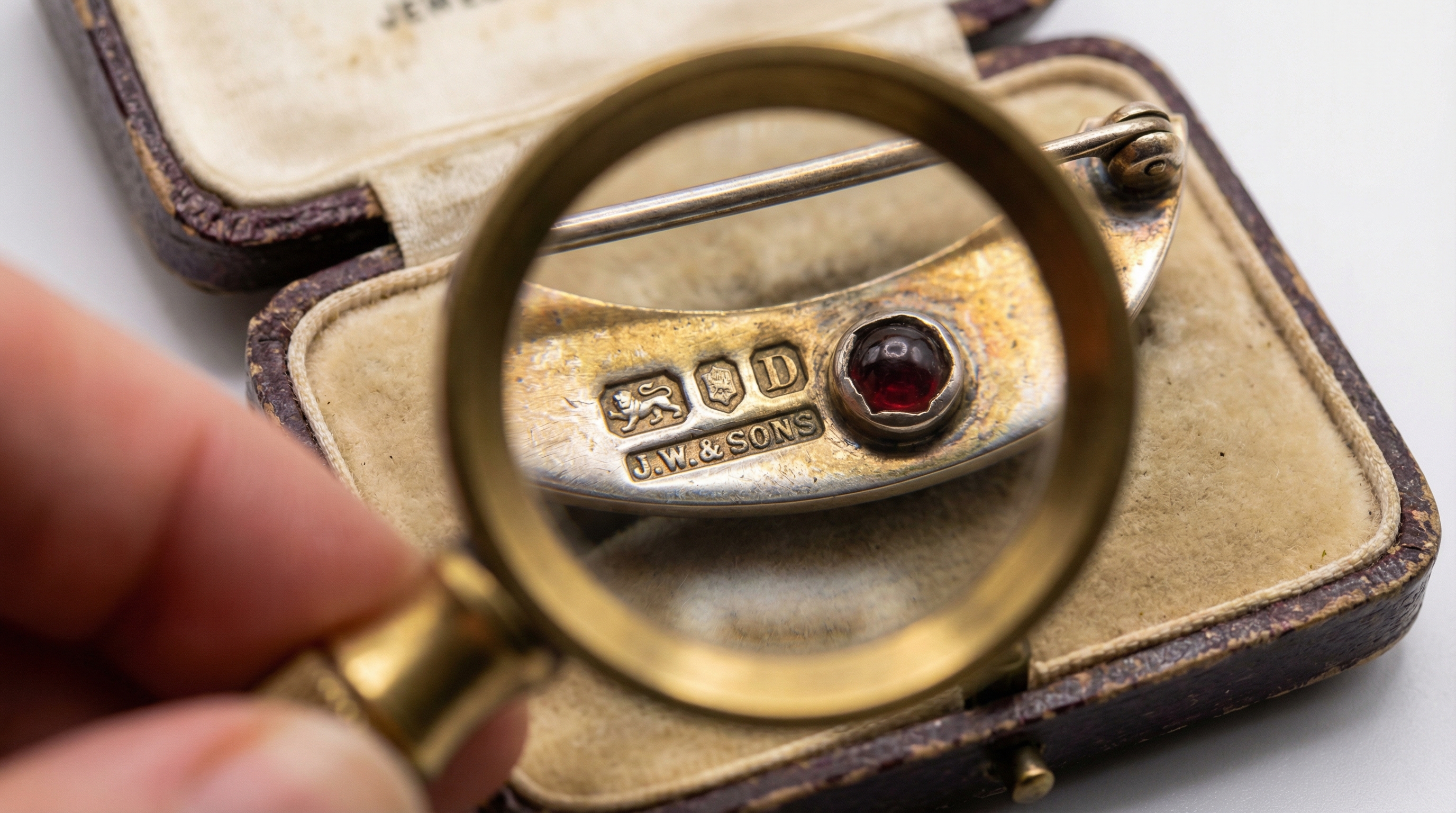
Provenance and maker's marks can dramatically impact value. A signed piece by renowned designers like Tiffany, Cartier, or lesser-known but historically significant makers requires additional research time, potentially increasing appraisal costs but often revealing substantial hidden value.
Condition is judged differently than it is for modern jewelry. Some wear is expected on a piece that is a century old, and honest patina is not a defect. Repairs, replaced stones, resizing, and missing elements are what move the value, so appraisers note each one.
Current market conditions influence both appraisal costs and final valuations. Trends in antique jewelry collecting, precious metal prices, and gemstone market fluctuations all factor into your piece's assessed worth.
What happens during an antique jewelry appraisal
Knowing the steps makes it easier to understand where the time, and the fee, goes. A thorough antique jewelry appraisal generally follows this sequence:
- Purpose and scope. You explain why you need the appraisal (insurance, estate, sale, or donation), which sets the type of value the appraiser will report.
- Examination. The appraiser inspects the piece with a loupe, weighs and measures it, reads hallmarks and maker's marks, and tests metal content where the marks do not settle it.
- Gemstone assessment. Stones are identified, checked for natural versus synthetic origin, and described by cut, color, clarity, and carat weight.
- Research. The appraiser places the piece in its period, researches the maker, and gathers comparable sales from auctions and dealers.
- Written report. Findings and the concluded value are compiled into a report you can use for your stated purpose.
A complete report describes the metal, stones, measurements, and marks, notes wear and repairs, records known provenance, and states the type of value with its effective date. That value type matters as much as the number: fair market value serves estates, donations, and sales, while replacement value serves insurance.
When you should invest in professional appraisal
Knowing when to get your antique jewelry appraised helps you make cost-effective decisions about protecting your valuable pieces.
Insurance purposes represent the most common reason for appraisals. Most insurance companies require updated appraisals every three to five years to maintain adequate coverage. The appraisal cost becomes insignificant compared to potential losses from underinsurance. If precious metal or gemstone prices move sharply, update sooner. A detailed report also helps identify a piece if it is ever lost or stolen.
Estate planning situations often necessitate professional appraisals for accurate asset distribution or tax purposes. Courts and attorneys typically require appraisals from qualified professionals, making the investment essential for legal proceedings and estate planning. Divorce settlements raise the same need when jewelry has to be divided or valued.
Important Note: Free appraisals from jewelry stores often serve sales purposes rather than providing accurate market valuations for insurance or legal needs.
Selling decisions benefit from professional appraisals when you're dealing with potentially valuable pieces. While the appraisal cost might seem high upfront, knowing your jewelry's true worth prevents underselling valuable antiques. Because an appraisal reflects the market on its effective date, get a current one shortly before you sell rather than relying on an old report.
Consider getting appraisals when you inherit jewelry collections, discover pieces in estate sales, or notice significant changes in precious metal or gemstone markets that might affect your existing pieces' values. Choosing the right appraiser is crucial for ensuring you receive accurate valuations.
How to choose an antique jewelry appraiser
Antique pieces call for more than general jewelry knowledge. Look for gemological training, such as study through the GIA, combined with appraisal credentials from organizations like the ASA, ISA, or NAJA, and specific experience with period jewelry.
A brief conversation before you book tells you most of what you need. These questions are worth asking:
- How much of your work involves antique and period jewelry?
- Which tests and research sources will you use for my piece?
- Is the fee fixed and quoted before you begin, and does it include the written report?
- What will the report contain, and which type of value will it state?
- Do you buy or sell jewelry yourself?
An appraiser who can answer clearly, show a sample report, and quote a fee upfront is a far safer choice than one who offers a number on sight.
Before scheduling your appointment, take time to properly prepare for your appraisal by gathering any documentation, receipts, or historical information about your pieces. Understanding what to expect during the appraisal process can also help you feel more confident and ensure you get the most value from the service.
Getting your antique jewelry professionally appraised protects both your financial interests and preserves important family history. While costs vary based on complexity and purpose, the investment typically pays for itself through proper insurance coverage or informed selling decisions. Choose credentialed appraisers who follow industry standards, and remember that quality evaluation takes time and expertise that justify professional fees.