Picture this: you've inherited your grandfather's Civil War revolver, and you're wondering if it's worth $500 or $15,000. Without proper documentation, you could be underinsured by thousands of dollars or miss out on a significant family asset. An antique gun appraisal provides the professional evaluation you need to make informed decisions about insurance, estate planning, or potential sale.
Quick Answer: An antique gun appraisal typically costs $150-$400 and takes 1-4 weeks, depending on the firearm's complexity and rarity. Professional appraisers evaluate condition, originality, provenance, and current market value to prepare USPAP-compliant reports for insurance, estate, and legal use.
This guide walks you through everything you need to know about antique gun appraisals, from understanding what determines value to choosing the right appraiser for your needs.
What determines the value of an antique gun
Several key factors work together to establish your antique firearm's worth. Understanding these elements helps you prepare for the appraisal process and set realistic expectations.
Condition and originality play the biggest role in valuation. Guns with original finish, matching serial numbers, and minimal wear command premium prices. Even expected age-related wear is acceptable, but major modifications or refinishing can significantly reduce value.
Appraisers look at condition part by part. The barrel is checked for rust, pitting, and bore damage. Metal surfaces are judged on how much original bluing or case hardening remains. On rifles and shotguns, the stock matters just as much: cracks, repairs, or replacement wood pull value down, and original wood with honest dings usually rates higher than a restored stock. Condition is typically described on a graded scale running from Excellent down to Poor, and the NRA's antique firearm condition standards are the most widely used reference.
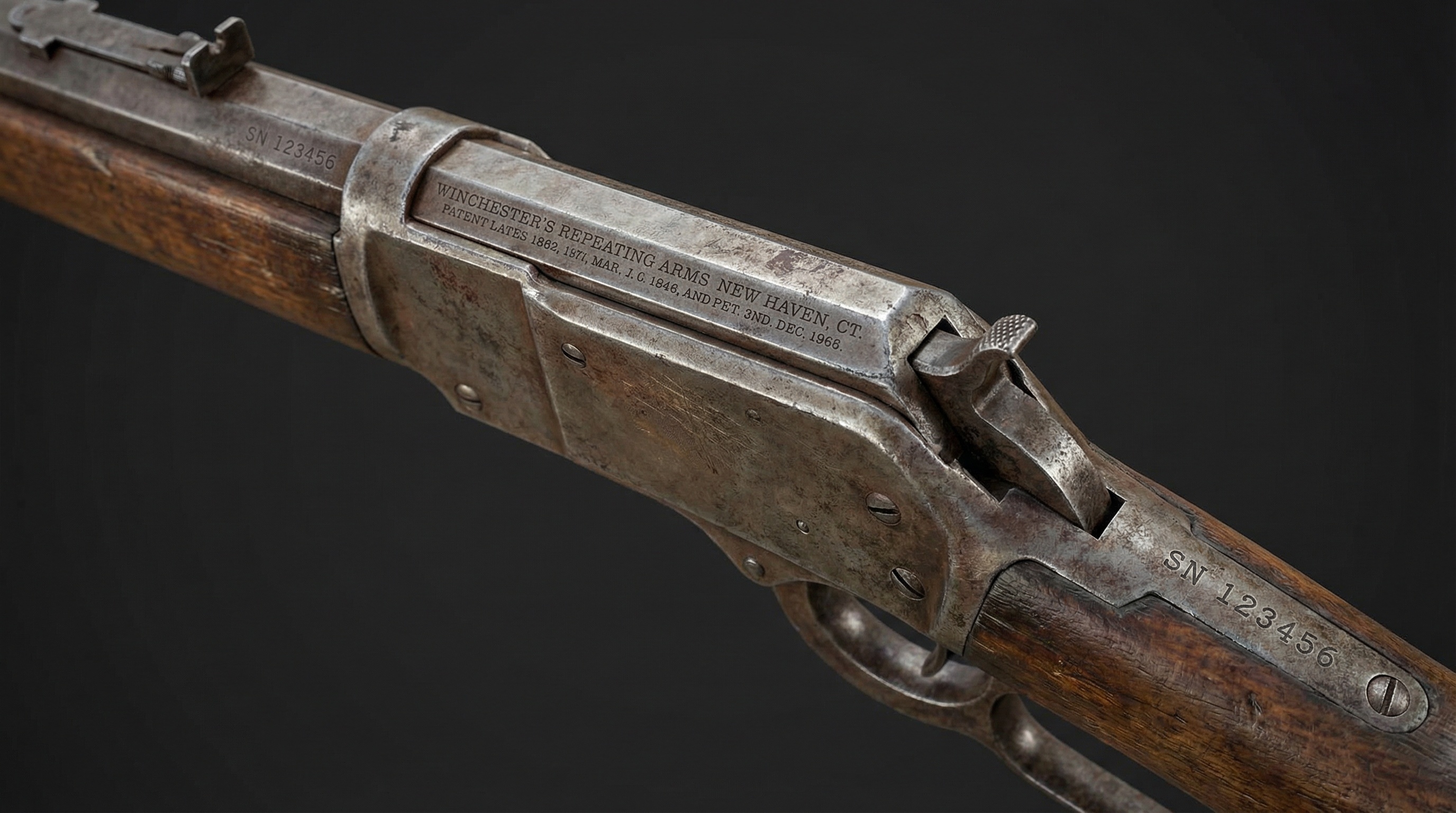
Maker and model set the baseline. Colt, Winchester, Remington, and Smith & Wesson draw strong collector demand, especially for early production runs. Serial numbers help narrow the production date, and some makers' records can confirm original specifications. Lesser-known makers can still be valuable when a piece is rare or tied to an important period.
Rarity and historical significance create substantial value differences. A common hunting rifle might be worth hundreds, while a documented military service weapon or limited production model could be worth thousands. Provenance documentation linking your gun to specific historical events or notable owners adds considerable value, and engravings, presentation inscriptions, or unit markings often lead to that history.
Original accessories such as holsters, cases, and cleaning rods add value when they are period-correct and belong with that specific firearm.
Market demand and recent sales influence current pricing. Your appraiser researches comparable sales at auctions, dealer transactions, and collector markets to establish fair market value based on what similar firearms actually sell for today. Small differences in model variation or manufacturing date can move a value considerably, which is why comparables have to match closely.
How the antique gun appraisal process works
Professional appraisals follow a systematic approach to ensure accuracy and compliance with industry standards. Here's what you can expect from start to finish.
Initial consultation and scope begins when you contact an appraiser. They'll ask about your firearm's type, estimated age, condition, and intended use for the appraisal. Expect questions about where and when the gun was acquired, any changes or repairs made over the years, and any past damage. Answering as fully as you can gives the appraiser a head start on research.
Information gathering and documentation comes next. You'll provide ownership proof, any historical documentation, previous appraisals, and detailed photographs. The appraiser may request specific angles or close-ups of markings and serial numbers.
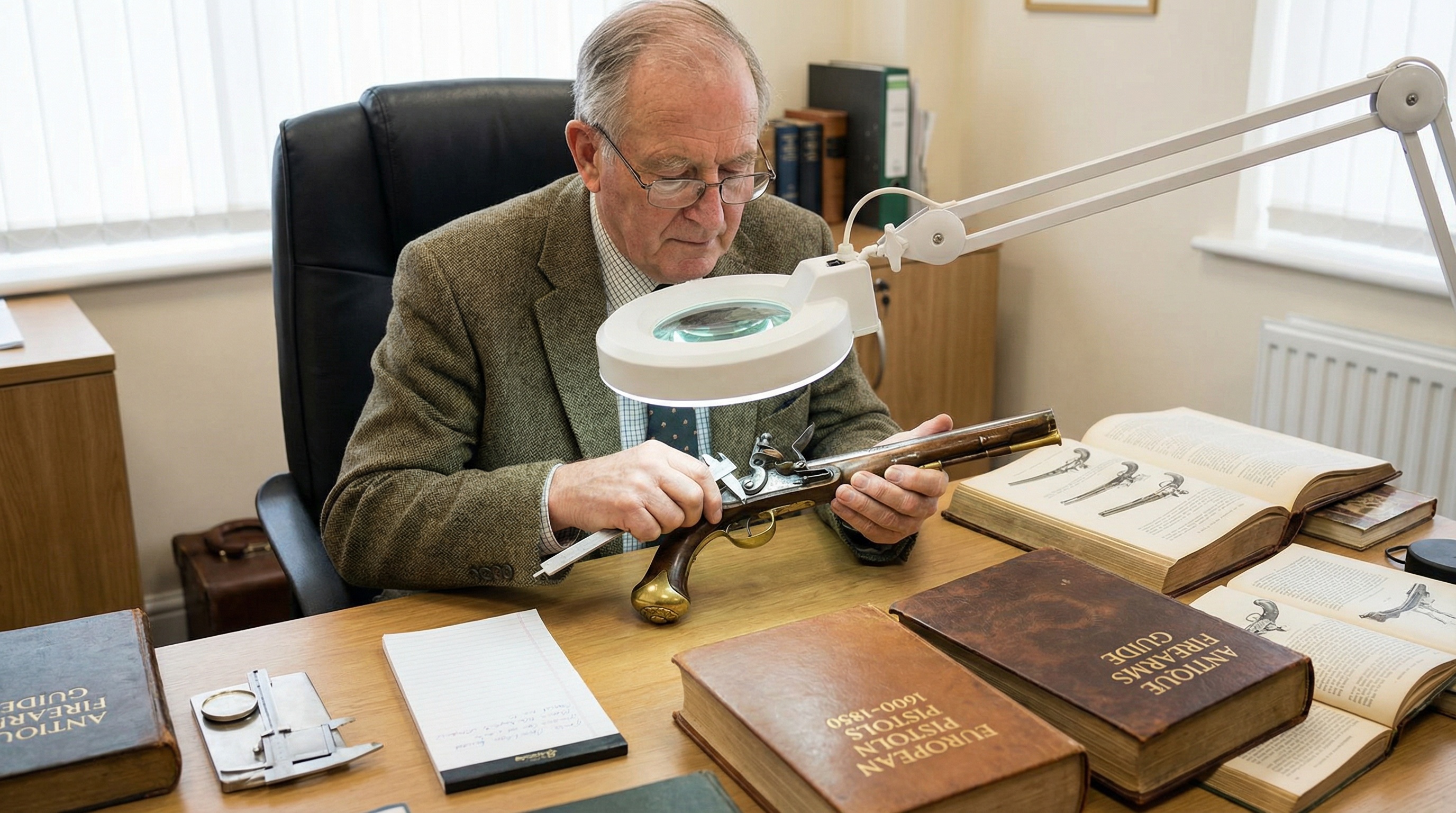
Physical inspection or detailed photo review allows the appraiser to assess condition and originality. For high-value items, in-person inspection is often preferred, though many appraisals can be completed through comprehensive photography. Learn more about understanding the appraisal process of an antique gun to know what to expect.
Market research and comparable analysis involves researching recent sales, auction results, and dealer pricing for similar firearms. This step often takes the most time, especially for rare or unusual pieces.
Professional Tip: Appraisers spend significant time researching comparables because antique gun values can vary dramatically based on subtle differences in model variations, manufacturing dates, or condition details.
Final report preparation produces a detailed document including photographs, condition assessment, historical research, and concluded value. USPAP-compliant reports are prepared to meet the documentation standards insurers and the IRS expect.
What your antique gun appraisal report tells you
A good report explains how the value was reached, not just the number. It should describe the firearm, grade its condition, note any modifications or replaced parts, summarize the comparable sales relied on, and state the effective date of the value.
The report also names the type of value, and that choice depends on why you ordered the appraisal. The two you will see most often are these:
- Fair market value: the price a willing buyer would pay a willing seller, used for estates, donations, and sale decisions.
- Replacement value: what it would cost to replace the firearm with a comparable piece, used for scheduling insurance coverage.
If anything in the report is unclear, ask the appraiser to walk you through which factors raised or lowered the value. Knowing which value type you have keeps you from using an insurance figure to price a sale, or the reverse.
Documents and information you need to prepare
Gathering the right documentation before your appraisal speeds up the process and can improve accuracy. Here's what professional appraisers typically need.
Ownership documentation includes your bill of sale, inheritance papers, or previous owner records. While not always required for appraisal, proof of legal ownership is essential for insurance or estate purposes.
Historical records such as military service documentation, family history, or previous appraisals add valuable context. Even family stories about the gun's origin can provide research leads for your appraiser. Keep any original case, receipts for past repairs, and notes about alterations with the rest of the paperwork.
Detailed photographs should show the entire firearm from multiple angles, close-ups of all markings and serial numbers, and any areas of damage or repair. Good lighting and sharp focus are essential for remote appraisals. For comprehensive preparation guidance, check out how to prepare for an antique gun appraisal.
Condition notes about any modifications, repairs, or missing parts help appraisers assess originality. Be honest about any changes you know about, as experienced appraisers will identify them anyway.
Safe handling matters before any inspection. Confirm the firearm is unloaded, follow the laws that apply where you live when transporting it, and never test-fire an antique gun to "check" it. Firing an antique without a professional inspection is a safety risk, and it can also cause damage that lowers value.
Cost and timeframe expectations
Understanding appraisal pricing helps you budget appropriately and choose the right service level for your needs.
| Service Type | Cost Range | Typical Timeline |
|---|---|---|
| Single firearm | $150-$300 | 1-2 weeks |
| Complex/rare piece | $300-$500 | 2-4 weeks |
| Collection (5+ items) | $200-$400 per item | 3-6 weeks |
Factors affecting cost include the firearm's rarity, condition complexity, research requirements, and report detail level. Unusual or historically significant pieces require more research time, increasing the fee. If an appraiser travels to inspect a firearm in person, ask whether travel is billed separately.
What's included in the fee covers initial consultation, research, photography or inspection, comparable analysis, and a detailed written report. Most appraisers include one revision if additional information becomes available.
Verbal opinions versus written reports are worth separating. A quick verbal opinion costs less and can tell you whether a formal appraisal is worthwhile, but it is not documentation. Insurance scheduling, estate settlement, donations, and legal matters call for a written report.
Rush services are sometimes available for urgent insurance or legal needs, typically adding 50-100% to the standard fee. Plan ahead when possible to avoid premium pricing.
Choosing a qualified antique gun appraiser
The right appraiser makes the difference between a defensible valuation and one that won't hold up under scrutiny. Look for these essential qualifications.
Professional credentials should include USPAP training and membership in recognized appraisal organizations like the ASA, ISA, or AAA. These credentials show your appraiser follows industry standards and ethical guidelines.
Firearms specialization is crucial because antique guns require specific knowledge about manufacturing history, model variations, and collector markets. General personal property appraisers may lack the expertise needed for accurate valuations.
Experience with your firearm type matters significantly. An appraiser who specializes in military weapons might not be the best choice for sporting rifles, and vice versa. Ask about their specific experience with your type of firearm. For expert guidance, read our article on how to find the right antique gun appraiser.
Sample reports and references help you evaluate their work quality. Professional appraisers should be willing to show examples of their reports and provide references from previous clients. Local gun clubs, historical societies, and museums are also good sources of referrals to appraisers who know a particular era.
A short conversation before you commit tells you a lot. These questions are worth asking any antique gun appraiser:
- How many antique firearms like mine have you appraised?
- Which valuation methods and sales data will you rely on?
- Will I receive a written, USPAP-compliant report, and what will it include?
- Is the fee fixed and quoted before work begins?
- Do you buy or sell firearms yourself?
Red Flag Warning: Avoid appraisers who guarantee specific values before examining your firearm, charge fees based on appraised value, offer to buy the gun they are appraising, or lack proper credentials and insurance coverage. Understanding common mistakes to avoid when getting an antique gun appraisal can save you time and money.
Working with AppraiseItNow means you receive USPAP-compliant appraisals from our credentialed appraisers who specialize in antique firearms. We prepare every report to the standards insurers, courts, and the IRS expect, so you can rely on your valuation when it is reviewed.
When to update your antique gun appraisal
An appraisal states value as of a specific date, and collector markets move. Most owners revisit an antique gun appraisal every three to five years for insurance, and sooner after a notable shift in collector demand.
A few moments call for a fresh valuation regardless of the calendar:
- Before you list the firearm for sale, so pricing reflects the current market.
- Before any restoration or repair work, so you know how much value is at stake.
- After you add pieces to a collection that is scheduled on an insurance policy.
Insurance is where an outdated number costs the most. Many standard homeowners policies cap theft coverage for firearms, often at $2,500, so valuable antique guns usually need to be scheduled separately with a current appraisal behind them.
Whether you're securing proper insurance coverage, settling an estate, or considering a sale, professional antique gun appraisal provides the documentation and peace of mind you need to make informed decisions about these valuable pieces of history.