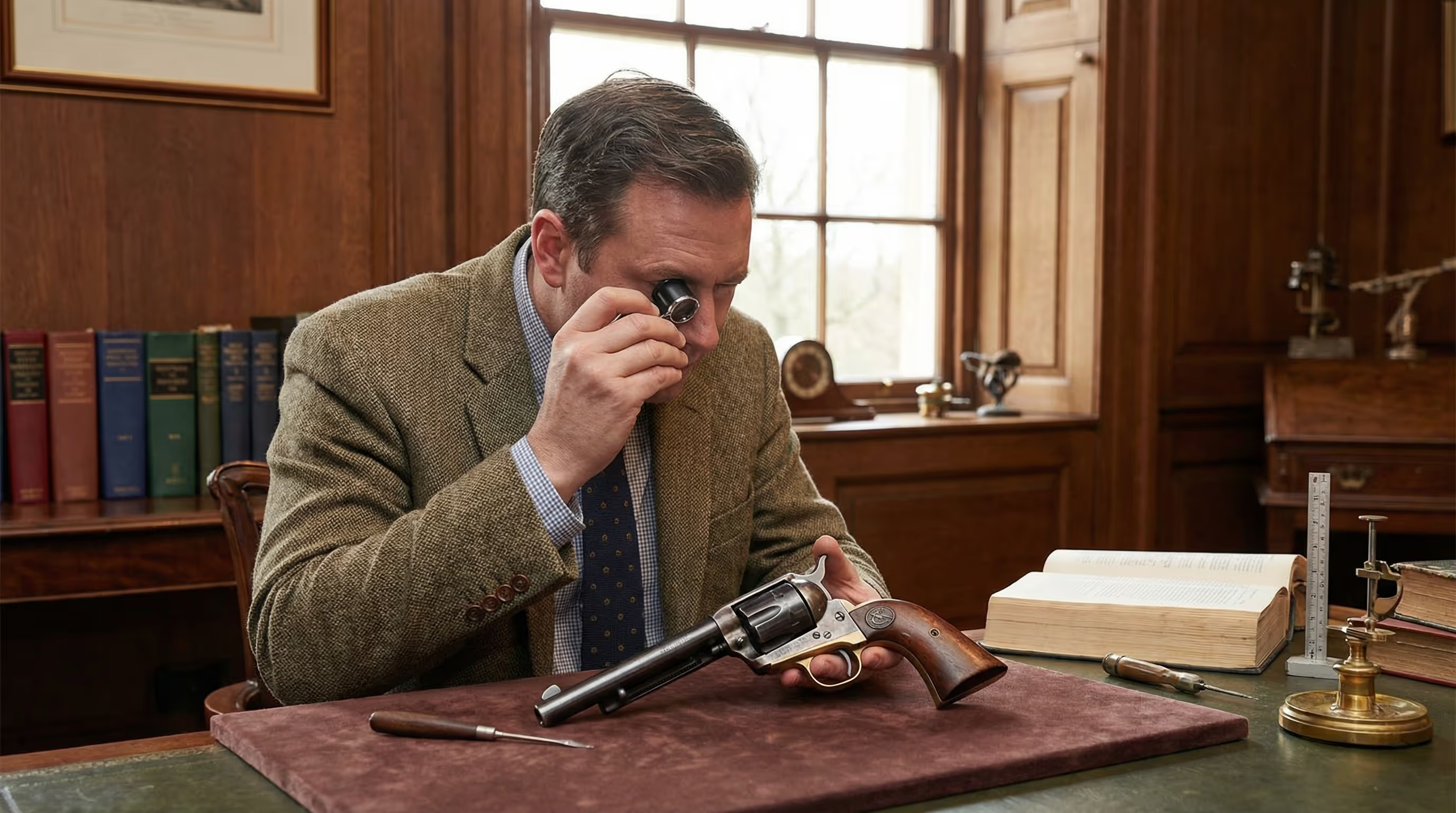
Whether you've inherited a Civil War-era rifle or discovered an old revolver in your attic, getting an accurate antique gun appraisal is crucial for insurance coverage, estate planning, or potential sale. An antique gun appraisal is a professional evaluation that determines the fair market value of your firearm based on its age, condition, rarity, and historical significance.
The stakes are higher than you might think. Without a proper appraisal, you could face significant financial losses through underinsurance, unfair estate settlements, or selling below market value. Insurance companies, courts, and the IRS require USPAP-compliant appraisal reports for legal and financial purposes.
Quick Answer: An accurate antique gun appraisal typically costs between $200-500 and takes 1-2 weeks. You'll need a certified appraiser with firearms expertise, proper documentation, and clear photos of your firearm's condition and markings.
At AppraiseItNow, we provide nationwide USPAP-compliant antique gun appraisals accepted by insurance companies, courts, and the IRS. This guide walks you through the complete appraisal process, from preparation to receiving your final report.
An antique gun appraisal involves a certified professional examining your firearm to determine its authenticity, condition, and current market value. The appraiser considers factors like manufacturer, model, age, condition grade, originality, and historical significance before issuing a detailed written report.
Legally, firearms manufactured before 1899 are generally considered antique firearms under federal law, though this definition can vary by state and purpose. Collectors often use the term more broadly to include early 20th-century firearms or those with historical significance.
The appraisal serves different purposes depending on your needs. For insurance, you'll typically need replacement cost value to ensure adequate coverage. Estate and probate situations require fair market value as of the date of death. If you're considering a sale, understanding the appraisal process helps establish realistic pricing expectations.

Professional appraisals differ significantly from online estimates or dealer opinions. Certified appraisers conduct thorough research using auction records, price guides, and comparable sales data to support their value conclusions with documentation that stands up to legal scrutiny.
The appraisal process typically follows five main steps, each designed to ensure accuracy and compliance with professional standards.
Step 1: Initial consultation and intake
You'll discuss your appraisal needs with the appraiser, including the purpose (insurance, estate, sale, donation) and any background information about the firearm. The appraiser will explain their process, timeline, and fees upfront.
Step 2: Documentation and photo submission
You'll provide detailed photos of the firearm from multiple angles, focusing on markings, serial numbers, and condition details. Any historical documentation, purchase receipts, or family provenance information should be shared at this stage.
Step 3: Physical or virtual inspection
Depending on your location and the appraiser's services, they'll either examine the firearm in person or conduct a thorough virtual inspection using your provided photos and video calls if needed.
Important Note: Never ship firearms without consulting the appraiser first about legal requirements and proper procedures for your state and theirs.
Step 4: Research and market analysis
The appraiser researches comparable sales, auction records, and current market conditions. They'll verify authenticity, assess condition using professional grading standards, and analyze factors affecting value.
Step 5: Report preparation and delivery
You'll receive a comprehensive written report including detailed descriptions, condition assessment, methodology, and value conclusion. USPAP-compliant reports include the appraiser's credentials and signature.
Understanding what drives antique gun values helps you provide better information to your appraiser and set realistic expectations. When determining the value of an antique gun, several critical factors come into play.
Condition and professional grading
Condition is often the most significant value factor. Professional appraisers use standardized grading systems ranging from Poor to Excellent, considering original finish, mechanical function, and any modifications or repairs. A gun in Excellent condition might be worth three to five times more than the same model in Poor condition.
Manufacturer and model significance
Certain makers like Colt, Winchester, and Smith & Wesson command premium prices, especially for rare or historically significant models. Limited production runs, special editions, or firearms with unique features typically have higher values.
Age and historical importance
While age alone doesn't determine value, firearms from significant historical periods or with documented military use often carry premiums. Civil War-era weapons, for example, are highly sought after by collectors.
Originality and matching numbers
Original components and matching serial numbers significantly impact value. Modifications, replaced parts, or refinishing can substantially reduce worth, even if the work was professionally done.
Provenance and documentation
Documented history, especially military service records or famous previous owners, can dramatically increase value. Family stories are helpful, but written documentation carries more weight in professional appraisals.
Proper preparation ensures the most accurate appraisal possible and demonstrates your firearm's condition and history effectively. Before getting your antique gun appraised, take time to gather essential information.
Essential documentation to gather
Collect any purchase receipts, insurance records, previous appraisals, military service documentation, or family history notes. Even seemingly minor details about how the gun was stored or used can be valuable.
Photography requirements
Take clear, well-lit photos of the entire firearm from both sides, close-ups of all markings and serial numbers, and detailed shots of any damage or wear. Include photos of the action, barrel, and any accessories or original packaging.
Photo TypeWhat to IncludeWhy It MattersOverall viewsBoth sides, top, bottomShows general conditionMarkingsSerial numbers, proof marks, manufacturer stampsConfirms authenticityCondition detailsWear, damage, repairsAffects gradingAction/mechanismInternal components if safely accessibleDetermines functionality
Safety and legal considerations
Ensure the firearm is completely unloaded before handling or photographing. Be aware of local and state laws regarding antique firearms, especially if shipping or transport is involved. Some jurisdictions have specific requirements for antique gun transfers or appraisals.

Common preparation mistakes to avoid
Don't attempt to clean or restore the firearm before appraisal, as this can damage original finishes and reduce value. Avoid handling the gun excessively, and never disassemble it unless you're completely familiar with the mechanism. Learn more about common mistakes to avoid when getting an antique gun appraisal.
Getting an accurate antique gun appraisal requires working with qualified professionals who understand both the technical aspects of firearms and the legal requirements for defensible valuation reports. By following this systematic approach and properly preparing your documentation, you'll receive a comprehensive appraisal that serves your specific needs whether for insurance, estate planning, or sale purposes.
At AppraiseItNow, our certified appraisers specialize in antique firearms and provide USPAP-compliant reports accepted nationwide by insurance companies, courts, and government agencies. When choosing the right antique gun appraiser, look for credentials, experience, and a commitment to professional standards. Contact us today to discuss your antique gun appraisal needs and protect your valuable collection with professional documentation.
An antique gun appraisal typically costs between $200-500 per firearm, depending on the complexity and value of the piece. Factors affecting cost include whether it's a single item or collection, the need for extensive research, and whether an in-person inspection is required. While some dealers offer "free" estimates, these are usually tied to potential purchases and don't provide the detailed, USPAP-compliant documentation needed for insurance, legal, or tax purposes.
Yes, many antique guns can be accurately appraised online using detailed photos and documentation. This works well for standard models in typical condition where authenticity and condition can be clearly assessed through high-quality images. However, extremely rare, high-value pieces, or firearms with questionable authenticity may require an in-person inspection. A certified appraiser will advise whether your specific firearm can be evaluated remotely or needs physical examination.
No, you should not clean, polish, or refinish your antique gun before appraisal. Original finish, patina, and markings are critical to determining authenticity and value. Even well-intentioned cleaning can remove important historical evidence and significantly reduce the firearm's worth. Light dusting with a soft cloth is acceptable, but avoid any chemical cleaners, oils, or abrasive materials. Consult your appraiser first if you have concerns about the gun's condition.
You'll need clear photos from multiple angles showing the entire firearm, close-ups of all markings and serial numbers, and detailed shots of the condition. Gather any documentation including purchase receipts, previous appraisals, military service records, or family history. Note the manufacturer, model, caliber, and any known modifications or repairs. Even without complete documentation, a certified appraiser can still provide an accurate valuation based on the physical evidence and research.