







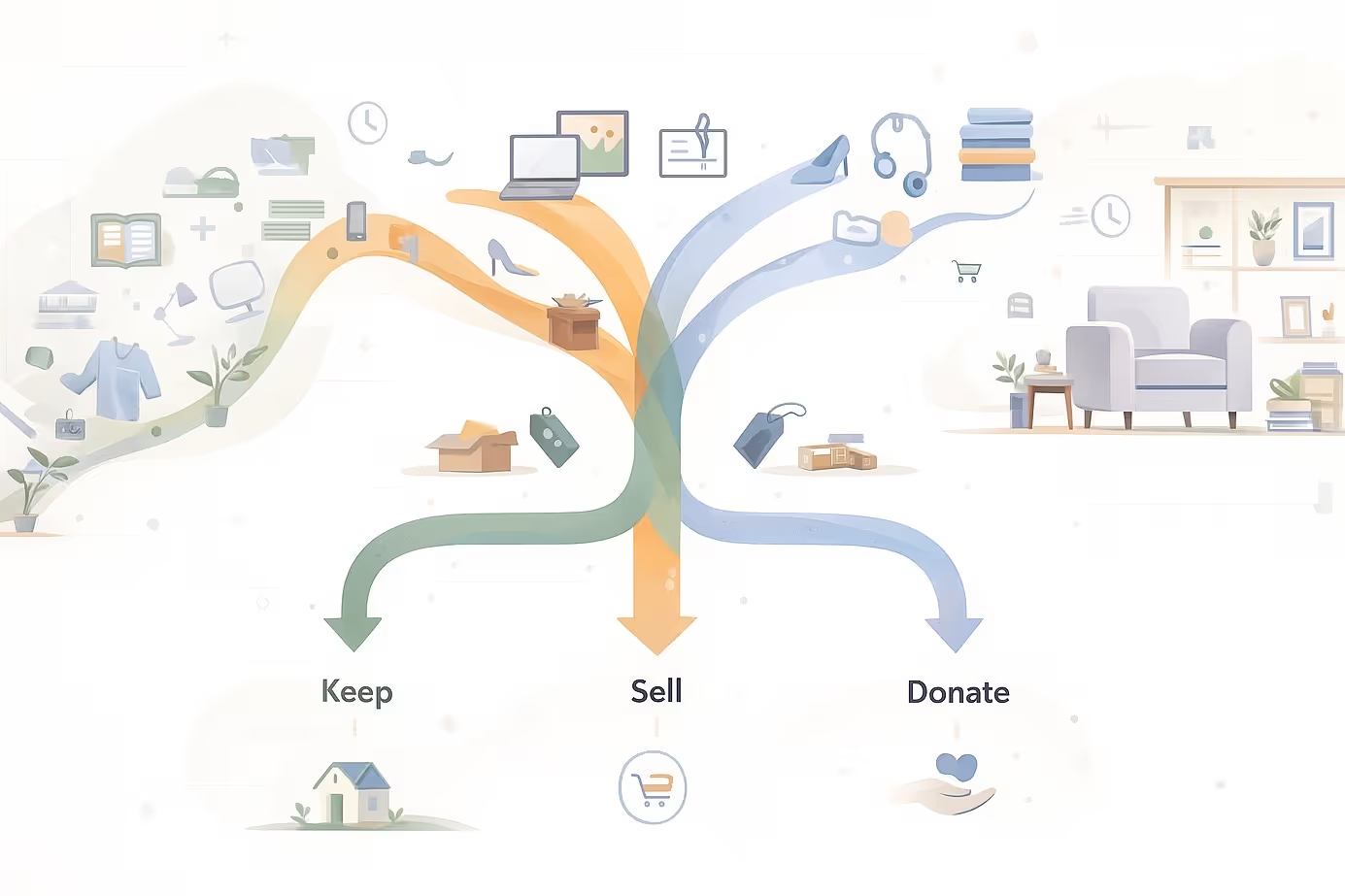
Downsizing means making hundreds of decisions about possessions collected over a lifetime. It sounds easy enough however the obstacle lies in choosing what to keep, sell, or donate without second-guessing yourself. The most successful downsizers use simple, repeatable decision frameworks that help streamline the process and eliminate guesswork.
Professional organizers and appraisers rely on proven systems that help homeowners avoid some of the most common costly mistakes such as keeping too much, discarding valuable items, or letting emotions slow progress.
Every item should move through the same sequence of questions in this exact order. This keeps decisions consistent, fast, and objective.
Start by asking, Do I use this regularly? Regular use means at least once per year or seasonally for holiday-specific items. If the answer is no, the item moves directly into the sell-or-donate category. As a rule, if you haven’t used something in 12 months, you’re unlikely to miss it in your new home. Next you should ask: Does this fit my new space and lifestyle? Even useful items may not belong in a smaller home. For example, a formal dining table that served your family for years may not fit in a downsized space with a simple breakfast nook.
Then you could also ask yourself: Would I buy this today if I didn’t already own it? This question cuts through sentiment and the trap of holding onto items simply because you “paid good money” for them. Finally, ask: Can I afford to move or store this? With moving costs ranging from $1,400 locally to nearly $5,000 long-distance, use the test of whether you’re willing to pay to move the item for all borderline decisions.
Housekeeping: Once your criteria are set, use the Three-Box Method. One box each for Keep, Sell, and Donate.
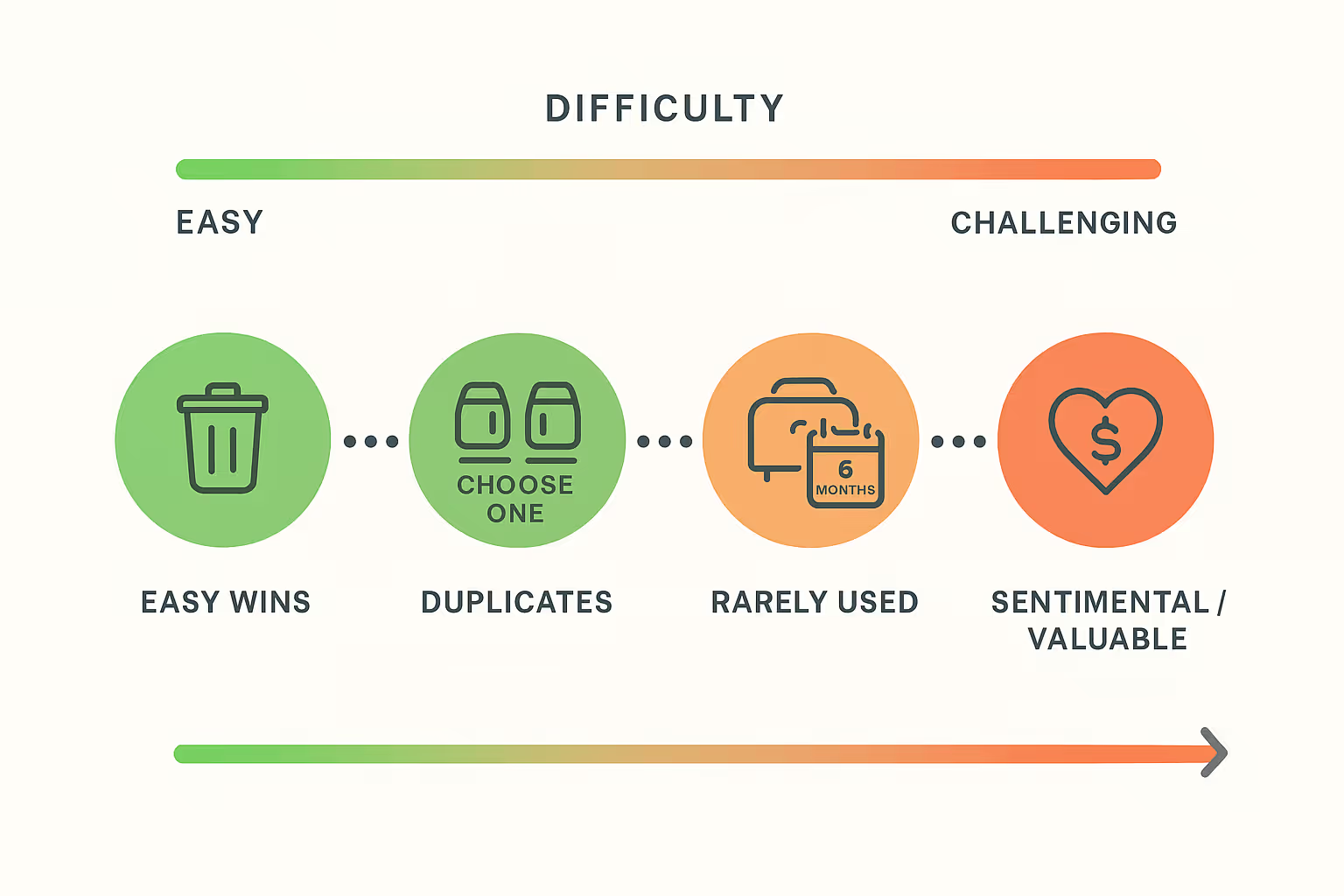
The order of your decisions matters. Start with easy wins, build confidence, and save emotional or high-value items for last. Begin with obvious removals like expired medications, broken electronics, or worn-out clothing. These require zero emotional energy and create quick, visible progress. Next, move on to duplicate items using the rule “the best one wins.” Keep the highest-quality version of tools, kitchen items, or coats and release the rest.
Then address rarely used items such as specialty appliances, exercise equipment, or holiday serving pieces you haven’t used in months. Ask yourself: “If I could keep only one, would this be it?” Finally, tackle sentimental and high-value items once you’ve strengthened your decision-making muscles. Photos, heirlooms, jewelry, and antiques require clear thinking and should be evaluated when you’re mentally fresh.
Some categories deserve automatic “keep” status regardless of available space. You should never discard essential documents, including birth certificates, Social Security cards, passports, deeds, wills, and powers of attorney. Keep tax returns for seven years and store digital backups, but always retain originals.
Keep high-value items such as quality jewelry, original artwork, and antiques until professionally evaluated. Many older items have increased in value more than families realize. Alongside, protect your “desert island” treasures which should be about 10–15 irreplaceable sentimental items like heirlooms, handwritten recipes, or a parent’s wedding ring. Everything else with sentimental meaning should be evaluated critically.
Note: You should also keep lifestyle essentials, such as the items you truly use weekly or seasonally. Choose one high-quality version of essentials rather than multiple mediocre versions.
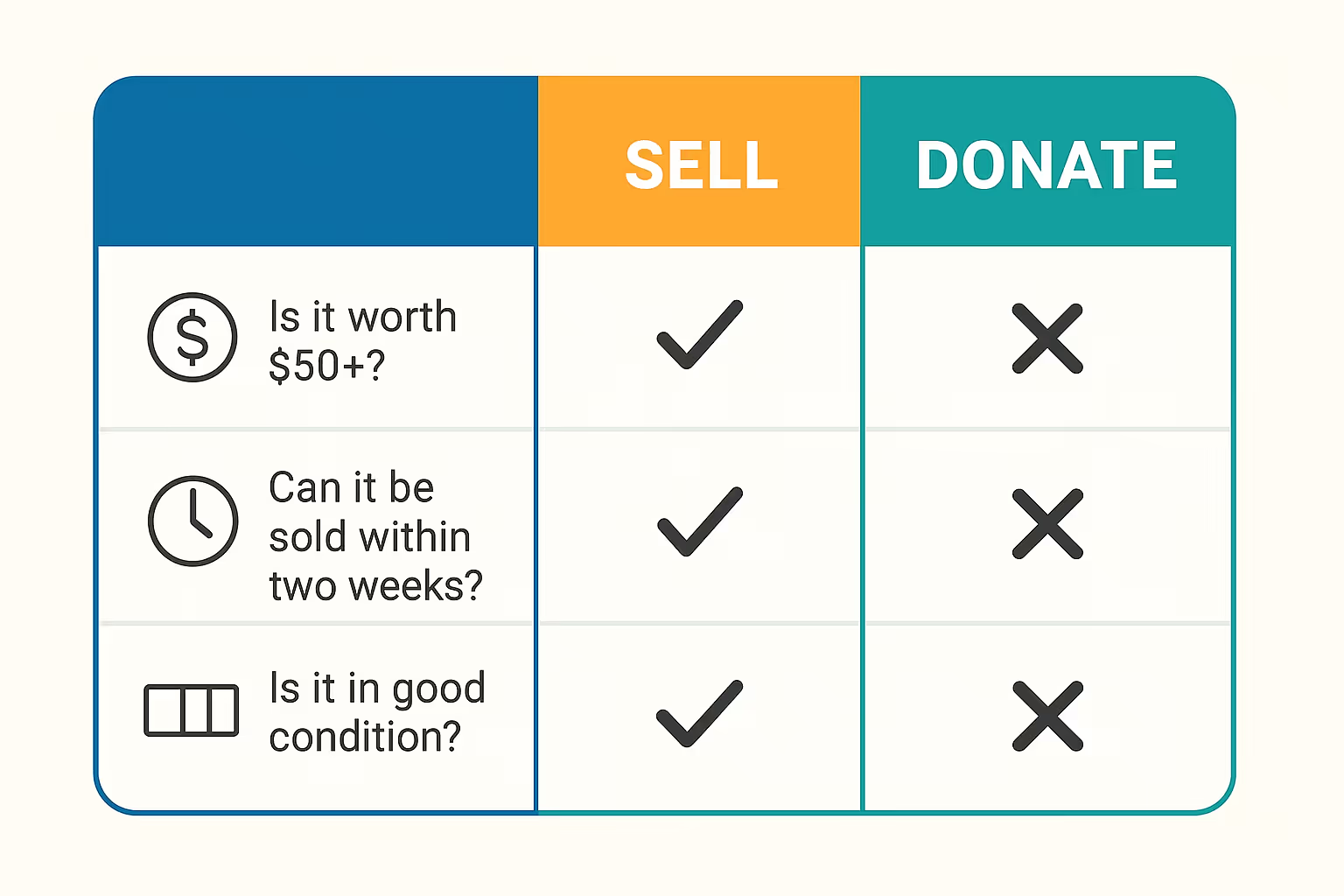
Sell items only when all three criteria apply: they’re worth at least $50, you have at least two to four weeks before moving, and the item is in excellent, widely appealing condition. Donate when any of the following are true: the item is under $50 in value, the move date is approaching, the item needs repairs, or you prefer the speed, simplicity, or tax deduction of donating.
The best resale categories include designer goods, Apple electronics under three years old, musical instruments, and mid-century modern furniture. Items with poor resale value include mass-market goods, older electronics, and traditional brown furniture. Also make use of the Two-Week Selling Rule. If an item doesn’t sell within two weeks at a fair price, donate it rather than lowering the price repeatedly.
Q. How long should the decision-making process take?
A. Plan for 6-12 months minimum. You'll make 300-500 individual choices, and rushing leads to mistakes. Most successful downsizers spend 2-3 hours per week rather than marathon sessions.
Q. What if I make the wrong decision and regret it?
A. Occasional regret is normal and much less costly than keeping everything "just in case." Most people miss far fewer items than expected.
Q. What's the biggest mistake people make?
A. Creating "maybe" piles instead of forcing immediate choices. Every undecided item becomes a future problem under time pressure.
Q. When should I get professional appraisals?
A. For items you suspect might be valuable, yes. However, don't use "I should get this appraised" as an excuse to delay decisions on obvious everyday items.
Avoid creating “maybe” piles. Every undecided item becomes a harder future decision. Don’t keep items based on what you originally paid; that money is already spent, and decisions should be based on current usefulness. Limit family delays by giving relatives two weeks to claim items. After the deadline, move forward with your original plan.
You should also avoid making emotional decisions when tired or overwhelmed. Plan downsizing sessions when you’re rested and focused.
Finally, professional appraisals are essential especially for antiques, artwork, jewelry, collectibles, and anything you suspect may have significant value. At AppraiseItNow, we help families avoid major financial mistakes by providing accurate, certified valuations that eliminate uncertainty and help you make confident keep-sell-donate decisions. Contact AppraiseItNow today to learn how accurate appraisals give you the confidence to make informed decisions about your valuable possessions.




