








If your financial data is incomplete or disorganized, your cannabis equipment appraisal can come in thousands of dollars below true market value—or fail to hold up under IRS, lender, or investor scrutiny. Cannabis equipment represents significant capital investments, often ranging from $50,000 for basic cultivation setups to over $2 million for complete processing facilities.
Cannabis equipment appraisal evaluates the fair market value of specialized equipment used in cultivation, processing, testing, and retail operations. Unlike traditional equipment appraisals, cannabis valuations must account for regulatory complexities, rapid technology changes, and market volatility unique to the industry.
Key Insight: Proper financial documentation can increase your equipment's appraised value by 15-25% compared to appraisals based on incomplete records, according to certified cannabis appraisers.
This guide walks you step-by-step through what financial data to collect, where to find it, and how appraisers use this information to determine accurate fair market value for your cannabis equipment.
Cannabis equipment appraisal differs significantly from standard industrial equipment valuation due to regulatory restrictions and market dynamics. Your cultivation lights, extraction machines, and processing equipment operate in a highly regulated environment where licensing changes can dramatically impact equipment demand and value.
The appraisal process considers three main approaches. The cost approach examines what you paid for equipment plus installation costs, minus depreciation. The market approach compares your equipment to recent sales of similar items. The income approach evaluates how much revenue your equipment generates relative to its operational costs.
Cannabis-specific factors also influence value. Section 280E tax restrictions affect how equipment costs are deducted, while state licensing requirements can limit equipment transferability. Equipment that meets compliance standards in multiple states typically holds higher value than single-state compliant machinery.
Start by identifying your appraisal purpose, whether for financing, insurance, merger and acquisition, or tax compliance. Each purpose may require different levels of detail and documentation standards.
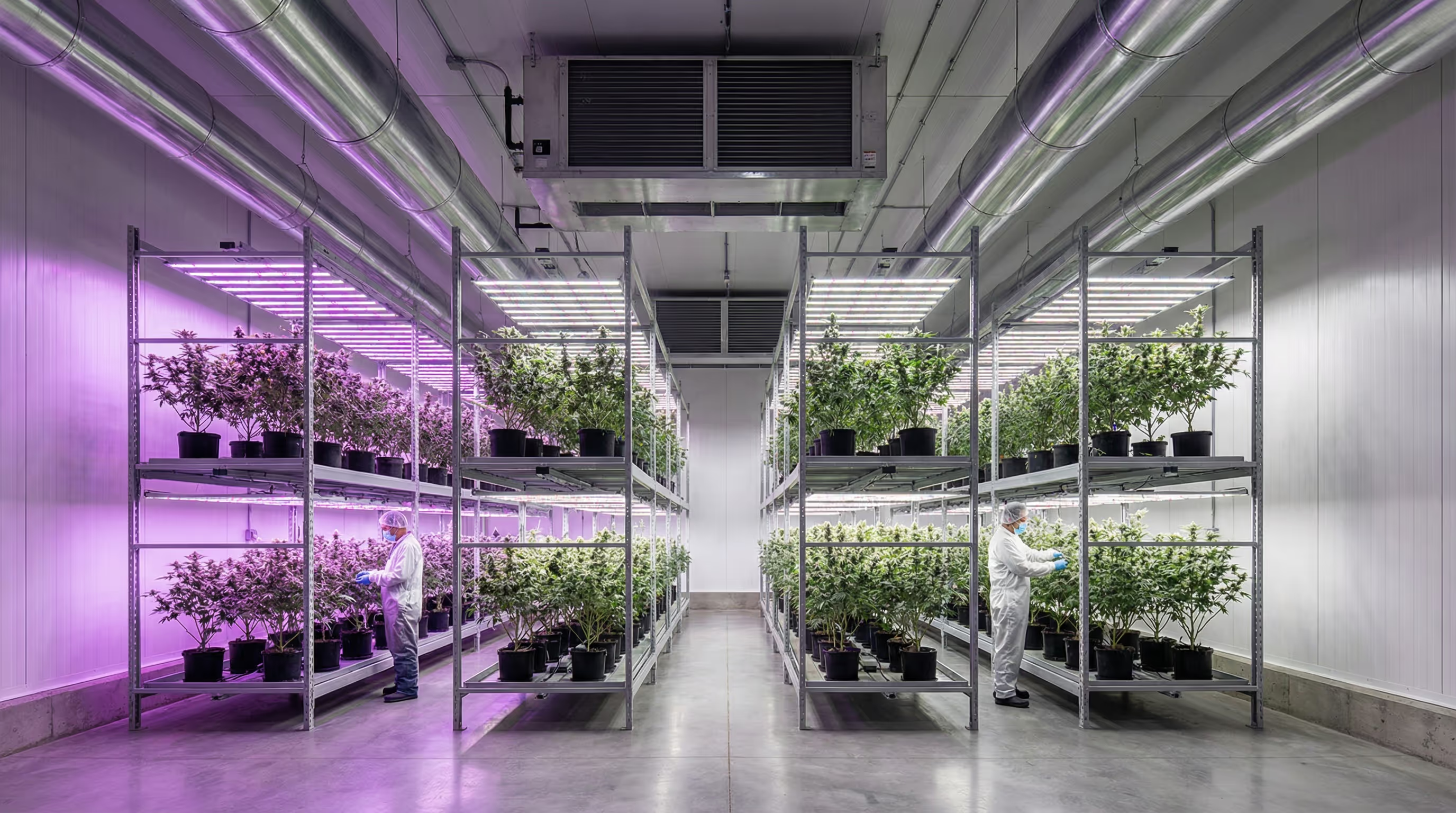
Create a comprehensive equipment inventory listing every piece of cannabis-related machinery, including cultivation lights, HVAC systems, extraction equipment, packaging machines, and security systems. Document model numbers, serial numbers, installation dates, and current condition for each item.
Gather your core financial statements from the past three to five years, including profit and loss statements, balance sheets, and cash flow statements. Pull your business tax returns, focusing on depreciation schedules and fixed asset registers that show equipment costs and depreciation methods.
Collect equipment-level financial data showing acquisition costs, installation expenses, major repairs, upgrades, and ongoing maintenance costs. Document any revenue or cost savings directly attributable to specific equipment pieces, such as increased yield from upgraded grow lights or reduced labor costs from automated systems.
Cross-reference your records with vendor documentation, including original purchase orders, invoices, warranties, and service contracts. This verification step ensures accuracy and provides supporting evidence for your equipment's value claims.
Your accounting system serves as the primary source for most financial data. Export general ledger details, fixed asset registers, and depreciation schedules that show equipment purchase dates, costs, and accumulated depreciation.
Tax returns provide crucial validation of your financial records. Focus on Form 4562 for depreciation details, Schedule C or corporate returns showing equipment expenses, and any Section 179 or bonus depreciation elections that affected equipment costs.
Document TypeKey InformationTypical SourcePurchase invoicesOriginal cost, installation feesVendor records, AP filesDepreciation schedulesBook value, useful lifeTax returns, accounting systemMaintenance logsRepair costs, downtimeService contracts, work ordersRevenue reportsEquipment productivityPOS systems, cultivation software
Vendor documentation includes original quotes, current replacement cost estimates, service histories, and trade-in values. Many equipment manufacturers maintain detailed records of installations and can provide current pricing for comparable equipment.
Lease agreements, loan documents, and insurance policies contain additional financial information about equipment values, including lender appraisals, insurance coverage amounts, and lease payment calculations that reflect fair market rental rates.
Pro Tip: Cannabis businesses using seed-to-sale tracking systems often have detailed equipment utilization data that can significantly strengthen income-based valuation approaches.
Contact your equipment vendors to request current pricing information, including list prices for new equipment, typical discount levels, and trade-in values for your existing machinery. Many vendors maintain databases of recent sales that can provide valuable market comparison data.
Verify vendor information against multiple sources to ensure accuracy. Check manufacturer websites, industry publications, and equipment auction results to confirm pricing trends and market conditions.
Industry reports from organizations like New Frontier Data, BDSA, and Cannabis Business Times provide market context for equipment demand and pricing trends. These sources help appraisers understand whether your equipment operates in a growing or declining market segment.
Online marketplaces and auction sites offer additional comparable sales data, though this information requires careful analysis to ensure the equipment condition, age, and specifications match your assets.

Professional cannabis equipment appraisers integrate your financial data with physical inspections, market research, and regulatory analysis to determine fair market value. Under the cost approach, appraisers rely heavily on your acquisition costs, installation expenses, and depreciation schedules to calculate replacement cost new less depreciation.
The market approach uses your financial data to establish comparability with recent equipment sales. Appraisers compare purchase prices, age, condition, and productivity metrics to identify truly comparable transactions and make appropriate adjustments.
For income-producing equipment portfolios, appraisers use your revenue and cost data to project future cash flows and calculate present value. This approach works particularly well for complete processing lines or cultivation systems where equipment directly generates measurable income.
Important: USPAP-compliant appraisals require appraisers to verify and reconcile financial data from multiple sources, ensuring the final valuation withstands scrutiny from lenders, courts, and tax authorities.
Cannabis equipment appraisal requires meticulous financial documentation, but the investment in proper data collection pays dividends through more accurate valuations and stronger negotiating positions. Start by organizing your equipment inventory, gather comprehensive financial records, and work with vendors to verify current market conditions.
A professional cannabis equipment appraiser brings specialized knowledge of industry regulations, market trends, and valuation methodologies that ensure your appraisal meets USPAP standards and provides defensible value conclusions for any business purpose. AppraiseItNow's certified appraisers specialize in cannabis asset valuation and can guide you through the entire process, from initial data collection to final report delivery.
You need original purchase invoices, installation receipts, depreciation schedules from your accounting system, maintenance and repair records, financial statements showing equipment-related revenue and expenses, current inventory reports, and any equipment leases, warranties, or prior appraisals. Having 3-5 years of complete records helps appraisers provide more accurate valuations.
Appraisers use your financial data in three main ways: the cost approach uses purchase prices and depreciation to calculate replacement cost minus wear, the market approach compares your equipment to recent sales using condition and performance data, and the income approach evaluates revenue generation and cost savings to determine economic value contribution.
Yes, but incomplete records may result in wider value ranges and less defensible conclusions. Professional appraisers can supplement missing data with vendor quotes, market comparables, and industry benchmarks, though complete financial documentation typically increases appraised values by 15-25% and provides stronger support for financing, legal, or tax purposes.
Most cannabis businesses should reappraise major equipment every 2-3 years, or sooner when triggered by significant events like equipment upgrades, regulatory changes, financing needs, mergers and acquisitions, insurance claims, or litigation. Regular appraisals help maintain accurate asset values for financial reporting and strategic planning.




