Cannabis Equipment Appraisal Process: Complete Guide to Value, Requirements, and Choosing an Appraiser

Last Updated on Oct 05, 2025
Originally Published on Oct 05, 2025
Thank you! Your submission has been received!
Oops! Something went wrong while submitting the form.
Nationwide Service
Onsite or Online
USPAP-Compliant
IRS Qualified
DEFENSIBLE, USPAP-COMPLIANT APPRAISAL REPORTS — ACCEPTED BY 10,000+ ORGANIZATIONS
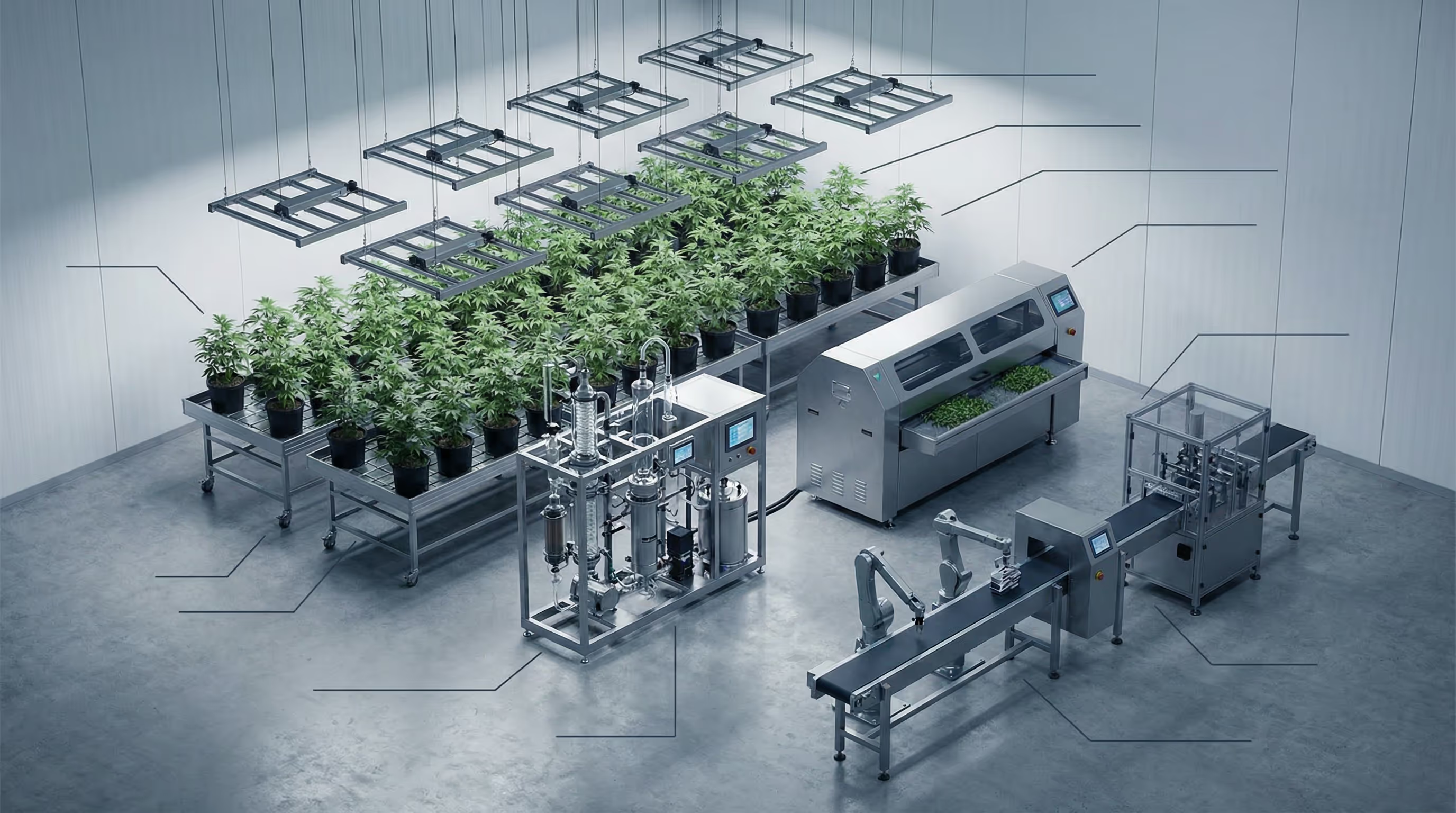
Cannabis equipment appraisal process overview showing cultivation, extraction, and processing equipment

When your lender requires an appraisal for cannabis equipment financing or your insurance company needs defensible values after a loss, you need more than a generic equipment appraiser. Cannabis equipment appraisal is a specialized valuation process that accurately determines the market value of cultivation, extraction, processing, and retail equipment used in cannabis operations.

Unlike traditional equipment appraisals, cannabis equipment valuations must account for regulatory complexities, limited resale markets, and rapidly evolving technology. The process requires USPAP-compliant appraisers with deep cannabis industry knowledge to deliver defensible reports accepted by lenders, insurers, courts, and the IRS.

Key Insight: Cannabis equipment appraisals typically take 7-14 days longer than traditional equipment appraisals due to specialized market research requirements and regulatory compliance documentation.

This guide walks you through the complete cannabis equipment appraisal process, explains different value standards, outlines what information you need to provide, and shows you how to choose a qualified appraiser who understands your industry's unique challenges.

Understanding cannabis equipment appraisal fundamentals

Cannabis equipment appraisal determines the fair market value, liquidation value, or replacement cost of specialized equipment used in cannabis cultivation, processing, extraction, testing, and retail operations. The process follows Uniform Standards of Professional Appraisal Practice (USPAP) guidelines while addressing cannabis-specific factors that traditional appraisers often miss.

The appraisal covers equipment ranging from grow lights and HVAC systems to CO2 extraction machines, laboratory testing instruments, security systems, and point-of-sale fixtures. Each piece requires specialized knowledge of cannabis production methods, regulatory requirements, and market conditions that affect equipment value and resale potential.

What sets cannabis equipment appraisal apart is the regulatory overlay. Equipment must often meet specific state licensing requirements, and changes in cannabis laws can significantly impact equipment value. Additionally, the limited secondary market for cannabis equipment means appraisers must understand both new equipment pricing and the constraints that affect used equipment sales. Understanding the basics of cannabis equipment appraisal is essential before beginning the valuation process.

Cannabis cultivation equipment including grow lights, HVAC systems, and processing machinery

When you need a cannabis equipment appraisal

Cannabis businesses require equipment appraisals for several critical situations, each with specific timing and value standard requirements. Understanding when appraisals are necessary helps you plan ahead and avoid delays in financing, insurance claims, or business transactions.

Insurance coverage represents the most common appraisal need. Insurers require current replacement values to set coverage limits and process claims. Without proper appraisals, you risk being underinsured or facing claim disputes when equipment is damaged or stolen. Many operators wonder if it's worth it to have insurance for cannabis equipment appraisal, and the answer typically depends on your operation's scale and equipment value.

Financing and lending situations also trigger appraisal requirements. Banks and alternative lenders need defensible collateral values before approving equipment loans or lines of credit. The appraisal helps establish loan-to-value ratios and provides security for the lender's investment.

Important Note: Most cannabis equipment loses 15-25% of its value in the first year due to rapid technology advancement and limited resale markets, making regular reappraisals essential for accurate insurance coverage.

Business transactions including mergers, acquisitions, partner buyouts, and asset sales require comprehensive equipment appraisals. Buyers and sellers need independent valuations to negotiate fair prices and complete due diligence. Tax compliance, estate planning, and legal disputes also frequently require USPAP-compliant appraisals that can withstand IRS scrutiny or court challenges.

What information your appraiser needs

Successful cannabis equipment appraisals depend on comprehensive documentation and equipment details. Gathering this information before the appraisal begins speeds up the process and ensures accurate valuations. Knowing what documents you need for a cannabis equipment appraisal helps streamline the entire process.

Your appraiser needs basic equipment identification including manufacturer, model number, serial number, year of manufacture, and purchase date. For each piece of equipment, provide original purchase invoices, installation costs, and any subsequent upgrades or modifications. Maintenance records, service contracts, and warranty information help establish equipment condition and remaining useful life.

Operational details matter significantly in cannabis equipment appraisal. Document equipment usage hours, production capacity, throughput rates, and any performance modifications. For cultivation equipment, include information about growing cycles, environmental controls, and energy efficiency ratings. Understanding how to collect financial data for cannabis equipment appraisal ensures you provide everything your appraiser needs.

Equipment CategoryKey Documentation RequiredCultivationGrowing cycles, environmental data, energy usageExtractionProcessing volumes, safety certifications, maintenance logsLaboratoryCalibration records, testing capacity, compliance certificatesSecuritySystem specifications, monitoring capabilities, compliance status

Regulatory compliance documentation is essential. Provide state licensing information, safety certifications, environmental permits, and any compliance modifications required by local authorities. This information helps appraisers understand regulatory risks that could affect equipment value or marketability.

How cannabis equipment appraisals differ from traditional equipment

Cannabis equipment appraisals face unique challenges that traditional equipment appraisers aren't equipped to handle. The regulatory environment creates complexity layers that affect both the appraisal process and final values.

Market data limitations present the biggest challenge. Unlike traditional industrial equipment with established secondary markets, cannabis equipment has limited comparable sales data. Many transactions occur privately, and equipment often can't be moved between states due to regulatory restrictions. This forces appraisers to rely more heavily on cost approaches and specialized industry knowledge. For cultivators specifically, understanding what cultivators need to know about cannabis equipment appraisals can help navigate these unique challenges.

Regulatory compliance adds another complexity layer. Equipment must meet state-specific requirements that vary significantly across jurisdictions. An extraction system legal in Colorado might not meet California standards, affecting its marketability and value. Appraisers must understand these regulatory nuances and their impact on equipment transferability.

Market Reality: Cannabis equipment typically experiences 20-30% higher depreciation rates than comparable industrial equipment due to regulatory risks and limited resale markets.

Technology evolution happens faster in cannabis than most industries. New extraction methods, improved grow lights, and enhanced testing equipment emerge regularly, potentially making existing equipment obsolete more quickly. Cannabis equipment appraisers must stay current with technological developments to accurately assess obsolescence factors. Several factors impact cannabis equipment appraisal value, and understanding these helps set realistic expectations.

Cannabis extraction equipment with CO2 machines, processing systems, and laboratory testing instruments

Step-by-step cannabis equipment appraisal process

The cannabis equipment appraisal process follows a structured approach designed to deliver defensible, USPAP-compliant valuations. Understanding each step helps you prepare effectively and know what to expect throughout the engagement. Learning how cannabis equipment appraisals work provides valuable insight into the entire procedure.

Initial consultation and scope definition establish the appraisal's purpose, intended use, and value standard. Your appraiser determines whether you need fair market value for a sale, replacement cost for insurance, or liquidation value for financing. This step also identifies any special requirements like expedited timing or specific reporting formats.

Data collection and documentation review come next. The appraiser analyzes your equipment lists, purchase records, maintenance logs, and operational data. They research current market conditions, comparable sales, and replacement costs for similar equipment. This phase often takes longer for cannabis equipment due to limited market data availability.

On-site inspection allows the appraiser to assess equipment condition, verify specifications, and document any modifications or damage. They photograph equipment, test functionality where appropriate, and note any regulatory compliance issues. Virtual inspections are sometimes possible but may limit the appraiser's ability to assess condition accurately.

Market analysis and valuation calculation represent the technical heart of the appraisal. The appraiser applies appropriate valuation approaches, makes adjustments for condition and obsolescence, and considers cannabis-specific factors affecting value. They reconcile different value indications to reach final conclusions. Understanding the process of cannabis equipment appraisal helps you anticipate each phase.

Report preparation and delivery provide you with a comprehensive document supporting the appraised values. USPAP-compliant reports include equipment descriptions, photographs, methodology explanations, and the appraiser's certification. Most reports are delivered within 10-15 business days of the inspection, depending on the scope and complexity.

The cannabis equipment appraisal process requires specialized expertise, thorough documentation, and understanding of industry-specific challenges. When you need defensible equipment valuations for insurance, financing, or business transactions, working with qualified cannabis equipment appraisers ensures you receive accurate, compliant reports that protect your interests and support your business objectives. Knowing how to choose the right cannabis equipment appraiser is critical to getting the most accurate results.

At AppraiseItNow, our USPAP-compliant appraisers specialize in cannabis equipment valuations across all 50 states. We understand the regulatory complexities, market limitations, and technical requirements that make cannabis equipment appraisal unique. Contact us today for a consultation and learn how our expertise can support your cannabis business needs.

Cannabis Equipment Appraisal FAQs

What is a cannabis equipment appraisal and why do I need one?

A cannabis equipment appraisal is a professional, USPAP-compliant valuation of cultivation, extraction, processing, and retail equipment used in cannabis operations. You need one for insurance coverage, financing applications, business transactions, tax compliance, and legal disputes. Unlike traditional equipment appraisals, cannabis valuations must account for regulatory complexities and limited resale markets.

How long does a cannabis equipment appraisal take to complete?

Cannabis equipment appraisals typically take 7-14 days longer than traditional equipment appraisals due to specialized market research requirements and regulatory compliance documentation. Most straightforward projects are completed within 10-15 business days of the inspection, while larger multi-site portfolios may take several weeks depending on scope and complexity.

What information do I need to provide for my cannabis equipment appraisal?

You should provide manufacturer details, model numbers, serial numbers, purchase dates and invoices, maintenance records, usage hours, and any upgrades or modifications. For cannabis equipment specifically, include regulatory compliance documentation, state licensing information, and safety certifications. Having this information ready speeds up the process and ensures accurate valuations.

How do I choose a qualified cannabis equipment appraiser?

Look for an appraiser with recognized credentials (ASA, AMEA), USPAP compliance, and documented cannabis industry experience. Ask about their cannabis equipment assignments, whether their reports are accepted by lenders and insurers, and request a sample report. Ensure they understand cannabis regulations and have experience with cultivation, extraction, and processing equipment specific to your operation.

Related Appraisals We Offer

Related Articles

BEST-IN-CLASS APPRAISERS, CREDENTIALED BY: