







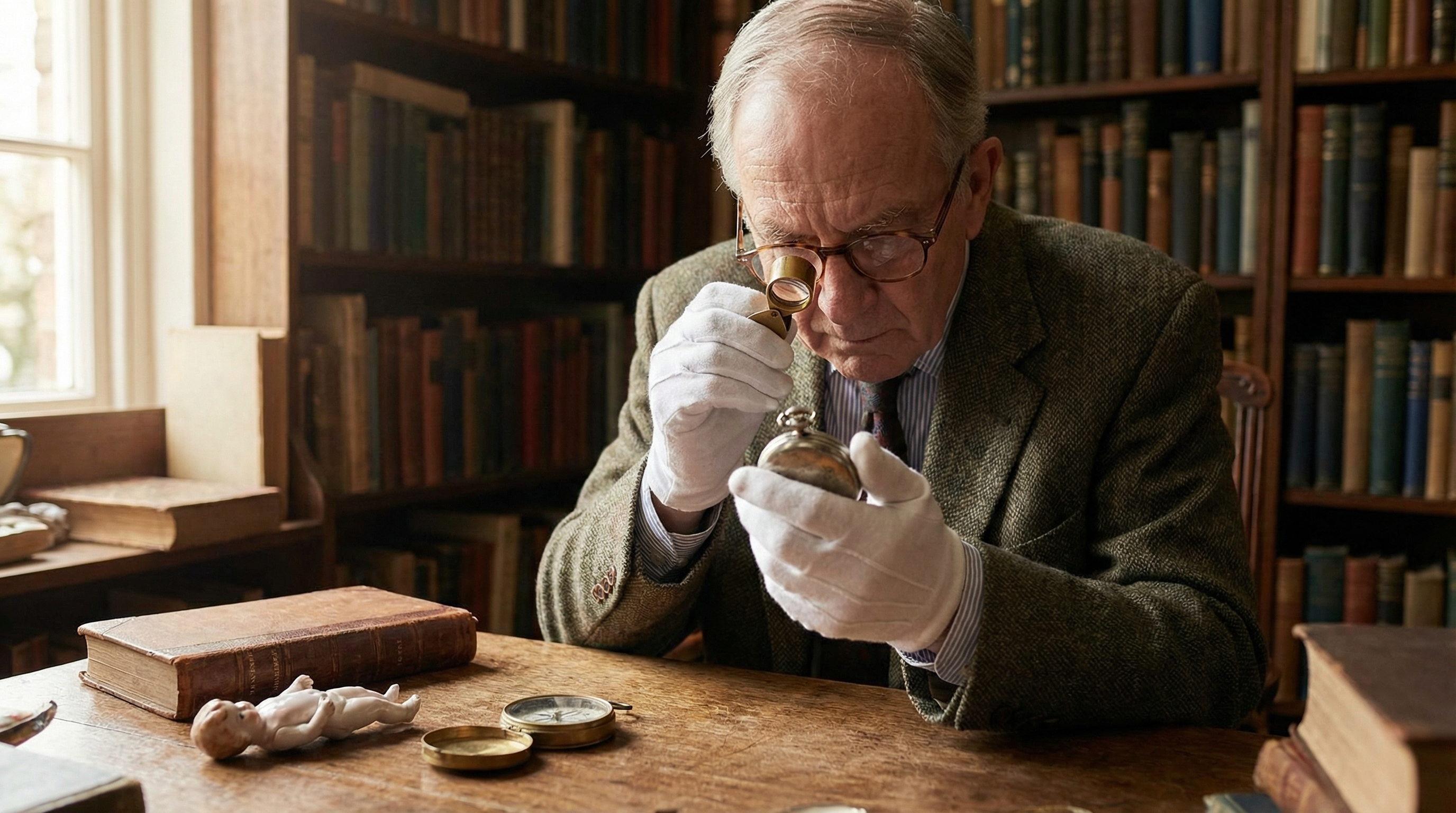
Getting your antiques properly appraised can feel overwhelming, especially when you're unsure about their true value or authenticity. Whether you're dealing with inherited family heirlooms, building a collection, or need documentation for insurance purposes, understanding the appraisal process is essential for making informed decisions about your valuable items.
An antique appraisal is a professional evaluation that determines an item's current market value based on factors like age, condition, rarity, and provenance. Most collectors need appraisals for insurance coverage, estate planning, or when buying and selling pieces. The key is finding a qualified appraiser who specializes in your specific type of antique and can provide USPAP-compliant documentation.
Quick Fact: Professional appraisals typically cost between $300-$600 per item, but this investment protects you from overpaying by thousands or being underinsured when filing claims.
This guide walks you through everything you need to know about antique appraisals, from understanding different types of valuations to finding trustworthy professionals who can accurately assess your collectibles.
Antique appraisals differ significantly from standard property valuations because they require specialized knowledge about historical periods, manufacturing techniques, and market trends. Unlike modern items with clear retail prices, antiques derive value from multiple complex factors that change over time.
Your appraiser needs expertise in specific categories whether that's Victorian furniture, Art Deco jewelry, or Depression-era glassware. They must understand how historical significance, maker marks, and regional variations affect pricing. This specialization is why you can't rely on general appraisers for accurate antique valuations.
The appraisal process involves detailed research into comparable sales, auction records, and current market conditions. Your appraiser will examine construction methods, materials, and any documentation you provide about the item's history. This thorough approach ensures you receive an accurate assessment that reflects current market realities.
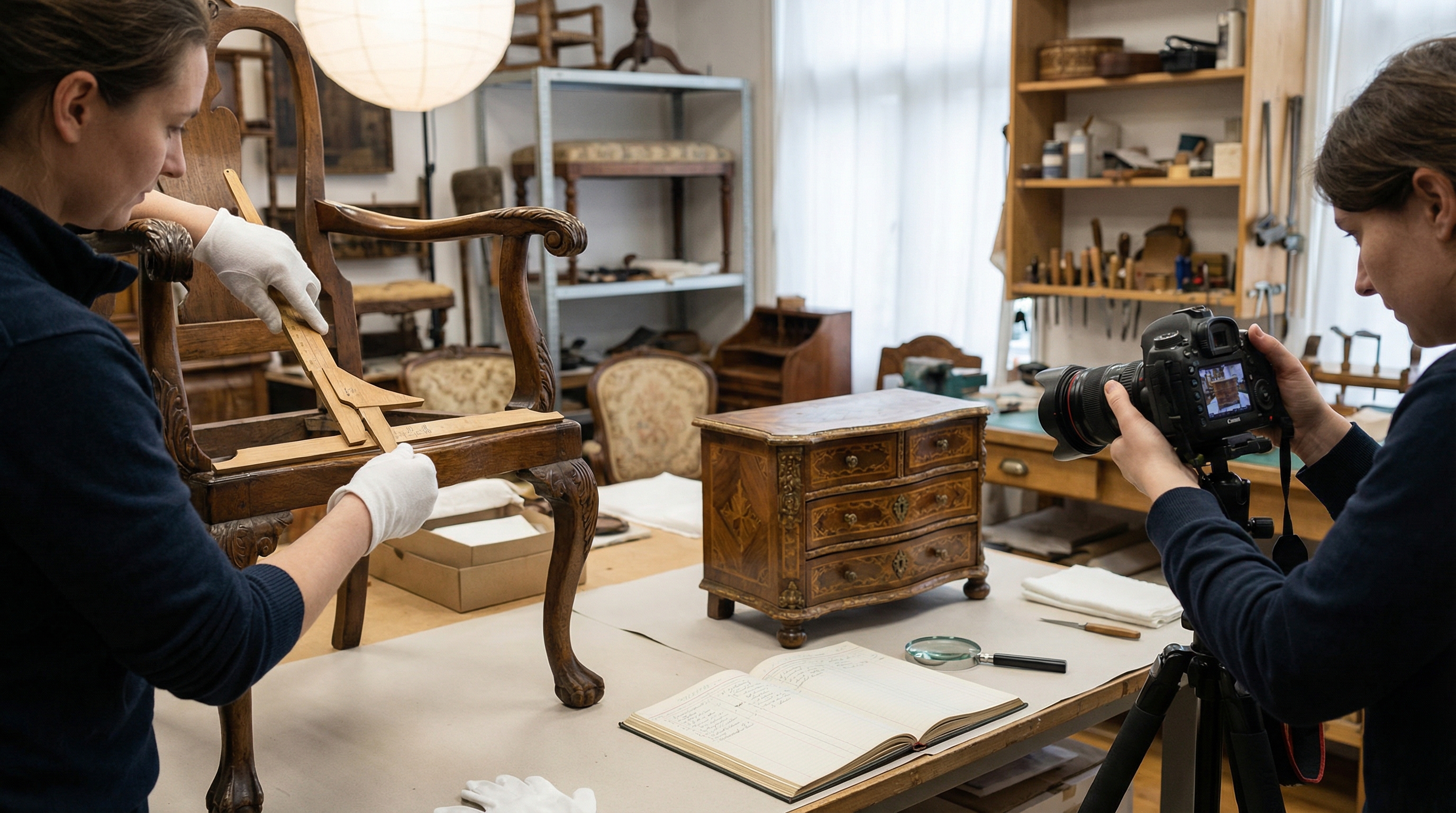
Several critical elements work together to establish an antique's worth, and understanding these helps you prepare for the appraisal process. Provenance stands as the most important factor - this documented history of ownership can dramatically increase value, especially if previous owners were notable figures or if the piece has exhibition history.
Condition plays a crucial role, but it's more nuanced than simply "good" or "bad." Antiques are expected to show age-appropriate wear, and some patina actually adds value. However, repairs, replacements, or alterations typically reduce worth. Your appraiser will carefully examine every aspect to determine how condition affects pricing.
Value FactorImpact LevelExamplesProvenanceHighCelebrity ownership, exhibition historyRarityHighLimited production, unique featuresConditionMedium-HighOriginal finish, structural integrityMarket DemandMediumCurrent collecting trends, seasonal factors
Rarity and desirability fluctuate based on current collecting trends and market demand. Items that were common decades ago might now be rare due to breakage or disposal, while pieces that seemed unremarkable can become highly sought after as collecting interests evolve.
Market Insight: The antique market has shifted significantly since 2020, with younger collectors driving demand for mid-century modern pieces while traditional Victorian furniture has seen declining interest.
Choosing the right appraiser is crucial for getting accurate valuations and reports that will be accepted by insurance companies, courts, and tax authorities. Look for professionals with credentials from recognized organizations like the American Society of Appraisers (ASA) or the Appraisers Association of America (AAA).
Your ideal appraiser should specialize in your specific type of antique and have demonstrable experience with similar items. Ask about their background, request references, and verify their credentials through the certifying organization's website. Avoid appraisers who guarantee specific values or seem eager to purchase your items.
Before the appointment, document your antiques thoroughly with detailed photographs from multiple angles. Include close-ups of maker marks, signatures, or damage. Gather any historical documentation, receipts, or previous appraisals you might have. This preparation helps your appraiser work more efficiently and often results in more accurate valuations.
The appraisal process typically takes several hours depending on the number and complexity of items. Your appraiser will examine each piece carefully, take measurements and photographs, and research comparable sales. Expect to receive a detailed written report within one to two weeks that includes photographs, descriptions, and value conclusions.
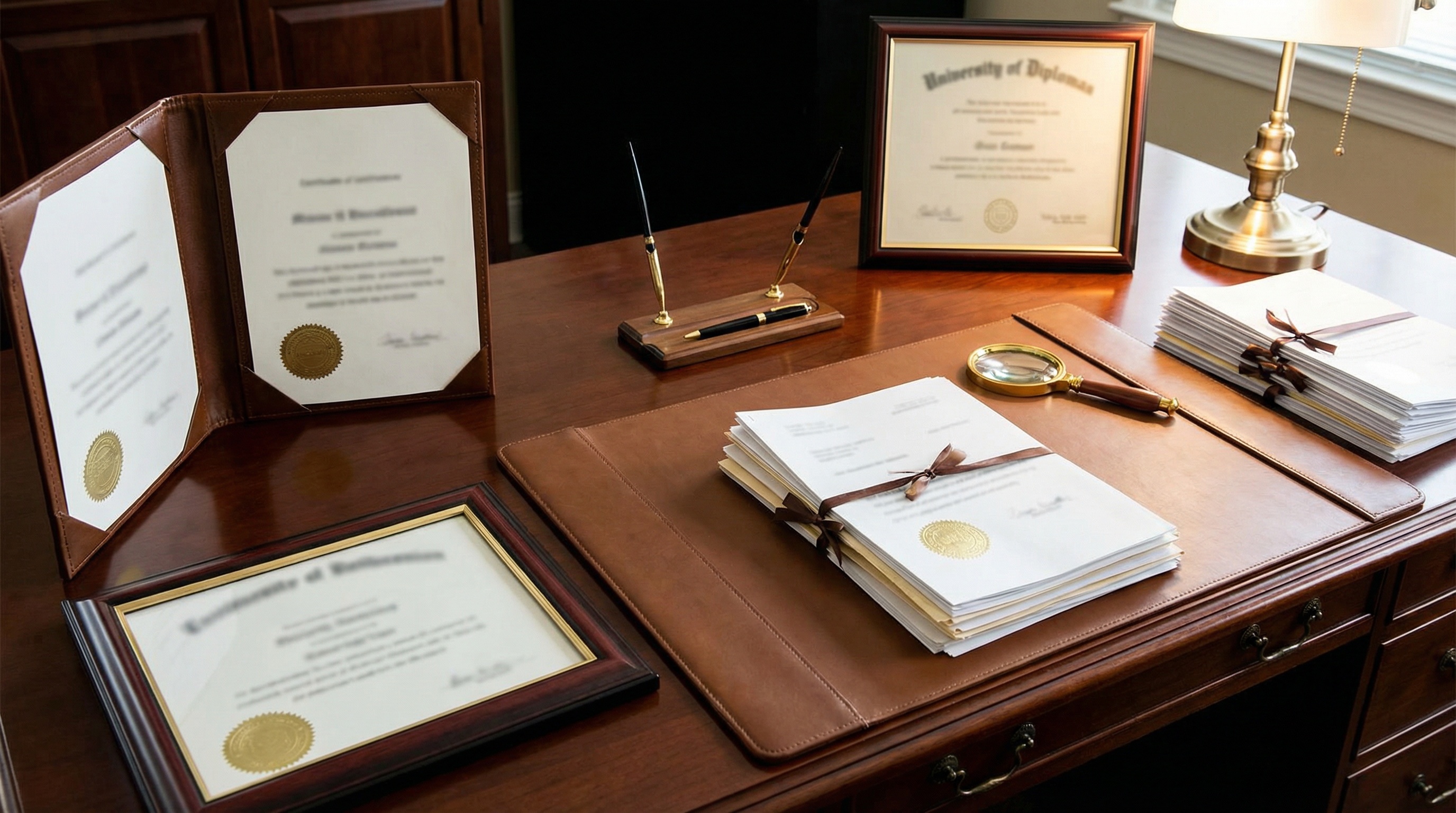
Different situations require different types of appraisal reports, and understanding these distinctions helps you request the appropriate service for your needs. Insurance appraisals focus on replacement value and provide the documentation needed to obtain adequate coverage for your antiques.
Estate and tax appraisals determine fair market value for inheritance, gift tax, or charitable donation purposes. These reports must meet specific IRS requirements and are often more detailed than insurance appraisals. The appraiser's qualifications and report format become especially important for tax-related valuations.
Damage claims require specialized reports that document an item's condition before and after loss or damage. These appraisals often involve working with insurance adjusters and may require additional research to establish pre-loss value. Understanding the role of antiques appraisals in insurance claims can help you navigate this process more effectively.
Professional Tip: Update your appraisals every three to five years, or sooner if market conditions change significantly. Outdated valuations can leave you underinsured or paying premiums on inflated values.
Market value appraisals help when you're considering selling items or need to understand current worth for financial planning. These reports focus on what you could reasonably expect to receive in today's market, which may differ significantly from insurance replacement values.
The antique appraisal process doesn't have to be intimidating when you understand what's involved and come prepared. Working with qualified professionals who specialize in your specific types of antiques ensures you receive accurate valuations that protect your interests whether you're insuring, selling, or simply understanding what you own.
Remember that appraisals are investments in protecting your valuable items and making informed decisions about your collection. The value of professional antiques appraisals extends far beyond the initial cost - proper documentation can save you thousands in insurance disputes, tax issues, or poor selling decisions. Take the time to find the right appraiser and maintain current documentation for all your significant antiques.
Professional antique appraisals typically cost between $300-$600 per item, though fees can range from $150-$500 depending on the complexity and type of antique. For extensive collections, appraisers may offer flat rates or hourly fees starting around $1,000. Avoid appraisers who charge percentage-based fees, as this can create conflicts of interest and bias in valuations.
Look for appraisers certified by recognized organizations like the American Society of Appraisers (ASA), Appraisers Association of America (AAA), or International Society of Appraisers (ISA). Verify their credentials through the certifying organization's website, ensure they specialize in your specific type of antique, and confirm they follow USPAP compliance standards. Always check references and avoid appraisers who express interest in purchasing your items.
Fair market value represents what you could reasonably expect to receive if selling the antique in today's market between willing buyers and sellers. Replacement value, used for insurance purposes, reflects the current cost to replace the item with one of similar quality and characteristics. Insurance appraisals typically use replacement value, while estate and tax appraisals focus on fair market value.
Update your antique appraisals every three to five years, or sooner if significant market changes occur. The antique market has shifted considerably since 2020, with changing collector preferences affecting values. For high-value collections or items with rapidly changing markets, consider annual updates to maintain accurate insurance coverage and avoid being underinsured during claims.




