







If you're refinancing your grow facility, filing an insurance claim, or preparing for a business sale, you'll likely need a cannabis equipment appraisal. A cannabis equipment appraisal is an independent, USPAP-compliant professional opinion of value for cultivation, processing, extraction, and retail equipment used in cannabis operations.
Without proper appraisals, you risk underinsurance that could cost thousands in unrecovered losses, loan rejections due to inadequate collateral documentation, or disputes during business transactions. This guide walks you through what's included in the appraisal process, typical timelines and costs, key factors affecting equipment value, and how to choose the right appraiser for your needs.
Quick Answer: A cannabis equipment appraisal typically takes 1-3 weeks, costs vary based on equipment quantity and complexity, and requires a USPAP-certified appraiser with cannabis industry experience to ensure lender and insurer acceptance.
A cannabis equipment appraisal provides a defensible opinion of value for specialized equipment used in cannabis cultivation, processing, extraction, testing, and retail operations. Unlike generic equipment appraisals, these evaluations account for cannabis-specific factors like rapid technology changes, regulatory compliance requirements, and limited secondary markets.
You'll need a cannabis equipment appraisal for several business situations. Lenders require them for financing and refinancing to establish collateral value. Insurance companies need current valuations for coverage limits and claims processing. During mergers, acquisitions, or partnership changes, appraisals ensure fair asset division. Tax authorities may request them for depreciation schedules or audit support, especially given 280E tax code complexities in the cannabis industry.
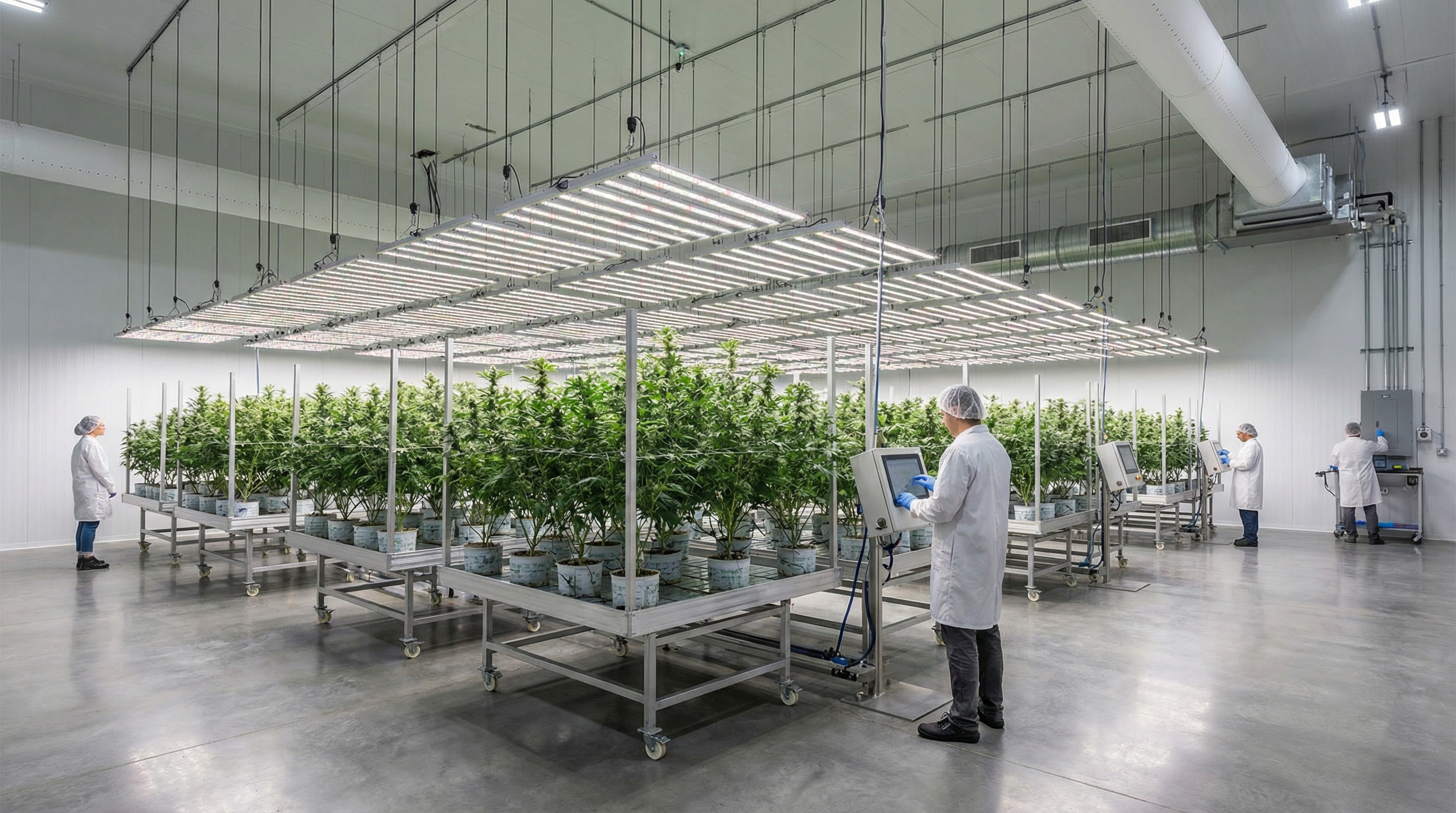
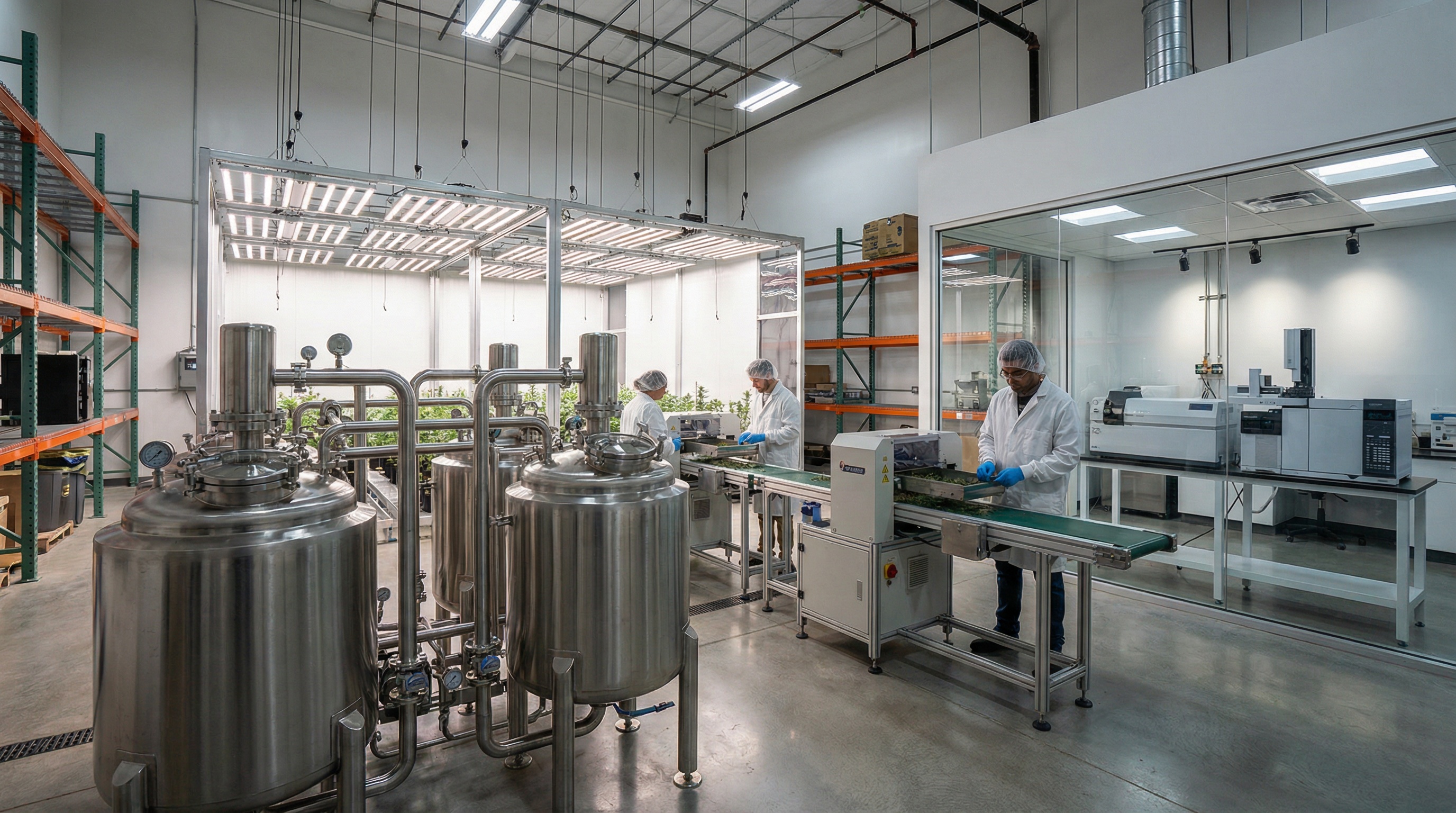
The appraisal covers equipment categories including cultivation systems (LED grow lights, environmental controls, irrigation systems), processing equipment (trimming machines, drying systems, packaging equipment), extraction equipment (closed-loop systems, distillation units, rosin presses), laboratory testing instruments (HPLC machines, moisture analyzers), security systems, and retail fixtures like display cases and point-of-sale hardware.
Understanding different value types helps you request the right appraisal for your specific purpose. The same equipment can have different values depending on the intended use of the appraisal report.
Fair Market Value represents the price equipment would sell for between willing buyers and sellers in an open market. This is commonly used for tax reporting, estate planning, and business valuations. Market Value is similar but may have specific conditions based on the assignment. Orderly Liquidation Value estimates proceeds from a sale with reasonable marketing time, often requested by lenders assessing collateral risk.
Forced Liquidation Value assumes a quick sale under distressed conditions and typically yields the lowest values. Replacement Cost estimates the expense to acquire equivalent new equipment and is frequently used for insurance coverage determinations.
Value TypeDefinitionCommon Use CasesFair Market ValueOpen market transaction priceTax reporting, estate planningOrderly LiquidationSale with reasonable marketing timeLender collateral assessmentForced LiquidationQuick sale under pressureBankruptcy, distressed situationsReplacement CostCost of equivalent new equipmentInsurance coverage
Your lender might request orderly liquidation value for loan collateral, while your insurance carrier typically needs replacement cost for coverage limits. Understanding the different types of cannabis equipment appraisals ensures you get the right appraisal type for your specific needs.
The appraisal process follows a structured approach to ensure accurate, defensible results. Here's what happens from start to finish.
Step 1: Assignment Definition - The appraiser clarifies the purpose, intended users, type of value needed, and effective date. This prevents misunderstandings and ensures the final report meets your specific requirements.
Step 2: Scope and Engagement - You'll provide equipment lists, locations, access requirements, and deadlines. The appraiser outlines their approach, limitations, and fee structure in an engagement letter.
Step 3: Data Collection - Gather purchase invoices, equipment lists with serial numbers, maintenance records, upgrade documentation, and lease agreements. Better preparation at this stage improves accuracy and reduces turnaround time. Learn more about what documents you need for a cannabis equipment appraisal to streamline this process.
Step 4: Inspection - The appraiser conducts on-site or virtual inspections to verify equipment existence, condition, installation quality, and compliance status. They'll photograph equipment and note any modifications or damage.
Pro Tip: Prepare detailed equipment lists with make, model, serial numbers, and purchase dates before the inspection to streamline the process and improve report accuracy.
Step 5: Market Research and Analysis - The appraiser researches comparable sales, dealer quotes, manufacturer pricing, and market trends. Cannabis equipment markets can be volatile, so current data is essential for accurate valuations.
Step 6: Value Reconciliation - Different valuation approaches are reconciled into a final opinion of value, considering equipment-specific factors and market conditions.
Step 7: Report Preparation - The final USPAP-compliant report includes methodology, assumptions, detailed asset schedules, photographs, and the appraiser's certifications. Most appraisals take 1-3 weeks depending on complexity and equipment quantity. Understanding the process of cannabis equipment appraisal helps you know what to expect.
Several factors significantly impact cannabis equipment values, and understanding them helps you maintain and optimize your asset values.
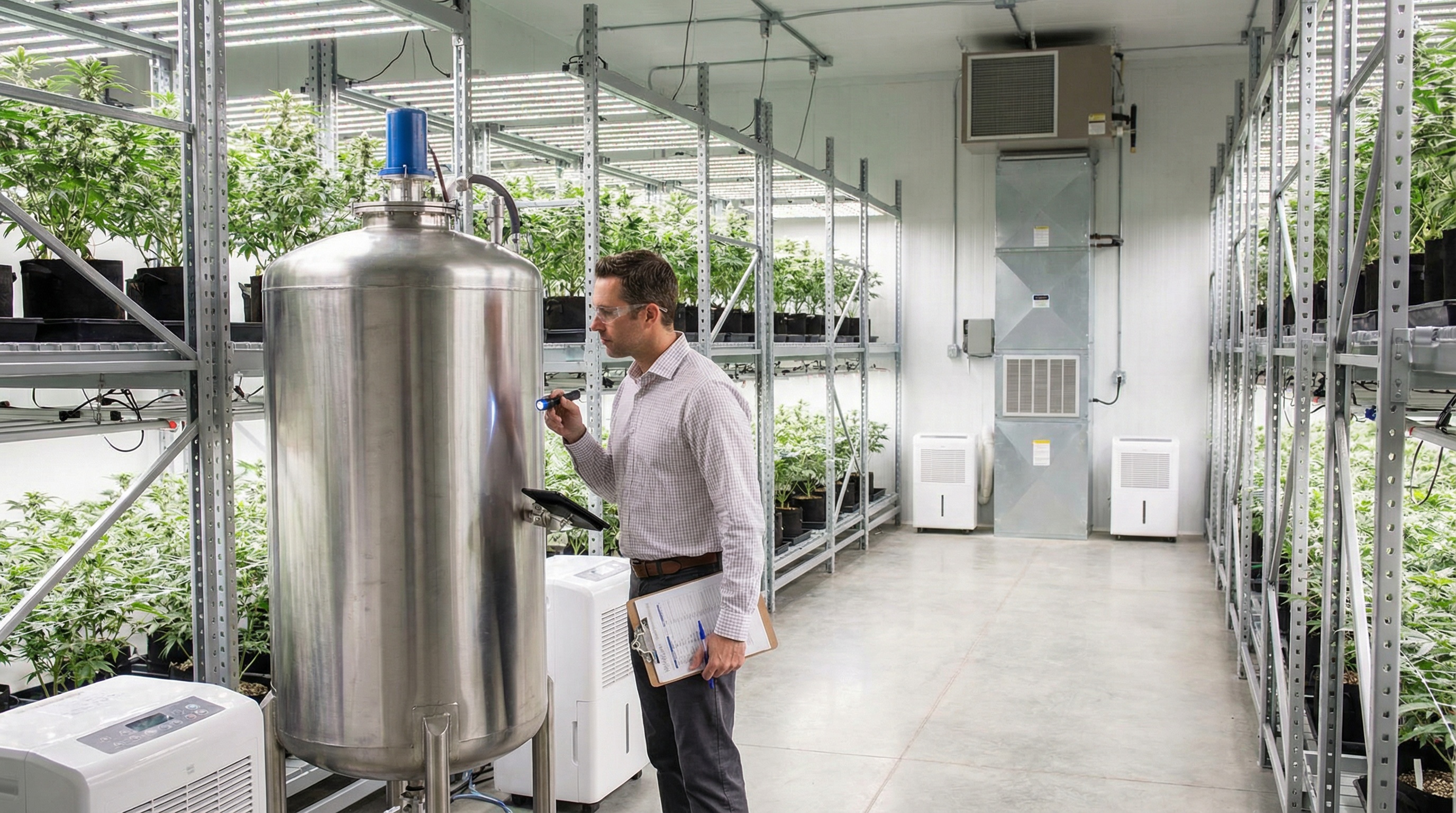
Equipment condition and maintenance heavily influence value. Well-maintained equipment with complete service records commands higher prices than neglected assets. Age and technology obsolescence matter especially in rapidly evolving areas like LED lighting and extraction technology. Brand reputation and specifications affect resale values, with established manufacturers typically holding value better than unknown brands.
Regulatory compliance status impacts value since non-compliant equipment may require expensive modifications or have limited marketability. Installation quality and modifications can either add value for improvements or reduce it for poor workmanship. Market demand and secondary market availability vary by equipment type and geographic location.
Cannabis-specific factors include rapid innovation cycles that can quickly obsolete equipment, licensing constraints that limit potential buyers in some markets, and federal legal uncertainties that affect interstate commerce and financing options. Review what factors impact cannabis equipment appraisal value for a comprehensive understanding.
Common appraisal mistakes include using book values instead of current market values, hiring generalist appraisers without cannabis industry experience, skipping physical inspections for desktop valuations, using outdated appraisals when market conditions change rapidly, and choosing non-USPAP compliant appraisers for legal or IRS matters.
To avoid these issues, update appraisals when market conditions shift significantly, ensure your appraiser has relevant cannabis industry experience, and always verify USPAP compliance for formal reporting requirements.
Important: Cannabis equipment markets change rapidly due to technology advances and regulatory shifts, so appraisals older than 12-18 months may not reflect current values for financing or insurance purposes.
Selecting the right appraiser ensures your report will be accepted by lenders, insurers, and courts while providing accurate valuations for decision-making.
Essential qualifications include professional appraisal designations (ASA, ISA, or similar), current USPAP training and compliance, and specific experience with cannabis industry equipment. Cannabis industry knowledge matters because generic equipment appraisers may miss important factors like compliance requirements, technology obsolescence rates, and market dynamics unique to cannabis operations.
Questions to ask potential appraisers include their cannabis industry experience, professional credentials, USPAP compliance status, familiarity with your equipment types, experience with your intended use (insurance, lending, litigation), sample report quality, client references, and fee structure. For more guidance, see how to choose the right cannabis equipment appraiser.
Red flags to avoid include appraisers without proper credentials, those unfamiliar with cannabis regulations, extremely low fees that suggest corner-cutting, inability to provide sample reports or references, and lack of errors and omissions insurance coverage.
Cost factors include equipment quantity and complexity, number of locations requiring visits, travel requirements, urgency of delivery, required reporting detail level, and specialized expertise needed. While costs vary, investing in qualified appraisers prevents costly mistakes like rejected loan applications, inadequate insurance settlements, or disputes during business transactions. Learn more about the cost of cannabis equipment appraisals to budget appropriately.
Timeline expectations typically range from a few days for simple, single-location assignments to several weeks for complex, multi-site operations with extensive equipment inventories. Rush jobs are possible but usually cost more and may compromise thoroughness.
The right appraiser provides nationwide coverage, understands complex cannabis operations, and delivers reports accepted by major lenders, insurers, and courts. This expertise protects your interests and ensures smooth transactions when you need them most.
Getting accurate cannabis equipment appraisals protects your investment and ensures smooth business operations whether you're securing financing, updating insurance coverage, or planning transactions. The key is working with qualified professionals who understand both appraisal standards and cannabis industry specifics to deliver reports that meet your exact needs.
A cannabis equipment appraisal is an independent, USPAP-compliant professional opinion of value for cultivation, processing, extraction, and retail equipment used in cannabis operations. The appraisal provides a defensible valuation that accounts for cannabis-specific factors like regulatory compliance requirements, rapid technology changes, and limited secondary markets.
Most cannabis equipment appraisals take 1-3 weeks from start to finish, depending on the complexity and quantity of equipment being appraised. Simple, single-location assignments can be completed faster, while complex multi-site operations with extensive equipment inventories may take longer. Rush jobs are possible but typically cost more.
Fair market value represents the price equipment would sell for between willing buyers and sellers in an open market with reasonable marketing time. Liquidation value assumes a faster sale - orderly liquidation allows reasonable marketing time while forced liquidation assumes a quick sale under distressed conditions, typically yielding lower values than fair market value.
You should provide equipment lists with serial numbers, purchase invoices and dates, maintenance records, upgrade documentation, lease agreements, and any previous appraisals. Having detailed equipment information with make, model, and purchase dates prepared before the inspection streamlines the process and improves report accuracy.




