Cannabis Equipment Appraisal Value Factors and Methods Guide 2025

Last Updated on Sep 30, 2025
Originally Published on Sep 30, 2025
Thank you! Your submission has been received!
Oops! Something went wrong while submitting the form.
Nationwide Service
Onsite or Online
USPAP-Compliant
IRS Qualified
DEFENSIBLE, USPAP-COMPLIANT APPRAISAL REPORTS — ACCEPTED BY 10,000+ ORGANIZATIONS
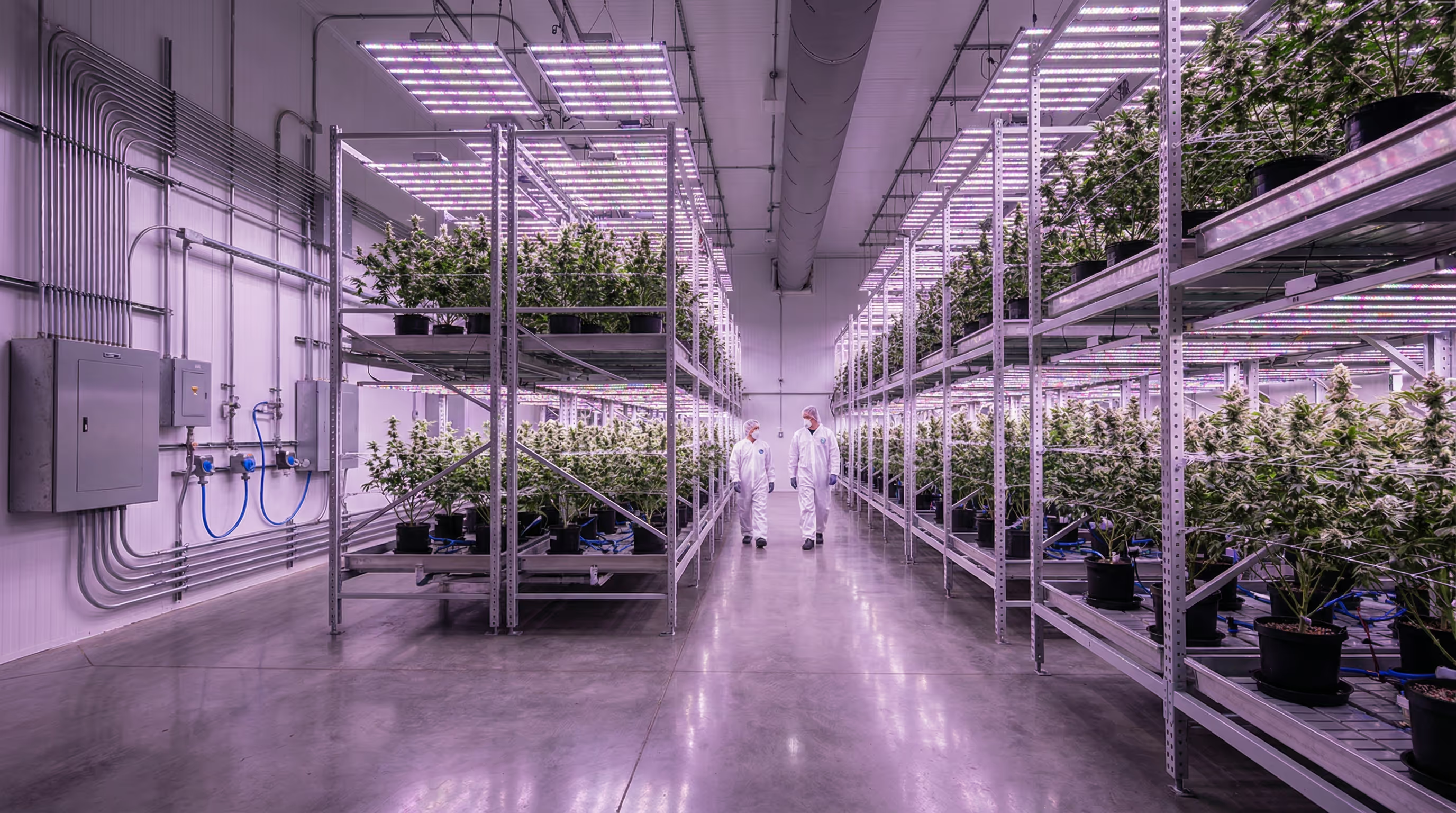
Modern cannabis cultivation facility with professional growing equipment

Picture this: You're expanding your cannabis operation and need financing for new extraction equipment worth $500,000. Your lender requires an equipment appraisal, but the report comes back 30% lower than expected. Suddenly, your loan approval is at risk, and your expansion plans are on hold.

This scenario happens more often than you'd think in the cannabis industry. Equipment appraisals determine the fair market value of cultivation, processing, and retail equipment used in cannabis operations. Unlike standard industrial equipment, cannabis machinery faces unique challenges including regulatory restrictions, limited secondary markets, and rapid technological changes.

Key insight: Cannabis equipment can lose 20-40% of its value within the first year due to technology advances and regulatory changes, making accurate appraisals critical for financing, insurance, and business decisions.

Getting the valuation wrong can cost you thousands in underinsurance claims, failed financing deals, or unfavorable partnership buyouts. This guide covers the key factors that drive cannabis equipment value, common valuation methods, and how to prepare for an accurate appraisal that protects your investment.

What drives cannabis equipment value

The value of your cannabis equipment depends on several interconnected factors that appraisers carefully evaluate. Understanding these elements helps you maintain equipment value and prepare for appraisals.

Condition and maintenance history play the biggest role in determining value. Well-maintained equipment with documented service records typically commands 15-25% higher values than similar units with poor maintenance. Appraisers look for service logs, repair invoices, and calibration records that demonstrate proper care.

Technology and obsolescence significantly impact cannabis equipment values due to rapid industry innovation. LED grow lights, for example, have largely replaced older HID systems, making older lighting equipment worth significantly less. Equipment using outdated extraction methods or lacking current safety features faces similar devaluation.

Professional maintenance documentation and service records for cannabis equipment

Market demand and secondary market liquidity affect how easily equipment can be resold. Popular brands like Apeks extractors or Fluence LED systems maintain stronger resale values because buyers actively seek them. Highly specialized or custom equipment may have limited markets, reducing appraised values even when in excellent condition.

Regulatory compliance directly impacts equipment value since non-compliant machinery cannot be legally used in licensed operations. Equipment meeting current safety standards, testing requirements, and local regulations maintains higher value than units requiring costly upgrades or replacements.

Common valuation methods for cannabis equipment

Appraisers use three primary approaches to determine cannabis equipment value, often combining methods for the most accurate assessment.

The market approach compares your equipment to recent sales of similar items, considering factors like age, condition, brand, and specifications. This method works best when comparable sales data exists, though the cannabis industry's limited secondary market can make finding exact matches challenging.

The cost approach calculates what it would cost to replace your equipment with similar functionality, then subtracts depreciation for age, wear, and obsolescence. This method proves useful for specialized equipment with limited market data or when valuing newer technology.

MethodBest ForLimitationsMarketCommon equipment typesLimited sales dataCostSpecialized/new equipmentDepreciation estimatesIncomeRevenue-generating assetsComplex calculations

The income approach values equipment based on the cash flow it helps generate. While more commonly used for entire business valuations, this method can apply to specific high-value equipment when its contribution to revenue can be isolated and measured.

Important distinction: Fair market value assumes a willing buyer and seller with reasonable time to market, while liquidation values reflect distressed or quick-sale scenarios that typically yield 40-60% of fair market value.

Regulatory and environmental factors

Local laws and regulations create significant value variations for identical equipment across different jurisdictions. Equipment in states with established, stable cannabis markets typically maintains higher values than similar items in emerging or restrictive markets.

Licensing and zoning restrictions affect equipment mobility and resale potential. Some jurisdictions prohibit moving equipment between facilities or require extensive documentation for transfers, limiting secondary market opportunities and reducing values.

Environmental conditions in your facility directly impact equipment longevity and value. Poor climate control, inadequate ventilation, or exposure to moisture accelerates wear and can reduce appraised values. Appraisers document facility conditions as part of their assessment process.

Cannabis facility environmental control systems and monitoring equipment

Banking and financing limitations in the cannabis industry also influence equipment values. Limited access to traditional financing can reduce the pool of potential buyers, affecting market prices and appraised values compared to equipment in other industries.

Preparing for your cannabis equipment appraisal

Proper preparation significantly improves appraisal accuracy and can help maximize your equipment's appraised value. Start by gathering comprehensive documentation about each piece of equipment.

Create detailed equipment lists including make, model, serial numbers, purchase dates, and original costs. Include any modifications, upgrades, or additional components added since purchase. This information helps appraisers understand your equipment's complete configuration and capabilities.

Compile maintenance and repair records showing regular service, parts replacements, and any major overhauls. These records demonstrate proper care and help justify higher valuations. Include calibration certificates for testing equipment and compliance documentation for regulated machinery.

Take current photographs of all equipment from multiple angles, showing both overall condition and any specific wear or damage. Include photos of serial number plates and any unique features or modifications.

Choosing the right appraiser requires finding someone with both proper credentials and cannabis industry experience. Look for USPAP-compliant appraisers who are IRS-qualified and familiar with cannabis regulations, equipment types, and market conditions. Ask about their experience with similar equipment and whether they can provide litigation support if needed.

Getting an accurate cannabis equipment appraisal protects your business interests whether you're seeking financing, managing insurance coverage, or planning strategic decisions. The unique challenges of cannabis equipment valuation make working with experienced, qualified appraisers essential for defensible results that support your business goals.

At AppraiseItNow, our USPAP-compliant appraisers specialize in cannabis equipment valuations and understand the regulatory complexities that affect equipment values. We provide nationwide service with reports accepted by lenders, insurers, and courts across the industry.

FAQ

What factors most significantly impact cannabis equipment appraisal value?

The most significant factors include equipment age and condition, maintenance history, brand reputation, technology level, and regulatory compliance. Well-maintained equipment with documented service records typically commands 15-25% higher values than similar units with poor maintenance. Market demand and secondary market liquidity also play crucial roles in determining final appraised values.

How do cannabis regulations affect equipment appraisal values?

Cannabis regulations significantly impact equipment values by affecting who can legally purchase and use the equipment. Equipment in limited-license states typically maintains higher values due to restricted competition, while non-compliant machinery may be heavily discounted or unsellable. Banking limitations and licensing restrictions also reduce the pool of potential buyers, affecting market prices.

What's the difference between fair market value and liquidation value for cannabis equipment?

Fair market value assumes a willing buyer and seller with reasonable time to market, while liquidation value reflects distressed or quick-sale scenarios. Liquidation values typically yield 40-60% of fair market value for cannabis equipment due to limited secondary markets and regulatory restrictions that reduce the buyer pool during forced sales.

How should I prepare my cannabis equipment for an appraisal?

Gather comprehensive documentation including purchase invoices, maintenance records, calibration certificates, and serial numbers. Take current photographs from multiple angles and compile any upgrade or modification records. Ensure equipment is clean and accessible for inspection. Complete documentation can improve appraisal accuracy and potentially increase appraised values by reducing uncertainty.

Related Appraisals We Offer

Related Articles

BEST-IN-CLASS APPRAISERS, CREDENTIALED BY: