







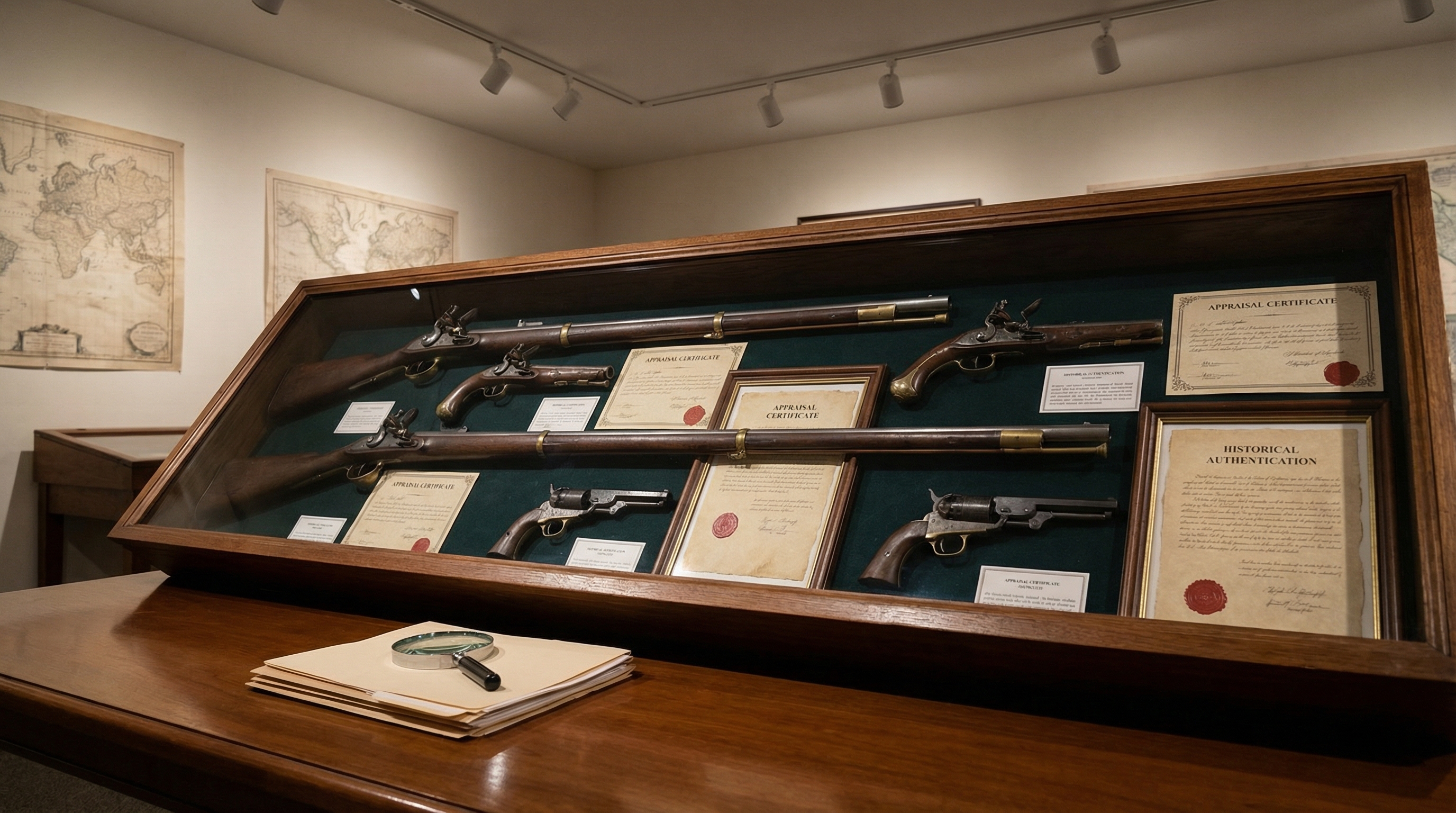
Wondering if that Civil War-era revolver in your attic is worth a fortune or just a family keepsake? You're not alone. Thousands of gun owners discover they need professional appraisals for insurance, estate planning, or simply to satisfy their curiosity about a firearm's true value.
Getting an accurate antique gun appraisal protects your investment and ensures you understand exactly what you own. Whether you inherited a collection or purchased firearms over the years, knowing their current market value helps you make informed decisions about insurance coverage, sales, or estate planning.
Quick Fact: Antique firearms manufactured before 1899 are federally exempt from most modern gun regulations, making proper identification and valuation especially important for legal and financial purposes.
The appraisal process involves examining your firearm's condition, researching its historical significance, and comparing it to recent market sales. Professional appraisers consider factors like manufacturer, model, age, rarity, and condition to determine fair market value. This comprehensive evaluation gives you the documentation needed for insurance claims, estate settlements, or potential sales.
Before diving into the appraisal process, you need to understand what qualifies as an antique firearm. Federal law defines antique firearms as those manufactured in or before 1898, or replica firearms using antique designs and black powder or similar propellants.
This classification affects both legal requirements and market value. True antiques often command higher prices due to their historical significance and rarity. However, some firearms manufactured after 1898 can still be considered collectible and valuable, especially if they represent significant technological advances or have historical importance.
The distinction matters because antique firearms typically don't require background checks for purchase and transfer in most states. This legal status can influence value, as collectors appreciate the simplified ownership process. Your appraiser will verify the manufacturing date and help you understand your firearm's legal classification. For a comprehensive overview of these classifications, check out this beginner's guide to antique gun appraisals.
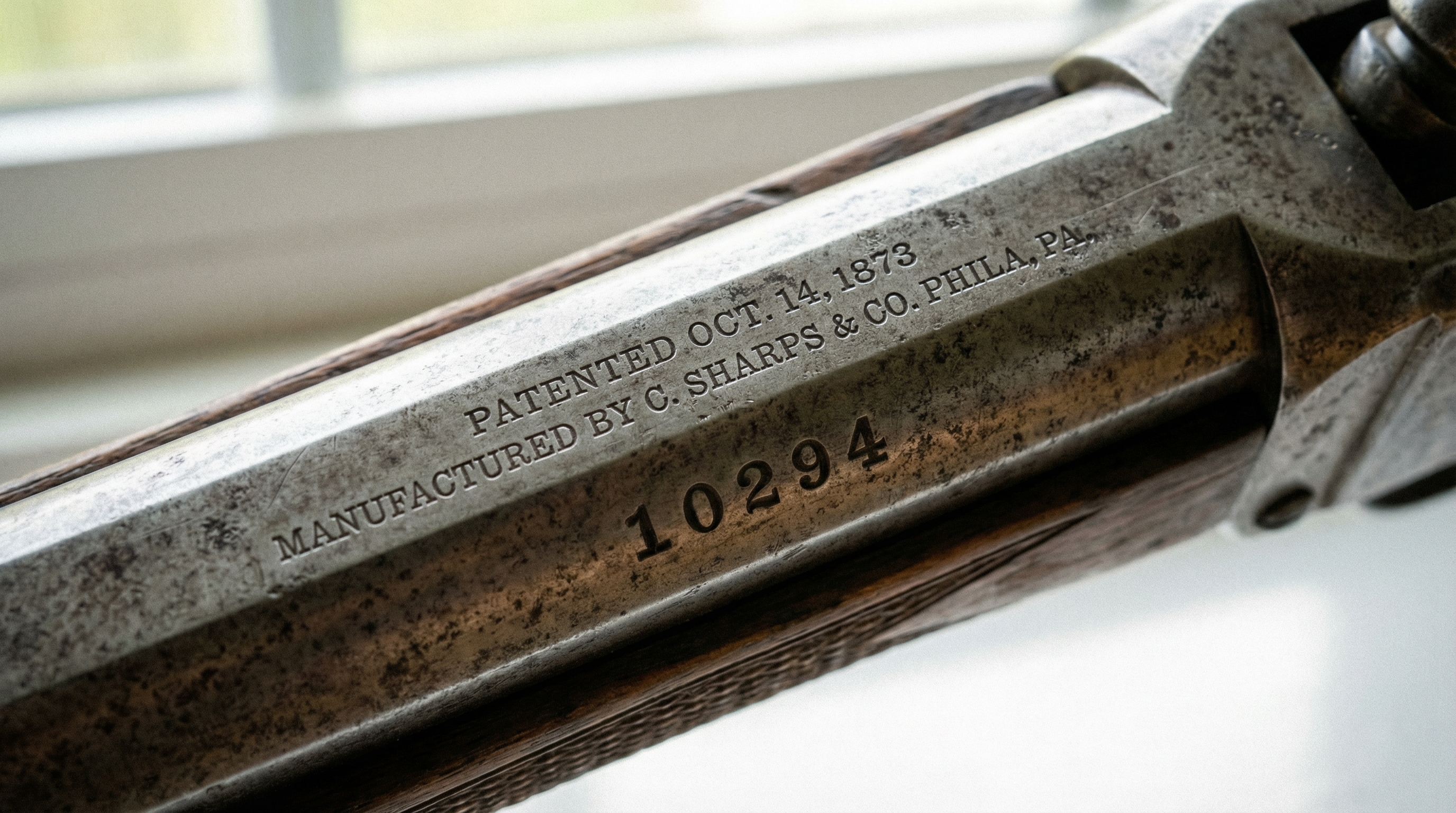
Several critical factors influence your antique gun's value, and understanding these helps you prepare for the appraisal process. Condition ranks as the most significant factor, typically accounting for 40-60% of a firearm's value. Appraisers use standardized grading systems ranging from poor to excellent condition.
Rarity and historical significance also heavily impact value. Firearms with documented military service, famous ownership, or limited production runs command premium prices. Manufacturing details like special engravings, unusual calibers, or prototype features can dramatically increase worth.
Value FactorImpact on PriceWhat Appraisers Look ForCondition40-60%Original finish, mechanical function, wear patternsRarity20-30%Production numbers, surviving examples, unique featuresProvenance10-25%Documentation, historical significance, famous ownershipMarket Demand5-15%Current collector interest, recent sales data
Market demand fluctuates based on collector trends, historical anniversaries, and economic conditions. Your appraiser analyzes recent auction results and private sales to gauge current market sentiment. They also consider regional preferences, as certain types of firearms may be more valuable in specific geographic areas.
Documentation supporting your firearm's history significantly enhances value. Original boxes, manuals, military records, or letters of authenticity provide crucial provenance information that appraisers use to justify higher valuations. Learn more about what to look for when appraising an antique gun.
Professional antique gun appraisal follows a systematic approach that ensures accuracy and thoroughness. The process typically begins with a detailed physical examination where the appraiser inspects every aspect of your firearm, from barrel condition to mechanical function.
Your appraiser photographs the firearm from multiple angles, documenting any unique markings, damage, or modifications. They measure dimensions, test mechanical functions when safe to do so, and note any replacement parts or repairs. This physical inspection forms the foundation of the valuation process.
Research follows the physical examination. Appraisers consult manufacturer records, military documents, auction databases, and collector references to establish your firearm's history and rarity. They compare your gun to similar examples that have sold recently, adjusting for condition differences and market changes.
Important Note: Professional appraisers never handle loaded firearms and will ask you to ensure your gun is completely unloaded before examination. Safety remains the top priority throughout the process.
The final step involves market analysis and valuation. Your appraiser considers all gathered information to determine fair market value, replacement value, or other specific valuation types depending on your needs. They document their methodology and provide supporting evidence for their conclusions.
Most appraisals take 1-2 weeks to complete, though complex or rare firearms may require additional research time. Rush services are sometimes available for urgent needs, though they typically cost more than standard appraisals. To understand what to expect during an antique gun appraisal, familiarize yourself with each stage of this process.
Proper preparation ensures your appraisal goes smoothly and produces the most accurate results. Start by gathering any documentation related to your firearm, including purchase receipts, previous appraisals, military records, or family history information.
Clean your firearm gently before the appraisal, but avoid aggressive cleaning that might damage original finishes. Remove any modern accessories or modifications that aren't original to the gun, but keep them available for the appraiser to examine. Document any known repairs or modifications with photos if possible.
Take high-quality photographs of your firearm from multiple angles before the appraisal. Include close-ups of markings, serial numbers, and any damage or unique features. These photos serve as backup documentation and help if you need to discuss the firearm remotely with your appraiser.
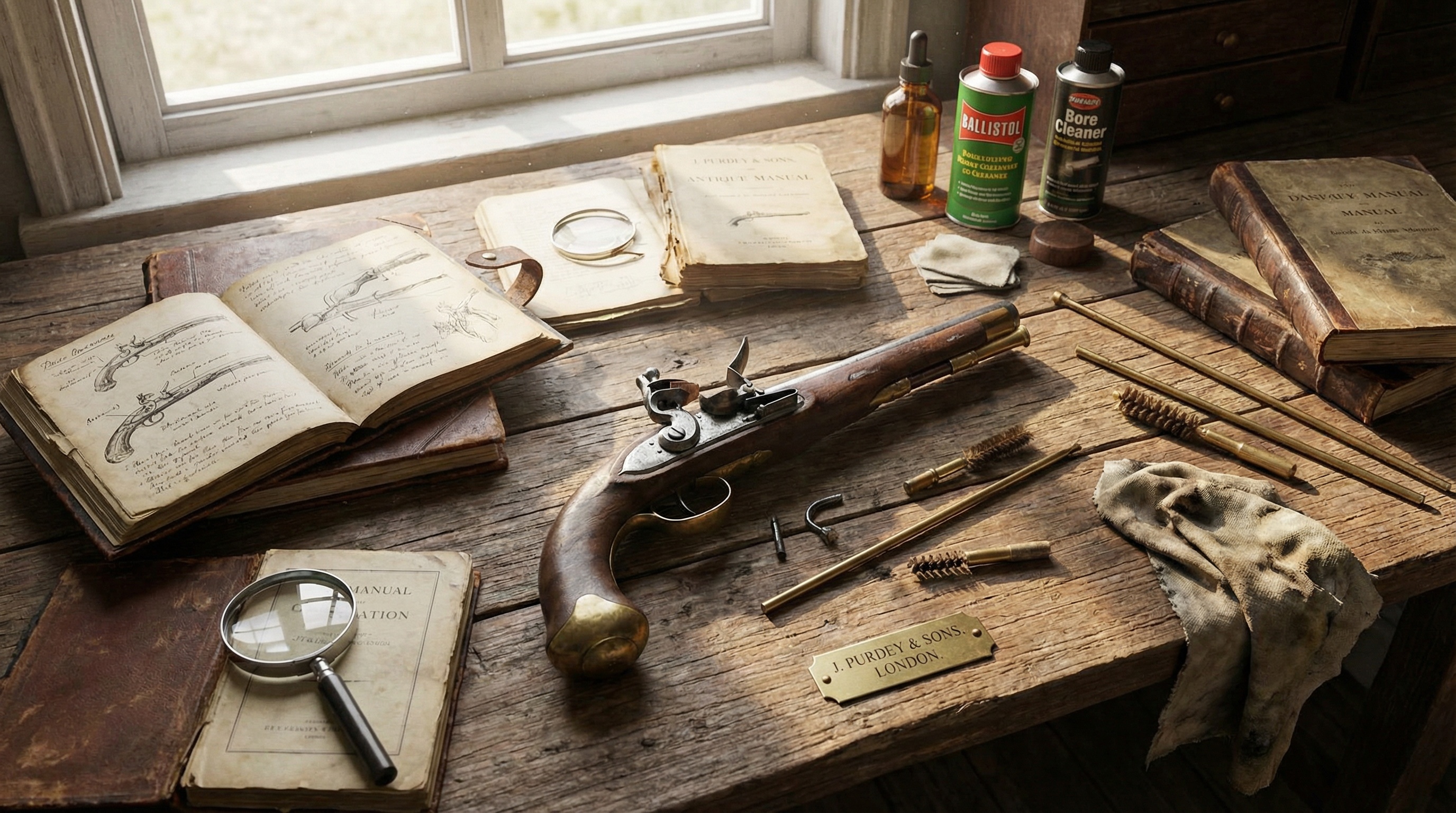
Prepare a list of questions about your firearm's history, value, or legal status. Professional appraisers appreciate informed clients and can provide valuable insights beyond the basic valuation. Ask about insurance coverage recommendations, storage suggestions, or market trends affecting your type of firearm. For detailed preparation tips, review how to prepare for an antique gun appraisal.
Selecting a qualified appraiser ensures accurate results and professional service. Look for appraisers with specific experience in antique firearms rather than general personal property appraisers. Firearms require specialized knowledge that general appraisers may lack.
Verify credentials through professional organizations like the American Society of Appraisers or International Society of Appraisers. These organizations maintain ethical standards and continuing education requirements that ensure competent service. Ask potential appraisers about their specific experience with your type of firearm.
Pro Tip: Request sample appraisal reports before hiring an appraiser. Quality reports should include detailed descriptions, multiple photographs, research methodology, and clear valuation reasoning that would stand up to scrutiny from insurance companies or courts.
Consider the appraiser's turnaround time, fees, and report format. Written appraisals suitable for insurance or legal purposes typically cost more than verbal opinions but provide necessary documentation for official purposes. Discuss your specific needs upfront to ensure the appraiser can meet your requirements.
Check references from previous clients, especially those with similar appraisal needs. Insurance companies, estate attorneys, and gun dealers often work with qualified appraisers and can provide recommendations based on their professional experience. For guidance on how to find the right antique gun appraiser, consider these key selection criteria.
Understanding the antique gun appraisal process empowers you to make informed decisions about your firearms. Whether you need documentation for insurance, estate planning, or personal knowledge, working with qualified professionals ensures accurate results. The investment in proper appraisal often pays for itself through appropriate insurance coverage or informed selling decisions. Take time to choose the right appraiser and prepare thoroughly for the best possible outcome.
Antique gun appraisal costs vary depending on the type and complexity. Verbal appraisals at gun shows may be free or cost $25-50, while written USPAP-compliant reports suitable for insurance or legal purposes typically range from $150-500 per firearm. Complex or rare firearms requiring extensive research may cost more. Most professional appraisals take 1-2 weeks to complete, though rush services are available for an additional fee.
Condition is the most critical factor, typically accounting for 40-60% of an antique gun's value. Appraisers examine original finish, mechanical function, and wear patterns using standardized grading systems. Rarity and production numbers contribute 20-30% to value, while documented provenance and historical significance can add 10-25%. Market demand, which fluctuates based on collector trends and economic conditions, influences the final 5-15% of valuation.
Start by ensuring your firearm is completely unloaded and safe to handle. Gather all documentation including purchase receipts, previous appraisals, military records, or family history. Clean the gun gently without aggressive methods that might damage original finishes. Take high-quality photographs from multiple angles, including close-ups of markings, serial numbers, and any damage. Remove modern accessories that aren't original, but keep them available for the appraiser to examine.
Choose appraisers with credentials from professional organizations like the American Society of Appraisers (ASA) or International Society of Appraisers (ISA). Look for specific experience with antique firearms rather than general personal property appraisers, as firearms require specialized knowledge. Verify their USPAP compliance for official appraisals, check client references, and request sample reports to ensure they meet your documentation needs for insurance or legal purposes.




