How to Find the Right Antique Gun Appraiser and Get a Defensible Valuation

Last Updated on Oct 29, 2025
Originally Published on Oct 29, 2025
Thank you! Your submission has been received!
Oops! Something went wrong while submitting the form.
Nationwide Service
Onsite or Online
USPAP-Compliant
IRS Qualified
DEFENSIBLE, USPAP-COMPLIANT APPRAISAL REPORTS — ACCEPTED BY 10,000+ ORGANIZATIONS
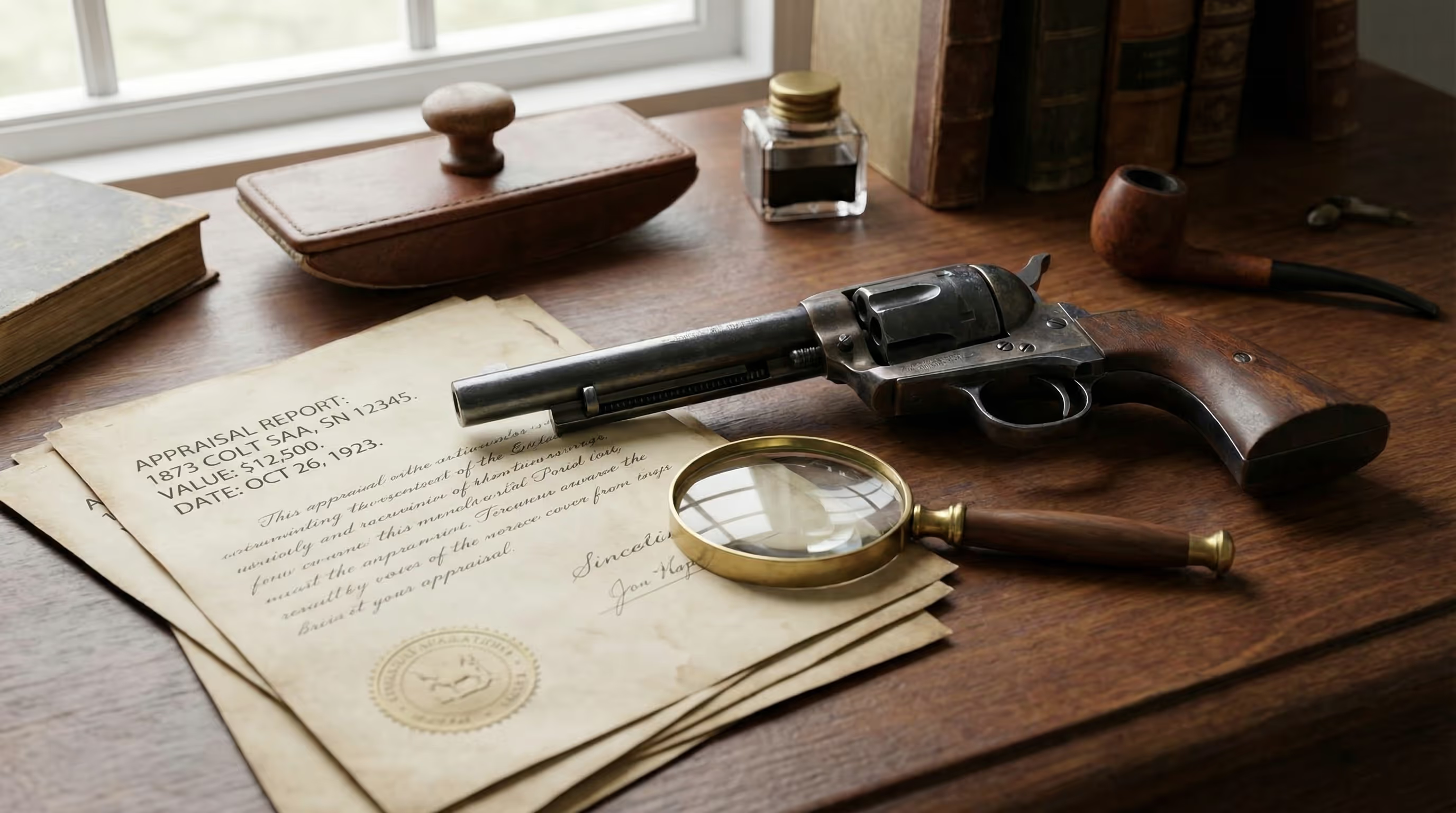
antique-revolver-with-appraisal-documents-and-magnifying-glass

When your grandmother's Civil War revolver sits in your safe or you discover a vintage hunting rifle in an estate, you need more than a quick online search to determine its value. The wrong appraiser can leave you underinsured by thousands of dollars, create problems with the IRS during estate settlement, or cost you money in a divorce proceeding.

Finding the right antique gun appraiser means securing someone with specialized firearms knowledge, proper credentials, and the ability to produce defensible valuations that insurance companies, courts, and the IRS will accept. You need an appraiser who understands the difference between a reproduction and an authentic piece, knows how condition affects value, and can research provenance to uncover hidden worth.

Quick Answer: Look for certified appraisers with ASA, ISA, or AAA credentials who specialize in antique firearms, provide USPAP-compliant reports, and have no conflicts of interest in buying or selling guns.

By the end of this guide, you'll know exactly what qualifications to seek, what questions to ask, and what documents you should receive to ensure your antique firearm gets the accurate, defensible appraisal it deserves.

Why you need the right antique gun appraiser

Antique firearms present unique valuation challenges that general personal property appraisers often can't handle. Age, condition, rarity, provenance, and legal restrictions all influence value in ways that require specialized knowledge.

Consider the complexity involved. A Civil War-era Colt revolver might be worth $500 as a common reproduction or $15,000 as an authentic piece with documented military service. The difference lies in details that only an experienced firearms appraiser can properly assess.

Insurance companies, courts, and the IRS require USPAP-compliant appraisals performed by qualified professionals for formal purposes. Whether you're settling an estate, filing for divorce, making a charitable donation, or updating your insurance coverage, understanding the appraisal process of an antique gun must meet strict professional standards to be legally defensible.

professional-appraiser-examining-antique-rifle-with-tools

Key qualifications to look for in an antique gun appraiser

Professional credentials matter more than general experience when choosing an antique gun appraiser. Look for appraisers certified by recognized organizations like the American Society of Appraisers (ASA), International Society of Appraisers (ISA), or Appraisers Association of America (AAA).

USPAP compliance is non-negotiable for formal appraisals. The Uniform Standards of Professional Appraisal Practice ensures your appraisal meets the standards required by insurance companies, courts, and federal agencies. Ask specifically whether the appraiser follows USPAP guidelines and can provide compliant reports.

Specialization in antique firearms separates qualified appraisers from generalists. Your appraiser should regularly handle antique guns, understand different historical periods, and know how various manufacturers, calibers, and modifications affect value. They should demonstrate familiarity with collector markets and current auction trends.

Independence protects the integrity of your appraisal. Never work with an appraiser who offers to buy your firearm or has any financial stake in the transaction. When choosing a licensed professional to perform your antique gun appraisal, legitimate appraisers charge fixed fees or hourly rates, never percentages based on the gun's value.

The antique gun appraisal process step by step

Understanding the appraisal process helps you evaluate whether an appraiser follows proper procedures and produces thorough work.

The process begins with defining the appraisal's purpose. Insurance appraisals require replacement values, while estate appraisals need fair market values. The appraiser should clarify which standard applies to your situation and explain the difference.

Information gathering comes next. You'll provide photos, serial numbers, documentation, prior appraisals, and any provenance information. The appraiser may request repair records, purchase receipts, or family history that establishes the gun's background.

Physical inspection involves examining condition, markings, originality, and functionality. For online appraisals, high-resolution photos substitute for in-person examination, though complex or high-value pieces may require physical inspection.

Pro Tip: Gather all documentation before contacting an appraiser. Purchase receipts, previous appraisals, repair records, and family stories about the gun's history can significantly impact its value.

Historical research verifies the gun's make, model, production date, and any historical associations. Market analysis compares your firearm with recent sales of similar pieces. The appraiser then reaches a value conclusion and prepares a written report documenting their methodology and findings.

Essential questions to ask before hiring an appraiser

The right questions help you identify qualified professionals and avoid costly mistakes. Start by asking about credentials and professional memberships. Legitimate appraisers readily share their certifications and explain their qualifications.

Ask how often they appraise antique firearms specifically. General personal property appraisers may lack the specialized knowledge needed for accurate firearm valuations. You want someone who regularly handles antique guns and understands their unique characteristics.

Clarify what types of appraisals they perform and whether their reports are USPAP-compliant. Insurance, estate, and donation appraisals have different requirements, and not all appraisers can handle every type. Before hiring an antique gun appraiser, make sure they have experience with your specific needs.

Discuss fees upfront. Understand whether they charge hourly rates, flat fees, or per-item pricing. Avoid appraisers who base fees on the gun's value, as this creates conflicts of interest.

Request references from past clients, particularly those who used appraisals for similar purposes. A reputable appraiser should provide examples of successful insurance claims, estate settlements, or other relevant cases.

antique-firearms-collection-laid-out-for-appraisal-inspection

Appraisal TypeValue StandardTypical UseDocumentation LevelInsuranceReplacement ValueCoverage decisionsDetailed condition reportEstate/LegalFair Market ValueProbate, divorceCourt-acceptable formatDonationFair Market ValueTax deductionIRS-compliant reportSaleFair Market ValuePricing guidanceMarket analysis focus

Understanding appraisal costs and timelines

Antique gun appraisal costs vary based on several factors. Simple, single-item appraisals typically cost less than complex collections requiring extensive research. Expect to pay hourly rates ranging from $100 to $400, flat fees for straightforward pieces, or per-item pricing for multiple firearms.

Factors affecting cost include the gun's rarity, the depth of historical research required, and whether on-site inspection is necessary. Travel fees may apply for in-person appraisals, while online appraisals often cost less but may have limitations.

Timeline depends on complexity and the appraiser's workload. Simple pieces may be completed within days, while rare or historically significant firearms requiring extensive research can take several weeks. Always get a written estimate covering both cost and timeline before proceeding.

Important: Legitimate appraisers never base fees on the gun's appraised value. This practice creates conflicts of interest and violates professional standards.

The difference between verbal estimates and written reports affects both cost and usefulness. Verbal estimates work for casual curiosity but won't satisfy insurance companies, courts, or the IRS. Formal written reports cost more but provide the documentation needed for legal and financial purposes. Learn more about the different types of antique gun appraisals to determine which level of service you need.

Getting the right documentation and avoiding red flags

Proper documentation protects your investment in the appraisal process. You should receive a formal written report including detailed descriptions, photographs, condition assessments, methodology explanations, and value conclusions.

The appraiser's credentials should appear clearly in the report, including certification numbers and professional association memberships. The report should state its purpose, define the value standard used, and include any assumptions or limiting conditions.

Watch for red flags that indicate unprofessional or potentially fraudulent appraisers. Never work with someone who offers to buy your gun while appraising it, especially at prices well below their stated values. Avoid appraisers who won't provide written reports for formal needs or seem reluctant to share their credentials.

Be wary of appraisers who guarantee specific values before examining your firearm or who base their fees on percentages of the gun's worth. These practices violate professional standards and compromise the appraisal's integrity. Understanding common misconceptions about antique gun appraisers and the appraisal process can help you identify and avoid these issues.

AppraiseItNow provides nationwide antique gun appraisal services with USPAP-compliant reports accepted by insurance companies, courts, and the IRS. Our certified appraisers specialize in antique firearms and deliver defensible valuations you can trust for any legal or financial purpose. Contact us today to discuss your antique gun appraisal needs and receive expert guidance from qualified professionals.

Frequently Asked Questions About Antique Gun Appraisals

How do I choose the best antique gun appraiser near me?

Look for certified appraisers with ASA, ISA, or AAA credentials who specialize in antique firearms and provide USPAP-compliant reports. Check their experience with similar guns, ask for references, and verify they offer both in-person and remote appraisal options. Ensure they have no conflicts of interest and charge transparent fees rather than percentages based on the gun's value.

What affects the value of an antique firearm during an appraisal?

Value depends on age, maker, model, condition, originality, matching serial numbers, rarity, historical significance, and provenance. Current market demand and collector interest also play crucial roles. Minor modifications or refinishing can significantly reduce value, while documented military service or famous ownership can increase it substantially.

What is the difference between fair market value and replacement value for antique guns?

Fair market value represents the price a willing buyer and seller would agree upon in the open market, typically used for estate, donation, and sale purposes. Replacement value reflects the cost to replace the firearm with a comparable piece in today's retail market, primarily used for insurance coverage. Insurance appraisals often require replacement values to ensure adequate coverage.

Are online antique gun appraisals reliable?

Online appraisals can be reliable when performed by credentialed appraisers using high-quality photos and detailed documentation. However, they have limitations for verifying subtle condition issues, authenticity concerns, and mechanical functionality. For rare, high-value, or historically significant pieces, in-person inspection is often recommended to ensure the most accurate valuation.

Related Appraisals We Offer

Related Articles

BEST-IN-CLASS APPRAISERS, CREDENTIALED BY: