







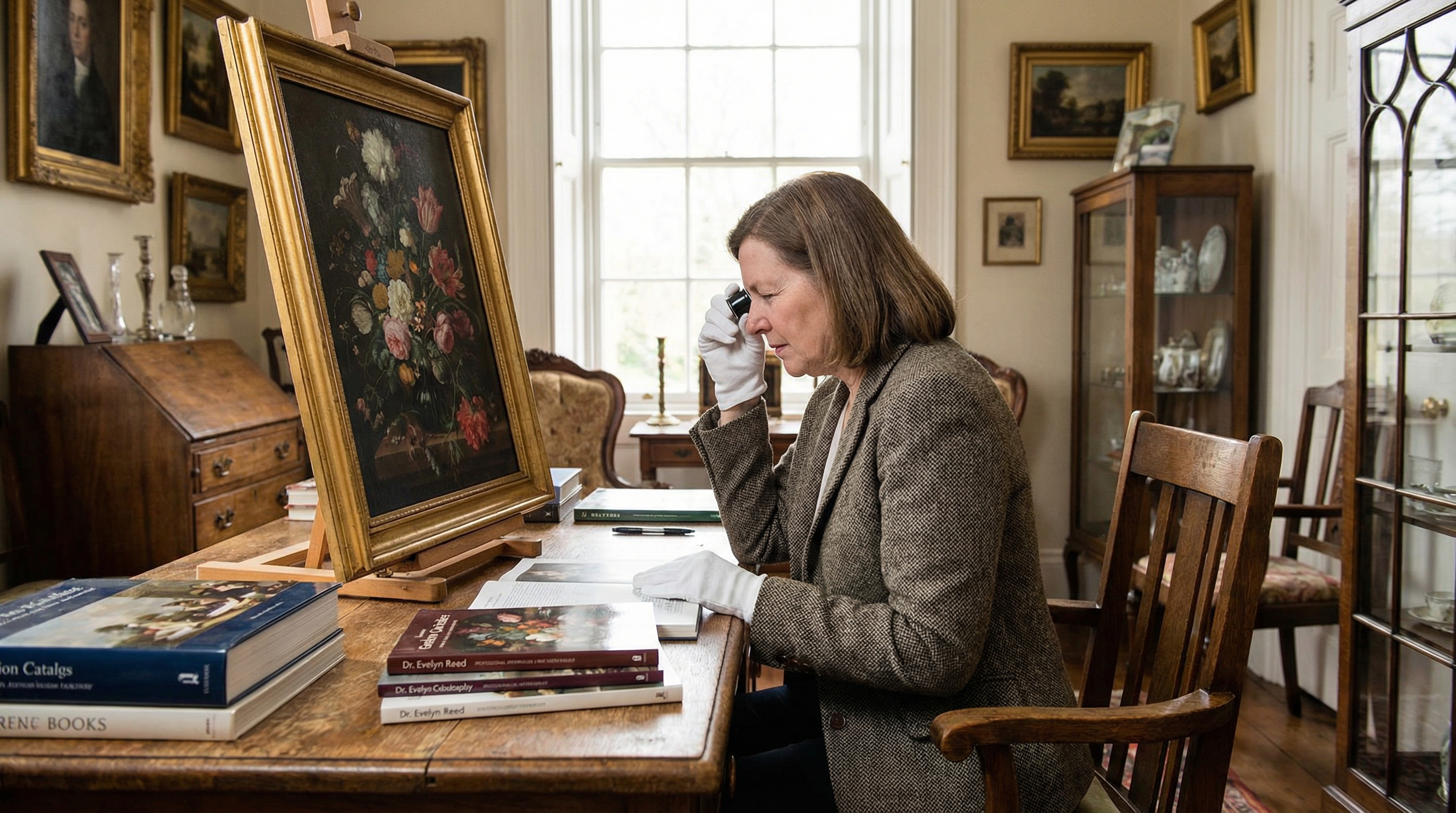
Did you know that antique artwork can appreciate by 20-50% annually in today's market? If you own or are considering purchasing antique art, understanding the appraisal process is crucial for protecting your investment and making informed decisions.
Getting an accurate appraisal for antique artwork requires more than just knowing its age. You need to verify authenticity, understand current market trends, and work with qualified professionals who follow industry standards. Whether you're dealing with insurance claims, estate planning, or simply curious about your collection's value, this guide will walk you through everything you need to know about appraising antique artwork in 2025.
Quick Answer: Antique artwork must typically be over 100 years old and requires professional appraisal using market comparison, cost approach, or expert opinion methods. Choose USPAP-compliant appraisers with relevant certifications like ASA, AAA, or ISA for accurate valuations.
The first step in any antique artwork appraisal is confirming that your piece actually qualifies as an antique. This isn't always as straightforward as you might think.
Most experts define antique artwork as pieces that are at least 100 years old, though some categories like firearms or coins have different age requirements. You'll want to look for several key indicators when examining your piece.
Start by searching for date stamps, artist signatures, or gallery markings that can help establish the artwork's origin and age. These identifying marks are often found in corners, on the back of canvases, or along frame edges. Pay attention to the materials used as well. Older pieces often show natural aging patterns like slight discoloration, cracking in paint layers, or patina on metal elements.
The frame itself can provide valuable clues about age. Antique frames are typically more ornate and use construction methods that differ from modern reproductions. Hand-carved details, specific joinery techniques, and aged wood or metal can all indicate an older piece.
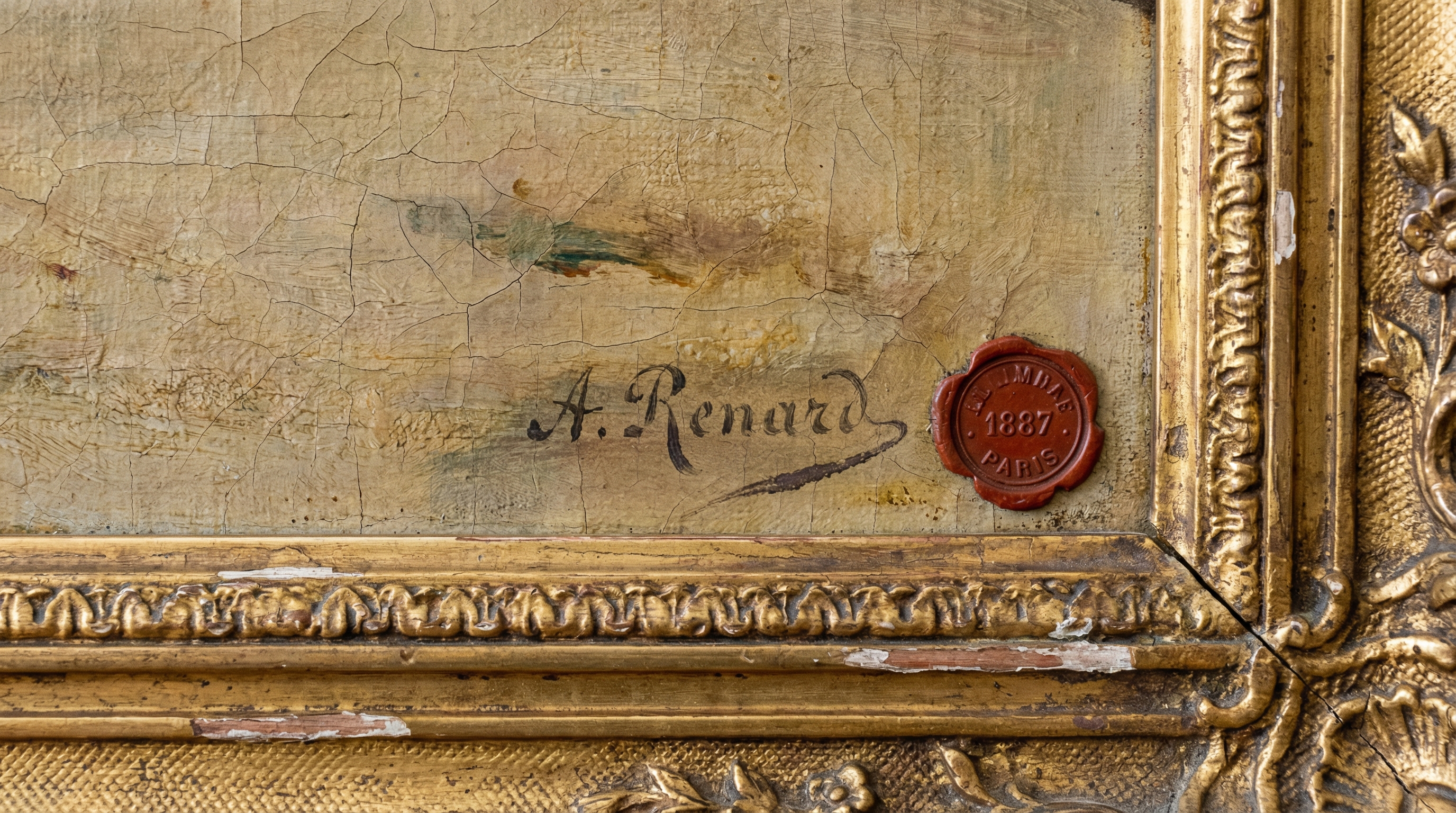
Pro Tip: Document everything you find during your initial examination with high-quality photographs. These images will be valuable when working with professional appraisers and can help establish provenance.
Not all appraisers are qualified to handle antique artwork, so selecting the right professional is critical for getting an accurate valuation.
Look for appraisers who hold certifications from recognized organizations like the American Society of Appraisers (ASA), the Appraisers Association of America (AAA), or the International Society of Appraisers (ISA). These credentials ensure the appraiser follows ethical standards and stays current with industry practices.
Specialization matters just as much as certification. If you have an antique painting, work with someone who specializes in paintings rather than a generalist. The same applies to sculptures, prints, or other specific art forms. Specialized appraisers understand the nuances of their particular area and can spot details that others might miss.
CertificationFocus AreaTypical Cost RangeASAGeneral property & art$300-800AAAFine art specialization$400-1,200ISAPersonal property$250-600
Geographic proximity can also be important. While some initial assessments can be done through photographs, many antique pieces require in-person examination to accurately assess condition and authenticity.
Professional appraisers use several established methods to determine the value of antique artwork, and understanding the appraisal process helps you know what to expect during the process.
The market comparison approach is the most common method. Your appraiser will research recent sales of similar pieces, considering factors like the artist, time period, style, size, and condition. This gives you a realistic picture of what your artwork might sell for in the current market.
The cost approach calculates what it would cost to replace your piece today, factoring in materials, labor, and the artist's current market standing. This method works well for pieces where replacement is theoretically possible but may not reflect actual market demand.
For pieces with significant wear or damage, appraisers often use a condition-based approach. They start with the artwork's theoretical perfect condition value and adjust downward based on any issues they identify. This method requires extensive expertise in restoration costs and techniques.
Expert opinion comes into play when dealing with rare or unique pieces that don't have clear market comparisons. In these cases, the appraiser's knowledge of art history, market trends, and collector preferences becomes the primary valuation tool.
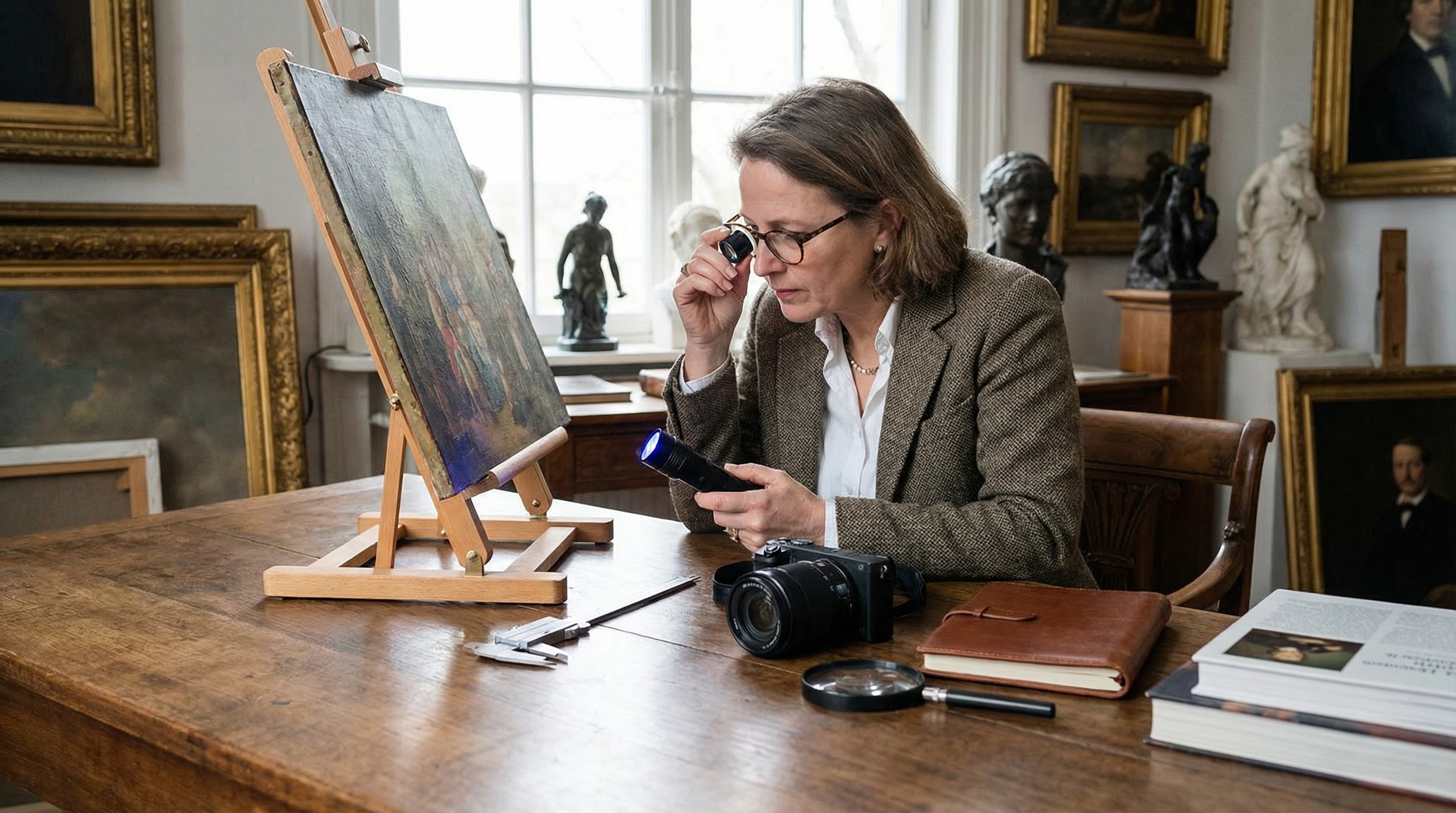
The antique art market in 2025 shows some interesting patterns that could affect your piece's value. Impressionist and Post-Impressionist works continue to command premium prices, with some pieces appreciating significantly over the past few years.
There's also growing interest in Latin American folk art and pieces from specific cultural movements that were previously undervalued. Regional artwork that tells specific historical stories has found new appreciation among collectors who value cultural significance alongside artistic merit.
Market Insight: Condition plays an increasingly important role in valuations. Well-preserved pieces can command 30-50% higher prices than similar works with visible damage or poor storage history.
Proper preservation directly impacts your artwork's value and should be part of your long-term strategy. Keep pieces in stable environments away from direct sunlight, extreme temperatures, and high humidity. Regular gentle cleaning removes dust and debris that can cause gradual damage over time.
Professional storage and display methods protect your investment. Acid-free materials, proper framing techniques, and climate-controlled environments all contribute to maintaining your artwork's condition and value.
Understanding the appraisal process for antique artwork empowers you to make better decisions about your collection, whether you're buying, selling, or simply protecting what you own. Working with qualified professionals who follow established standards ensures you get accurate valuations that reflect current market conditions.
The key is preparation and choosing the right expertise for your specific needs. With proper documentation, certified appraisers, and an understanding of current market trends, you can confidently navigate the antique artwork appraisal process and protect your valuable investments for years to come.
Artwork qualifies as antique if it's over 100 years old from its creation date. Look for identifying marks like artist signatures, date stamps, or gallery markings, typically found in corners or on the back of canvases. Check for natural aging patterns such as slight discoloration, paint cracking, or patina on metal elements. Antique frames are usually more ornate with hand-carved details and specific joinery techniques that differ from modern reproductions.
Choose appraisers certified by recognized organizations like the American Society of Appraisers (ASA), Appraisers Association of America (AAA), or International Society of Appraisers (ISA). These credentials ensure the appraiser follows USPAP ethical standards and stays current with industry practices. Additionally, look for specialization in your specific art type - if you have an antique painting, work with someone who specializes in paintings rather than a generalist.
Professional appraisers use three primary methods: the market comparison approach (researching recent sales of similar pieces), the cost approach (calculating replacement costs factoring in materials and current market standing), and expert opinion for rare pieces without clear market comparisons. For damaged pieces, appraisers use a condition-based approach, starting with perfect condition value and adjusting downward based on identified issues.
Antique artwork appraisal costs vary by certification and complexity. ASA-certified appraisers typically charge $300-800, AAA specialists range from $400-1,200, and ISA appraisers cost $250-600. The final cost depends on factors like the piece's complexity, required research depth, condition assessment needs, and whether in-person examination is necessary for accurate valuation.




