How to Become a Certified Antique Appraiser: Complete Guide to Requirements, Courses, and Career Path

Last Updated on Dec 18, 2025
Originally Published on Dec 18, 2025
Thank you! Your submission has been received!
Oops! Something went wrong while submitting the form.
Nationwide Service
Onsite or Online
USPAP-Compliant
IRS Qualified
DEFENSIBLE, USPAP-COMPLIANT APPRAISAL REPORTS — ACCEPTED BY 10,000+ ORGANIZATIONS
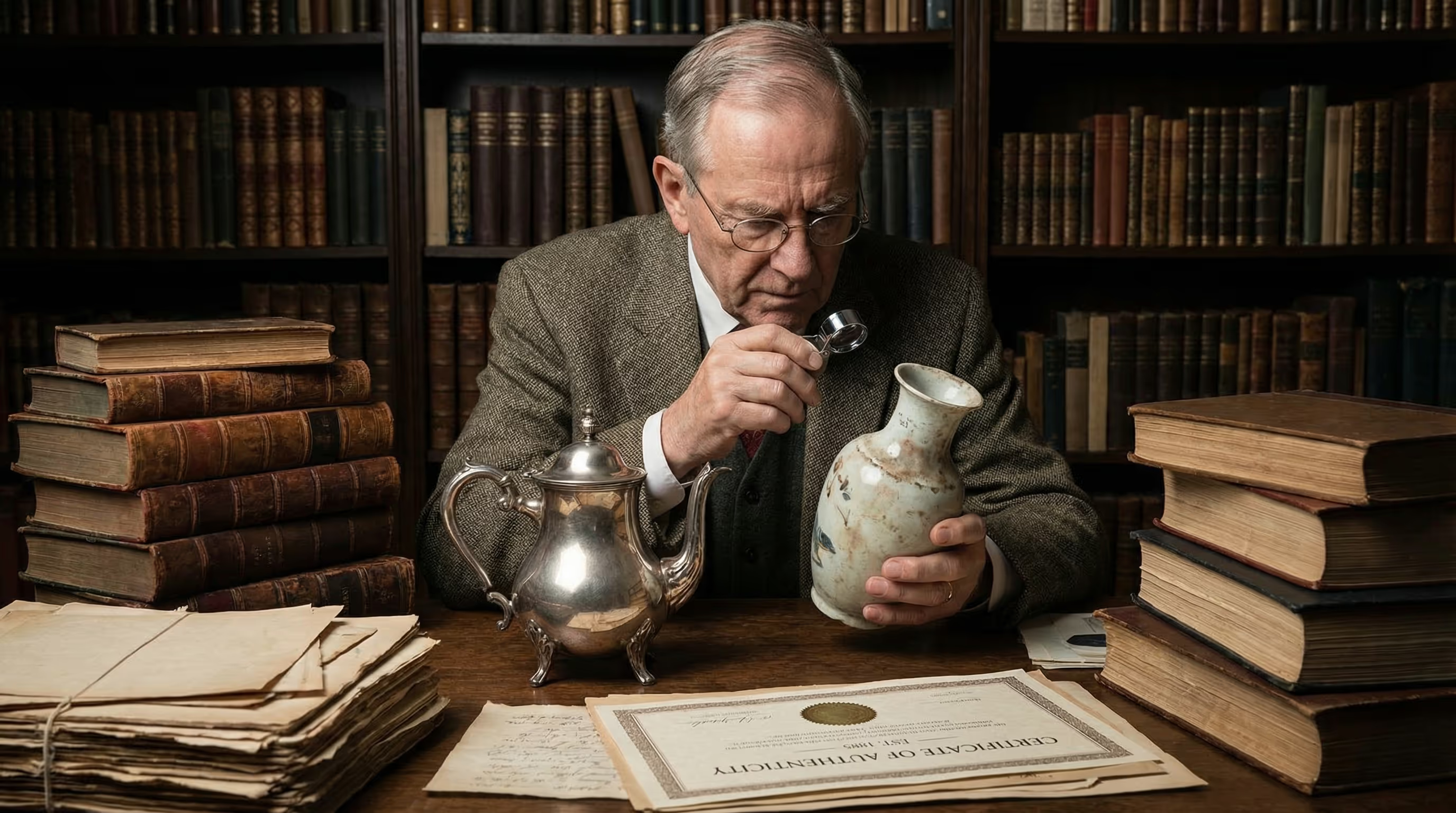
professional antique appraiser examining vintage items with certification documents

If you're passionate about antiques and considering a career as a certified appraiser, you're entering a field where formal credentials have become essential. Today's insurance companies, courts, and high-value clients expect appraisers to hold recognized certifications that demonstrate expertise in valuation methodology, ethics, and legal standards.

The path to becoming a certified antique appraiser typically involves completing 120+ hours of qualifying education, gaining several years of hands-on experience, passing specialized exams, and maintaining ongoing continuing education requirements. Major credentialing organizations like the American Society of Appraisers (ASA), International Society of Appraisers (ISA), and Appraisers Association of America offer different pathways, with many courses now available online to accommodate flexible learning schedules.

Quick Answer: Most certification paths require 2-5 years of combined education and experience, with costs ranging from $3,000-$8,000 for initial training and certification through recognized organizations.

Whether you're an antique dealer looking to expand your services, a collector wanting to go professional, or someone considering a career change into art and antiques appraisal, this guide will walk you through exactly what you need to know to get started.

What does a certified antique appraiser actually do

A certified antique appraiser evaluates and determines the fair market value of historical objects, decorative arts, and collectibles for various purposes. Your typical day might involve examining a Civil War-era sword for an insurance claim, appraising a collection of Victorian furniture for an estate settlement, or evaluating antique jewelry for a charitable donation.

The certification aspect is crucial because it signals to clients that you follow established professional standards. When someone needs an appraisal for IRS purposes, court proceedings, or insurance coverage, they specifically seek out certified appraisers whose reports will be accepted by these institutions.

antique appraiser working with various historical items and documentation

Your work extends beyond just assigning dollar values. You'll research provenance, authenticate pieces, document condition issues, and write detailed reports that can withstand legal scrutiny. Many certified appraisers specialize in specific categories like American furniture, Asian art, or vintage jewelry, allowing them to command higher fees for their specialized knowledge.

The difference between a casual antique enthusiast and a certified appraiser lies in your ability to defend your valuations with solid methodology, market research, and adherence to professional ethics codes.

Step-by-step path to antique appraiser certification

Getting certified as an antique appraiser follows a structured progression that most major organizations recognize. Here's how the journey typically unfolds:

Step 1: Choose your specialty focus. Decide whether you want to concentrate on antiques broadly, fine art, decorative arts, or a specific category like furniture or ceramics. This choice will influence which courses you take and which organization you pursue certification through.

Step 2: Complete foundational appraisal education. Most certification paths require around 120 hours of qualifying coursework covering appraisal theory, methodology, ethics, and report writing. Organizations like ISA and ASA offer these courses both online and in-person.

Step 3: Take the USPAP course. The Uniform Standards of Professional Appraisal Practice (USPAP) is mandatory for most certifications. You'll need to complete either a 15-hour initial course or 7-hour update course every two years.

Step 4: Build qualifying experience. Depending on your target credential, you'll need anywhere from 2-10 years of appraisal experience. This can include working under a mentor, handling appraisals in your existing business, or volunteering for nonprofit organizations.

Step 5: Submit sample appraisals and take exams. Most organizations require you to submit 2-5 sample appraisal reports demonstrating your competency, plus pass written and sometimes oral examinations in your specialty area.

Reality Check: The entire process typically takes 2-5 years depending on your starting background and how quickly you can accumulate the required experience hours.

Major certification organizations and their requirements

Several respected organizations offer antique appraiser certifications, each with slightly different focuses and requirements:

American Society of Appraisers (ASA) is considered the gold standard for personal property appraisal credentials. Their Accredited Senior Appraiser designation requires significant experience and education, while their Accredited Member level provides an entry point for newer appraisers.

International Society of Appraisers (ISA) offers more accessible entry-level certifications and has strong programs for antiques and decorative arts. Their Core Course in Appraisal Studies can be completed online, making it popular with career changers.

Appraisers Association of America focuses on fine and decorative arts with rigorous standards. Their Certified Member designation requires 120+ hours of education, 10 years of experience, and passing both written and oral examinations.

logos and certification materials from major appraisal organizations

The choice between organizations often comes down to your specialty area, geographic location, and career goals. ASA credentials carry the most weight for complex litigation work, while ISA offers more flexibility for those balancing certification with existing careers.

OrganizationEducation HoursExperience RequiredUSPAP RequiredFocus AreasASA120+ hours2-5 yearsYesAll personal propertyISA80+ hours2 yearsYesAntiques, decorative artsAppraisers Association120+ hours10 yearsYesFine/decorative arts

Education options and online learning opportunities

The landscape of appraisal education has evolved significantly, with many programs now offering online components that make certification more accessible to working professionals.

Most foundational courses cover core topics like appraisal theory, research methodology, market analysis, and professional ethics. You'll also take specialized courses in your chosen area, whether that's antique furniture valuation, European ceramics, or Asian art.

Online learning has become particularly popular for initial coursework. Organizations like ISA offer their Core Course entirely online, while schools like Asheford Institute provide comprehensive distance learning programs specifically designed for antique and art appraisal.

The hands-on components, such as object examination workshops and mentored appraisal practice, typically still require in-person attendance. However, the flexibility to complete theoretical coursework online has made certification much more achievable for people who can't relocate or take extended time off work.

Cost Consideration: Expect to invest $3,000-$8,000 in initial education and certification fees, plus ongoing continuing education costs of $500-$1,000 annually.

When choosing between programs, consider factors like schedule flexibility, specialty focus, and whether the curriculum aligns with your target certification organization's requirements. Many successful appraisers recommend starting with broader foundational courses before diving into highly specialized areas.

The investment in formal education pays dividends in credibility with clients and the ability to handle more complex, higher-value assignments that informal training simply can't prepare you for. Understanding what expertise is necessary when appraising antique furniture or other specialties will help you choose the right educational path.

Becoming a certified antique appraiser requires dedication and investment, but it opens doors to a rewarding career working with fascinating historical objects while providing valuable services to collectors, institutions, and the legal system. The key is choosing the right appraiser credentials and certification organization that aligns with your interests and career goals, then committing to the ongoing learning that keeps your skills current in this evolving field.

FAQ

How long does it take to become a certified antique appraiser?

The typical path to certification takes 2-5 years, depending on your starting background and chosen organization. This includes completing 120+ hours of qualifying education, gaining several years of hands-on appraisal experience, and passing specialized exams. Those with existing antique knowledge may complete the process faster, while career changers starting from scratch should expect closer to the 5-year timeline.

Do you need a college degree to become an antique appraiser?

While many certification organizations prefer candidates with college-level education, particularly in art history, antiques, or related fields, it's not always mandatory. Some organizations allow extensive professional experience and specialized appraisal coursework to substitute for formal degrees. Requirements vary by organization, so it's important to check specific criteria with your target credentialing body like ASA or ISA.

Can I complete antique appraiser training online?

Yes, many foundational appraisal courses are now available online, including programs from major organizations like ISA and specialized schools like Asheford Institute. However, hands-on components such as object examination workshops and mentored appraisal practice typically still require in-person attendance. When choosing online programs, ensure they align with recognized professional standards and include USPAP training.

What's the difference between ASA and ISA certification for antique appraisers?

ASA (American Society of Appraisers) is considered the gold standard with more rigorous requirements and broader recognition for complex litigation work, requiring 2-5 years of experience. ISA (International Society of Appraisers) offers more accessible entry-level certifications with strong programs specifically for antiques and decorative arts, requiring about 2 years of experience. Both require USPAP compliance and continuing education, but ISA provides more flexibility for career changers.

Related Appraisals We Offer

Related Articles

BEST-IN-CLASS APPRAISERS, CREDENTIALED BY: