Appraising antique artwork requires specialized expertise that goes far beyond evaluating modern pieces. Unlike contemporary art, antique artwork demands deep knowledge of historical periods, traditional techniques, and market dynamics that have evolved over centuries.
The process involves multiple stages of research, physical examination, and market analysis to determine accurate value. Professional appraisers use specific methods to authenticate pieces, assess condition, and establish provenance before arriving at a final valuation. Whether you need an appraisal for insurance, estate planning, or sale purposes, understanding this process helps you prepare effectively and ensures accurate results.
Key insight: Antique artwork appraisals typically take 2-4 weeks and require extensive documentation, including high-quality photographs, provenance records, and any previous appraisal reports you may have.
Antique artwork refers to pieces that are at least 100 years old and possess historical, cultural, or artistic significance. This includes paintings, drawings, sculptures, and decorative arts created before 1925. The age requirement distinguishes antiques from vintage pieces, which are typically 20-99 years old.
What sets antique artwork apart is not just age but also the unique characteristics that reflect the time period of creation. These pieces often show distinctive signs of aging, use materials and techniques no longer common today, and carry stories that enhance their historical value. The patina, craquelure patterns, and wear marks actually contribute to authenticity rather than detract from value.

Understanding these distinctions helps you recognize when professional appraisal is necessary and what documentation you should gather beforehand.
Proper preparation significantly impacts the accuracy and efficiency of your appraisal. Start by gathering all available documentation about the piece, including purchase receipts, previous appraisals, exhibition catalogs, or family records that establish ownership history.
Take high-quality photographs from multiple angles, including close-ups of signatures, stamps, or maker's marks. Capture any damage, repairs, or unique characteristics that might affect value. These images help appraisers prepare for the evaluation and serve as important documentation.
Create a written summary of what you know about the piece, including when and where you acquired it, any stories passed down through family, and previous restoration work. Even seemingly minor details can provide valuable clues about provenance and authenticity.
Preparation ItemWhy It MattersHigh-resolution photosShows condition and details clearlyPurchase documentationEstablishes ownership and initial valuePrevious appraisalsTracks value changes over timeProvenance recordsConfirms authenticity and historical significance
Essential tip: Never attempt to clean or restore antique artwork before appraisal, as this can significantly impact both authenticity assessment and market value.
The appraisal begins with an initial consultation where you discuss the purpose of the appraisal and provide background information. This conversation helps the appraiser understand your needs and determines which type of valuation is most appropriate for your situation.
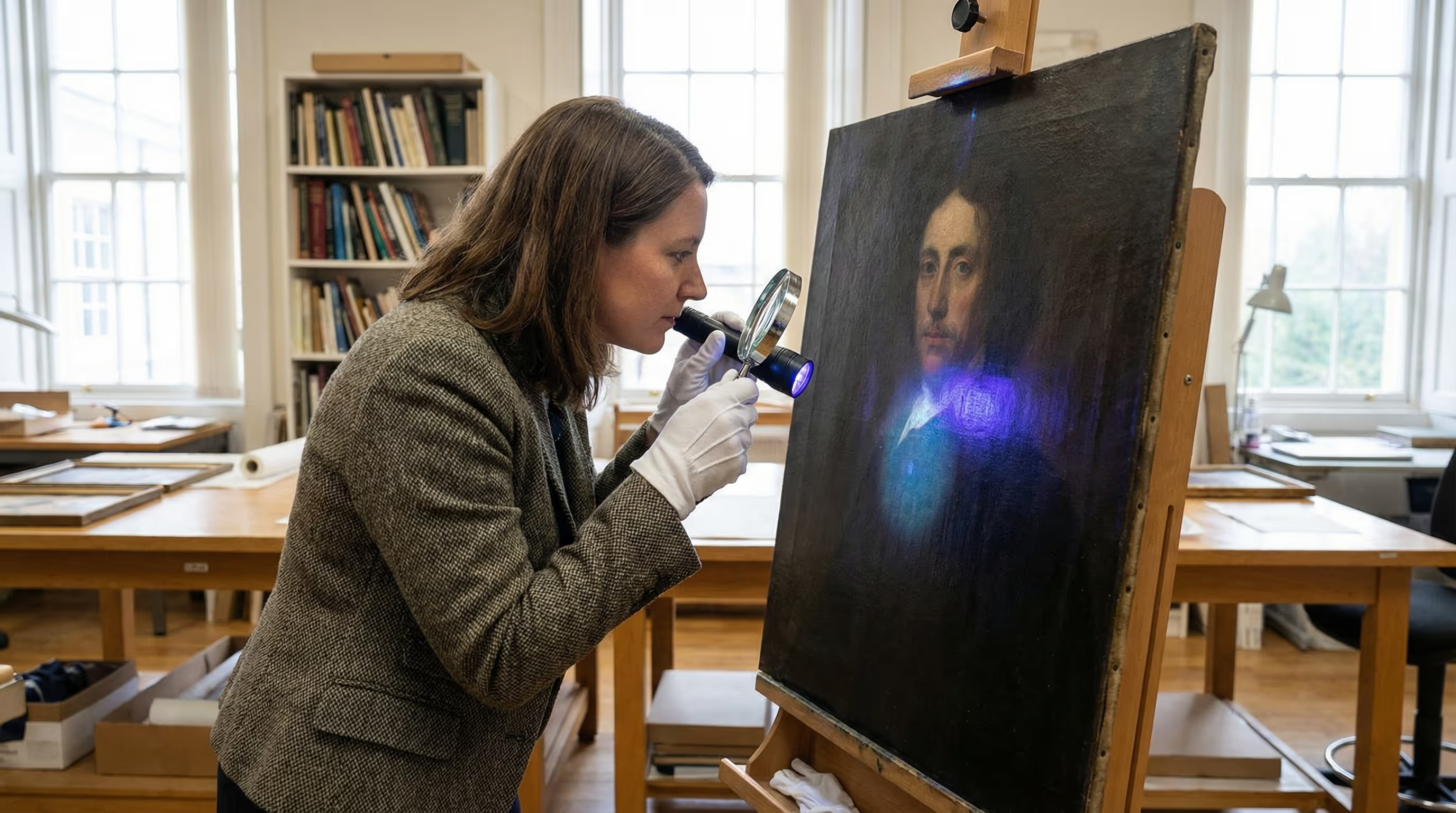
During the physical examination, the appraiser conducts a thorough inspection using specialized tools and techniques. They examine the artwork's condition, materials, construction methods, and any signs of age or restoration. For paintings, this includes analyzing brushstrokes, paint layers, and canvas characteristics. Sculptures receive similar scrutiny regarding materials, casting methods, and surface treatments.
The research phase involves investigating the artist's background, comparing similar works, and analyzing recent sales data. Appraisers consult auction records, museum collections, and scholarly publications to establish market context and verify authenticity. This research can take several days to weeks, depending on the complexity of the piece.

Finally, the appraiser compiles all findings into a comprehensive written report that includes detailed descriptions, photographs, research findings, and the final valuation with supporting rationale. Understanding what to expect during an antique artwork appraisal helps you prepare for each stage of this process.
Several key factors influence the final appraised value of antique artwork. The artist's reputation and market demand play crucial roles, with works by recognized masters commanding higher values than those by lesser-known artists. However, attribution must be carefully verified through stylistic analysis and historical research.
Condition significantly affects value, but the impact varies depending on the type and extent of any issues. Minor age-related wear might be expected and acceptable, while major damage or poor restoration work can substantially reduce value. Original condition typically commands premium prices over restored pieces.
Provenance, or ownership history, adds considerable value when it can be documented. Pieces with interesting histories, previous museum ownership, or connections to notable collectors often achieve higher valuations. Rarity also matters, as unique pieces or works from important periods in an artist's career typically command higher prices. What appraisers look for when appraising antique artwork extends beyond these basic factors to include subtle details that only trained experts can identify.
Market reality: Current market conditions and collector interest in specific periods or styles can cause values to fluctuate significantly, making recent comparable sales data essential for accurate appraisal.
The appraisal process for antique artwork requires patience, expertise, and thorough documentation. By understanding what's involved and preparing properly, you ensure the most accurate valuation possible. Working with qualified, certified appraisers who specialize in antique art provides the expertise necessary to navigate this complex process successfully. Whether for insurance, estate planning, or potential sale, professional appraisals for antique artwork give you the confidence that comes with knowing your artwork's true value in today's market.
Antique artwork appraisals typically take 2-4 weeks to complete. This timeframe includes the initial consultation, physical examination, extensive research phase to verify authenticity and provenance, market analysis of comparable sales, and preparation of the comprehensive written report. Complex pieces with rare provenance or attribution questions may require additional time for thorough research.
Antique artwork refers to pieces that are at least 100 years old and possess historical, cultural, or artistic significance. This includes paintings, drawings, sculptures, and decorative arts created before 1925. These pieces are distinguished from vintage items (20-99 years old) by their age, unique characteristics reflecting their time period, and distinctive signs of aging like patina and craquelure patterns.
The most significant factors include the artist's reputation and market demand, condition of the piece, documented provenance or ownership history, rarity, and current market trends. Age-related wear is often expected and acceptable, while major damage or poor restoration can substantially reduce value. Pieces with interesting histories, museum ownership, or connections to notable collectors typically command higher valuations.
Gather all available documentation including purchase receipts, previous appraisals, exhibition catalogs, and family records. Take high-quality photographs from multiple angles, including close-ups of signatures, stamps, or maker's marks, plus any damage or unique characteristics. Create a written summary of what you know about the piece's history and never attempt to clean or restore the artwork before appraisal, as this can impact both authenticity assessment and market value.