Do I have to ship or transfer my firearms to have them appraised?
No. Our standard process keeps the guns in your possession: you submit photographs, serial numbers, and any documentation you hold, and our appraiser prepares the report from that evidence. For collections where physical inspection materially affects value, we appraise onsite at your location instead. No transfer of the firearms to us is involved either way.
How are inherited firearms valued for a Washington probate inventory?
At fair market value as of the decedent's date of death, item by item. That date is fixed, so the appraisal has to reference sales evidence contemporaneous with it rather than current market pricing. We list each firearm separately with make, model, caliber, serial number, and condition grade, which is the level of detail a personal representative needs for the inventory and for any state estate tax return.
What documentation should I gather before requesting a gun appraisal?
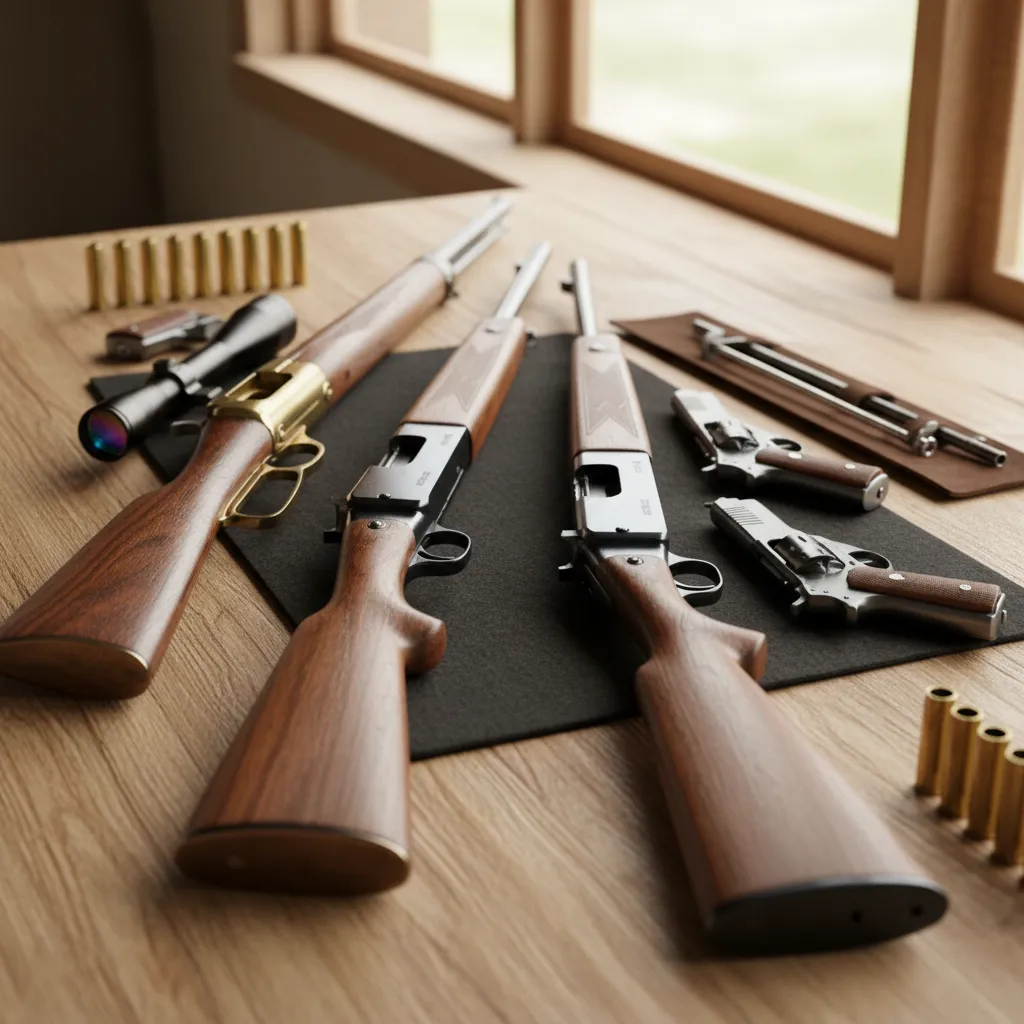
Serial numbers and full photographs of each firearm, including markings, proof stamps, and any engraving. Original boxes, papers, factory letters, and purchase receipts all matter, as does anything establishing provenance such as an ownership history or documented military issue. Records of refinishing, rebarreling, or replaced parts should be included as well, since alterations affect value and an undisclosed one undermines the report.
Can one appraisal report cover both insurance and estate purposes?
Usually not. Insurance scheduling uses replacement value while estate and donation filings use fair market value, and those two figures are frequently far apart on the same gun. USPAP requires the intended use and value definition to be stated in the report, so a document written for one purpose is not interchangeable with the other. Tell us every use you have in mind and we will scope the engagement accordingly.









.jpeg)