What standard of value applies when flowers are donated to charity?
Fair market value at the time of the gift, as defined in IRS Publication 561: the price the arrangements would bring on the open market between a willing buyer and willing seller. Cost, retail list price, and the original event invoice are not the measure, and using them without tying the figure to open-market resale can be challenged as overstating the deduction.
How do appraisers value fresh floral arrangements that are perishable?
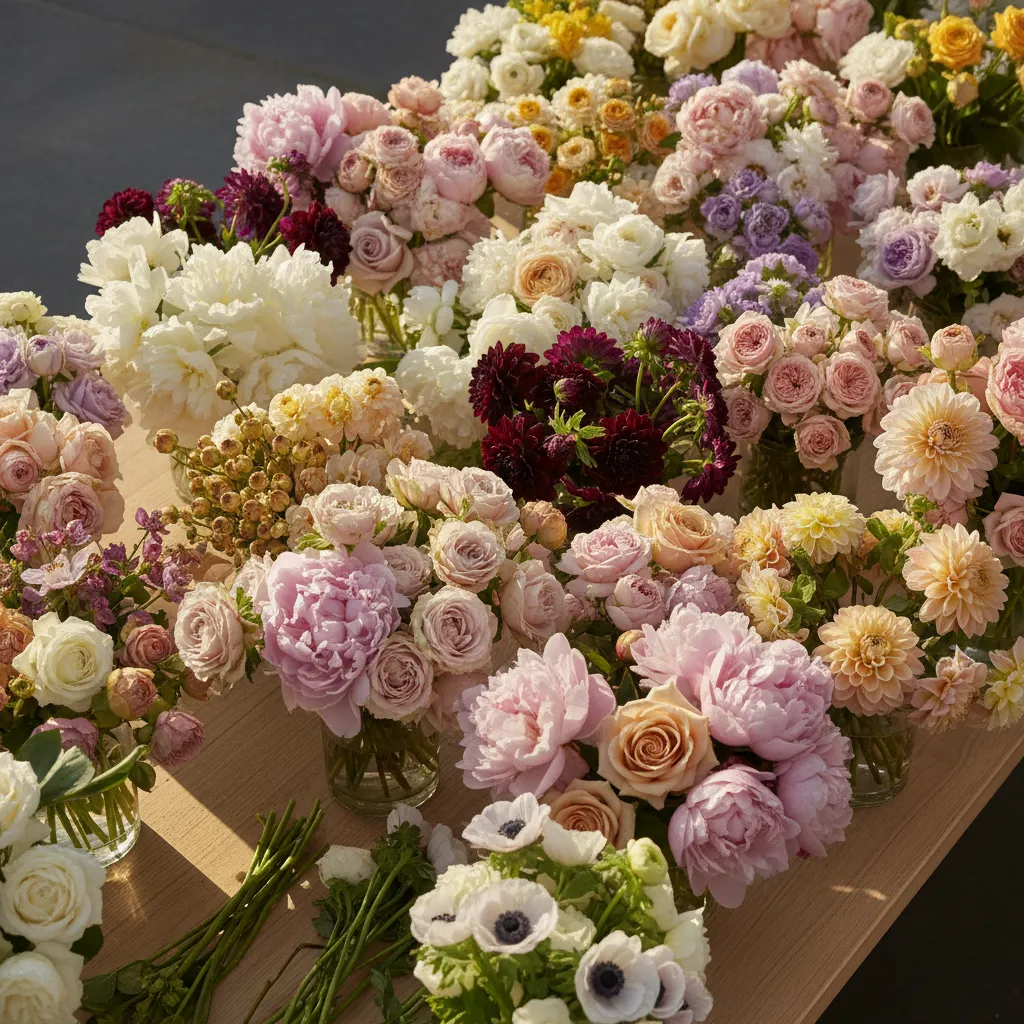
Usually with a replacement-cost-new-less-depreciation approach, which Publication 561 permits for property without a deep secondary market. Because fresh flowers degrade quickly, we estimate what it would cost to reproduce the arrangements at the donation date, then adjust for condition and remaining usable life, rather than relying on long-term comparable sales that do not exist for perishable goods.
Can I deduct the full event price for flowers donated after a wedding or gala?
Rarely. Treasury regulations provide that when property could not reasonably sell at its usual price at the time of contribution, the gift is valued at what the quantity would actually bring at that moment. Post-event arrangements with short remaining life seldom command full event pricing, and IRS examiners focus on the realistic sale price on the contribution date.
Does a florist donating arrangements from inventory get to deduct retail value?
Usually not. When fair market value exceeds the donor's basis, ordinary-income property rules can limit the deduction to cost for arrangements made from stock-in-trade. That contradicts the common belief that donors can always deduct retail, and it is one reason business donors should settle the valuation question before filing.









.jpeg)