Gift Tax Appraisals in Texas
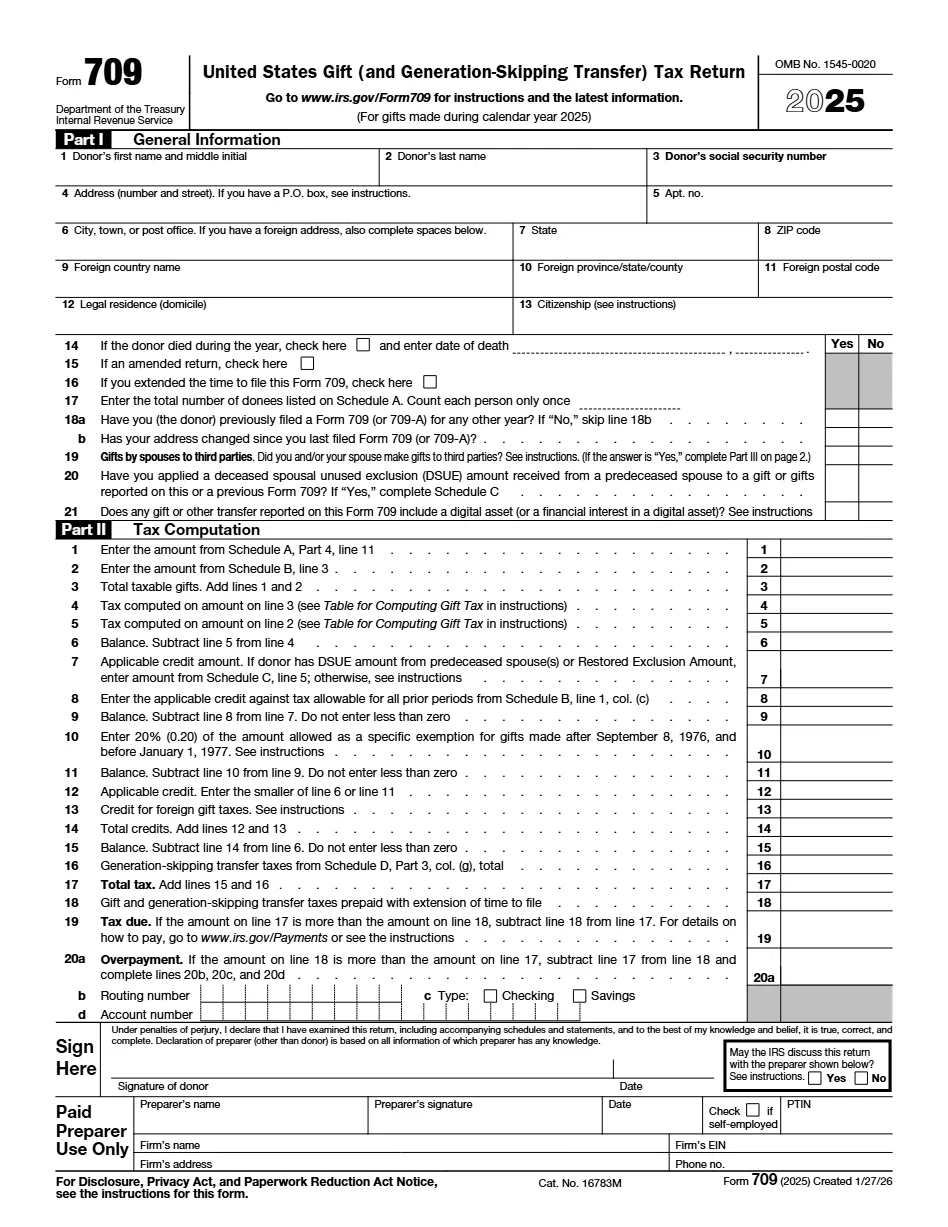
AppraiseItNow provides qualified gift tax appraisals for Texas clients transferring high-value assets to family members, trusts, or other recipients. When gifts exceed the 2025 federal annual exclusion of $19,000 per recipient, a defensible appraisal is required to support IRS Form 709 filings and establish fair market value. Texas has no state gift tax, so all appraisal requirements flow from federal IRS rules, making accuracy and USPAP compliance especially important for avoiding indefinite audit exposure.
AppraiseItNow serves clients through both online and onsite appraisal options, making it easy to get a qualified valuation regardless of where you are located. Our appraisers in Texas cover every major metro and region across the state.
What Does AppraiseItNow Appraise for Gift Tax in Texas?
We appraise every major asset class commonly involved in Texas gift transfers, including:
- Personal Property, including jewelry, antiques, furniture, coins, collectibles, and household goods
- Equipment & Machinery, including medical equipment, restaurant equipment, manufacturing machinery, and technology assets
- Fine Art, including paintings, prints, sculpture, photography, and mixed media
- Business Interests, including LLCs, S-corps, partnerships, fractional interests, and privately held stock
- Boats & Watercraft, including sailboats, powerboats, yachts, jet skis, and personal watercraft
- Automobiles & Vehicles, including cars, trucks, motorcycles, RVs, trailers, and classic vehicles
Who Does AppraiseItNow Serve in Texas for Gift Tax?
We work with Texas families, business owners, estate planning attorneys, and CPAs who need qualified appraisals to support Form 709 filings, document lifetime gift transfers, or substantiate valuations for closely held business interests and personal property gifted to heirs or trusts.
Texas Gift Tax Appraisal: Key Considerations
Texas's energy sector, ranching heritage, and concentration of family-owned businesses in cities like Houston, Dallas-Fort Worth, and Austin create consistent demand for gift tax appraisals. Assets such as privately held business interests, oil and gas equipment, collectibles, and classic vehicles frequently change hands through gifting arrangements that trigger federal valuation requirements.
Because Texas imposes no state gift or estate tax, federal IRS rules are the sole governing framework for gift tax appraisals in the state. A qualified appraisal must meet IRS standards, including appraiser credentials, a detailed description of the asset, the valuation methodology used, and the effective date of the appraisal.
For non-cash gifts exceeding $5,000, IRS Form 8283 requires an appraiser signature. Gifts of art exceeding $20,000 or any asset exceeding $500,000 require a full appraisal to be attached to the return.
Adequate disclosure on Form 709, supported by a qualified appraisal, starts the three-year statute of limitations. Without proper disclosure, the IRS retains indefinite authority to challenge the valuation, a risk that is especially significant for Texas families transferring high-value business interests or collections across generations.
Married couples in Texas can elect gift-splitting to double the annual exclusion to $38,000 per recipient in 2025. When non-cash assets are involved and the combined gift value exceeds the exclusion, a qualified appraisal remains necessary to substantiate the reported fair market value.









.jpeg)