What Makes a Jewelry Appraisal Valuable for Charitable Giving?
When considering charitable donations, the value of your contribution can significantly impact the organization you support. A jewelry appraisal is more than just a simple valuation—it serves several critical purposes that enhance the charitable giving experience.
Key Benefits of Jewelry Appraisals for Charitable Donations
1. Accurate Value Determination
- Provides clear understanding of the jewelry's true market value
- Enables charities to make informed decisions about accepting and reselling donations
- Helps organizations strategically plan fundraising efforts
2. Tax Documentation Compliance
- Generates essential documentation for IRS tax deduction purposes
- Provides professional proof of value
- Helps donors avoid potential tax complications
- Potentially enables significant tax savings
3. Donation Authenticity and Trust
- Adds credibility to the donation process
- Reinforces the legitimacy of the gift
- Uncovers potentially hidden or overlooked value
- Encourages donors to consider unique contribution opportunities
4. Emotional and Financial Significance
- Bridges the gap between sentimental and market value
- Allows family heirlooms to gain new purpose
- Enhances the philanthropic experience for donors and recipients
- Transforms personal treasures into meaningful support for charitable causes
By obtaining a professional jewelry appraisal, donors can maximize the impact of their contributions while gaining a comprehensive understanding of their donation's true value.
The Critical Role of Precision in Charitable Jewelry Donations
When donating jewelry to charitable organizations, the accuracy of the appraisal process is paramount for both donors and receiving nonprofits. Precise valuations ensure that the donated jewelry's fair market value is correctly determined, which is crucial for tax deduction purposes and provides donors with proper recognition for their contributions.
Key Components of a Comprehensive Jewelry Appraisal
A thorough appraisal considers multiple critical factors that influence a piece's overall value:
- Material Quality: Comprehensive evaluation of metal composition, including gold, silver, platinum, and the intricacy of craftsmanship
- Gemstone Assessment: Detailed analysis of gemstone characteristics, encompassing:
- Carat weight
- Cut precision
- Color grading
- Clarity evaluation
- Market Dynamics: Current market conditions and demand that directly impact jewelry valuation
- Provenance: Historical significance and previous ownership that may enhance the piece's intrinsic value
Benefits for Charitable Organizations
Precise appraisals provide nonprofits with critical insights, enabling them to:
- Accurately manage donated asset inventories
- Communicate donation values transparently
- Make informed resource allocation decisions
Building Trust Through Transparency
Accurate valuations do more than satisfy tax requirements—they cultivate a sense of trust and integrity in the charitable giving process. When donors and organizations have confidence in the appraisal's accuracy, it encourages continued generosity and strengthens the relationship between philanthropic individuals and nonprofit institutions.
Long-Term Impact
By prioritizing precision in jewelry donation appraisals, donors can maximize their tax benefits while supporting charitable missions, creating a meaningful and mutually beneficial exchange that goes beyond monetary value.
Are Your Jewelry Pieces Donation-Ready?
Key Considerations for Jewelry Donation Preparation
Preparing jewelry for charitable donation requires careful evaluation and strategic planning to maximize the potential impact of your contribution.
Assess Jewelry Condition
- Thoroughly inspect each piece for signs of wear or damage
- Clean and polish jewelry to enhance its appeal
- Repair minor issues like loose clasps or worn settings
- Remove personal engravings if possible
Professional Appraisal Essentials
- Obtain a professional appraisal to determine fair market value
- Secure detailed documentation for potential tax purposes
- Verify the authenticity and quality of high-value pieces
- Ensure appraisal meets IRS guidelines for charitable donations
Strategic Donation Planning
- Research charitable organizations' specific jewelry donation requirements
- Understand potential restrictions on type or condition of jewelry
- Consider donation timing for maximum charitable impact
- Align your donation with the organization's specific needs
Maximizing Your Contribution
By carefully preparing your jewelry and understanding the donation process, you can transform personal items into meaningful support for charitable causes. A thoughtful approach ensures that your donation provides maximum value and support to organizations making a difference.
Navigating the Professional Jewelry Appraisal Landscape
Understanding the Professional Jewelry Appraisal Landscape
When considering a jewelry appraisal for charitable donation purposes, it's essential to comprehend the intricate details of the valuation process. A professional jewelry appraisal provides a comprehensive assessment of an item's value, taking into account multiple critical factors.
Key Factors in Jewelry Valuation
- Material Composition: Assessing the quality and type of metals and gemstones
- Craftsmanship: Evaluating the skill and complexity of the piece's design
- Condition: Analyzing the overall preservation and potential wear
- Market Trends: Considering current collector and market demands
Selecting a Qualified Appraiser
Choosing the right professional is crucial to obtaining an accurate and reliable appraisal. Consider the following criteria:
- Seek certification from reputable organizations
- Verify professional credentials
- Check for specialized expertise in jewelry valuation
- Request references and review professional background
The Professional Appraisal Process
A comprehensive jewelry appraisal typically involves several meticulous steps:
- Initial Consultation: Discussing the specific purpose of the appraisal
- Detailed Examination: Thorough inspection using specialized equipment
- Microscopic analysis
- Gemstone testing
- Metal composition verification
- Extensive Research: Comparing with current market values
- Comprehensive Documentation: Preparing a detailed report with:
- Precise item description
- High-quality photographs
- Detailed valuation breakdown
Maximizing Charitable Donation Impact
An accurate appraisal serves multiple important purposes:
- Ensures fair valuation for tax deduction purposes
- Provides transparency for charitable organizations
- Supports the full potential of your philanthropic contribution
Final Considerations
A professional jewelry appraisal for charitable donation is more than a financial assessment. It's a careful process that requires expertise, precision, and a deep understanding of both the item's intrinsic value and its potential to make a meaningful difference through donation.
Maximizing Tax Advantages Through Strategic Jewelry Donations
Strategic Jewelry Donations: Maximizing Tax Benefits
Jewelry donations offer a unique opportunity to support charitable causes while potentially gaining significant tax advantages. By understanding the nuanced process of charitable giving, donors can make informed decisions that benefit both philanthropic organizations and their personal financial strategy.
Key Considerations for Tax-Efficient Jewelry Donations
- Qualified Appraisal Requirements
- Obtain an appraisal from a certified professional
- Ensure the appraiser meets IRS professional standards
- Validate the credibility of the valuation documentation
- Understanding Valuation Methods
- Fair market value determines charitable deduction amount
- Original purchase price is not the primary valuation metric
- Current market conditions significantly impact jewelry value
- Financial Strategy Advantages
- Potential elimination of capital gains tax
- Possible itemized tax deduction
- Direct support for charitable organizations
Critical Documentation Practices
Comprehensive record-keeping is essential for successful charitable donations. Donors should meticulously preserve:
- Professional appraisal documents
- Detailed photographs of donated items
- Acknowledgment letters from receiving charitable organizations
- Itemized valuation reports
By carefully navigating the donation process, individuals can transform valuable jewelry into meaningful philanthropic contributions while potentially realizing substantial tax benefits.
Avoiding Costly Appraisal Pitfalls
Key Considerations for Accurate Jewelry Appraisals
Navigating the complexities of jewelry appraisals for charitable donations requires careful attention to detail and strategic planning. Understanding the critical elements can help you maximize your donation's potential while avoiding costly mistakes.
Selecting the Right Appraiser
- Choose a certified professional with specialized jewelry expertise
- Verify credentials from recognized organizations like:
- American Society of Appraisers
- International Society of Appraisers
- Ensure the appraiser understands IRS valuation guidelines
Understanding Valuation Nuances
Critical distinctions can significantly impact your charitable donation:
- Market Value: Represents the price a willing buyer would pay in current market conditions
- Replacement Value: Calculates the cost to replace the item with a similar piece
- Tax purposes typically require precise market value documentation
Comprehensive Documentation Strategies
A robust appraisal report should include:
- Detailed item description
- Current condition assessment
- Provenance and historical context
- Relevant gemological or authentication certifications
- Clear, professional photographic evidence
Navigating IRS Regulations
- Review current IRS guidelines for charitable donations
- Understand valuation thresholds that require additional documentation
- Be prepared to provide substantive proof of valuation
Risk Mitigation Techniques
Additional steps to ensure appraisal accuracy:
- Consider obtaining a second independent appraisal
- Consult with a tax professional specializing in charitable donations
- Maintain transparent and comprehensive records
By implementing these strategic approaches, you can confidently navigate the jewelry appraisal process, ensuring a smooth charitable donation experience that maximizes potential tax benefits while maintaining full compliance with regulatory requirements.
Essential Documentation for Your Jewelry Contribution
Essential Documentation for Your Jewelry Donation
When donating jewelry for charitable purposes, having the right documentation is crucial to ensure a smooth, legally compliant process for both the donor and the recipient organization.
Key Documentation Checklist
- Appraisal Certificate
An official, professional appraisal is critical. This document provides a comprehensive assessment of the jewelry's value, considering:
- Material quality
- Craftsmanship
- Current market trends
Pro Tip: Obtain updated appraisals every few years to reflect market value fluctuations.
- Donor's Declaration
Prepare a signed legal statement that includes:
- Your full name
- Contact information
- Detailed jewelry description
- Clear donation intent
This document helps prevent potential ownership or donation purpose disputes.
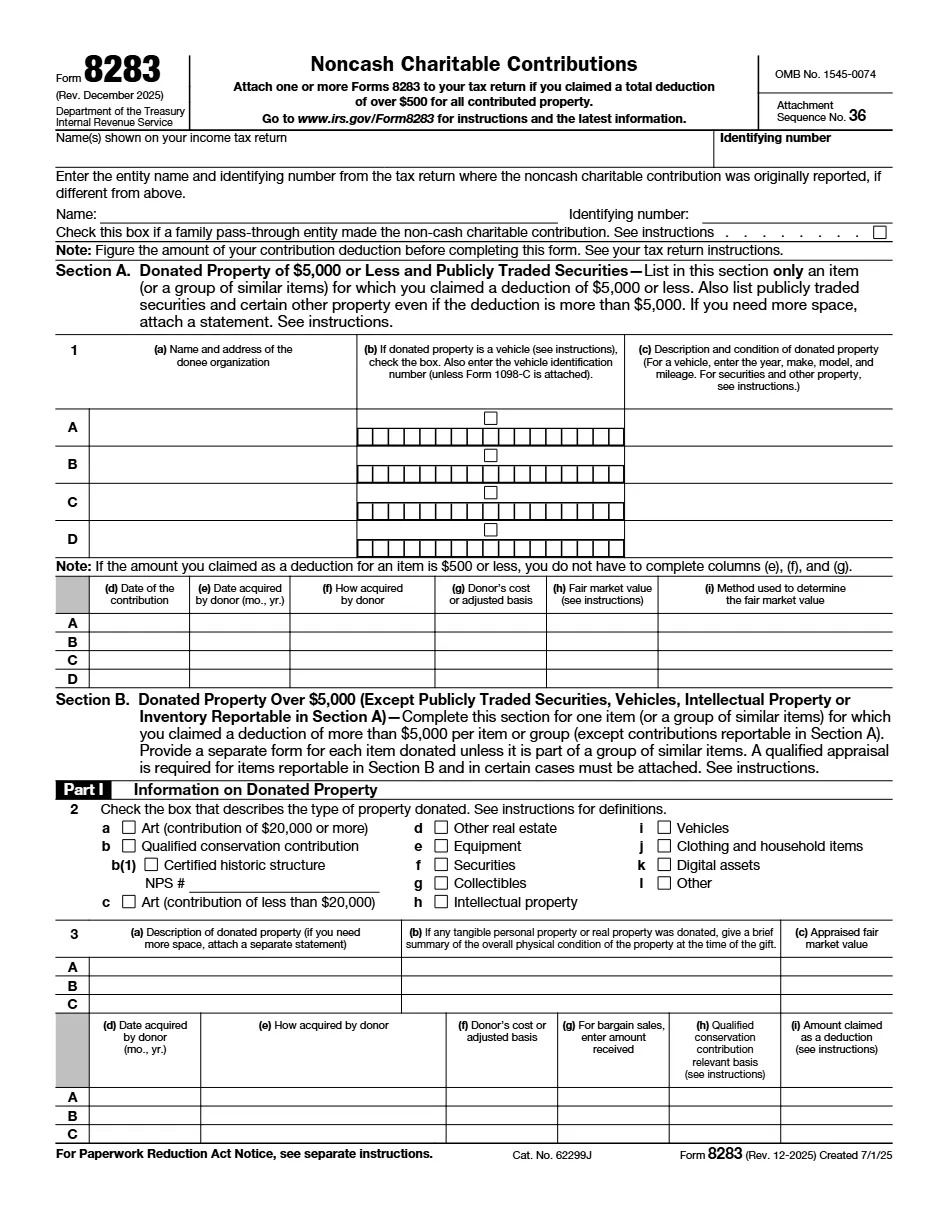
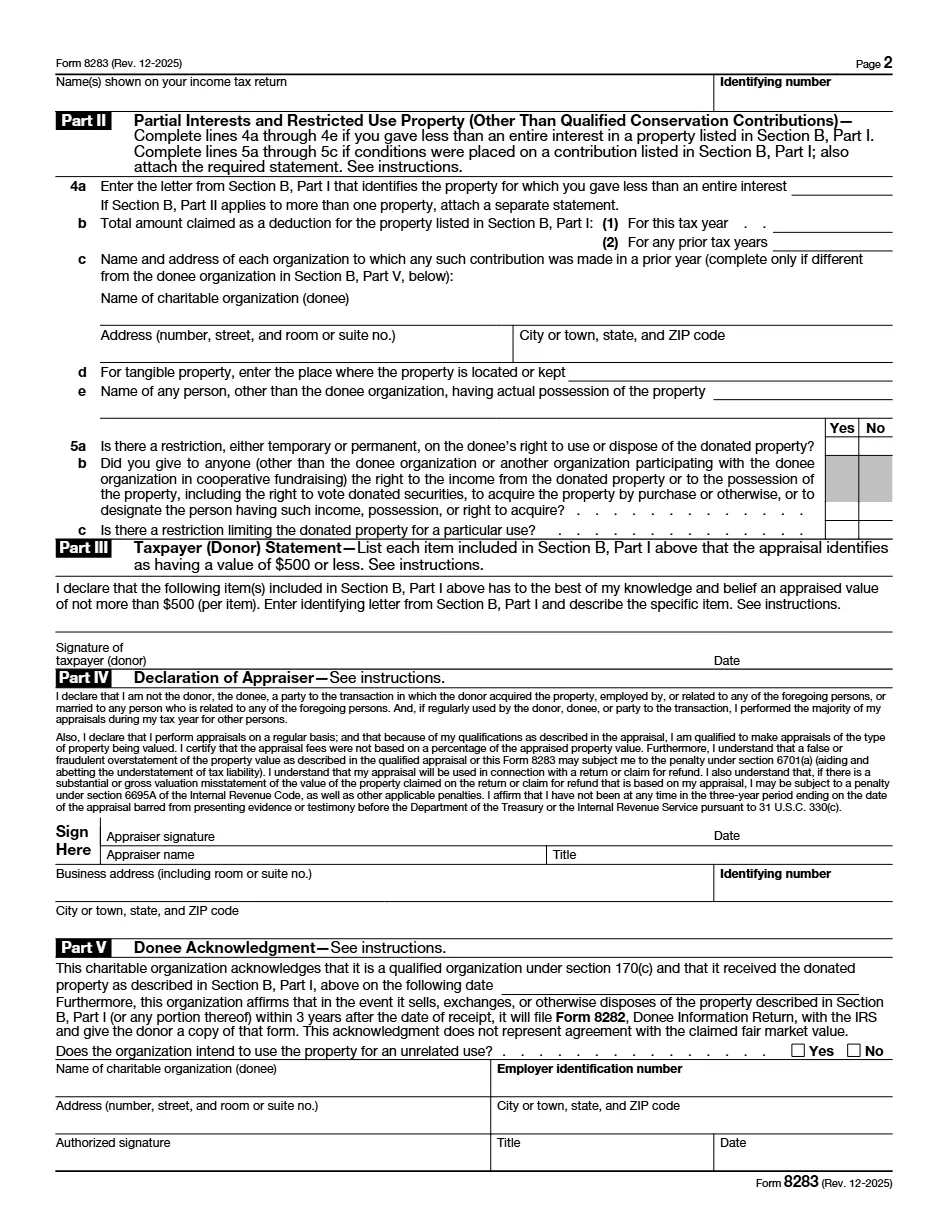
- IRS Form 8283
Required for non-cash charitable contributions exceeding $500. The form must include:
- Detailed item information
- Appraised value
- Your signature
- Authorized charity representative signature
- Charity's Tax-Exempt Verification
Critical steps to confirm the organization's status:
- Request a copy of their IRS Determination Letter
- Verify tax-exempt eligibility
- Protect your potential tax deduction
- Comprehensive Documentation
Supplement your donation package with:
- High-quality photographs
- Detailed written descriptions
- Complete provenance information
These additional materials create a comprehensive record of your generous contribution.
Careful preparation of these documents ensures a transparent, efficient donation process, providing peace of mind and supporting the charity's important mission.
Preparing Your Treasured Pieces for Valuation
Navigating the Jewelry Appraisal Preparation Process
Preparing your treasured jewelry for valuation requires a strategic and thoughtful approach. Proper preparation ensures an accurate assessment that maximizes the potential impact of your charitable donation.
Essential Preparation Steps
- Comprehensive Documentation Gathering
- Collect all existing paperwork, including:
- Original purchase receipts
- Previous appraisal documents
- Certificates of authenticity
- Insurance documentation
- These documents provide critical historical context and help establish the piece's provenance
- Careful Jewelry Preparation
- Gently clean pieces using:
- Soft, lint-free cloth
- Mild, non-abrasive cleaning methods
- Avoid harsh chemicals or aggressive cleaning techniques
- Present items in their best possible condition
- Strategic Organization
- Organize jewelry systematically by:
- Type of piece
- Occasion
- Designer
- Estimated value
- Create a clear, comprehensive overview of your collection
- Identifying Unique Characteristics
- Document distinctive features such as:
- Custom design elements
- Rare gemstones
- Historical significance
- Exceptional craftsmanship
- Provide detailed context to support accurate valuation
- Market Awareness
- Research current jewelry market trends
- Understand potential value fluctuations
- Gain insights into factors affecting jewelry valuation
Final Considerations
Meticulous preparation transforms the appraisal process from a simple assessment to a comprehensive evaluation. By approaching your jewelry donation with care, attention to detail, and thorough documentation, you maximize the potential impact of your charitable contribution.
Remember, each piece tells a unique story, and proper preparation ensures that story is fully understood and appreciated during the appraisal.
Expert Insights: Your Jewelry Donation Questions Answered
Understanding Jewelry Appraisal for Charitable Donations
Navigating the world of jewelry donations requires careful consideration and professional expertise. This guide will help you understand the critical aspects of jewelry appraisal when making charitable contributions.
What is Jewelry Appraisal?
Jewelry appraisal is a comprehensive process that determines the fair market value of a piece based on multiple critical factors:
- Materials composition
- Craftsmanship quality
- Age and historical significance
- Current market demand
- Unique design elements
The Importance of Appraisal for Charitable Donations
A professional appraisal is crucial for charitable donations for several key reasons:
- Tax Documentation: Provides official documentation for tax deduction purposes
- IRS Compliance: Meets IRS requirements for substantiating donated item value
- Donor Confidence: Offers a clear understanding of the item's true worth
- Audit Protection: Creates a formal record in case of future tax reviews
Selecting the Right Appraiser
Choosing a qualified appraiser is critical to obtaining an accurate valuation. Consider the following criteria:
- Professional credentials from recognized appraisal organizations
- Extensive experience in jewelry valuation
- Positive client reviews and references
- Specialized knowledge in your specific type of jewelry
- Certification from reputable professional associations
Jewelry Types Ideal for Appraisal
While all jewelry can be appraised, certain pieces are particularly important to document:
- High-value gemstone jewelry
- Pieces with intricate craftsmanship
- Vintage or antique items
- Jewelry with historical significance
- Pieces with substantial sentimental value
Final Considerations
A professional appraisal empowers you to make informed decisions about charitable donations. By understanding the appraisal process, you can maximize the impact of your contribution while potentially benefiting from tax advantages.
Remember, a thorough and accurate appraisal is your key to confident and meaningful jewelry donation.
Professional Credentials: Why Appraiser Qualifications Matter
When it comes to jewelry appraisals for charitable donation purposes, understanding the qualifications of the appraiser is critical. The accuracy and credibility of an appraisal directly influence the value assigned to your jewelry and can impact tax deductions, future sales, or potential disputes with tax authorities.
Accredited Designations
A qualified appraiser typically holds certifications from reputable professional organizations, which demonstrate:
- Rigorous professional training
- Commitment to ethical standards
- Ongoing professional education
- Up-to-date knowledge of market trends and evaluation methods
Experience and Expertise
Professional experience is crucial in appraisal accuracy. An experienced appraiser brings significant advantages:
- Deep understanding of jewelry market dynamics
- Ability to assess unique piece characteristics
- Precise valuation based on quality, condition, and provenance
- Nuanced insights into market demand and value trends
Comprehensive Knowledge
Specialized training enables appraisers to offer comprehensive evaluations that consider:
- Intricate gemstone details
- Metal composition and quality
- Historical and artistic significance
- Craftsmanship and design complexity
Credibility in Documentation
Professional appraisers provide documentation that:
- Meets industry documentation standards
- Complies with IRS regulatory requirements
- Provides comprehensive and transparent valuation reports
- Protects donors from potential tax complications
Selecting a highly qualified appraiser is essential when seeking a jewelry appraisal for charitable donations. Their professional credentials, extensive experience, specialized knowledge, and commitment to comprehensive documentation ensure an accurate and reliable valuation process.
Transforming Personal Treasures into Meaningful Contributions
When considering a charitable donation, many people overlook the potential of their jewelry. Whether inherited, gifted, or collected over time, these personal treasures can become powerful philanthropic tools when properly evaluated.
Understanding the Value of Jewelry Donations
A professional jewelry appraisal transforms personal items into meaningful contributions by:
- Providing an objective market value assessment
- Identifying the intrinsic worth of precious materials
- Documenting the piece's unique characteristics
Key Factors in Jewelry Valuation
Professional appraisers consider multiple elements when determining a jewelry piece's value, including:
- Material quality (precious metals and gemstones)
- Craftsmanship and design
- Current market demand
- Historical or artistic significance
Benefits of Professional Appraisal for Charitable Donations
Financial Advantages
A comprehensive appraisal can help donors:
- Maximize potential tax deductions
- Provide transparent documentation to charitable organizations
- Ensure accurate valuation of donated items
Supporting Nonprofit Transparency
Detailed appraisal reports empower charitable organizations by:
- Offering clear insights into donation value
- Enabling more effective resource allocation
- Enhancing fundraising and planning capabilities
Choosing the Right Appraiser
When seeking a jewelry appraisal for charitable donation, look for professionals who:
- Hold professional certifications
- Demonstrate expertise in jewelry valuation
- Provide comprehensive, detailed assessment reports
Ultimately, donating appraised jewelry is more than a simple transaction. It's an opportunity to transform personal treasures into meaningful contributions that create lasting impact and support causes close to your heart.