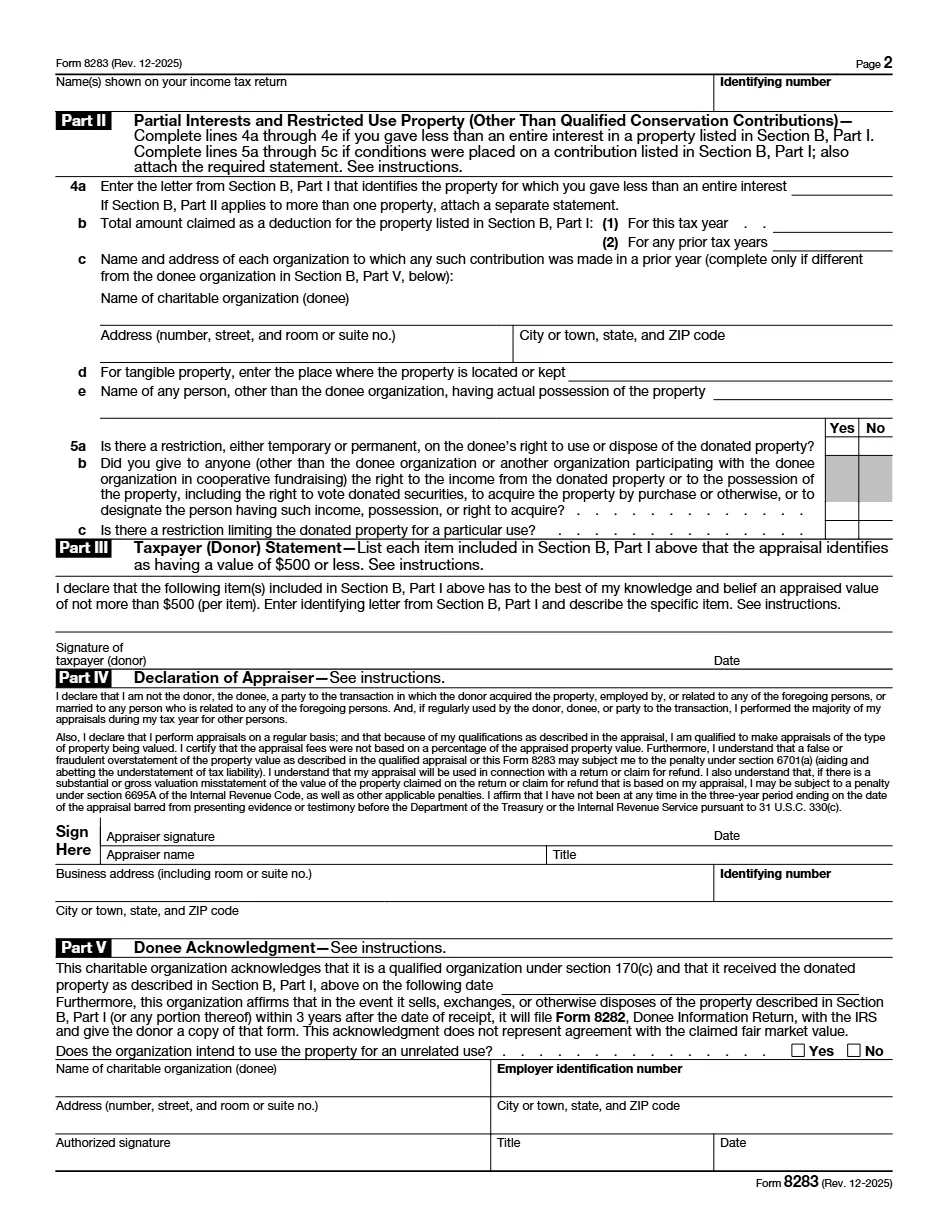
How does the IRS expect donated machinery to be valued?
At fair market value in its current condition, supported by comparable sales, depreciated replacement cost, or expert opinion under IRS Publication 561. When replacement cost is used, the appraiser must show the estimated replacement cost new, the deductions for physical condition and obsolescence, and how the result relates to the concluded value.
Is book value or tax basis an acceptable proxy?
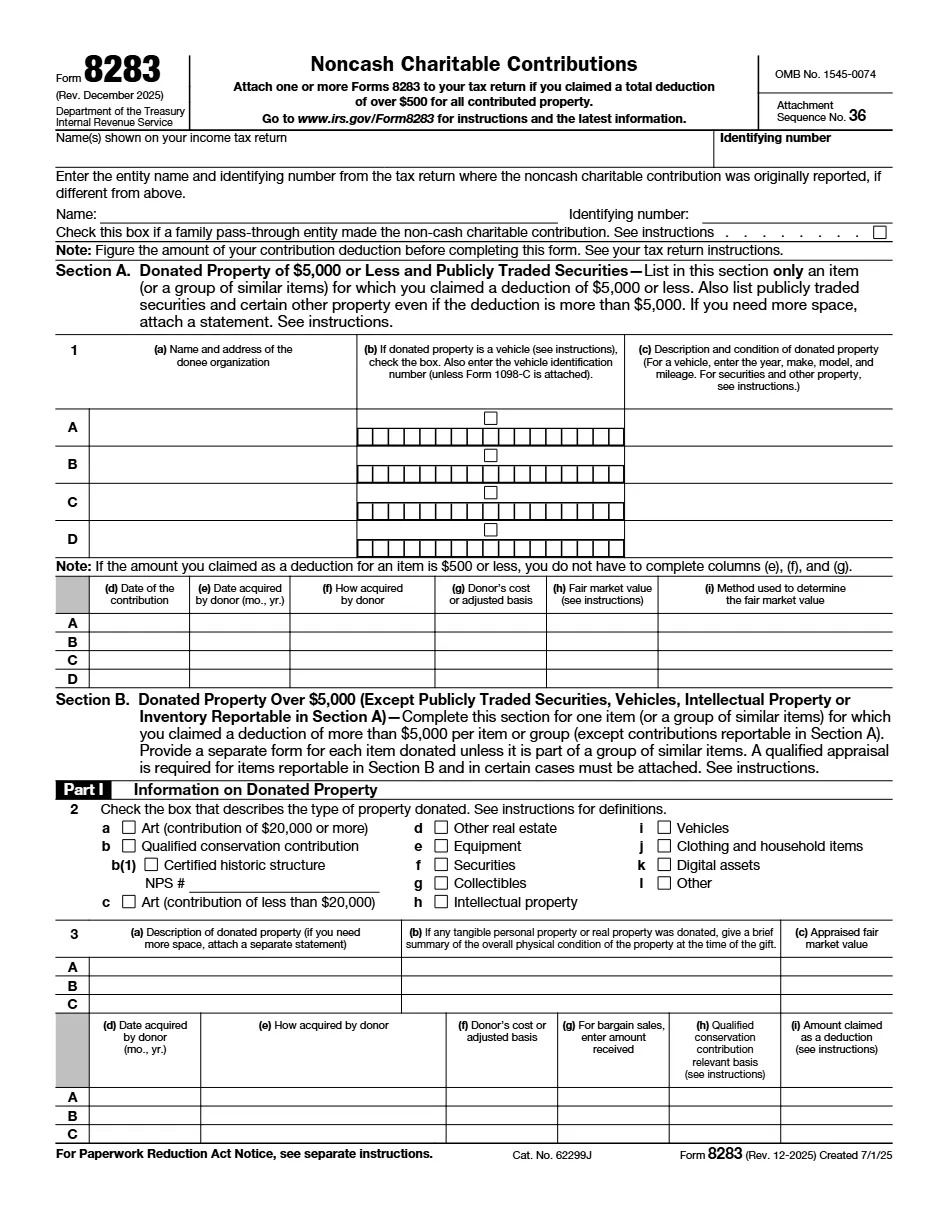
No. The deduction rests on what the machinery would sell for on the open market, and large gaps between claimed value and accounting figures draw examination. Descriptions matter too: a lump-sum entry for "shop equipment" fails the requirement to describe each significant asset with condition, acquisition date, basis, and valuation method.
Can the deduction be less than the appraised value?
Yes. Equipment that would produce ordinary income or short-term gain if sold, such as items held under a year or property produced for sale, is deductible only at fair market value minus that built-in gain. A higher appraisal does not raise the ceiling, which surprises businesses donating recently acquired machines.
How are donated trucks and titled machines checked?
Against used-vehicle pricing guides: the IRS accepts a value no higher than a private-party sale listing for a similar vehicle in similar condition, and expressly rejects dealer retail as the benchmark. Donors who take high-end guide values without condition adjustments are the ones most often challenged.









.jpeg)