When is the estate inventory due in North Carolina?
Within three months of the personal representative's qualification. G.S. 28A-20-1 requires a sworn inventory listing all estate assets at fair market value as of the date of death, filed with the Clerk of Superior Court, who serves as the probate judge in every North Carolina county.
Can the Clerk of Superior Court appoint an appraiser for a North Carolina estate?
Yes. G.S. 28A-20-4 permits the clerk to appoint appraisers when assets are difficult to value, and it authorizes the personal representative to employ a qualified, disinterested appraiser to determine date-of-death fair market value. We provide that disinterested valuation for vehicles, art, equipment, and household contents.
What is North Carolina's threshold for collecting personal property without full probate?
$20,000. Under G.S. 28A-25-1, persons holding a decedent's tangible personal property or instruments such as stocks or notes not exceeding that value may deliver them to the personal representative or eligible claimant 30 days after death, avoiding full administration.
How are used household goods valued in a North Carolina estate?
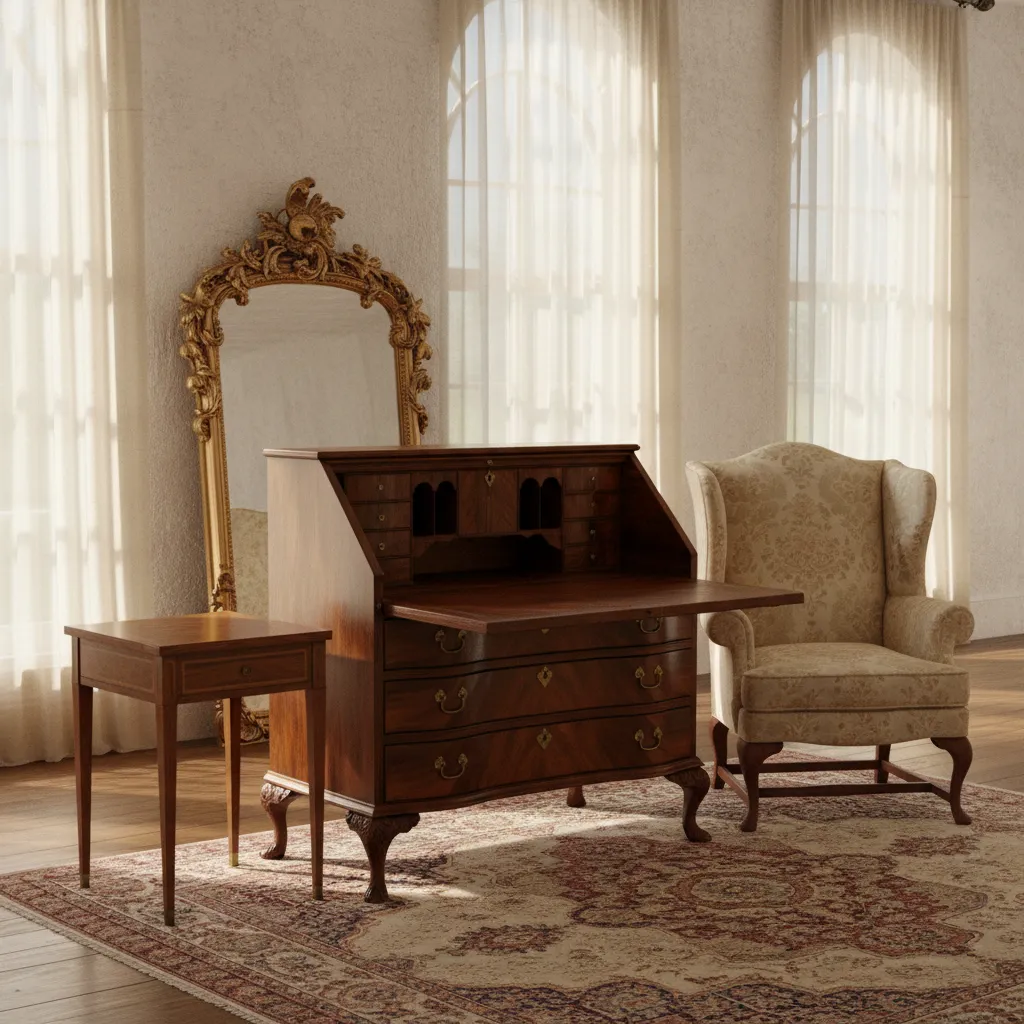
At their used-condition fair market value as of the date of death: what a willing buyer would actually pay, often a small fraction of the purchase price. North Carolina courts do not permit sentimental value or new replacement cost, and items heirs never picked up are still valued on the same used-condition basis.
What happens if property turns up after the North Carolina inventory is filed?
A supplemental inventory is mandatory. G.S. 28A-20-3 obligates the personal representative to file one whenever omitted property becomes known or a listed item's description or value proves erroneous or misleading, so corrections are a statutory duty rather than a courtesy.








.jpeg)