At what point is a vehicle a total loss in Kansas?
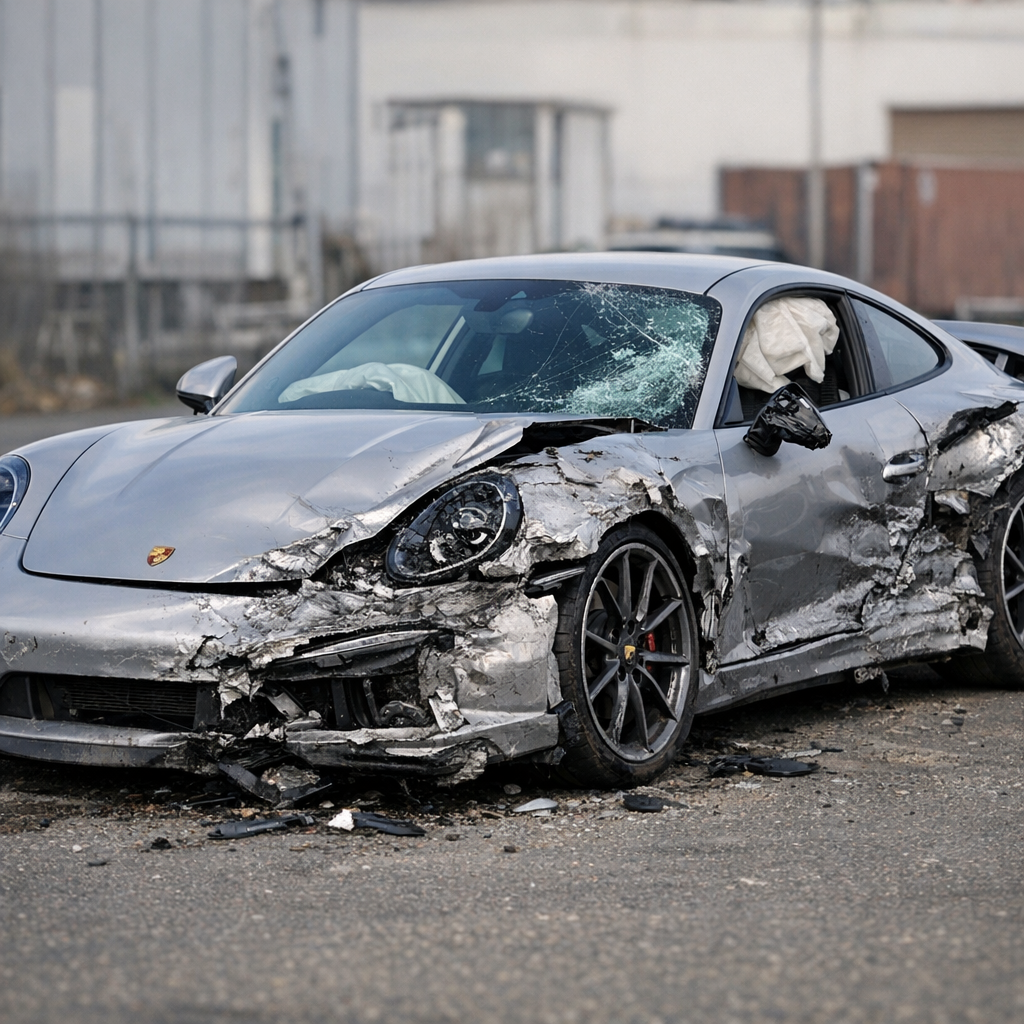
Kansas brands a vehicle salvage when repair costs to pre-loss condition equal or exceed 75% of its fair market value immediately before the damage, under K.S.A. 8-197. For first-party insurance decisions beyond that branding rule, there is no separate fixed statutory threshold; policy language and the insurer's economics control, which makes the fair market value input decisive.
How must Kansas insurers calculate a total loss payout?
Under K.A.R. 40-1-34, the valuation must rest on comparable vehicles in the local market area, two or more written quotations from licensed local dealers, or a statistically valid local-market source. Every deduction for mileage, prior damage, or needed repairs must be measurable, discernible, and itemized in dollar amounts in the claim file.
Can I challenge the deductions in my Kansas total loss valuation?
Yes, because the regulation requires each adjustment to be itemized and supportable; a vague condition adjustment does not meet that standard. An independent appraisal built on local comparables lets you test the insurer's figures line by line, which is exactly the review we prepare for disputed Kansas total loss claims.
Is the county's 30% assessed value evidence of what my vehicle was worth?
No. Kansas values tax-roll vehicles at fair market value and then assesses them at 30% for taxation, a constitutional assessment mechanism unrelated to insurance claim standards. The same vehicle legitimately carries different numbers in the two systems, so total loss disputes should be argued with market comparables, not tax records.










.jpeg)