About Estate Tax Appraisals in Iowa
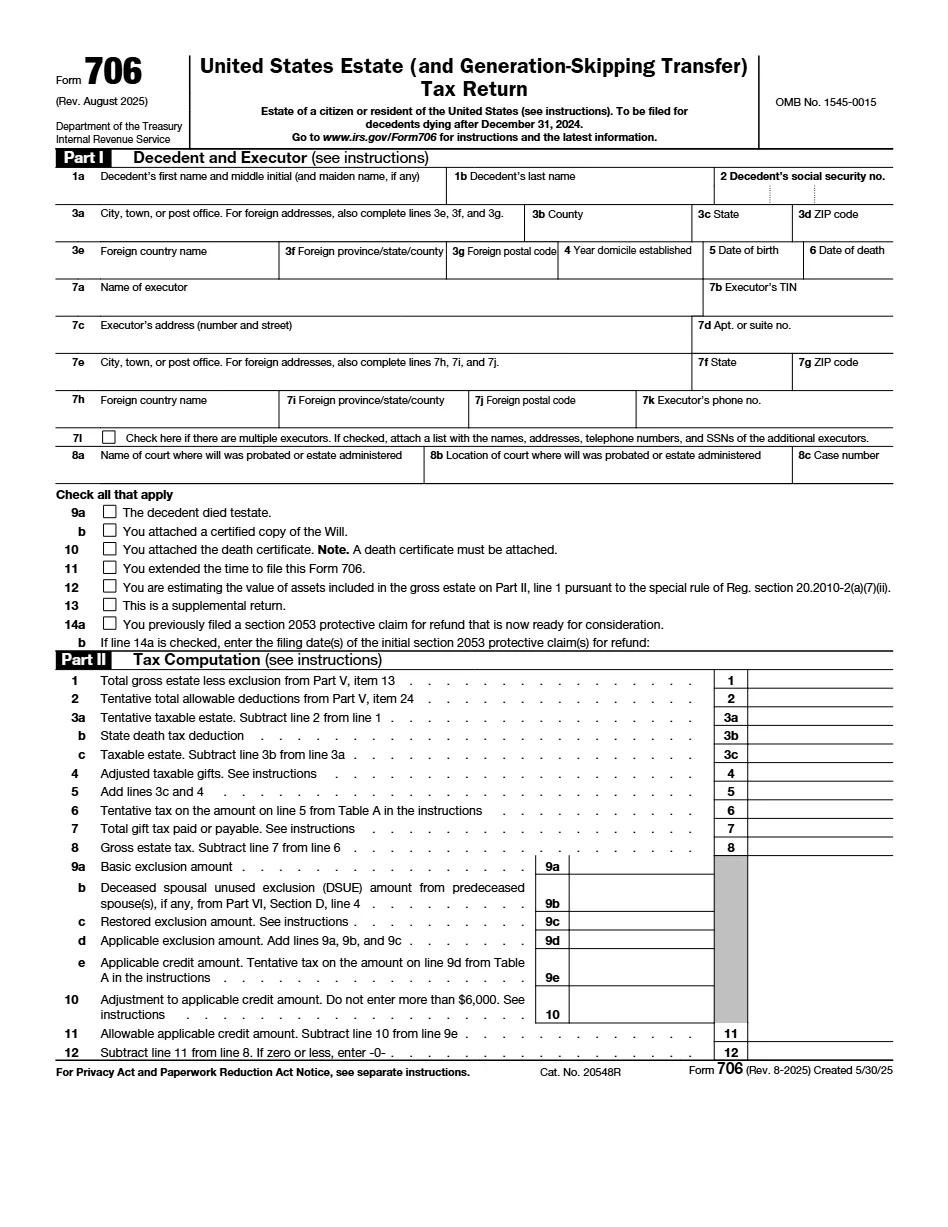
AppraiseItNow provides certified estate tax appraisal services for Iowa estates, establishing fair market value for assets as of the date of death to support accurate reporting on IRS Form 706 for federally taxable estates. Iowa retains an inheritance tax under Iowa Code chapter 450 for deaths prior to January 1, 2025, with net estate values exceeding $25,000 triggering tax obligations for certain beneficiaries, making defensible appraisals essential for compliance. Personal representatives must appoint appraisers and file accurate valuations, and failure to do so can result in penalties or forced fair market value assessments under Iowa Code §450.37.
AppraiseItNow serves Iowa estates through both remote and onsite appraisal options, accommodating clients across the state regardless of asset location or complexity. Our appraisers in Iowa are available in Des Moines, Cedar Rapids, Davenport, Sioux City, and all surrounding communities.
What Does AppraiseItNow Appraise for Estate Tax in Iowa?
AppraiseItNow covers the full range of asset classes commonly found in Iowa estates, including:
- Personal Property, including jewelry, antiques, furniture, coins, collectibles, and household goods
- Equipment & Machinery, including medical equipment, restaurant equipment, manufacturing machinery, and technology assets
- Fine Art, including paintings, prints, sculpture, photography, and mixed media
- Business Interests, including LLCs, S-corps, partnerships, fractional interests, and privately held stock
- Boats & Watercraft, including sailboats, powerboats, yachts, jet skis, and personal watercraft
- Automobiles & Vehicles, including cars, trucks, motorcycles, RVs, trailers, and classic vehicles
Who Does AppraiseItNow Serve in Iowa for Estate Tax?
AppraiseItNow works with personal representatives, estate attorneys, CPAs, and beneficiaries throughout Iowa who need credentialed, IRS-compliant valuations to settle estates accurately and on time. Iowa's strong agricultural and manufacturing economy means estates frequently include business interests, equipment, vehicles, and personal property collections that all require qualified appraisals for proper tax reporting.









.jpeg)