What estate value triggers an Illinois estate tax filing?
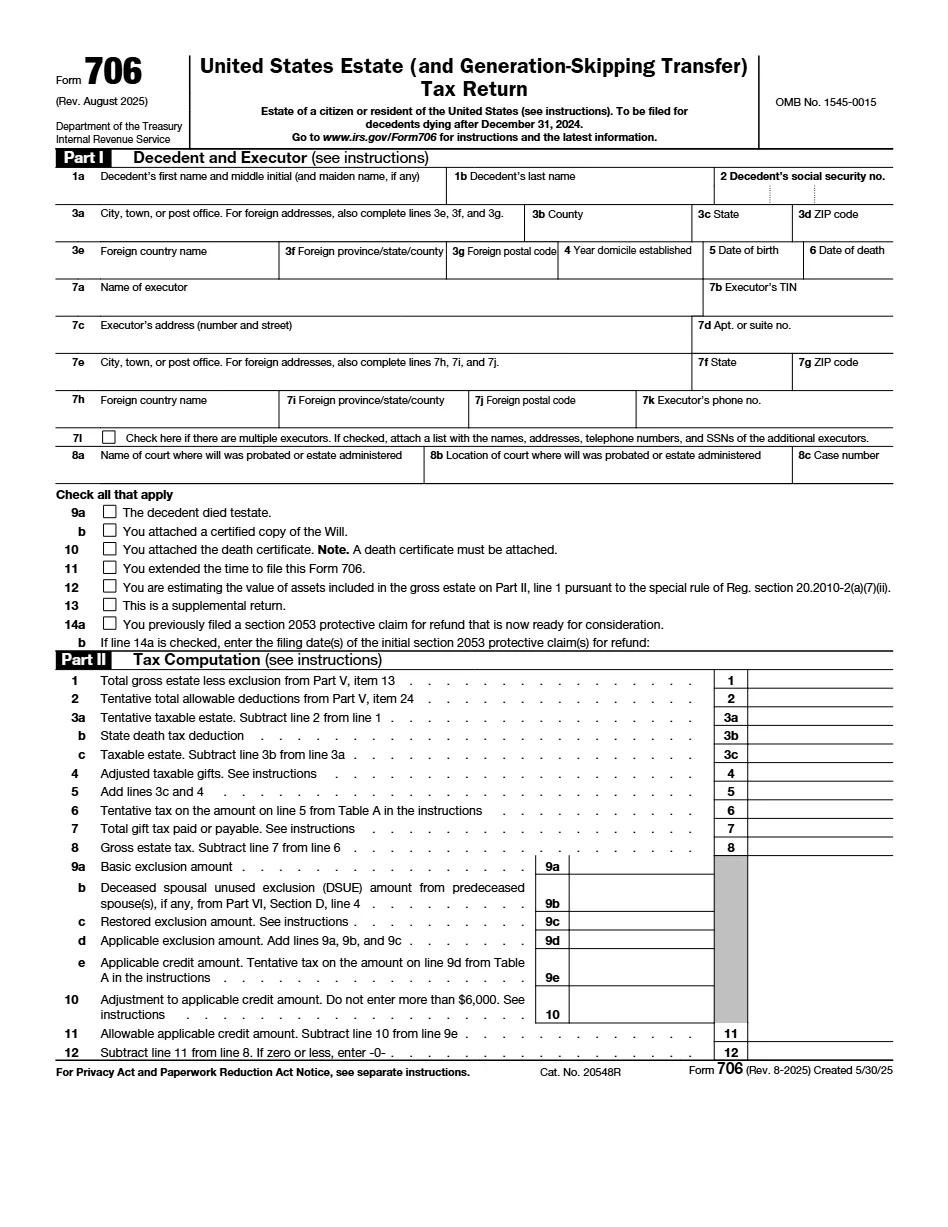
Estates over $4,000,000 must file an Illinois estate tax return, due nine months after the date of death. Because the federal exemption is far higher, an Illinois estate can owe state estate tax even when no federal Form 706 is required, so personal property appraisals often matter for the Illinois filing alone.
How does Illinois value personal property for estate tax purposes?
Illinois generally adopts the value finally determined for federal transfer tax purposes under 35 ILCS 405/5. That means a fair market value appraisal prepared to federal estate tax standards carries through to the state calculation, and we prepare date-of-death valuations of art, collectibles, vehicles, and business interests with that dual use in mind.
Does tangible property located outside Illinois count toward the estate?
For an Illinois resident, real estate and tangible personal property physically situated in another state are excluded from Illinois tax situs; for a nonresident, only Illinois real estate and tangible personal property physically in Illinois are reached. The physical location of boats, vehicles, equipment, and artwork at death can therefore change the Illinois tax picture, which makes documenting where each item was kept part of the appraisal record.
Why is valuation especially sensitive near the $4 million line in Illinois?
Because Illinois applies no marginal relief at the threshold: practitioners note that an estate even one dollar over $4,000,000 is taxed on the full amount, not just the excess. A supportable appraisal of high-value personal property such as a collection or closely held business interest can determine whether the estate owes Illinois tax at all.









.jpeg)