Does Hawaii tax estates that owe no federal estate tax?
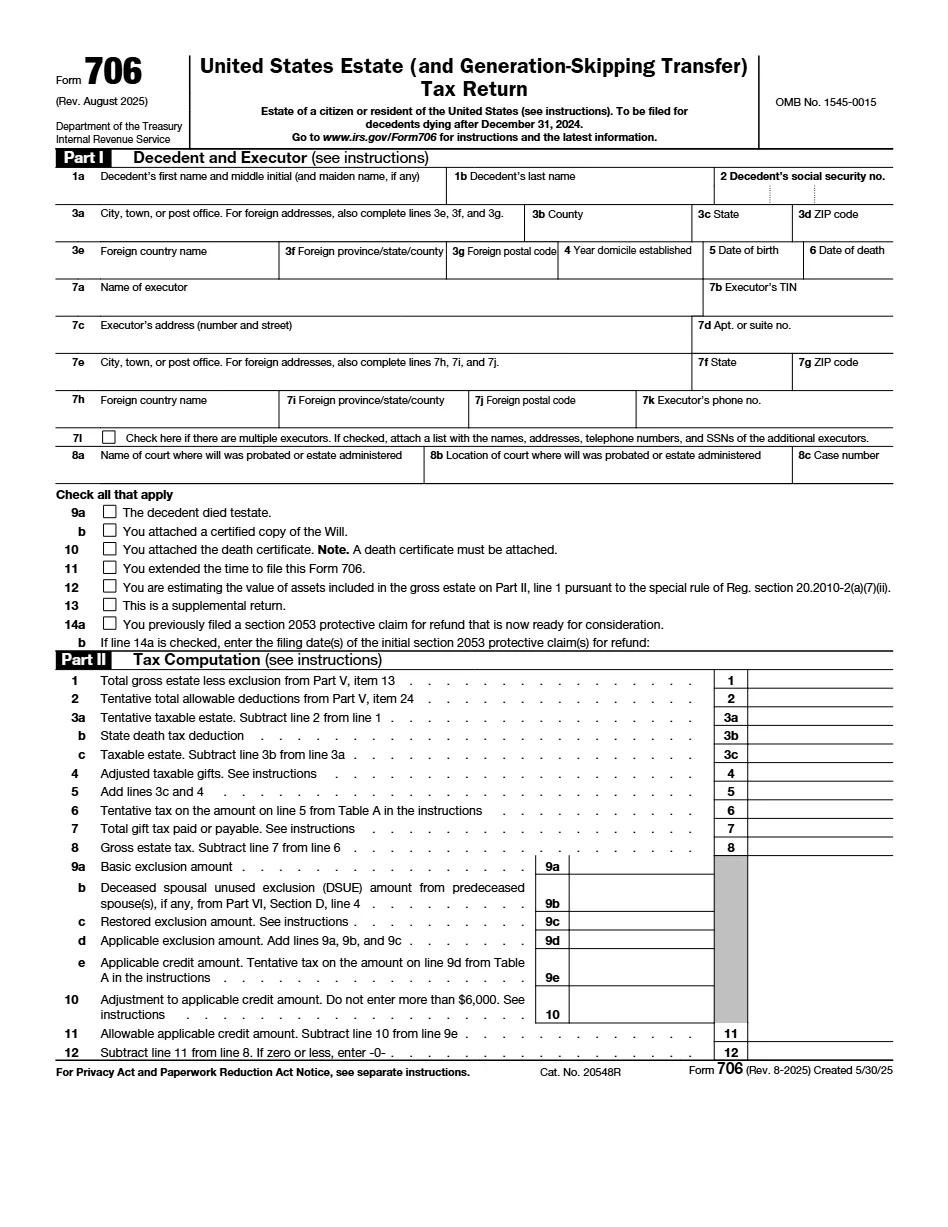
It can. Hawaii imposes its own estate tax under HRS § 236E-8 with an exemption of $5.49 million and graduated rates from 10% to 20%, and the Hawaii net taxable estate includes personal property such as vehicles, jewelry, art, and business interests. Older references to HRS chapters 236 and 236A are obsolete; both were repealed, and chapters 236D and 236E now control.
What are the inventory rules for a Hawaii estate?
The personal representative must prepare an inventory within three months of appointment, listing each asset at fair market value as of the date of death. Hawaii allows a choice: file the inventory with the court or mail it to interested persons. Once an inventory or appraisal has been filed with the court, HRS § 560:3-708 requires any supplement covering newly discovered property or revised values to be filed as well.
Which Hawaii estate assets call for an outside appraiser?
Those whose value is in reasonable doubt. HRS § 560:3-707 lets the personal representative employ a qualified and disinterested appraiser for any such asset, expressly permits different appraisers for different asset types, and requires each appraiser's name and address to appear on the inventory beside the items they valued. Straightforward items can be valued by the representative directly.
What happens if Hawaii estate tax is not paid?
The tax becomes a lien on the decedent's entire gross estate, personal property included, for ten years from the date of death. HRS § 236D-11 also empowers the personal representative to sell estate property, even specifically bequeathed items, to cover the tax unless the legatee pays the proportionate share, which makes reliable valuations central to deciding what, if anything, must be sold.








.jpeg)