
Valuing a Vintage Truck for a Title Bond
Vintage truck appraisal for a title bond application, covering pre-war and post-war commercial trucks, project-condition vehicles and units identified by chassis and engine serial numbers. AppraiseItNow appraised an Illinois 1949 International Harvester KB-6 medium-duty truck with a frozen engine and non-functional systems, placing it in the dealer-to-dealer market its condition dictated.
Project Overview
Assignment Summary
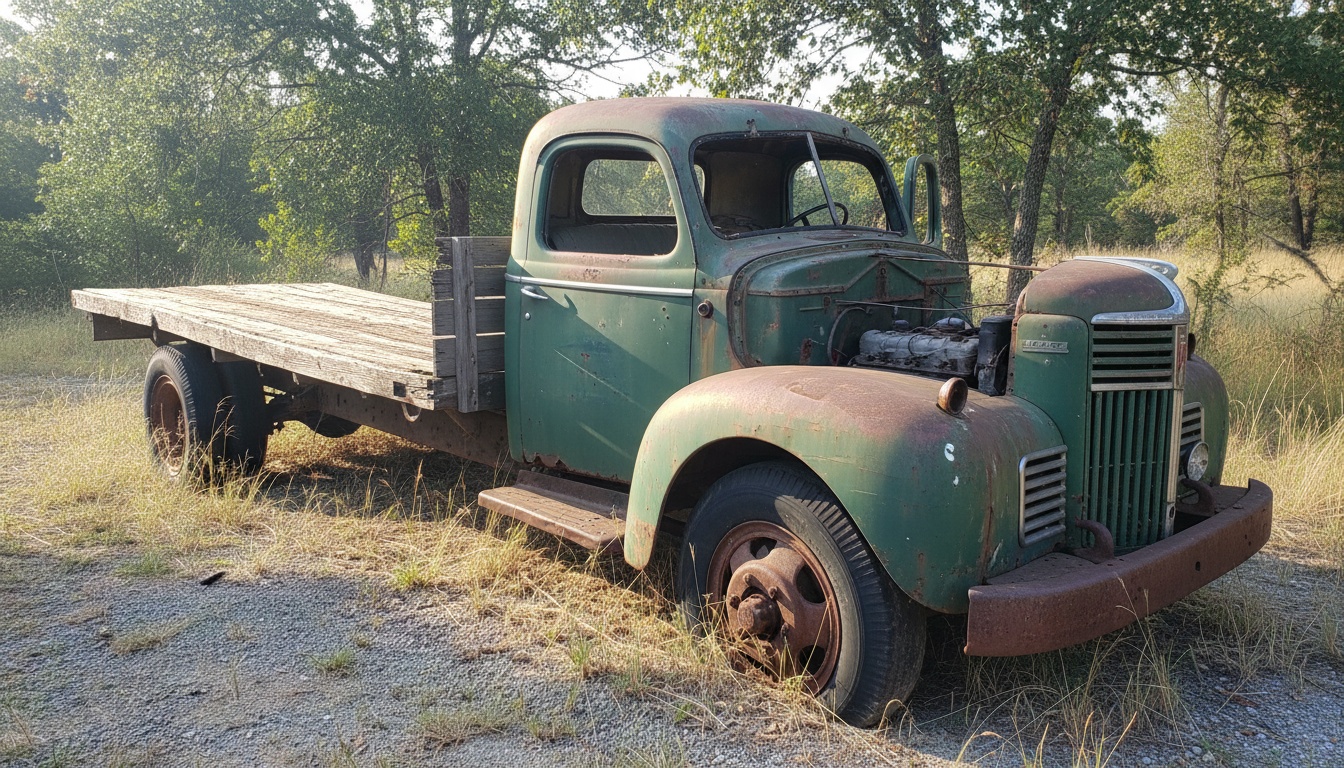
This assignment involved the appraisal of a single asset: a 1949 International Harvester KB-6 medium-duty commercial truck. The KB-6 is the heavier commercial variant of International Harvester's KB platform, distinct from the lighter pickup models in the same series, and features a 158-inch wheelbase and an original International engine rated at 89 horsepower. The vehicle was identified using its chassis and engine serial numbers, with the manufacturer's identification plate used to confirm key specifications. The standard of value sought was fair market value, defined as the price at which property would change hands between a willing buyer and a willing seller, both with reasonable knowledge of relevant facts and neither under compulsion to act. The appraisal was prepared in a full Appraisal Report format in conformity with USPAP.
Challenges
Our Approach
Project Outcome
Ready to start your appraisal?
Tell us the asset and what the value is for, and we will confirm scope, timing, and a fixed fee before any work begins.
Request an AppraisalFrequently Asked Questions
How is a non-running vintage truck identified without a title?
From the physical evidence on the vehicle: chassis and engine serial numbers, the manufacturer's identification plate, wheelbase, and model-specific features that distinguish variants. On a 1940s commercial truck the identification plate and serial stampings are usually the only reliable source, and confirming them is what allows the correct model to be valued rather than a lighter or heavier variant.
Why does a commercial variant value differently from the pickup in the same series?
Because the collector demand is different. Light pickups from a given series often have an active restoration following, while the medium-duty commercial variants are heavier, harder to store and less commonly restored. Treating a commercial chassis as if it were the pickup of the same series is a common and costly identification error.
Where does a project-condition vehicle actually sell?
In the wholesale and dealer-to-dealer segment rather than the retail collector market. A truck with a frozen engine, non-functional brakes and electrical systems and missing glass is bought by someone calculating restoration cost against finished value, and those buyers pay accordingly. The report names the market segment and explains why the retail collector market did not apply.
What if no exact-year comparables exist?
The analysis widens to adjacent years in the same series and adjusts for the differences that matter. Series-level comparables are appropriate where the platform did not change materially between years, and the report states which years were included and why. Refusing to widen the search produces no conclusion; widening it without explanation produces one nobody can check.