
Valuing a Semi Trailer for Title Bond
Semi trailer appraisal for a title bond application, covering 53-foot dry vans, aluminum freight trailers and commercial units without title documentation. AppraiseItNow appraised a Wyoming 2013 Vanguard 53-foot dry van with hardwood freight floor and logistics posts, weighing a visible roof patch repair against comparable sales for that trailer type and year.
Project Overview
Assignment Summary
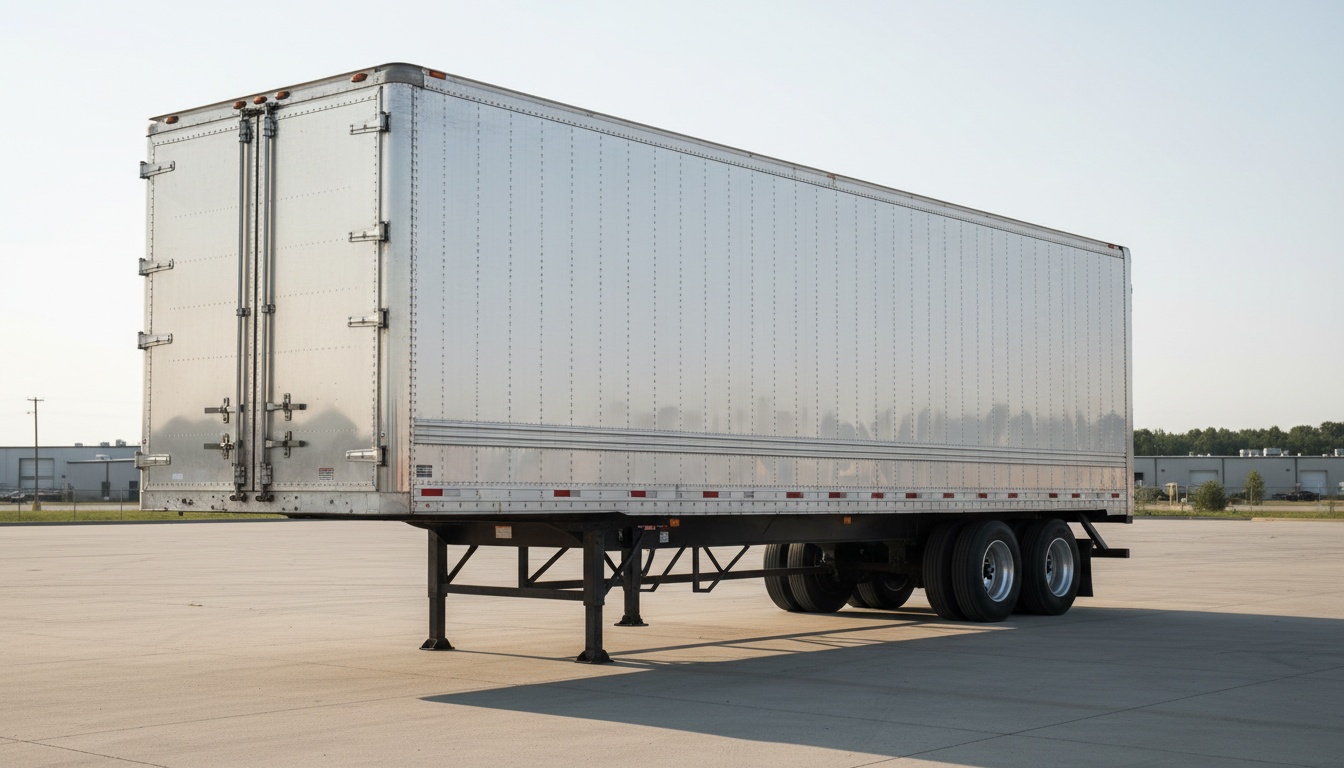
The subject asset is a 2013 Vanguard 53-foot dry van semi trailer — one of the most widely used trailer configurations in North American commercial trucking. Vanguard trailers are well regarded in the freight industry for their lightweight aluminum construction and durable hauling capability, and the 53-foot enclosed dry van format is the dominant trailer type in long-haul and regional fleet operations. The trailer features aluminum exterior panels, an aluminum roof, steel crossmembers, a hardwood freight floor suited for forklift loading, tandem axles, and interior logistics posts for cargo securement. The appraisal was completed for a corporate client solely for use in the title bond process, with fair market value as the required standard of value — defined as the price at which a property would change hands between a willing buyer and a willing seller, both having reasonable knowledge of the relevant facts and neither under any compulsion to transact.
Challenges
Our Approach
Project Outcome
Ready to start your appraisal?
Tell us the asset and what the value is for, and we will confirm scope, timing, and a fixed fee before any work begins.
Request an AppraisalFrequently Asked Questions
Does a roof repair reduce the value of a dry van trailer?
It can, and buyers treat it as a warning rather than a fix. A dry van's whole function is keeping freight dry, so a patched roof raises questions about water intrusion history, floor condition and whether the repair will hold. Where the repair cannot be inspected from inside, the appraisal discloses that and reflects the added buyer risk in the conclusion.
What makes a 53-foot dry van easier to value than specialized trailers?
Volume. The 53-foot enclosed dry van is the dominant configuration in North American freight, so sale data is abundant and comparables are genuinely comparable. Specification differences that matter, aluminum versus composite construction, floor type, suspension, door style, are all observable and are what the adjustments address.
How is a trailer condition assessed without an on-site inspection?
From photographs covering the exterior, roof, interior, floor, doors and running gear, plus client-supplied information, with the assumptions stated. The most common gap is the underside and suspension, which photographs rarely capture well. The report identifies which areas were and were not documented rather than presenting a general condition conclusion.
Does the hardwood floor matter to a trailer's value?
Yes. The freight floor takes forklift traffic and is expensive to replace, so its condition is one of the first things a buyer inspects. A sound hardwood floor rated for forklift loading supports the top of the range for a trailer of that age; soft boards, delamination or previous partial replacement move it down substantially.