
Valuing a Home's Worth of Generosity
Household and clothing donation appraisal for a noncash charitable tax deduction, covering used furnishings, apparel and bulk grouped goods given to multiple qualified charities. AppraiseItNow appraised a Massachusetts donation of roughly 170 line item types with quantities reaching 300 pieces each, valuing grouped goods as populations of typical used property rather than as individual objects.
Project Overview
Assignment Summary
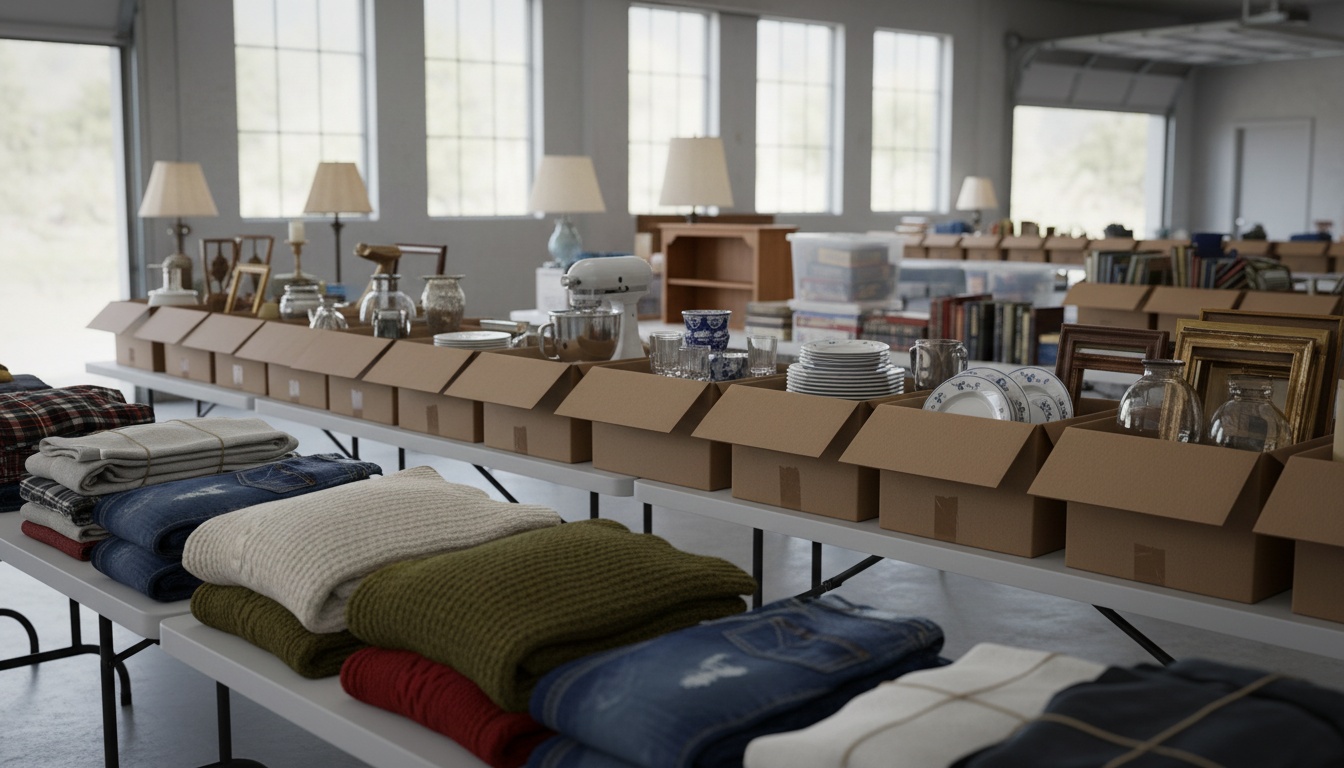
The assignment involved determining the fair market value of a broad collection of used household goods and clothing to support a non-cash charitable contribution income tax deduction. The inventory encompassed roughly 170 line item types, with individual quantities extending up to 300 pieces per item type, donated to the Epilepsy Foundation and Habitat for Humanity. The standard of value applied was fair market value as defined under IRS and Treasury Regulation guidelines, reflecting the price at which property would change hands between a willing buyer and a willing seller with no compulsion on either side and with reasonable knowledge of the relevant facts. The intended users of the report were the client, the IRS, and relevant parties involved in the donation process.
Challenges
Our Approach
Project Outcome
Ready to start your appraisal?
Tell us the asset and what the value is for, and we will confirm scope, timing, and a fixed fee before any work begins.
Request an AppraisalFrequently Asked Questions
How are bulk grouped donations valued when items cannot be individually identified?
As populations rather than as objects. Where goods arrive in bags, bins and grouped photographs, the analysis establishes representative per-item values for each economically similar group and extends them across documented counts. The report explains the grouping and the extension so the figure can be traced, which is what distinguishes a defensible bulk valuation from a guess.
Does donating to more than one charity change the appraisal requirement?
Not the threshold. The $5,000 test applies to similar items of property donated during the tax year regardless of how many organizations received them, so splitting a household between two charities does not avoid the qualified appraisal requirement. Each donee still signs its own acknowledgment on the relevant Form 8283.
Why are used clothing values so much lower than donors expect?
Because the resale market for ordinary used clothing clears at a small fraction of retail, and that market is what fair market value measures. Thrift retail pricing is the realistic benchmark for most garments. Donors who valued a closet at original cost are usually looking at a figure several times what the property would actually bring.
What does good used condition mean in practice?
It means the item is clean, complete, functional and would be accepted for resale by a thrift retailer without repair. Items with stains, tears, missing parts or heavy wear generally do not qualify for a deduction at all. Documenting condition honestly at the group level is what keeps the whole schedule credible.