
Probate Personal Property Appraisal: Collectibles, Firearms and Coins
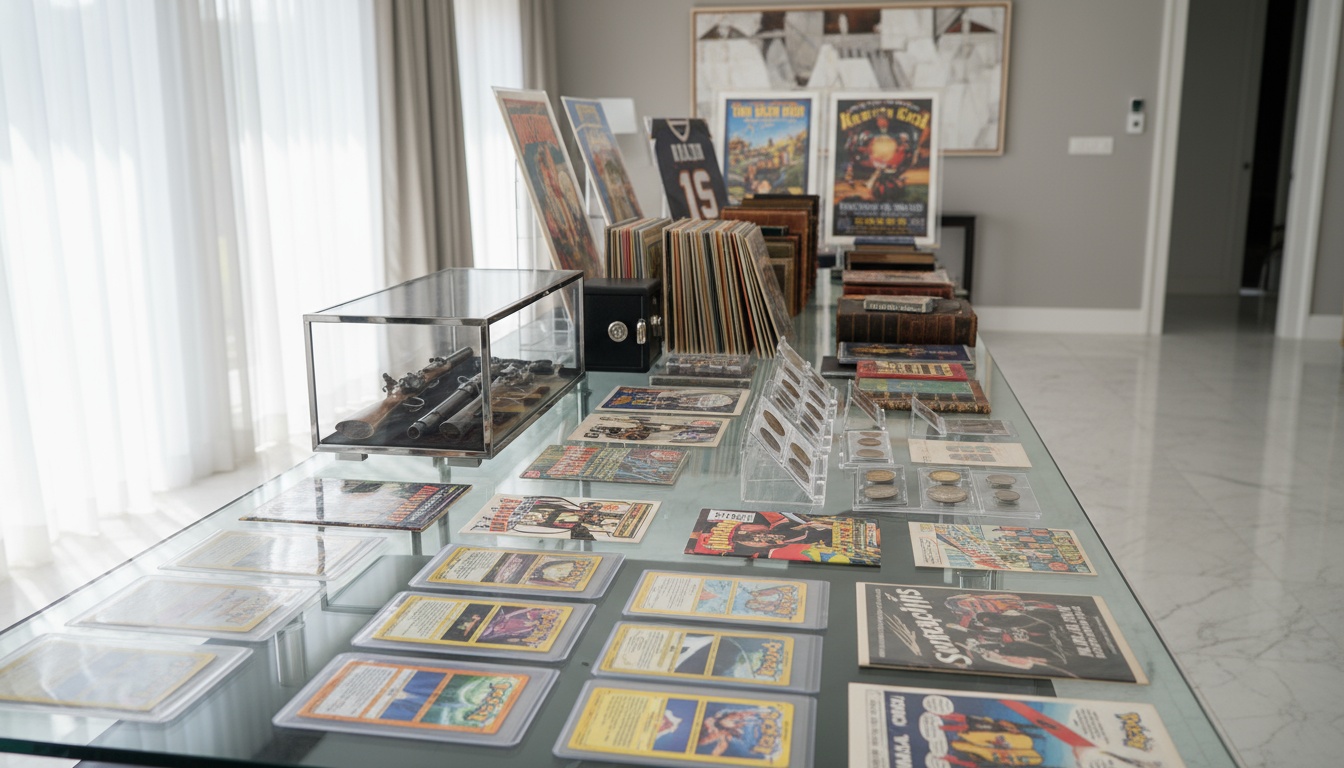
Collectibles appraisal for probate court, covering trading cards, comics, records, books, coins, memorabilia and firearms held in a single estate. AppraiseItNow appraised a Missouri estate's collections through in-person inspection of available items and photographic review of the rest, valuing each category in the market where it is most commonly sold.
Project Overview
Assignment Summary
The assignment required a thorough identification and examination of a variety of personal property for submission to probate court. The scope included preparing an itemized inventory, noting condition, researching recent comparable sales in the market most commonly used for each asset type, and applying the sales comparison approach to reach fair market value opinions. The appraisal was developed under USPAP standards and conforms to membership standards of the Certified Appraisers Guild of America. The report was prepared as a USPAP Appraisal Report and intended for use by the client, their tax and legal professionals, and the probate court only.
Challenges
Our Approach
Project Outcome
Ready to start your appraisal?
Tell us the asset and what the value is for, and we will confirm scope, timing, and a fixed fee before any work begins.
Request an AppraisalFrequently Asked Questions
Why do collectibles cause disputes in probate more often than other property?
Because value is concentrated, uneven and invisible to non-specialists. A single card, coin or comic can be worth more than the rest of a collection combined, and a family dividing property by volume rather than value will get it badly wrong. An itemized appraisal turns an argument about fairness into a schedule that beneficiaries and the court can work from.
Does each collectible category need its own specialist knowledge?
Yes, and an appraisal that treats them interchangeably shows it. Grading standards, market channels and value drivers differ completely between coins, cards, comics and vinyl. The report should identify the reference standards and market sources used for each category, so a reviewer can see the research was category-appropriate rather than generic.
How are firearms in an estate handled alongside other collectibles?
They are valued like any other collector category, on originality, model variation, condition and maker. The practical difference is custody and transfer: estates need to handle firearms through channels appropriate to the jurisdiction, and that is a matter for the executor and counsel rather than the appraiser. The appraisal reports value and describes the arms specifically enough to identify them.
Is a combination of in-person and photographic inspection acceptable?
Yes, and it is common in estates where property is split across locations. What matters is that the report says which items were physically examined and which were assessed from images, so the reader knows the confidence attached to each. A blanket claim of inspection covering items nobody saw is the version that fails on challenge.